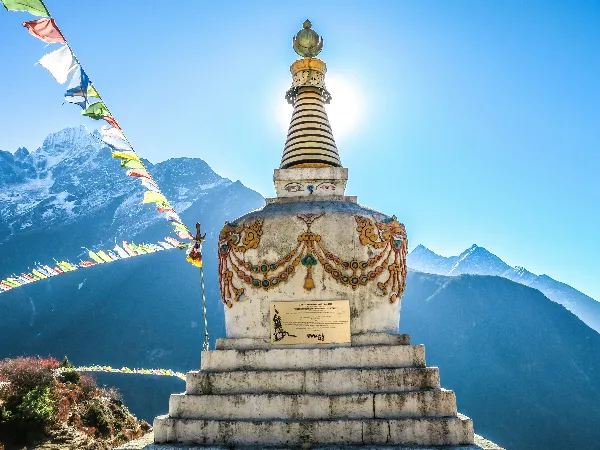
The Everest Base Camp Trek is one of the most famous trekking adventures in the world. Every year, thousands of travelers visit Nepal to experience the breathtaking beauty of the Himalayas and stand at the foot of Mount Everest.
However, before booking your trip, there is one important question you need to answer: Which time of the year is best to do the Everest Base Camp Trek?
The timing of your trek can significantly affect your experience. Weather conditions, mountain visibility, trail conditions, and crowd levels all change throughout the year.
Choosing the right season can mean clear skies, stunning mountain views, and comfortable trekking temperatures. Choosing the wrong season could lead to rain, clouds, flight delays, or extremely cold conditions.
In this guide, you'll learn about each trekking season, the advantages and disadvantages of different months, and which time of year is best for first-time trekkers.
Best Time to Do the Everest Base Camp Trek
The best time to trek to Everest Base Camp is during spring (March–May) and autumn (September–November).
-
Best overall season: Autumn (September to November)
-
Best month: October
-
Best for photography: October and November
-
Best for blooming landscapes: April and May
-
Best for fewer crowds: Winter (December to February)
-
Least recommended season: Monsoon (June to August)
These seasons offer the best combination of weather, mountain visibility, trail conditions, and trekking safety.
Why Choosing the Right Season Matters for the Everest Base Camp Trek
The Everest Base Camp Trek takes you into a high-altitude environment where weather conditions can change quickly.
At lower elevations, temperatures may feel pleasant during the day. However, as you climb higher into the Khumbu region, the weather becomes colder and more unpredictable.
The season you choose affects everything from flight schedules to mountain visibility.
For example, trekking during the peak seasons usually means better weather and clearer views. On the other hand, trekking during the monsoon season can increase the chances of rain, clouds, and transportation delays.
For first-time trekkers, selecting the right season often makes the journey safer, easier, and more enjoyable.
Why Spring Is One of the Best Seasons for Everest Base Camp?
Spring is widely considered one of the best times to trek to Everest Base Camp.
As winter comes to an end, temperatures gradually become warmer. The trails begin to dry out, and the weather becomes more stable.
One of the highlights of spring is the beautiful rhododendron forests. Nepal's national flower blooms across the hillsides, adding vibrant colors to the landscape.
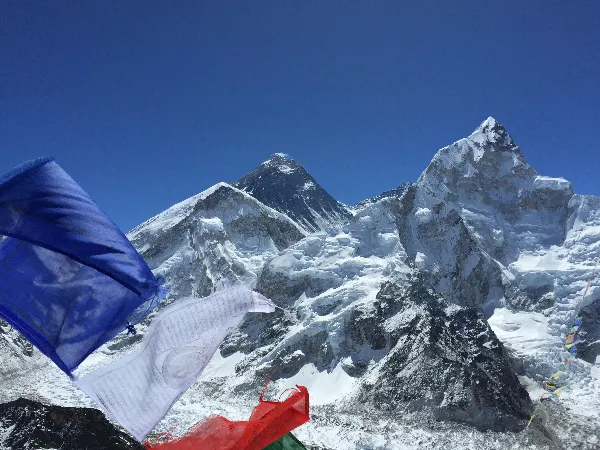
Mountain views are generally excellent during spring. Trekkers can enjoy clear panoramas of Everest, Lhotse, Ama Dablam, Nuptse, and many other Himalayan peaks.
Another unique advantage is the Everest climbing season.
Many climbers attempt to summit Mount Everest during spring. This creates an exciting atmosphere throughout the region as trekking groups and mountaineering expeditions prepare for their adventures.
For travelers who enjoy nature, photography, and slightly warmer temperatures, spring is an outstanding choice.
Advantages of Spring Trekking
-
Warmer temperatures
-
Blooming rhododendron forests
-
Excellent mountain visibility
-
Everest expedition season atmosphere
-
Great photography opportunities
Disadvantages of Spring Trekking
-
More crowded trails
-
Higher demand for flights and accommodation
-
Slightly hazier afternoons in late May
Why Autumn Is the Most Popular Season?
Autumn is often considered the best overall season for the Everest Base Camp Trek.
After the monsoon rains clear the atmosphere, the skies become incredibly clean and clear.
This results in some of the best mountain views of the entire year.
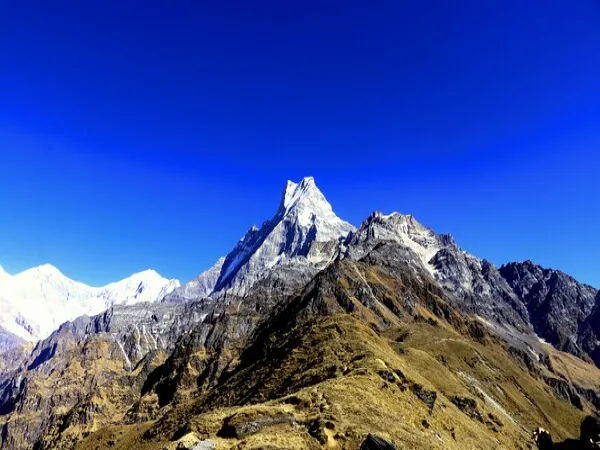
Visibility is often exceptional during autumn. On many days, trekkers can enjoy uninterrupted views of the Himalayan range from sunrise to sunset.
The weather is also highly stable.
There is less chance of rainfall, fewer weather disruptions, and generally more predictable trekking conditions.
Because of these advantages, autumn attracts the highest number of trekkers.
October is especially popular and is frequently regarded as the best month to trek to Everest Base Camp.
If your priority is clear skies, reliable weather, and unforgettable mountain scenery, autumn is difficult to beat.
Advantages of Autumn Trekking
-
Crystal-clear mountain views
-
Stable weather conditions
-
Low rainfall
-
Ideal trekking temperatures
-
Best overall visibility
Disadvantages of Autumn Trekking
-
Peak-season crowds
-
Higher accommodation demand
-
Earlier bookings required
Spring vs Autumn: Which Season Is Better for Everest Base Camp?
Both spring and autumn offer excellent trekking conditions.
Spring is known for its colorful landscapes, blooming flowers, and slightly warmer temperatures.
Autumn is famous for crystal-clear mountain views and stable weather conditions.
For many first-time trekkers, autumn has a slight advantage because the visibility is often better and weather interruptions are less common.
However, there is no wrong choice between these two seasons.
The decision largely depends on what type of experience you want from your trek.
| Spring | Autumn |
|---|---|
| Blooming landscapes | Clear mountain views |
| Warmer temperatures | Stable weather |
| Everest climbing season | Best visibility |
| Excellent photography | Most popular season |
Can You Trek to Everest Base Camp in Winter?
Yes, you can trek to Everest Base Camp during winter.
In fact, some experienced trekkers prefer this season because the trails are much quieter.
You will encounter fewer groups and enjoy a more peaceful trekking experience.
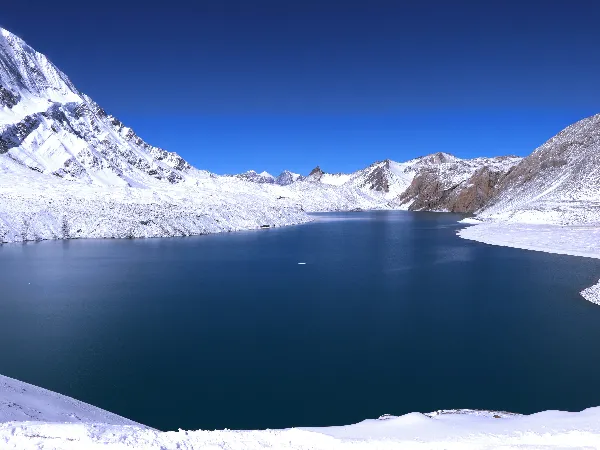
The mountains often look spectacular when covered in fresh snow.
However, winter conditions can be challenging.
Temperatures frequently drop below freezing, particularly during the night and early morning hours.
Trekkers who choose winter should be prepared with high-quality cold-weather gear and proper planning.
Is Monsoon Season a Good Time for the Trek?
The monsoon season typically runs from June to August.
During this period, much of Nepal receives heavy rainfall.
The trails can become muddy and slippery, while clouds often hide the mountain views.
Flight delays to Lukla are also more common because of poor visibility.
Although the landscapes become lush and green, most trekking experts do not recommend monsoon season for first-time visitors.
If your goal is to experience Everest at its best, spring and autumn remain the superior options.
What Is the Best Time for Beginners?
For beginners, the best months are generally April, May, October, and early November.
These months provide a combination of stable weather, excellent visibility, and comfortable trekking conditions.
The chances of successful flights, clear mountain views, and enjoyable hiking days are much higher.
These months also offer the best overall trekking infrastructure.
Most teahouses, guides, and support services operate at full capacity during the peak seasons.
This creates a smoother and more enjoyable experience for first-time visitors.
When Should You Trek to Everest Base Camp?
For most travelers, the answer is spring and autumn.
These seasons offer the best combination of weather, mountain visibility, trail conditions, and overall trekking experience.
If you want the absolute best conditions, October, November, April, and May should be at the top of your list.
No matter which season you choose, the Everest Base Camp Trek promises breathtaking scenery, unforgettable cultural experiences, and the achievement of reaching one of the world's most iconic trekking destinations.
At Nepal Treks and Tour, we help travelers choose the perfect season and itinerary for their Everest adventure. Contact our team today and start planning your Everest Base Camp Trek with experienced local experts who know the Himalayas best.
FAQs
What is the best month for the Everest Base Camp Trek?
October is the best month for the Everest Base Camp Trek thanks to stable weather, clear skies, and exceptional mountain visibility. It is also one of the most popular months for trekking in Nepal.
Is spring or autumn better for Everest Base Camp?
Both spring and autumn are excellent seasons for Everest Base Camp. Spring offers blooming rhododendrons and warmer temperatures, while autumn provides the clearest mountain views and the most reliable weather.
Can beginners trek Everest Base Camp?
Yes, beginners can trek to Everest Base Camp if they prepare properly and follow a gradual acclimatization schedule. No technical climbing experience is required.
Is Everest Base Camp crowded in October?
Yes, October is the busiest month on the Everest Base Camp trail because it combines ideal weather, clear views, and comfortable trekking conditions.
Can I trek Everest Base Camp in winter?
Yes, you can trek to Everest Base Camp in winter. The trails are quieter, but colder temperatures and occasional snowfall require additional preparation.
Is monsoon season suitable for EBC trekking?
Monsoon is generally the least recommended season for the Everest Base Camp Trek. Frequent rain, cloud cover, and potential flight disruptions can affect the trekking experience.
What is the temperature at Everest Base Camp?
Temperatures at Everest Base Camp vary by season, typically ranging from around 5°C during the day to below -15°C at night during colder months.
How many days does the Everest Base Camp Trek take?
Most Everest Base Camp treks take 12 to 14 days, including acclimatization days. Longer itineraries may be chosen for a more comfortable pace.
When should I book my Everest Base Camp Trek?
Book your Everest Base Camp Trek at least 3 to 6 months in advance for spring and autumn departures. Early booking helps secure flights, permits, guides, and accommodation.
Which season offers the best photography opportunities?
Autumn offers the clearest skies and sharpest mountain views, while spring provides colorful landscapes with blooming rhododendron forests.
What should I pack for the Everest Base Camp Trek?
Pack layered clothing, a down jacket, waterproof outerwear, trekking boots, sleeping bag, sunglasses, gloves, headlamp, water bottles, and personal medications. Weather in the Everest region can change quickly, so versatile gear is essential.
How much weight can I carry on the Everest Base Camp Trek?
Most Lukla flights allow around 15 kg (33 lbs) of combined checked and hand luggage. Trekkers should pack light and prioritize essential items.
How difficult is the Everest Base Camp Trek?
The Everest Base Camp Trek is considered moderately challenging. It does not require technical climbing skills, but trekkers should be prepared for long walking days, steep trails, and high-altitude conditions.
How long does the Everest Base Camp Trek take?
Most standard itineraries take 12–14 days, including acclimatization days. Some extended routes can last 16–18 days depending on the starting point and trekking pace.
Can beginners do the Everest Base Camp Trek?
Yes. Beginners with good fitness, proper preparation, and a gradual itinerary can successfully complete the trek.
Is it better to fly to Lukla or travel by road?
Flying to Lukla is faster and more convenient, while traveling by road to Everest's lower trailheads is cheaper and avoids flight cancellations but adds several trekking days.
How much time does the road route add to the Everest trek?
Starting via road from Kathmandu typically adds 3–5 extra days compared to flying directly to Lukla.
Which option is more reliable in 2026: Lukla flight or road travel?
Road travel is generally less affected by weather disruptions, while Lukla flights can experience delays or cancellations due to mountain weather conditions.