Yes, late summer is a great time to trek in Nepal, especially during September. Trekkers enjoy green landscapes, fewer crowds, lower costs, comfortable temperatures, and improving mountain views. While occasional rain remains possible, the combination of quieter trails and beautiful scenery makes late summer one of Nepal's most underrated trekking seasons.
When Is Late Summer in Nepal?
Late summer in Nepal generally refers to the period from mid-August to the end of September. This season falls between the peak monsoon months and the start of the popular autumn trekking season. During this time, rainfall gradually decreases, temperatures remain comfortable, and trekking conditions improve week by week.
Many travelers overlook this period because they associate it with monsoon weather. However, late summer offers a unique opportunity to experience Nepal's mountains, villages, and landscapes with fewer crowds and a more peaceful atmosphere.
Nepal Weather in Late Summer: What to Expect
The weather during late summer can vary depending on the region and elevation. Mornings are often clear and pleasant, while clouds and occasional rain showers tend to develop later in the day. August remains wetter, but September usually brings longer periods of sunshine and clearer skies.
One of the biggest advantages of trekking during this season is the vibrant scenery. Forests, rice terraces, and hillsides are at their greenest, and waterfalls are flowing at full strength after the monsoon rains.
Is September a Good Time to Trek in Nepal?
Yes, September is considered one of the best months for trekking in Nepal, especially during the second half of the month. Weather conditions become more stable, mountain views improve, and trail conditions begin to dry out. Many experienced trekkers consider late September the beginning of Nepal's prime trekking season.
For beginners and families, September offers a great balance between good weather and fewer crowds. Popular trekking routes are still relatively quiet compared to October and November, making the overall experience more relaxed.
Best Nepal Treks for Late Summer
Several trekking routes are particularly well suited for late summer conditions. The Ghorepani Poon Hill Trek remains one of the best choices because of its moderate difficulty, comfortable teahouses, and rewarding mountain views. The Mardi Himal Trek is another excellent option, offering beautiful ridge walks and fewer crowds.
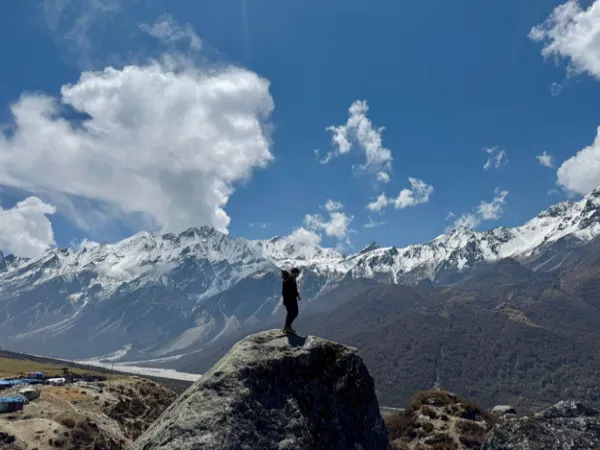
The Langtang Valley Trek also performs well during late September when weather conditions improve. Shorter routes such as the Australian Camp Trek and Dhampus Village Trek are ideal for families, beginners, and travelers with limited time.
Treks to Avoid During the Monsoon Transition
Some trekking routes can be more challenging during the transition from monsoon to autumn. High mountain passes, remote wilderness trails, and routes requiring multiple mountain flights may experience weather-related disruptions. Heavy rainfall can occasionally affect trail conditions and transportation schedules.
Trekkers planning remote adventures should remain flexible and allow extra time in their itinerary. Choosing a route with established infrastructure can significantly improve the overall experience during this season.
Late Summer vs Peak Autumn Trekking
Late summer and peak autumn both offer excellent trekking opportunities, but they provide very different experiences. Late summer is known for greener landscapes, fewer crowds, easier accommodation availability, and lower costs. The atmosphere feels quieter and more authentic compared to the busy autumn season.
Autumn, particularly October and November, provides more reliable mountain views and drier trail conditions. Travelers seeking postcard-perfect Himalayan panoramas may prefer autumn, while those looking for peaceful trails often enjoy late summer more.
Trek Difficulty and Altitude Challenges
The physical difficulty of a trek does not change dramatically during late summer, but muddy and wet trails can make hiking more demanding. Trekkers often walk more slowly and expend more energy compared to the dry season.
Altitude sickness remains a concern regardless of the weather. Anyone trekking above 3,000 meters should follow proper acclimatization practices and remain aware of potential symptoms. Gradual ascents and sufficient rest days are essential for a safe trekking experience.
Permits, Costs, and Budget Planning
Most trekking regions in Nepal require permits, conservation fees, or local entry fees. Permit requirements vary depending on the destination, so travelers should confirm the latest regulations before departure.
Late summer is often one of the best times for budget-conscious travelers. Accommodation, guide services, and trekking packages may offer better value than during the peak autumn season due to lower visitor numbers.
Complete September Trekking Packing List
Packing for late summer trekking requires preparation for both sunshine and rain. Waterproof clothing is essential because weather conditions can change quickly. Comfortable trekking shoes with good grip help manage slippery trail sections, while quick-drying clothing improves comfort throughout the journey.
A reliable rain jacket, backpack cover, and dry bags for electronics are highly recommended. Since humidity levels can remain high, lightweight and breathable clothing often works better than heavy layers.
Safety Tips: Rain, Leeches, and Landslides
Rain remains one of the main considerations during late summer trekking. While daily downpours are less common by late September, occasional showers are still possible. Trekkers should start walking early in the morning when weather conditions are usually more favorable.
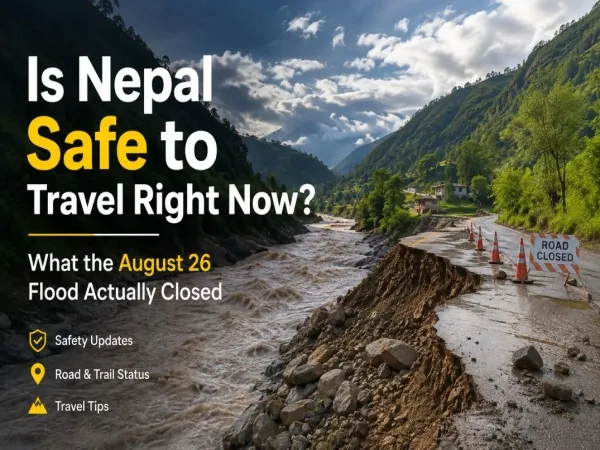
Leeches are commonly found in lower forested areas during and after rainfall. Although harmless, they can surprise first-time trekkers. Landslides and temporary trail disruptions may also occur in some regions, making local knowledge and flexible travel plans extremely valuable.
Family-Friendly Late Summer Treks
Late summer can be an excellent time for family trekking when the right route is selected. Short and moderate treks with comfortable accommodation and manageable walking distances are ideal for children and older travelers.
Routes such as Ghorepani Poon Hill, Australian Camp, Dhampus Village, and shorter sections of the Annapurna region offer a safe and enjoyable introduction to trekking in Nepal. The quieter trails also create a more relaxed environment for families.
Common Mistakes First-Time Trekkers Make
One of the most common mistakes is expecting perfect mountain views every day. Weather conditions remain variable during late summer, and flexibility is important. Travelers who focus solely on panoramic views may miss the beauty of Nepal's green landscapes and cultural experiences.
Another mistake is underestimating the importance of waterproof gear. Proper preparation for rain can dramatically improve comfort and enjoyment throughout the trek. Many beginners also choose routes that are too ambitious, making a shorter and easier trek a smarter option.
Should You Trek Nepal in Late Summer?
Absolutely. Late summer is one of Nepal's most underrated trekking seasons. While it may not always provide the crystal-clear skies of peak autumn, it offers lush landscapes, quieter trails, lower costs, and a more relaxed trekking experience.
For beginners, families, and travelers seeking a less crowded adventure, late summer can be a fantastic time to visit. With realistic expectations, proper gear, and a flexible itinerary, trekking in Nepal during late summer can become one of the most memorable journeys you will ever experience.
Frequently Asked Questions
Is late summer a good time for trekking in Nepal?
Yes. Late summer offers beautiful green landscapes, fewer crowds, improving weather, and lower trekking costs, particularly during September.
Which is better for trekking, August or September?
September is generally better because rainfall decreases, mountain visibility improves, and trail conditions become more stable.
What are the best treks in Nepal during late summer?
The Ghorepani Poon Hill Trek, Mardi Himal Trek, Langtang Valley Trek, Australian Camp Trek, and Dhampus Village Trek are among the best options.
Are mountain views guaranteed during late summer?
No. Clear mountain views are possible, especially in the mornings and during late September, but weather conditions can still vary.
Is late summer suitable for beginner trekkers?
Yes. Beginners can enjoy late summer trekking by choosing easy-to-moderate routes and preparing for occasional rain and muddy trails.
Is trekking cheaper during late summer?
Yes. Lower tourist numbers often result in better value for accommodation, guides, porters, and trekking packages.
Do I need a guide during late summer?
A guide is strongly recommended because they can provide local knowledge about trail conditions, weather patterns, and alternative routes when necessary.
What should I pack for a September trek in Nepal?
Waterproof clothing, trekking shoes with good grip, quick-drying layers, rain protection for electronics, and a basic first-aid kit are highly recommended.