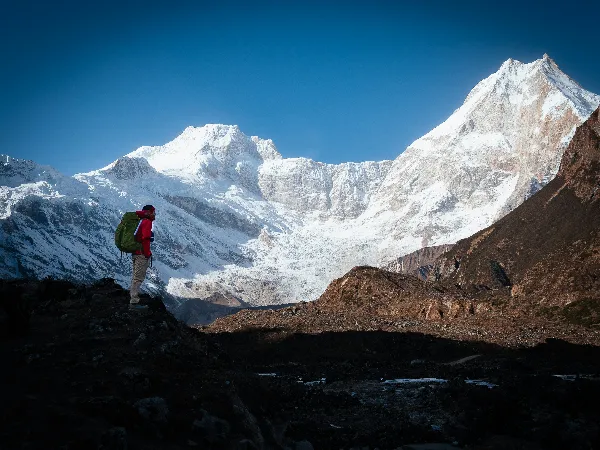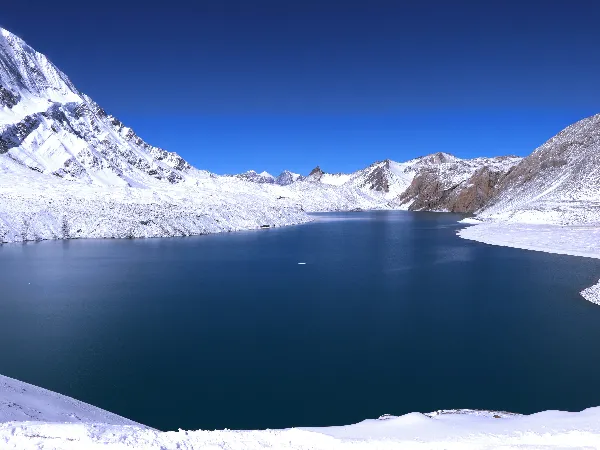
Trekking in Nepal offers some of the world's most spectacular mountain landscapes. Every year, thousands of people visit the Himalayas to explore famous trails such as Everest Base Camp, Annapurna Base Camp, and the Langtang Valley. While these adventures are generally safe when planned carefully, many trekkers wonder about one important question: What are the chances of an avalanche during trekking in Nepal?
The simple answer is that the risk is low for most trekkers who travel during the main trekking seasons and stay on established trails. However, avalanches can occur in certain mountain areas, especially after heavy snowfall, during winter, or on steep snow-covered slopes. Understanding when and where avalanche danger is highest can help you make informed decisions before your trek.
This guide explains how common avalanches are in Nepal, which trekking routes have higher exposure, the conditions that increase avalanche risk, and practical steps you can take to stay safe in the mountains.
Is Avalanche Risk Common While Trekking in Nepal?
Many people imagine that avalanches are a common danger throughout the Himalayas. In reality, that is not the case for most trekking routes.
Most visitors hike during Nepal's two main trekking seasons: spring (March to May) and autumn (September to November). These seasons usually have more stable weather, clearer skies, and safer trail conditions than winter or the monsoon. As a result, the overall chance of encountering an avalanche is relatively low.
That does not mean the risk is zero. Avalanches are natural events that can happen whenever snow becomes unstable. Some sections of popular trekking routes pass beneath steep mountain slopes where avalanches have occurred in the past. In these locations, weather conditions play a much bigger role than the popularity of the trail.
Experienced guides and local communities closely monitor snowfall and trail conditions during the trekking season. If avalanche danger increases, routes may be temporarily closed or adjusted to reduce the risk to trekkers.
The safest approach is to remember that avalanche risk changes from day to day. A trail that is safe one week may become hazardous after a major snowstorm. For this reason, checking recent weather conditions and listening to local advice are essential parts of planning a trek in Nepal.
How Common Are Avalanches in Nepal?
Avalanches occur every year somewhere in the Nepal Himalayas. Most happen in remote, high-altitude areas where deep snow collects on steep mountain slopes. Many of these avalanches never affect trekking trails because they occur far from places where people travel.
The likelihood of encountering an avalanche depends on several factors, including the season, recent snowfall, altitude, and the specific route you choose.
For example, lower-elevation trekking trails that remain mostly snow-free during spring and autumn have very little avalanche danger. On the other hand, high mountain passes, narrow valleys, and routes below steep snow-covered slopes may have a higher level of risk during certain times of the year.
It is also important to understand that avalanches are location-specific rather than region-wide. Even within the same trekking area, one section of the trail may be considered safe while another requires extra caution because of its terrain.
Past avalanche incidents in areas such as Langtang Valley and Annapurna Base Camp have shown that changing weather conditions can quickly increase the level of danger. These events remind trekkers that mountain environments are constantly changing and should never be underestimated.
For most visitors who trek during the recommended seasons, follow established routes, and travel with experienced guides when appropriate, the overall likelihood of being affected by an avalanche remains low.
When Is Avalanche Risk Highest During Trekking in Nepal?
Avalanche risk in Nepal is not the same throughout the year. It changes with the seasons, weather conditions, and the amount of snow in the mountains. Knowing when the risk is highest can help trekkers choose a safer time to visit.
In general, winter (December to February) has the highest avalanche danger. Heavy snowfall, freezing temperatures, and strong winds can create unstable layers of snow on steep mountain slopes. These layers may collapse naturally or when disturbed by people or animals.
The risk also increases immediately after a snowstorm. Fresh snow often does not bond well with older snow beneath it. Until the snowpack settles, the chance of an avalanche remains higher.
Spring, especially from March to May, is one of Nepal's most popular trekking seasons. Although conditions are generally safer than in winter, avalanches can still occur. Rising daytime temperatures may weaken the snowpack, particularly in the afternoon. This is one reason why many trekking groups start walking early in the morning and cross exposed sections before the weather becomes warmer.
During the summer monsoon season, from June to August, heavy rainfall is a greater concern than avalanches on most trekking routes. However, high mountain areas that continue to receive snowfall can still experience avalanches under certain conditions.
Autumn, from September to November, is widely considered the safest trekking season for most routes. The weather is usually stable, skies are clear, and snow levels are lower than during winter. Even so, early-season snowstorms at high elevations can temporarily increase avalanche danger.
Instead of relying only on the calendar, trekkers should always check the latest weather forecasts and local trail conditions before starting their journey.
Weather Conditions That Increase Avalanche Risk
Avalanches are usually triggered by a combination of snow and weather conditions rather than a single event. Understanding these factors helps trekkers recognize when extra caution is needed.
Fresh snowfall is one of the most common causes of unstable snow. When a large amount of snow falls in a short period, the new layer may not stick firmly to the older snow underneath.
Strong winds also increase avalanche danger. Wind can move snow from one area to another, creating thick deposits on mountain slopes. These wind-loaded slopes often become unstable even when the weather appears calm.
A rapid rise in temperature is another important warning sign. Warm weather causes snow to soften and lose strength, making it easier for large sections of snow to slide downhill.
Rain falling on existing snow can also weaken the snowpack. The added moisture reduces the bond between snow layers and may trigger wet snow avalanches.
Trekkers should pay close attention to changing weather conditions, especially after storms or during periods of unusual warmth.
Which Trekking Routes Have Higher Avalanche Risk?
Not every trekking route in Nepal has the same level of avalanche exposure. Some trails pass through narrow valleys, below steep cliffs, or across high mountain passes where snow naturally collects. Others stay at lower elevations and have very little avalanche danger during the main trekking seasons.
The table below gives a general comparison of avalanche exposure on some of Nepal's best-known trekking routes. Actual conditions can vary from year to year depending on snowfall and weather.
| Trekking Route | General Avalanche Exposure | Main Areas of Concern |
|---|---|---|
| Everest Base Camp | Low to Moderate | High-altitude sections after heavy snowfall |
| Annapurna Base Camp | Moderate | Between Deurali and Machhapuchhre Base Camp |
| Langtang Valley | Moderate to High | Narrow valley sections after snowstorms |
| Manaslu Circuit | Moderate | Larkya La Pass during snowy conditions |
| Annapurna Circuit | Moderate | Thorong La Pass in winter and after fresh snow |
| Ghorepani Poon Hill | Low | Minimal risk during normal trekking seasons |
| Mardi Himal | Low to Moderate | Upper ridge after heavy snowfall |
| Upper Mustang | Very Low | Dry climate with limited snowfall |
This comparison provides only a general overview. Avalanche conditions can change quickly because of weather, temperature, and recent snowfall.
Everest Base Camp Avalanche Risk
The Everest Base Camp Trek is one of Nepal's most popular trekking routes. Most sections of the trail have a relatively low avalanche risk during spring and autumn.
However, some higher sections pass beneath steep mountain slopes where avalanches have occurred in the past. Heavy snowfall or winter conditions can temporarily increase the level of danger.
Trekkers should always follow local advice, especially if weather conditions change suddenly.
Annapurna Base Camp Avalanche Risk
The Annapurna Base Camp Trek has a higher avalanche exposure than many other popular routes. One of the best-known avalanche-prone areas lies between Deurali and Machhapuchhre Base Camp.
This section follows a narrow valley surrounded by steep mountain walls where snow can accumulate during winter and after major storms.
For this reason, trekking agencies and local authorities sometimes delay or reroute groups when avalanche conditions become unsafe.
Langtang Valley Avalanche Risk
The Langtang Valley Trek passes through steep mountain terrain where avalanches have occurred during periods of heavy snowfall.
Although most treks are completed safely, the valley's geography makes it more vulnerable than some lower-altitude routes. Snowstorms, unstable weather, and deep winter snow can increase the level of risk.
Trekkers visiting Langtang should pay close attention to weather forecasts and local guidance before entering higher sections of the valley.
What Causes Avalanches in the Himalayas?
An avalanche begins when a layer of snow loses its grip on the slope and slides downhill. While this may sound simple, several natural processes usually combine to make the snow unstable.
One of the biggest factors is the way snow builds up over time. Every snowfall creates a new layer. If these layers do not bond well together, the snowpack becomes weaker.
The steepness of the mountain also matters. Most avalanches occur on slopes that are between 30 and 45 degrees. Slopes that are much flatter are less likely to produce large avalanches, while extremely steep slopes often shed snow before large amounts can build up.
Wind plays an important role as well. Strong mountain winds can carry snow from exposed ridges and deposit it on sheltered slopes. This creates thick snow slabs that may break away without warning.
Temperature changes also affect snow stability. A sudden warming period can weaken the bonds between snow layers, making avalanches more likely during the warmest part of the day.
Finally, natural events such as falling rocks, cornice collapses, or even small earthquakes can trigger an avalanche under the right conditions.
Although people can accidentally trigger avalanches while walking across unstable snow, most avalanches in Nepal occur because of natural weather and snow conditions.
Why Avalanche Risk Changes Every Day
One common misunderstanding is that a trekking route is either "safe" or "dangerous." In reality, avalanche conditions change from one day to the next.
A trail that is completely safe today may become hazardous tomorrow after a heavy snowstorm. Likewise, an area with recent avalanche activity may become much safer after several days of stable weather.
This is why experienced trekking guides monitor weather forecasts, snowfall reports, and local conditions throughout the journey instead of relying only on guidebooks or previous experience.
For trekkers, staying informed and remaining flexible is one of the most effective ways to reduce avalanche risk.
Who Is Most at Risk of Avalanches While Trekking in Nepal?
Although anyone in the mountains can be affected by an avalanche, some trekkers face a higher level of risk than others. The chance of encountering an avalanche depends more on where and when you trek than on your experience level.
Trekkers who travel during winter or immediately after heavy snowfall are generally at greater risk. Fresh snow often creates unstable layers that may not have settled yet. Walking across or below these slopes can increase the chance of being caught in an avalanche.
People attempting high mountain passes are also more exposed. Passes such as Thorong La and Larkya La reach elevations where snow remains for long periods. These areas may become hazardous when weather conditions change quickly.
Independent trekkers who are unfamiliar with mountain weather may have difficulty recognizing warning signs. Without local knowledge, they may unknowingly enter areas where avalanche danger has increased.
On the other hand, trekkers who follow established trails, monitor weather forecasts, and listen to local advice can greatly reduce their exposure to avalanche hazards.
It is important to remember that no one can completely eliminate avalanche risk. However, careful planning and informed decision-making make trekking much safer.
How to Reduce Avalanche Risk While Trekking in Nepal
Avalanches cannot be prevented, but trekkers can take several practical steps to lower their chances of being affected. Good preparation before the trek is just as important as making safe decisions on the trail.
One of the best ways to reduce risk is to choose the right season. Spring and autumn usually offer the most stable weather and the lowest avalanche danger on Nepal's popular trekking routes.
Before starting your trek, check the latest weather forecast and ask local guides or lodge owners about current trail conditions. They often have the most up-to-date information about snowfall and any recent avalanche activity.
If heavy snow has recently fallen, consider delaying your trek or changing your route until conditions improve. Waiting one or two days can sometimes make a significant difference as the snowpack becomes more stable.
Starting your day's walk early in the morning is another simple but effective safety measure. Snow is generally firmer during the cooler hours, while warmer afternoon temperatures can weaken snow-covered slopes.
Always stay on the established trail unless an experienced guide recommends an alternative route. Shortcuts across steep snowfields may seem faster, but they can expose you to unnecessary danger.
Traveling with a licensed guide can also improve safety, especially on high-altitude or less-traveled routes. Local guides understand the terrain and know how weather patterns affect different sections of the trail.
Finally, pay attention to your surroundings throughout the trek. Fresh avalanche debris, cracking snow, recent rockfalls, or loud "whumpf" sounds in the snow may indicate unstable conditions. If something does not seem right, turning back is often the safest decision.
Warning Signs of Possible Avalanche Danger
Mountains often provide clues when avalanche conditions are becoming more dangerous. Learning to recognize these warning signs can help trekkers make safer decisions.
One of the clearest signs is recent heavy snowfall. A large amount of new snow within a short period often creates unstable layers that have not yet settled.
Another warning sign is strong wind. Wind can move snow onto one side of a mountain, creating deep snowdrifts that may break away unexpectedly.
Rapid warming after a cold period is also important to watch for. As temperatures rise, snow loses strength and becomes more likely to slide.
Trekkers should also be cautious if they notice fresh avalanche paths or piles of snow that have recently crossed the trail. These signs suggest that conditions may still be unstable.
If local guides or park authorities advise against crossing a particular section of the trail, their recommendations should always be followed.
What Should You Do If an Avalanche Occurs?
Although avalanches are uncommon for most trekkers, knowing how to respond during an emergency can improve the chances of survival.
If you see an avalanche starting above you, try to move sideways out of its path as quickly as possible. Avalanches usually travel downhill, so moving across the slope may help you escape.
If escape is not possible, try to release heavy equipment such as your backpack if it prevents you from moving freely. Protect your head with your arms and attempt to stay near the surface by making swimming-like movements as the snow moves around you.
As the avalanche begins to slow, place your hands in front of your face to create a small air pocket. This space may help you breathe if you become buried.
Once the snow stops moving, avoid wasting energy unless you know you are close to the surface. Rescue teams and companions should begin searching immediately because survival chances decrease the longer a person remains buried.
The best way to survive an avalanche is to avoid being caught in one. Careful route planning and good decision-making remain the most effective forms of protection.
Common Myths About Avalanches
Many people misunderstand how avalanches occur. Separating myths from facts helps trekkers make better decisions in the mountains.
Avalanches happen only in winter.
This is not true. While winter has the highest risk, avalanches can also occur during spring if temperatures rise or after fresh snowfall.
Popular trekking routes are completely safe.
Popular trails reduce some risks because they are well maintained and frequently traveled. However, weather conditions can still create avalanche hazards on certain sections.
Small avalanches are harmless.
Even a relatively small avalanche can knock a person off a steep trail, push them into rocks, or bury them under snow.
Experience alone prevents avalanches.
Even experienced mountaineers cannot stop natural avalanches. Good judgment, current weather information, and safe route choices are far more important than experience alone.
Conclusion
Avalanches are a natural part of Nepal's high mountain environment, but they are not a common danger for most trekkers. The majority of visitors complete their treks safely each year by traveling during the main trekking seasons, staying on established routes, and following local guidance.
Whether you are planning your first trek or returning to explore another Himalayan trail, understanding avalanche risk is an important part of responsible trekking. By respecting the mountains and staying informed, you can enjoy Nepal's remarkable landscapes while making safety your highest priority.
FAQs
How likely is an avalanche during trekking in Nepal?
For most trekkers visiting during spring or autumn, the likelihood of encountering an avalanche is low. The risk increases during winter, after heavy snowfall, and on high-altitude routes with steep snow-covered slopes.
Which trekking route has the highest avalanche risk?
Routes such as Annapurna Base Camp, Langtang Valley, Manaslu Circuit, and sections of the Annapurna Circuit have higher avalanche exposure than lower-elevation treks. However, risk depends on current weather and snow conditions rather than the route alone.
Is Everest Base Camp safe from avalanches?
Most of the Everest Base Camp Trek has a relatively low avalanche risk during the main trekking seasons. Some higher sections pass below steep slopes, so trekkers should always follow local advice and weather updates.
What season is safest for trekking in Nepal?
Spring (March to May) and autumn (September to November) are generally considered the safest trekking seasons because they usually offer more stable weather and lower avalanche danger.
Should beginners worry about avalanches?
Most beginners trekking on popular routes during the recommended seasons have a low chance of encountering an avalanche. Choosing a suitable route, trekking with a guide when needed, and staying informed about weather conditions can further reduce the risk.
Do I need avalanche safety equipment?
Standard trekking routes in Nepal generally do not require avalanche transceivers, probes, or shovels. These tools are more commonly used for winter mountaineering, ski touring, or technical alpine expeditions.