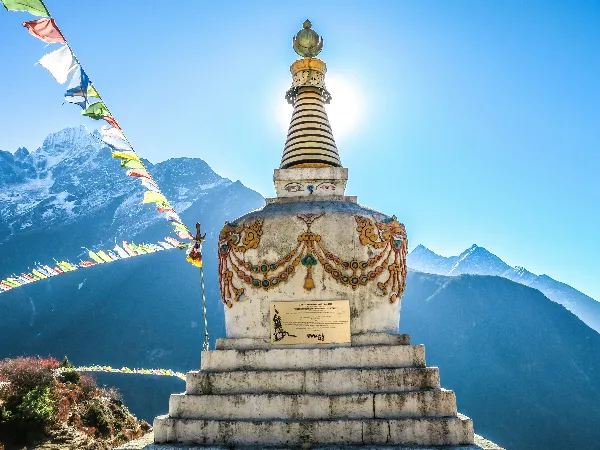
Planning a trek in Nepal is one of the most exciting parts of any Himalayan adventure. From the snow-covered peaks of the Everest region to the lush forests of Annapurna and the remote valleys of Manaslu, Nepal offers incredible trekking experiences throughout the year. Yet one factor influences every journey more than any other—the weather.
Understanding Nepal's trekking weather helps you choose the right season, pack appropriate gear, prepare for changing mountain conditions, and enjoy safer, more rewarding days on the trail. Weather in the Himalayas can change quickly, especially at higher elevations, so knowing what to expect is essential whether you are trekking for the first time or returning to explore a new region.
This guide explains Nepal's trekking weather in a simple, practical way. You'll discover how each season affects visibility, temperatures, trail conditions, mountain views, and trekking difficulty. We'll also explore the best months for popular regions such as Everest, Annapurna, Langtang, Manaslu, Upper Mustang, and Dolpo, helping you choose the ideal time for your adventure.
Whether your goal is reaching Everest Base Camp, crossing Larkya La Pass, standing beneath Annapurna I, or enjoying a peaceful hike through Langtang Valley, this guide will help you plan with confidence.
What is the best trekking weather in Nepal?
The best trekking weather in Nepal occurs during spring (March to May) and autumn (late September to November). These seasons provide clear skies, stable temperatures, excellent mountain visibility, dry trails, and ideal conditions for popular treks such as Everest Base Camp, Annapurna Circuit, Manaslu Circuit, and Langtang Valley. While winter offers peaceful lower-altitude trekking and summer is best for rain-shadow regions like Upper Mustang, spring and autumn remain the most popular seasons for Himalayan adventures.
Why Nepal's Weather Matters More Than You Think
Unlike many trekking destinations around the world, Nepal's landscape rises dramatically from around 60 meters above sea level to Mount Everest at 8,848.86 meters. This incredible elevation change creates many different climate zones within a relatively small country.
You may begin your trek wearing a light hiking shirt in a warm valley and finish the day wearing a down jacket as temperatures drop below freezing.
Mountain weather affects:
- Trail safety
- River crossings
- Snow conditions
- High mountain passes
- Visibility
- Flight schedules
- Wildlife activity
- Accommodation availability
- Trekking difficulty
Choosing the right season can mean the difference between breathtaking panoramic views and days of thick cloud or heavy rain.
Understanding Nepal's Four Trekking Seasons
Although Nepal experiences four distinct seasons, each offers a unique trekking experience. The best season depends on your destination, fitness level, and travel preferences.
Spring (March to May)
Spring is one of Nepal's most colourful and enjoyable trekking seasons.
As winter snow gradually melts, forests burst into life with vibrant rhododendron blooms, alpine flowers, and fresh greenery. Days become warmer, making long trekking days comfortable without excessive heat.
Mountain visibility is generally excellent, particularly in March and early April, while May becomes slightly hazier due to increasing humidity.
Average Conditions
- Daytime: 10°C–22°C
- Higher elevations: -8°C to 5°C
- Stable weather
- Moderate crowds
- Long daylight hours
Best For
- Everest Base Camp
- Annapurna Base Camp
- Annapurna Circuit
- Langtang Valley
- Manaslu Circuit
- Mardi Himal
- Gokyo Lakes
Why Spring Is Popular
Many climbers attempt Mount Everest during spring, creating an exciting atmosphere throughout the Khumbu region. Wildlife also becomes more active, making this a rewarding season for photographers and nature lovers.
Summer & Monsoon (June to August)
Summer brings Nepal's annual monsoon, with heavy rainfall affecting much of the country.
Rain usually falls during afternoons and evenings, while mornings may remain surprisingly clear.
Trails become muddy, rivers swell, and frequent cloud cover reduces mountain visibility. Leeches are common in lower forested areas.
However, not every trekking region experiences heavy rain.
The northern rain-shadow regions—including Upper Mustang, Upper Dolpo, and parts of Nar Phu Valley—remain relatively dry and become some of Nepal's best trekking destinations during this season.
Average Conditions
- Valley temperatures: 20°C–30°C
- High mountains: 5°C–15°C
- Frequent afternoon rain
- Lush landscapes
- Fewer trekkers
Best For
- Upper Mustang
- Upper Dolpo
- Nar Phu Valley
- Photography of green landscapes
- Budget trekking
Autumn (September to November)
Autumn is widely regarded as Nepal's finest trekking season.
Following the monsoon, dust and pollution settle, revealing exceptionally clear Himalayan panoramas.
The air feels crisp, humidity is low, and temperatures remain comfortable throughout most trekking regions.
This season also coincides with Nepal's major festivals, allowing trekkers to experience local traditions alongside breathtaking mountain scenery.
Average Conditions
- Daytime: 12°C–20°C
- High elevations: -10°C to 5°C
- Minimal rainfall
- Outstanding visibility
- Stable mountain weather
Best For
- Everest Base Camp
- Annapurna Circuit
- Annapurna Base Camp
- Manaslu Circuit
- Langtang Valley
- Kanchenjunga
- Makalu Base Camp
Advantages
- Clear skies
- Spectacular sunrises
- Comfortable trekking temperatures
- Reliable flights
- Dry trails
- Best mountain photography
Because of these ideal conditions, autumn is also the busiest trekking season. Booking guides, accommodations, and domestic flights well in advance is recommended.
Winter (December to February)
Winter transforms Nepal into a peaceful trekking destination.
Snow covers higher mountain landscapes, creating dramatic scenery and quieter trails. While high passes may occasionally close due to heavy snowfall, many lower-altitude treks remain accessible and beautiful.
Cold mornings often reward trekkers with exceptionally clear skies.
Average Conditions
- Lower elevations: 5°C–15°C
- High elevations: -15°C or lower
- Dry weather
- Clear visibility
- Limited crowds
Best For
- Ghorepani Poon Hill
- Mardi Himal
- Lower Annapurna
- Langtang (with preparation)
- Helambu
- Kathmandu Valley hiking
Winter is ideal for travelers seeking solitude, lower accommodation prices, and peaceful trekking experiences.
Nepal Trekking Weather by Month
| Month | Weather | Trekking Quality |
|---|---|---|
| January | Cold and dry | Good for lower-altitude treks |
| February | Cold with improving temperatures | Good |
| March | Warm, clear, blooming forests | Excellent |
| April | Stable, colourful landscapes | Excellent |
| May | Warm with occasional haze | Very Good |
| June | Beginning of monsoon | Fair |
| July | Heavy rainfall | Limited (except rain-shadow regions) |
| August | Continued monsoon | Limited |
| September | Rain ends, improving visibility | Excellent (late month) |
| October | Clear skies and stable weather | Outstanding |
| November | Crisp air and mountain views | Outstanding |
| December | Cold but sunny | Very Good |
How Altitude Changes the Weather
One of the most important things to understand about trekking in Nepal is that weather changes dramatically with altitude.
For every 1,000 meters of elevation gain, temperatures generally decrease by about 6°C. A sunny morning in a village at 1,500 meters can quickly turn into freezing conditions above 4,000 meters.
Higher elevations also experience:
- Stronger winds
- Lower oxygen levels
- Greater UV exposure
- Rapid weather changes
- Increased chances of snowfall
- Colder nights, even in spring and autumn
This is why layered clothing, proper acclimatization, and flexible itineraries are essential for safe and enjoyable trekking.
Choosing the Best Season Based on Your Travel Style
Not every trekker has the same priorities. The ideal season depends on what you want from your Himalayan experience.
- For the clearest mountain views: October and November are the top choices.
- For colorful landscapes and blooming forests: March and April are ideal.
- For fewer crowds and peaceful trails: December, February, or the rain-shadow regions during summer offer excellent alternatives.
- For photography: Autumn provides crisp visibility, while spring offers vibrant natural colors.
- For experienced trekkers seeking remote adventures: Summer is surprisingly rewarding in Upper Mustang and Upper Dolpo.
By matching the season to your goals, you can enjoy a safer trek, better scenery, and a more memorable journey.
Weather Across Nepal's Major Trekking Regions
Although Nepal is a relatively small country, its trekking regions experience noticeably different weather patterns. Elevation, geography, and proximity to the Himalayas all influence local conditions. Understanding these differences helps you choose the best destination for your preferred travel season.
Everest Region Weather
The Everest region is one of Nepal's highest trekking destinations, with most popular routes reaching above 5,000 meters. Weather changes quickly, and temperatures become significantly colder as you gain altitude.
Best Time to Visit
- Late March to May
- Late September to November
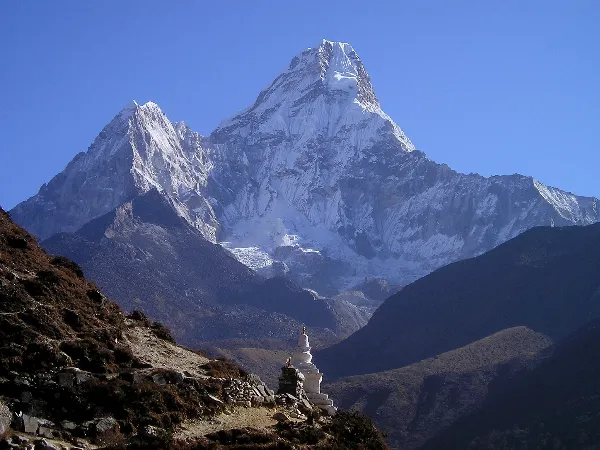
During these months, trekkers enjoy stable conditions, excellent visibility, and comfortable daytime temperatures. Clear mornings often reveal unforgettable views of Mount Everest, Lhotse, Ama Dablam, and Nuptse.
Winter trekking is possible but requires experience, as temperatures can fall below -20°C at higher elevations. Summer brings cloud cover and occasional flight delays to Lukla due to rain and poor visibility.
Average Trekking Conditions
| Season | Temperature | Visibility | Trekking Conditions |
|---|---|---|---|
| Spring | Mild to Cold | Excellent | Outstanding |
| Summer | Mild | Limited | Wet Trails |
| Autumn | Cool | Exceptional | Best Overall |
| Winter | Very Cold | Excellent | Challenging |
Annapurna Region Weather
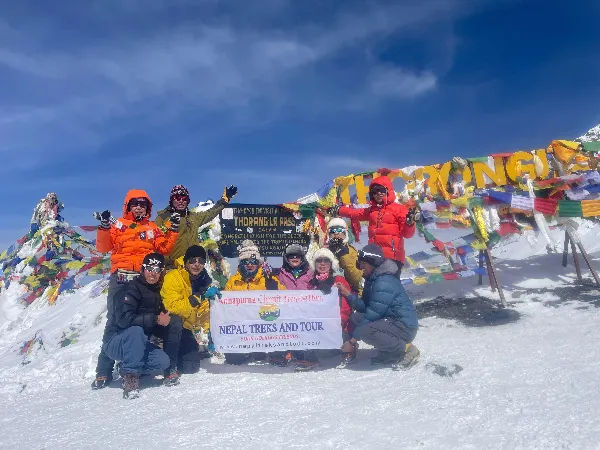
The Annapurna region offers one of Nepal's most diverse trekking climates. Lower villages remain relatively warm while high passes such as Thorong La experience alpine conditions.
Spring transforms the forests into a colorful landscape filled with rhododendrons, while autumn offers crystal-clear mountain views and comfortable hiking temperatures.
Because of its varied elevations, Annapurna is suitable for trekking almost year-round, depending on the route.
Best Months
- March
- April
- October
- November
Manaslu Circuit Weather
The Manaslu Circuit passes through remote valleys before crossing Larkya La Pass (5,106 m), where weather plays a critical role.
Snowfall during winter and early spring can occasionally delay crossings, while monsoon rains affect lower sections of the trail.
Autumn remains the safest and most reliable season for completing the circuit.
Highlights
✔ Stable weather
✔ Dry trails
✔ Clear Himalayan scenery
✔ Comfortable daytime temperatures
Langtang Valley Weather
Langtang experiences similar seasonal patterns to Annapurna but usually attracts fewer trekkers.
Spring offers blooming forests and active wildlife, while autumn provides outstanding mountain visibility.
Winter trekking is increasingly popular for experienced hikers seeking peaceful trails and snow-covered landscapes.
Upper Mustang Weather
Unlike much of Nepal, Upper Mustang lies within the Himalayan rain shadow.
This unique geography protects it from heavy monsoon rainfall, making it one of the country's best trekking destinations during July and August.
Best Months
- May
- June
- July
- August
- September
The landscape resembles the Tibetan Plateau, with dramatic cliffs, ancient caves, and centuries-old monasteries.
Upper Dolpo Weather
Upper Dolpo also benefits from rain-shadow conditions.
Its remote location offers spectacular trekking throughout the summer months while many other regions receive heavy rainfall.
Because access is more challenging, good weather planning is especially important.
Best Season for Every Popular Trek
| Trek | Best Season |
|---|---|
| Everest Base Camp | March–May, October–November |
| Annapurna Base Camp | March–May, September–November |
| Annapurna Circuit | March–May, October |
| Manaslu Circuit | October–November |
| Langtang Valley | March–May, October–November |
| Mardi Himal | March–April, October |
| Ghorepani Poon Hill | All Year (except peak monsoon) |
| Upper Mustang | May–September |
| Upper Dolpo | June–September |
| Kanchenjunga | April–May, October |
| Makalu Base Camp | April–May, October |
What Should You Pack for Different Trekking Seasons?
Packing wisely is just as important as choosing the right trekking season. Mountain weather can shift rapidly, so versatile, layered clothing is essential.
Spring & Autumn
These are Nepal's most comfortable trekking seasons, but mornings and evenings can still be cold at higher elevations.
Recommended gear:
- Moisture-wicking base layers
- Lightweight fleece
- Down jacket
- Waterproof shell jacket
- Trekking trousers
- Warm hat and gloves
- UV-protection sunglasses
- Sunscreen (SPF 50+)
Summer & Monsoon
Rain protection becomes your highest priority.
Pack:
- Waterproof jacket and trousers
- Backpack rain cover
- Quick-drying clothing
- Waterproof trekking boots
- Extra socks
- Gaiters
- Insect repellent
- Water purification tablets
Winter
Cold-weather equipment is essential, especially above 3,500 meters.
Bring:
- Heavy down jacket
- Thermal base layers
- Insulated gloves
- Warm beanie
- Neck gaiter
- Four-season sleeping bag
- Microspikes (if required)
- High-quality insulated boots
Weather Safety Tips Every Trekker Should Know
The Himalayas are beautiful, but mountain weather demands respect. Good preparation reduces risk and makes your trek more enjoyable.
Keep these safety tips in mind:
- Check the local forecast before setting out each day.
- Begin walking early to avoid afternoon clouds or storms.
- Carry waterproof layers, even in autumn.
- Stay hydrated, as dry mountain air increases fluid loss.
- Allow extra days for acclimatization on high-altitude routes.
- Never ignore signs of altitude sickness.
- Be prepared for sudden temperature drops.
- Listen to your guide if weather conditions change.
A flexible itinerary is one of the best investments you can make. Weather delays, especially flights to Lukla, are common and should be factored into your travel plans.
Does Climate Change Affect Trekking Weather?
Yes. The Himalayan climate is becoming less predictable.
Trekkers and guides have observed:
- More irregular snowfall
- Warmer winters
- Earlier snowmelt
- Stronger rainfall during monsoon
- Changing glacier conditions
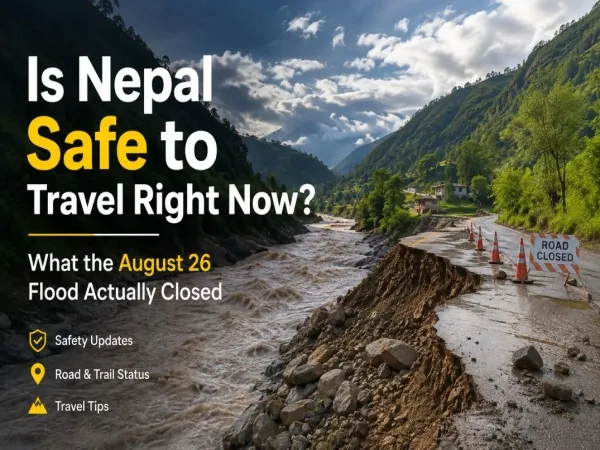
- Increased risk of landslides after heavy rain
These changes highlight the importance of traveling with experienced local guides who understand current trail conditions and can adapt itineraries when necessary.
Responsible trekking also helps protect Nepal's fragile mountain environment for future generations.
Expert Planning Tips
A successful trek is about more than choosing the right route—it’s about choosing the right time.
When planning your adventure:
- Match the season to your trekking goals.
- Book flights and accommodations early for autumn.
- Include one or two buffer days for weather delays.
- Train before your trek to improve endurance.
- Travel with a licensed local trekking company for expert guidance and safety.
- Pack layers instead of bulky clothing.
- Stay flexible, as mountain weather can change quickly.
Final Thoughts
Nepal offers exceptional trekking opportunities in every season, but each time of year reveals a different side of the Himalayas. Spring fills the hillsides with vibrant blooms, autumn delivers world-class mountain views, winter rewards those seeking peaceful trails, and the monsoon opens the door to remarkable adventures in the rain-shadow regions.
Rather than asking, "What is the best season?" consider asking, "Which season best matches the experience I want?" Whether you dream of standing beneath Everest, crossing the dramatic Larkya La Pass, exploring the Annapurna Sanctuary, or discovering the hidden valleys of Upper Mustang, understanding Nepal's weather will help you make informed decisions and enjoy a safer, more rewarding journey
FAQs
What is the best time to trek in Nepal?
The best time to trek in Nepal is during spring (March to May) and autumn (late September to November). These seasons offer stable weather, clear mountain views, comfortable daytime temperatures, and dry trails. Autumn is ideal for panoramic Himalayan scenery, while spring is known for blooming rhododendron forests and warmer trekking conditions.
Which month has the clearest mountain views in Nepal?
October is widely regarded as the month with the clearest mountain views in Nepal. After the monsoon, dust and humidity settle, creating exceptional visibility across the Himalayas. November also offers crisp air, stable weather, and spectacular sunrise and sunset views, making both months perfect for photography and high-altitude trekking.
Can you trek in Nepal during the monsoon season?
Yes, trekking in Nepal during the monsoon is possible, especially in Upper Mustang, Upper Dolpo, and Nar Phu Valley. These regions lie in the Himalayan rain shadow and receive much less rainfall than other trekking areas. Lower-elevation trails in the Everest and Annapurna regions can become muddy, slippery, and prone to leeches during this season.
How cold does it get while trekking in Nepal?
Temperatures depend on the season and altitude. Lower trekking areas usually range from 10°C to 25°C, while higher elevations above 4,000 meters often experience temperatures between -10°C and -20°C at night during spring, autumn, and winter. Proper layering and cold-weather gear are essential for staying comfortable and safe.
Which season is best for first-time trekkers in Nepal?
Spring and autumn are the best seasons for first-time trekkers. These months offer reliable weather, moderate temperatures, dry trails, and excellent visibility. Stable conditions reduce trekking challenges and allow beginners to enjoy Nepal's mountain scenery with greater comfort and confidence.
Does weather affect altitude sickness in Nepal?
Weather does not directly cause altitude sickness, but cold temperatures, dehydration, rapid weather changes, and climbing too quickly can increase the risk. Proper acclimatization, staying hydrated, ascending gradually, and following your guide's advice are the best ways to prevent altitude-related illnesses during your trek.
Which trekking region has the best weather during summer?
Upper Mustang and Upper Dolpo offer the best trekking weather during Nepal's summer monsoon. Located north of the Himalayan range, these regions remain relatively dry while much of the country experiences heavy rainfall. Their unique landscapes and stable summer conditions make them excellent alternatives during July and August.
How quickly can weather change in the Himalayas?
Mountain weather in Nepal can change within minutes, particularly above 3,500 meters. A clear morning may quickly turn into cloud cover, snowfall, or strong winds later in the day. Starting early, carrying waterproof clothing, and maintaining a flexible itinerary help trekkers adapt to changing mountain conditions safely.
Is winter a good time for trekking in Nepal?
Winter is an excellent time for lower-altitude treks such as Ghorepani Poon Hill, Mardi Himal, and Helambu. The trails are quieter, skies are often crystal clear, and accommodations are less crowded. However, higher mountain passes may receive heavy snowfall, requiring additional preparation and experience.
What should I pack for Nepal's changing trekking weather?
Pack layered clothing that can adapt to changing temperatures. Essential items include moisture-wicking base layers, a fleece jacket, an insulated down jacket, a waterproof shell, trekking boots, warm gloves, a hat, sunglasses, sunscreen, and a rain cover for your backpack. Layering allows you to adjust comfortably as weather conditions change throughout the day.
Which weather forecast is most reliable for trekking in Nepal?
No forecast is completely accurate in the Himalayas, but combining official weather reports with local guide updates provides the most reliable information. Experienced trekking guides monitor changing mountain conditions daily and can adjust routes or schedules when necessary to improve safety.
Does climate change affect trekking conditions in Nepal?
Yes. Climate change is making Himalayan weather more unpredictable. Trekkers may encounter irregular snowfall, warmer winters, intense rainfall, changing glacier conditions, and an increased risk of landslides in some regions. Planning with experienced local guides and allowing flexible travel days has become increasingly important.
How can I choose the best trekking season for my adventure?
The best trekking season depends on your travel goals. Choose autumn for the clearest mountain views, spring for blooming landscapes and mild temperatures, winter for peaceful trails and fewer crowds, or summer for exploring rain-shadow regions like Upper Mustang and Upper Dolpo. Matching the season to your preferred experience ensures a safer and more enjoyable trek.