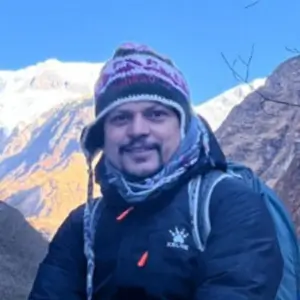
The Annapurna Circuit Trek is one of Nepal's classic long-distance trekking adventures. This guide has been created to help trekkers understand the real challenges of the route through practical planning advice, realistic expectations, and up-to-date trekking information. Every trekker experiences the trail differently, but careful preparation, gradual acclimatization, and respect for the mountains remain the foundations of a safe and rewarding journey.

Annapurna Circuit Trek Difficulty: Is It Hard for Beginners?
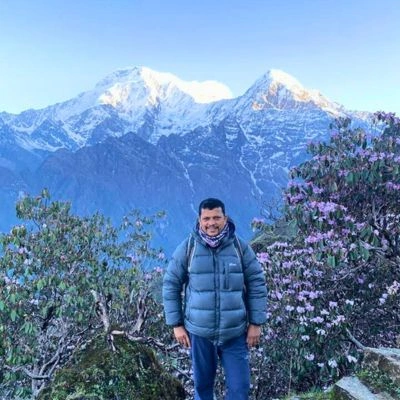
The Annapurna Circuit Trek is considered moderately difficult to challenging. The trek does not require any technical climbing or mountaineering skills, but it does demand good physical fitness, mental determination, and proper acclimatization. The biggest challenge is crossing Thorong La Pass (5,416 m / 17,769 ft), one of the highest trekking passes in the world.
Most trekkers walk between 5 and 8 hours every day across mountain trails, river valleys, alpine forests, and high Himalayan landscapes. The combination of altitude, long trekking days, steep ascents, and unpredictable weather makes the Annapurna Circuit one of Nepal's most rewarding trekking adventures.
The good news is that thousands of beginners successfully complete the Annapurna Circuit every year. With proper preparation, enough acclimatization, and a realistic itinerary, the trek is achievable for anyone with a moderate level of fitness.
Why Read This Guide?
If you are wondering whether the Annapurna Circuit Trek is too difficult, you are not alone. It is one of the most common questions asked by first-time trekkers planning a trip to Nepal.
This guide explains everything you need to know about the difficulty of the Annapurna Circuit Trek. You will learn what makes the trek challenging, how difficult Thorong La Pass really is, the fitness level you need, how altitude affects your body, and practical tips to make your trek safer and more enjoyable.
Whether you are planning an 11-day Annapurna Circuit Trek or a longer classic itinerary, this guide will help you prepare with confidence.
Annapurna Circuit Trek Difficulty at a Glance
Before looking at each challenge in detail, here is a quick overview of what to expect.
|
Trek Information |
Details |
|
Overall Difficulty |
Moderate to Challenging |
|
Suitable For |
Beginners with preparation and experienced trekkers |
|
Trek Duration |
11–18 Days |
|
Total Trek Distance |
Approximately 160–230 km |
|
Daily Walking Distance |
8–20 km |
|
Daily Walking Time |
5–8 Hours |
|
Highest Point |
Thorong La Pass (5,416 m / 17,769 ft) |
|
Technical Climbing |
None |
|
Maximum Sleeping Altitude |
Thorong Phedi (4,540 m) or High Camp (4,880 m) |
|
Fitness Level |
Moderate to Good |
|
Altitude Risk |
High above 3,500 m |
|
Best Seasons |
Spring and Autumn |
From the table above, you can see that the trek is physically demanding rather than technically difficult. Most healthy people can complete it with good preparation and enough time to adjust to the altitude.
What Makes the Annapurna Circuit Trek Difficult?
Many people think the Annapurna Circuit is difficult because of one reason alone. In reality, several factors combine to create the challenge.
The chart shows that high altitude and Thorong La Pass are the two biggest challenges. Technical climbing is not a concern because the Annapurna Circuit follows established trekking trails rather than climbing routes.
The main challenges include:
- Walking for several consecutive days.
- Gradually gaining altitude.
- Crossing Thorong La Pass at over 5,400 meters.
- Hiking on rocky mountain trails.
- Coping with changing Himalayan weather.
- Recovering each night before another full day of trekking.
These challenges become much easier when you follow a well-planned itinerary with proper acclimatization.
Is the Annapurna Circuit Trek Difficult?
Yes, but it is a manageable challenge.
The Annapurna Circuit is not the hardest trek in Nepal, but it is more demanding than many shorter trekking routes. Unlike day hikes, this journey requires consistent effort for nearly two weeks. Your body must adapt to increasing altitude while continuing to hike every day.
Fortunately, the trail has comfortable tea houses, well-marked paths, and experienced local guides who support trekkers throughout the journey. This makes the Annapurna Circuit much more accessible than technical mountaineering expeditions.
The key to success is not speed. It is patience, preparation, and walking at a steady pace.
Trail Statistics and Difficulty
The statistics below give a better understanding of what you can expect each day.
|
Category |
Average |
|
Trek Length |
11–18 Days |
|
Daily Walking |
5–8 Hours |
|
Daily Distance |
12–16 km |
|
Longest Trekking Day |
16–18 km |
|
Hardest Day |
Thorong Phedi to Muktinath via Thorong La Pass |
|
Maximum Walking Time |
8–10 Hours |
|
Rest Days |
Usually 1 acclimatization day in Manang |
These numbers show why endurance is more important than speed. Walking comfortably for several days is much more valuable than being able to hike quickly for one day.
Difficulty by Trail Section
The Annapurna Circuit becomes more challenging as you gain elevation. The early stages are relatively easy, while the upper section requires greater endurance and careful acclimatization.
|
Trail Section |
Elevation |
Distance |
Walking Time |
Difficulty |
|
Besisahar → Chame |
760 m → 2,670 m |
Mostly by jeep on shorter itineraries |
1–2 Days |
Easy |
|
Chame → Upper Pisang |
2,670 m → 3,300 m |
15 km |
5–6 hrs |
Moderate |
|
Upper Pisang → Manang |
3,300 m → 3,540 m |
17 km |
6–7 hrs |
Moderate |
|
Manang Acclimatization |
3,540 m |
Short hike |
3–5 hrs |
Easy |
|
Manang → Yak Kharka |
3,540 m → 4,050 m |
10 km |
4–5 hrs |
Moderate |
|
Yak Kharka → Thorong Phedi |
4,050 m → 4,540 m |
7 km |
3–4 hrs |
Challenging |
|
Thorong Phedi → Thorong La → Muktinath |
4,540 m → 5,416 m → 3,760 m |
15–16 km |
8–10 hrs |
Very Challenging |
|
Muktinath → Jomsom |
3,760 m → 2,720 m |
20 km |
6–7 hrs |
Moderate |
As shown in the table, the difficulty gradually increases until you reach Thorong La Pass. After crossing the pass, the descent becomes easier on your lungs but can still be demanding on your knees.
Is the Annapurna Circuit Trek Suitable for Beginners?
Absolutely. Many first-time trekkers complete the Annapurna Circuit every year.
You do not need previous trekking experience or mountaineering skills. However, you should prepare by improving your fitness, choosing an itinerary with enough acclimatization days, and trekking at a comfortable pace.
Hiring an experienced local guide also improves safety, navigation, and your overall trekking experience.
The Annapurna Circuit rewards patience rather than speed. Those who walk slowly, stay hydrated, and listen to their bodies usually have the most enjoyable experience.
Why Is the Annapurna Circuit Trek Challenging?
The Annapurna Circuit Trek is more than a long mountain walk. It is a high-altitude adventure that tests your endurance, patience, and ability to adapt to changing conditions. Although the trail is well established and does not require technical climbing, several factors combine to make it one of Nepal's most challenging and rewarding treks.
The difficulty increases gradually as you climb from lush river valleys to the dry alpine landscapes of Manang before reaching the highest point of the trek, Thorong La Pass. Understanding these challenges before your trip allows you to prepare properly and enjoy the experience with greater confidence.
The Biggest Challenge: High Altitude
For most trekkers, altitude is the single biggest challenge on the Annapurna Circuit.
As you climb above 3,000 meters, the amount of oxygen in the air decreases. Although the percentage of oxygen remains the same, the lower air pressure means your body receives less oxygen with every breath. This causes even easy activities to feel more demanding.
Many trekkers first notice the effects of altitude around Manang (3,540 m). Walking uphill becomes slower, breathing becomes heavier, and you may need more frequent rest breaks.
By the time you reach Thorong La Pass at 5,416 meters, your body is working much harder than it would at sea level.
Altitude Profile of the Annapurna Circuit
|
Location |
Elevation |
Altitude Risk |
|
Besisahar |
760 m |
Very Low |
|
Chame |
2,670 m |
Low |
|
Upper Pisang |
3,300 m |
Moderate |
|
Manang |
3,540 m |
Moderate |
|
Yak Kharka |
4,050 m |
High |
|
Thorong Phedi |
4,540 m |
High |
|
High Camp |
4,880 m |
Very High |
|
Thorong La Pass |
5,416 m |
Extreme |
|
Muktinath |
3,760 m |
Moderate |
The gradual ascent is one of the reasons the Annapurna Circuit has a high success rate. A well-planned itinerary gives your body time to adjust before crossing the pass.
Thorong La Pass Difficulty
Crossing Thorong La Pass is the highlight of the Annapurna Circuit Trek. It is also the most physically demanding day of the journey.
The day usually begins between 3:00 AM and 5:00 AM. Trekkers start early because weather conditions are generally calmer in the morning. Strong afternoon winds and cloud build-up can make the crossing more difficult later in the day.
The climb from Thorong Phedi or High Camp is steady and slow. Every step feels harder because of the thinner air. Even experienced trekkers often stop regularly to catch their breath.
Once you reach the colorful prayer flags at the top of the pass, the sense of achievement is unforgettable. The panoramic views of the Annapurna and Dhaulagiri ranges make every step worthwhile.
Thorong La Pass Quick Facts
|
Information |
Details |
|
Highest Point |
5,416 m (17,769 ft) |
|
Highest Sleeping Point |
High Camp (4,880 m) |
|
Crossing Time |
4–6 Hours (Ascent) |
|
Total Trekking Time |
8–10 Hours |
|
Trail Type |
Rocky mountain path |
|
Technical Climbing |
None |
|
Main Challenges |
High altitude, cold, wind, long ascent and descent |
|
Best Start Time |
Before sunrise |
Although the pass is challenging, it is not dangerous when crossed in stable weather with proper acclimatization and guidance.
Daily Walking Distance and Endurance
The Annapurna Circuit is not difficult because of one long day. Instead, it challenges you with many consecutive days of hiking.
Most trekking days involve 12 to 16 kilometers of walking, although some days are shorter because of steep climbs.
Walking for several hours every day requires endurance rather than speed. Trekking slowly helps conserve energy and reduces the risk of altitude sickness.
Daily Trekking Statistics
|
Category |
Average |
|
Trek Duration |
11–18 Days |
|
Daily Distance |
12–16 km |
|
Longest Distance |
Around 20 km |
|
Average Walking Time |
5–8 Hours |
|
Hardest Day |
Thorong Phedi to Muktinath |
|
Longest Trekking Day |
8–10 Hours |
Many trekkers find that maintaining a comfortable pace is the key to completing the circuit successfully.
Trail Conditions and Terrain
The Annapurna Circuit offers incredible variety. Every day brings a different landscape and different trail conditions.
Lower sections pass through forests, rivers, suspension bridges, waterfalls, and traditional villages. As you climb higher, the landscape becomes drier, rockier, and more exposed.
Most trails are well maintained, but you should still expect uneven ground, loose stones, steep climbs, and long descents.
Trail Difficulty by Terrain
|
Terrain Type |
Difficulty |
Remarks |
|
Forest Trails |
Easy |
Smooth and shaded |
|
Stone Steps |
Moderate |
Can be tiring on long climbs |
|
Rocky Mountain Paths |
Moderate to Challenging |
Uneven footing |
|
Loose Gravel Sections |
Challenging |
Requires careful footing |
|
Snow-Covered Trail (Seasonal) |
Challenging |
Common near Thorong La in winter and early spring |
|
Suspension Bridges |
Easy |
Safe and well maintained |
Good trekking boots with ankle support greatly improve comfort and stability throughout the trek.
Weather Can Change Quickly
The Himalayas are known for unpredictable weather.
A clear morning can quickly become cloudy, windy, rainy, or snowy, especially at higher elevations.
Cold temperatures also increase as you gain altitude. Early mornings around Thorong Phedi and Thorong La are often below freezing during the trekking seasons.
Average Conditions by Elevation
|
Elevation |
Day Temperature |
Night Temperature |
|
Below 2,500 m |
15°C to 25°C |
5°C to 10°C |
|
2,500–3,500 m |
10°C to 18°C |
0°C to 5°C |
|
3,500–4,500 m |
2°C to 10°C |
-5°C to -10°C |
|
Above 5,000 m |
-5°C to 5°C |
-10°C to -20°C |
Layered clothing, waterproof gear, gloves, and a warm down jacket are essential for staying comfortable.
Annapurna Circuit Trek Fitness Requirements
You do not need to be an athlete to complete the Annapurna Circuit, but you should have a reasonable level of fitness.
The trek rewards endurance much more than speed.
If you can comfortably walk for several hours, climb hills, and stay active on consecutive days, you are already building the right foundation.
Recommended Fitness Level
|
Fitness Level |
Recommendation |
|
Excellent |
Trek comfortably |
|
Good |
Highly recommended |
|
Moderate |
Suitable with training |
|
Beginner |
Possible with preparation |
|
Poor Fitness |
Improve fitness before trekking |
A training plan of six to eight weeks before your trek can make a significant difference.
Good preparation should include:
- Regular walking or hiking
- Stair climbing
- Cycling or jogging
- Leg-strength exercises
- Core strengthening
- Practice hikes carrying a light backpack
- Understanding Altitude Sickness
Altitude sickness can affect anyone, regardless of age or fitness.
The risk increases once you climb above 3,000 meters, making proper acclimatization one of the most important parts of your trekking plan.
Common early symptoms include:
- Headache
- Loss of appetite
- Nausea
- Difficulty sleeping
- Dizziness
- Fatigue
Most mild symptoms improve after rest and hydration. However, worsening symptoms should never be ignored.
The safest approach is simple:
- Walk slowly.
- Drink plenty of water.
- Avoid alcohol.
- Follow your guide's advice.
- Never continue climbing if symptoms become severe.
The acclimatization day in Manang is one of the most important days of the entire trek. It allows your body to adapt before moving into higher elevations.
Expert Tips to Make the Trek Easier
Small decisions can make a big difference during your trek.
Walk at your own pace instead of trying to keep up with faster hikers. Eat regular meals even if your appetite decreases at altitude. Stay hydrated throughout the day, and start every morning with enough water.
Wear broken-in trekking boots rather than brand-new footwear, and carry only essential items in your daypack to reduce fatigue.
Finally, listen to your body. The Annapurna Circuit is not a race. Taking your time often leads to a safer, more enjoyable, and more memorable adventure.
Related guides to explore:
- Best Time for Annapurna Circuit Trek
- Annapurna Circuit Trek Itinerary
- Thorong La Pass Complete Guide
Can Beginners Complete the Annapurna Circuit Trek?
Yes, beginners can successfully complete the Annapurna Circuit Trek with the right preparation. Every year, thousands of first-time trekkers from around the world finish the trek without any previous high-altitude trekking experience.
The Annapurna Circuit is challenging because of its altitude and long walking days, not because it requires technical climbing. If you prepare physically, follow a proper itinerary, and allow enough time for acclimatization, you can complete the trek safely and enjoy one of Nepal's most spectacular mountain adventures.
Many experienced trekking guides agree that success depends more on patience than speed. Walking slowly, staying hydrated, eating well, and listening to your body are often more important than having exceptional athletic ability.
Who Should Choose the Annapurna Circuit Trek?
The Annapurna Circuit is an excellent choice for travelers looking for a rewarding Himalayan experience.
This trek is ideal if you:
- Enjoy hiking and outdoor adventures.
- Can comfortably walk for several hours.
- Want to experience different landscapes and cultures.
- Have enough time for proper acclimatization.
- Are willing to prepare before your trip.
The trek may not be the best choice if you have serious heart or lung conditions, recent major injuries, or difficulty walking for extended periods. In these cases, consult your doctor before planning a high-altitude trek.
How fit do you need to be for the Annapurna Circuit Trek?
Many people believe they need to be extremely fit before trekking in Nepal. In reality, you only need a good level of overall fitness and the ability to walk consistently for several days.
The Annapurna Circuit rewards endurance rather than speed.
Fitness Self-Assessment
Use the table below to evaluate your readiness.
|
Question |
Ready? |
|
Can you walk 10–15 km comfortably? |
✓ |
|
Can you climb stairs for 30–45 minutes? |
✓ |
|
Can you hike for 5–6 hours without major difficulty? |
✓ |
|
Do you exercise at least three times each week? |
✓ |
|
Are you comfortable carrying a light daypack? |
✓ |
If you answered "yes" to most of these questions, you are likely ready to begin preparing for the Annapurna Circuit Trek.
Recommended 8-Week Training Plan
Preparing before your trek will improve your endurance, reduce fatigue, and increase your confidence on the trail.
Weeks 1–2: Build Your Base
Focus on creating a regular exercise routine.
Activities include:
- Brisk walking
- Easy jogging
- Cycling
- Light stair climbing
Exercise for 30–45 minutes, four times each week.
Weeks 3–4: Increase Endurance
Begin adding longer walks and gentle hills.
Include:
- Weekend hikes
- Longer stair sessions
- Bodyweight squats
- Lunges
- Core exercises
Aim for 45–60 minutes of activity.
Weeks 5–6: Simulate Trekking
Your body should now become familiar with carrying weight.
Practice by:
- Hiking with a backpack
- Walking uphill
- Climbing stairs continuously
- Increasing hiking distance
Carry a backpack weighing 5–8 kg.
Weeks 7–8: Final Preparation
Focus on consistency instead of intensity.
Complete one long hike every week.
Continue:
- Cardio training
- Stretching
- Recovery walks
- Balance exercises
Avoid heavy training during the final week before your trek.
Physical Preparation Checklist
|
Activity |
Recommended |
|
Walking |
4–5 Days per Week |
|
Hill Walking |
Once Weekly |
|
Stair Climbing |
2–3 Times Weekly |
|
Strength Training |
Twice Weekly |
|
Stretching |
Daily |
|
Practice Hike with Backpack |
Weekly |
This simple routine prepares your body for the daily demands of the Annapurna Circuit without requiring expensive gym equipment.
How to Make the Annapurna Circuit Trek Easier
Although the trek is challenging, there are many ways to reduce its difficulty.
The first is choosing a realistic itinerary. Avoid rushing the trek to save one or two days. A slower itinerary gives your body more time to adjust to altitude and allows you to enjoy the scenery.
The second is maintaining a steady pace. Walk slowly enough that you can still hold a conversation while hiking. This helps conserve energy and improves acclimatization.
Finally, take care of your body throughout the trek. Eat enough food, drink plenty of water, sleep well, and wear proper trekking gear.
Common Mistakes That Make the Trek Harder
Many difficulties on the Annapurna Circuit are avoidable.
The most common mistake is ascending too quickly. Gaining altitude faster than your body can adapt increases the risk of altitude sickness.
Another mistake is carrying too much weight. A heavy backpack makes every uphill climb more tiring. Pack only the essentials and consider hiring a porter if needed.
Poor hydration is another frequent problem. Cold mountain temperatures often reduce your feeling of thirst, but your body still needs plenty of water.
Some trekkers also wear brand-new boots on the trail. This often leads to painful blisters that could have been avoided by breaking in footwear before the trek.
Common Challenges and Simple Solutions
|
Challenge |
Simple Solution |
|
Altitude |
Ascend gradually and acclimatize |
|
Fatigue |
Walk slowly and rest regularly |
|
Cold Weather |
Dress in layers |
|
Blisters |
Wear broken-in boots and quality socks |
|
Dehydration |
Drink 3–4 litres of water daily |
|
Heavy Backpack |
Pack light or hire a porter |
|
Muscle Soreness |
Stretch every evening |
|
Low Energy |
Eat regular, high-carbohydrate meals |
Annapurna Circuit Trek vs Everest Base Camp Difficulty
Many trekkers compare these two famous Himalayan adventures before deciding which one to choose.
Although both are challenging, they test your body in different ways.
|
Feature |
Annapurna Circuit |
Everest Base Camp |
|
Overall Difficulty |
Moderate to Challenging |
Moderate to Challenging |
|
Highest Point |
Thorong La Pass (5,416 m) |
Kala Patthar (5,545 m) |
|
Highest Sleeping Altitude |
4,880 m |
5,140 m |
|
Walking Days |
11–18 |
12–14 |
|
Long Mountain Pass |
Yes |
No |
|
Terrain Variety |
Excellent |
Moderate |
|
Cultural Diversity |
Very High |
High |
|
Technical Climbing |
None |
None |
If you enjoy diverse scenery, changing climates, and crossing one of the world's highest trekking passes, the Annapurna Circuit is an outstanding choice.
Annapurna Circuit vs Manaslu Circuit Difficulty
Another common comparison is between the Annapurna Circuit and the Manaslu Circuit.
|
Feature |
Annapurna Circuit |
Manaslu Circuit |
|
Difficulty |
Moderate to Challenging |
Challenging |
|
Trail Condition |
Better developed |
More remote |
|
Tea Houses |
More facilities |
Fewer facilities |
|
Crowds |
Moderate |
Lower |
|
Highest Pass |
Thorong La (5,416 m) |
Larkya La (5,106 m) |
|
Suitable for Beginners |
Yes |
Better for experienced trekkers |
The Manaslu Circuit is generally considered more remote and physically demanding, while the Annapurna Circuit offers better infrastructure and is often recommended for first-time high-altitude trekkers.
Expert Tips from Local Trek Leaders
Experienced trekking guides recommend the following habits for a safer and more enjoyable journey:
- Start walking early each morning.
- Maintain a slow, steady pace.
- Drink water regularly, even if you do not feel thirsty.
- Never ignore symptoms of altitude sickness.
- Eat enough carbohydrates to maintain energy.
- Keep your daypack light.
- Wear layers so you can adjust to changing temperatures.
- Follow your guide's instructions, especially at higher elevations.
These simple habits can make the difference between a difficult trek and an enjoyable adventure.
What Is the Success Rate of the Annapurna Circuit Trek?
The Annapurna Circuit has a very high completion rate when trekkers follow a sensible itinerary and prepare properly.
Most people who are in good health, train before their trip, and include an acclimatization day in Manang successfully cross Thorong La Pass.
The journey is demanding, but it is achievable. With preparation, patience, and respect for the mountains, the Annapurna Circuit Trek becomes one of the most rewarding trekking experiences in Nepal.
How the Difficulty Changes by Season
The difficulty of the Annapurna Circuit Trek changes throughout the year. While the trail remains the same, weather, temperature, visibility, snow conditions, and trail traffic can make the trek either easier or more demanding.
For most trekkers, spring (March to May) and autumn (September to November) offer the safest and most enjoyable trekking conditions.
Annapurna Circuit Trek Difficulty by Season
|
Season |
Difficulty |
Weather |
Trail Conditions |
Recommended |
|
Spring (March–May) |
Moderate |
Mild and stable |
Dry with some snow near Thorong La |
⭐⭐⭐⭐⭐ |
|
Summer/Monsoon (June–August) |
Challenging |
Warm, rainy, humid |
Slippery trails, leeches, landslides |
⭐⭐☆☆☆ |
|
Autumn (September–November) |
Moderate |
Clear skies and cool temperatures |
Excellent trail conditions |
⭐⭐⭐⭐⭐ |
|
Winter (December–February) |
Very Challenging |
Cold with heavy snowfall |
Snow and ice around Thorong La Pass |
⭐⭐⭐☆☆ |
Spring brings blooming rhododendron forests, comfortable temperatures, and beautiful mountain views. Autumn offers the clearest skies and the best visibility, making it the most popular season for trekking.
Winter can be spectacular but much colder. Heavy snowfall may temporarily close Thorong La Pass. During the monsoon season, rain, muddy trails, and occasional landslides increase the difficulty.
Difficulty by Month
|
Month |
Difficulty |
Trek Recommendation |
|
January |
Challenging |
Suitable for experienced trekkers |
|
February |
Challenging |
Cold but improving conditions |
|
March |
Moderate |
Excellent time to trek |
|
April |
Moderate |
One of the best months |
|
May |
Moderate |
Warm with good visibility |
|
June |
Challenging |
Beginning of monsoon |
|
July |
Very Challenging |
Heavy rainfall |
|
August |
Very Challenging |
Wet and humid conditions |
|
September |
Moderate |
Excellent after monsoon |
|
October |
Moderate |
Peak trekking season |
|
November |
Moderate |
Stable weather and clear views |
|
December |
Challenging |
Cold but generally stable |
Choosing the right season can significantly improve your trekking experience and reduce many of the challenges discussed throughout this guide.
Is the Annapurna Circuit Trek Worth the Challenge?
Absolutely, Although the Annapurna Circuit Trek requires physical effort, the rewards are unforgettable. Few trekking routes in the world offer such incredible diversity within a single journey.
You will walk through lush subtropical forests, deep river valleys, traditional Gurung and Thakali villages, alpine meadows, and high Himalayan deserts before crossing one of the world's highest trekking passes.
Every day presents new landscapes, cultures, and mountain views.
The effort required to reach Thorong La Pass makes the achievement even more memorable.
How Difficult Is the Annapurna Circuit Trek?
The Annapurna Circuit Trek is best described as moderately difficult to challenging.
It is not a technical expedition, and you do not need mountaineering skills. The real challenges are high altitude, long days of walking, changing weather, and crossing Thorong La Pass at 5,416 meters.
If you prepare well, train before your trip, follow a gradual itinerary, and give your body enough time to acclimatize, there is every reason to feel confident about completing the trek.
Thousands of trekkers from different ages and backgrounds complete the Annapurna Circuit every year. Most finish with unforgettable memories, new confidence, and a deep appreciation for the beauty of the Nepal Himalayas.
Preparation is the key to success.
Plan Your Annapurna Circuit Trek with Confidence
Choosing the right itinerary and preparing properly can make the difference between a difficult trek and an unforgettable adventure.
Before booking your trip, explore our detailed guides to learn more about the best trekking season, itinerary options, costs, permits, packing lists, and Thorong La Pass.
These resources will help you plan your Annapurna Circuit Trek with realistic expectations and greater confidence.
FAQs
Is the Annapurna Circuit Trek difficult?
Yes. The Annapurna Circuit Trek is considered moderately difficult to challenging because of its high altitude, long trekking days, and the crossing of Thorong La Pass. However, it is achievable for most healthy trekkers who prepare properly.
Can beginners complete the Annapurna Circuit Trek?
Yes. Beginners complete the Annapurna Circuit every year. A good level of fitness, proper acclimatization, and a realistic itinerary are more important than previous trekking experience.
What is the hardest day of the Annapurna Circuit Trek?
The most difficult day is crossing Thorong La Pass (5,416 m). This day includes a steep climb in thin air followed by a long descent to Muktinath.
How many hours do you walk each day?
Most trekkers walk between 5 and 8 hours daily, depending on the itinerary and trail conditions.
How fit should I be?
A moderate to good level of fitness is recommended. Regular walking, hiking, stair climbing, and cardio training for six to eight weeks before the trek will make the journey much more enjoyable.
Is altitude sickness common?
Altitude sickness can affect anyone above 3,000 meters. Following a proper acclimatization schedule, drinking enough water, and ascending gradually greatly reduce the risk.
Do I need a guide?
Hiring a licensed guide is strongly recommended. A guide helps with navigation, monitors your health, shares local knowledge, and enhances your overall trekking experience. Current trekking regulations in Nepal may also require a licensed guide depending on the route and prevailing rules.
Is the Annapurna Circuit harder than Everest Base Camp?
Both are challenging. Everest Base Camp reaches a higher sleeping altitude, while the Annapurna Circuit involves a longer route and the demanding crossing of Thorong La Pass. Neither trek is universally harder; the experience depends on your fitness, acclimatization, and chosen itinerary.
What is the best time for the Annapurna Circuit Trek?
The best months are March, April, May, September, October, and November, when weather conditions are generally stable and mountain views are at their best.
Can I complete the Annapurna Circuit in 11 days?
Yes. Modern road access makes an 11-day itinerary possible. However, your itinerary should still include enough time for acclimatization, especially before crossing Thorong La Pass.
Need Help? Call Us
Need Help? Call Us+9779851013072