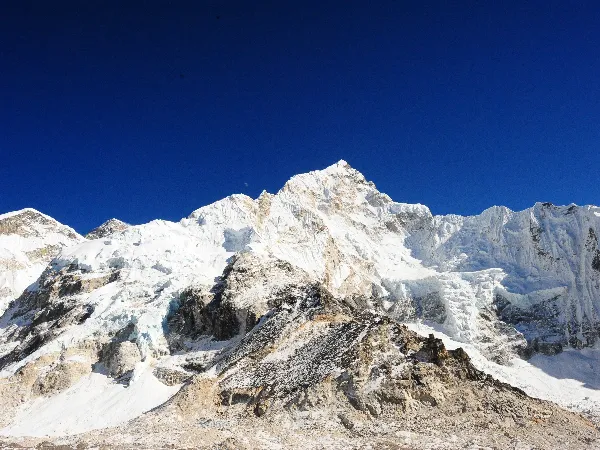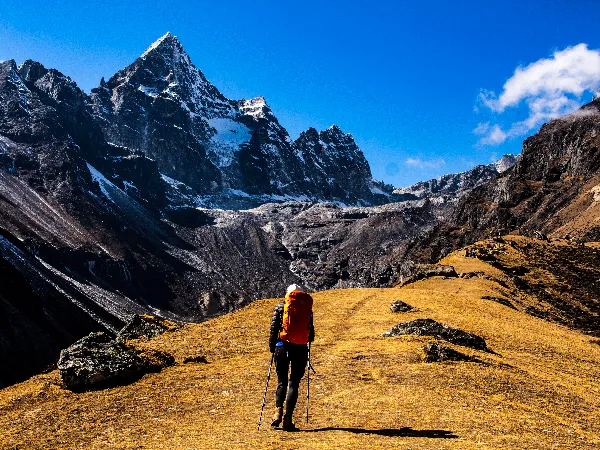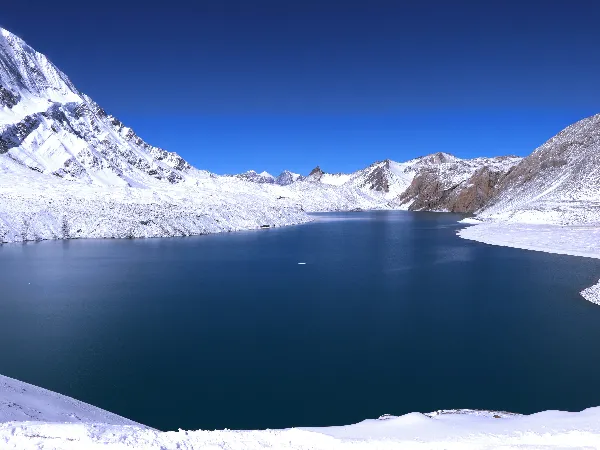
The Annapurna Circuit Trek is one of the most iconic trekking adventures in the world, offering a dramatic journey through changing landscapes, ancient mountain villages, and high Himalayan passes. This 11-day itinerary takes you from lush green valleys to the rugged high-altitude desert of Mustang, crossing the legendary Thorong La Pass at 5416 meters.
Unlike any other trek in Nepal, the Annapurna Circuit gives you a complete Himalayan experience in a single journey. You will walk through deep river valleys, traditional Tibetan-influenced settlements, alpine forests, and breathtaking viewpoints of Annapurna, Dhaulagiri, and Manaslu ranges.
This detailed Annapurna Circuit Trek itinerary is designed to help you understand every stage of the journey, including daily walking hours, altitude gain, acclimatization points, difficulty level, cost insights, and real trekking conditions. Whether you are a first-time trekker in Nepal or an experienced hiker, this guide will help you plan your trek with confidence and clarity as the Annapurna Circuit remains one of the best trekking routes in Nepal.
Annapurna Circuit Trek Itinerary 11 Days
Day 1: Drive from Kathmandu to Dharapani via Besisahar
-
Driving Duration: 8–10 Hours
-
Elevation: 1860m
The journey begins early in the morning with a scenic drive along winding mountain roads. The road follows rivers, terraced farmlands, waterfalls, and traditional villages. After reaching Besisahar, the road becomes rougher as you continue toward Dharapani by jeep. The drive can be long and bumpy, especially during the monsoon season, but the mountain scenery gradually becomes more impressive. Dharapani is a beautiful village surrounded by forests and mountain landscapes.
Day 2: Trek from Dharapani to Chame (2670m)
-
Walking Duration: 5–6 Hours
The trail passes through pine forests, suspension bridges, waterfalls, and small settlements. You will begin to notice stronger Tibetan cultural influences as you move deeper into the Annapurna region. The route gradually climbs toward Chame, the district headquarters of Manang. On clear days, trekkers can enjoy fantastic views of Annapurna II and Lamjung Himal. Tea houses here are comfortable with basic facilities including WiFi and charging services available for extra cost.
Day 3: Trek from Chame to Pisang (3300m)
-
Walking Duration: 5–6 Hours
This section of the trail is one of the most scenic parts of the Annapurna Circuit. Massive cliffs, deep valleys, and snow-covered peaks dominate the landscape. You will pass through beautiful pine forests and walk beside the Marsyangdi River before reaching Pisang. As altitude increases, the air becomes noticeably thinner and temperatures become colder, especially during mornings and evenings.
Day 4: Trek from Pisang to Manang (3540m)
-
Walking Duration: 6–7 Hours
Today offers spectacular Himalayan views throughout the day. Many trekkers choose the Upper Pisang route because it provides better scenery and helps with acclimatization. The trail passes ancient Buddhist monasteries, prayer wheels, and traditional villages with strong Tibetan influence. Manang is one of the most important acclimatization stops on the trek. The village has bakeries, cafes, gear shops, and even small movie halls. Internet is available but can be slow due to weather conditions.
Day 5: Rest Day for Acclimatization in Manang
Acclimatization is extremely important before crossing Thorong La Pass.
Most trekkers spend the day hiking to nearby viewpoints such as:
-
Gangapurna Lake
-
Ice Lake
-
Chongkor Viewpoint
Staying active during acclimatization helps the body adjust better to high altitude.
Common symptoms trekkers may experience include:
-
Mild headache
-
Loss of appetite
-
Shortness of breath
-
Difficulty sleeping
Drinking plenty of water and avoiding alcohol is highly recommended.
Day 6: Trek from Manang to Yak Kharka (4050m)
-
Walking Duration: 4–5 Hours
The landscape becomes much drier and more rugged as you enter the high Himalayan region. Vegetation decreases significantly, and the trail offers incredible mountain scenery. Walking slowly is important because altitude gain becomes more serious from this point onward. Yak Kharka is a small settlement with simple tea houses and limited facilities. Night temperatures here can drop below freezing.
Day 7: Trek from Yak Kharka to Thorong High Camp (4925m)
-
Walking Duration: 5–6 Hours
Today is physically demanding due to the altitude. Trekkers usually walk slowly and carefully while ascending toward High Camp. The trail passes through Thorong Phedi before climbing steeply to High Camp. Accommodation at High Camp is very basic because of the remote location and extreme altitude. Most trekkers sleep early to prepare for the early morning Thorong La Pass crossing.
Day 8: Trek from High Camp to Muktinath via Thorong La Pass (5416m)
-
Walking Duration: 8–10 Hours
This is the most challenging and rewarding day of the trek. Trekkers usually begin hiking around 3–4 AM to avoid strong afternoon winds near the pass. Crossing Thorong La Pass is a major achievement. Prayer flags, snow-covered peaks, and dramatic Himalayan scenery make this moment unforgettable. After the pass, the trail descends steeply toward Muktinath. Muktinath is an important pilgrimage site for both Hindus and Buddhists. After several days in remote mountain villages, many trekkers enjoy the warmer temperatures and lower altitude here.
Day 9: Trek from Muktinath to Jomsom (2720m)
-
Walking Duration: 5–6 Hours
The trail follows the dry Kali Gandaki Valley, known for its windy conditions and desert-like landscape. Jomsom is a larger town with better facilities, bakeries, hotels, internet, and transportation connections. The region around Jomsom has a completely different landscape compared to the greener Annapurna side.
Day 10: Drive from Jomsom to Pokhara
-
Driving Duration: 7–9 Hours
The drive from Jomsom to Pokhara is adventurous and rough in some sections but offers beautiful mountain scenery. Some trekkers choose to fly from Jomsom to Pokhara instead, depending on weather conditions and budget. Pokhara feels relaxing after the trek, with comfortable hotels, lakeside cafes, and warmer weather.
Day 11: Drive or Fly from Pokhara to Kathmandu
Trekkers can either return to Kathmandu by tourist bus or take a short domestic flight. The drive takes around 6–8 hours, while flights usually take about 25 minutes. This is a good day to rest, explore Kathmandu, or enjoy souvenir shopping.
Annapurna Circuit Trek Difficulty
The Annapurna Circuit Trek is generally considered a moderate to challenging trekking route in Nepal. While it does not require technical climbing skills, it does demand good physical fitness, mental preparation, and proper acclimatization.
The main challenges on this trek come from the increasing altitude as you move higher into the Himalayas. Walking for long hours each day becomes physically demanding, especially when combined with cold temperatures at higher elevations. One of the most difficult sections is the crossing of Thorong La Pass at 5416 meters, where thin air and harsh weather conditions can make the ascent more strenuous.
Accommodation during the trek is basic, especially in remote and high-altitude villages where facilities are limited. However, despite these challenges, most trekkers with steady pacing, proper preparation, and gradual acclimatization are able to successfully complete the Annapurna Circuit Trek.
Best Time for Annapurna Circuit Trek
The best time to trek the Annapurna Circuit is during the spring and autumn seasons when the weather is most stable and the mountain views are at their clearest.
During spring, which runs from March to May, trekkers enjoy pleasant temperatures, blooming rhododendron forests, and vibrant landscapes that make the lower regions especially beautiful. This season offers a perfect balance of warmth and visibility, making it one of the most popular trekking periods.
Autumn, from September to November, is considered the best overall season for the Annapurna Circuit Trek. The skies remain clear, rainfall is minimal, and visibility of the Himalayan peaks is excellent. This is the peak trekking season in Nepal due to ideal weather conditions.
Winter, from December to February, brings extremely cold temperatures, especially at higher elevations. Snowfall can make sections near Thorong La Pass more difficult or even temporarily closed. However, the trails are quieter during this period for those seeking solitude.
The monsoon season, from June to August, is generally less recommended due to heavy rainfall, slippery trails, and the possibility of landslides. Cloudy conditions can also block mountain views, reducing the overall trekking experience.
Electricity, WiFi, and Charging Availability
Electricity is available in most villages along the Annapurna Circuit Trek, although access becomes more limited as you climb higher. In many tea houses, charging electronic devices is possible, but it usually comes at an additional cost due to the difficulty of supplying power in remote areas.
WiFi is available in several villages along the route, especially in lower and mid-altitude settlements. However, the speed is often slow and unreliable. Weather conditions can also affect connectivity, and in some high-altitude areas, internet access may be very limited or unavailable.
Because of these conditions, trekkers are strongly advised to carry a power bank or solar charger to keep essential devices powered throughout the journey.
Annapurna Circuit Trek Permits
To complete the Annapurna Circuit Trek, two main permits are required. These include the Annapurna Conservation Area Permit (ACAP) and the TIMS card, both of which help regulate trekking activities and support conservation efforts in the region.
Trekkers are also required to carry passport copies and passport-sized photos for permit processing. These documents are usually checked at various entry points along the trekking route.
Altitude Sickness Information
Altitude sickness is one of the most important considerations on the Annapurna Circuit Trek, especially as the trail rises above 3000 meters. It can affect anyone regardless of age or fitness level, which is why proper acclimatization is essential.
Common symptoms include headaches, nausea, dizziness, fatigue, and difficulty sleeping. In most cases, these symptoms are mild and can be managed with proper rest and hydration.
To prevent altitude sickness, trekkers should walk at a slow and steady pace, drink plenty of water, avoid alcohol, and follow a proper acclimatization schedule. Listening to your body and not pushing too hard is extremely important for a safe trekking experience.
Annapurna Circuit Trek Packing List
Packing the right gear is essential for a successful Annapurna Circuit Trek. A good down jacket is necessary to handle cold temperatures at higher altitudes, especially during early mornings and nights. A quality sleeping bag is also highly recommended for added warmth in tea houses.
Strong trekking boots with good grip are essential for uneven mountain trails. Layered clothing is important, as temperatures can change quickly throughout the day. Gloves, warm hats, sunglasses, sunscreen, and trekking poles are also very useful for comfort and safety.
Other important items include water purification tablets, a reliable power bank, and basic personal medical supplies. Proper preparation can significantly improve your trekking experience.
Annapurna Circuit Trek Cost
The cost of the Annapurna Circuit Trek varies depending on several factors, including group size, type of transportation, choice of accommodation, trekking season, and whether you hire a guide or porter.
On average, a budget trek costs between USD 700 and 900, which usually includes basic services and shared accommodation. A standard trekking package ranges from USD 1000 to 1500 and typically includes better logistics, experienced guides, and more comfortable arrangements. For those seeking a more premium experience with upgraded services, luxury trekking packages can go up to USD 1800 or more.
Overall, the cost depends entirely on the level of comfort and support you choose during your journey.
Frequently Asked Questions
Is Annapurna Circuit Trek difficult?
Yes, it is considered moderate to challenging due to high altitude and long walking days.
What is the highest point of the Annapurna Circuit Trek?
Thorong La Pass at 5416m is the highest point.
How many hours do you walk daily?
Most trekking days involve 5–8 hours of walking.
Is WiFi available during the trek?
Yes, but connection quality varies depending on location and weather.
Can beginners do the Annapurna Circuit Trek?
Yes, beginners with good fitness and preparation can complete the trek.
What are the best high-altitude treks in Nepal?
The best high-altitude treks in Nepal are Everest Base Camp, Annapurna Circuit, Manaslu Circuit, and Upper Mustang Trek.
Is the Annapurna Circuit Trek safe for beginners?
Yes, the Annapurna Circuit Trek is safe for beginners with good fitness and proper acclimatization.
What makes the Annapurna Circuit Trek challenging for beginners?
The Annapurna Circuit is challenging due to altitude, long walking days, and Thorong La Pass crossing.
What is the difference between Annapurna Circuit and Annapurna Base Camp?
Annapurna Circuit is longer and crosses Thorong La Pass, while ABC goes to base camp at 4130m.
Which trek is harder: Annapurna Circuit or Everest Base Camp?
Everest Base Camp Trek is harder than Annapurna Circuit Trek.