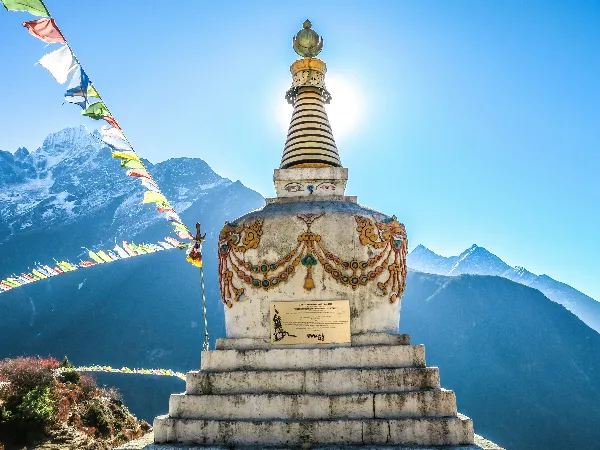

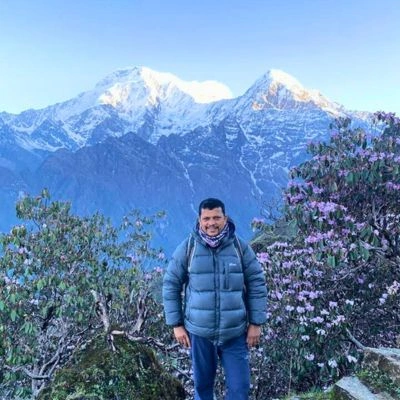
For most beginners, the Annapurna Circuit Trek is the better choice because it offers a more gradual ascent, lower altitude risk, and greater landscape variety. However, the Everest Base Camp Trek is better for travelers whose main goal is to experience Mount Everest and the Khumbu region, even though it feels more challenging due to higher altitude exposure.
EBC & ACT Comparison Chart
| Factor | Everest Base Camp Trek | Annapurna Circuit Trek |
|---|---|---|
| Trip Grade | Moderate | High |
| Overall Difficulty | Moderate to Challenging | Moderate |
| Highest Elevation | 5,545 m (Kala Patthar) | 5,416 m (Thorong La Pass) |
| Trek Duration | 12–14 Days | 12–18 Days |
| Total Distance | ~130 km | 160–230 km |
| Daily Walking Hours | 5–7 Hours | 6–8 Hours |
| Acclimatization Days | 2–3 Days | 1–2 Days |
| Rest Days | Namche & Dingboche | Manang |
| Altitude Difficulty | Higher | Moderate |
| Altitude Sickness Risk | Higher | Lower |
| Terrain Type | Steep, rocky, high altitude | Forests, valleys, high passes |
| Scenery Diversity | High | Very High |
| Cultural Experience | Sherpa culture | Multi-ethnic (Gurung, Thakali, Tibetan) |
| Accessibility | Flight to Lukla required | Road access available |
| Best For | Everest experience seekers | First-time trekkers |
Everest Base Camp Trek vs Annapurna Circuit Trek Overview
The Everest Base Camp Trek takes you into the heart of the Khumbu region. You walk through Sherpa villages, cross suspension bridges, and follow trails beneath some of the world’s highest mountains. The journey is both scenic and physically demanding.
The trek usually takes 12–14 days and covers around 130 km round trip. It reaches a maximum elevation of 5,545 meters at Kala Patthar. Major highlights include Namche Bazaar, Tengboche Monastery, Everest Base Camp, and Kala Patthar viewpoint.
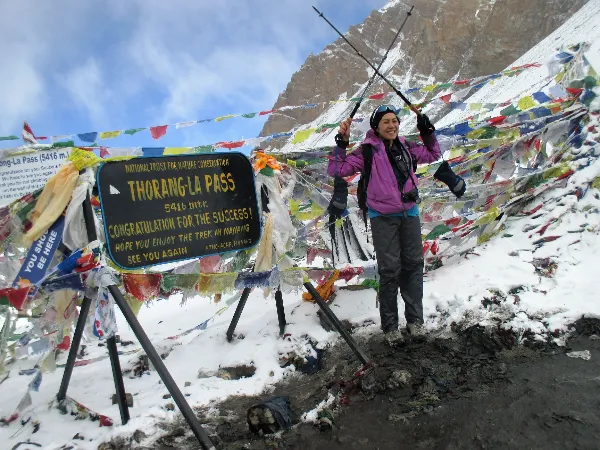
The Annapurna Circuit Trek is one of Nepal’s most diverse trekking routes. It usually takes 12–18 days and covers 160–230 km. The trek starts from Besisahar and reaches a maximum elevation of 5,416 meters at Thorong La Pass.
You pass through rice terraces, pine forests, traditional villages, and high mountain deserts. The route circles the Annapurna massif and offers constantly changing scenery.
Everest Base Camp Trek vs Annapurna Circuit Comparison
Altitude is where Everest Base Camp becomes more challenging. Trekkers reach Namche Bazaar at 3,440 meters, Dingboche at 4,410 meters, Everest Base Camp at 5,364 meters, and Kala Patthar at 5,545 meters.
Most trekkers spend several days above 4,000 meters. This long exposure to high altitude increases the risk of altitude sickness.
The Annapurna Circuit also reaches high altitude at Thorong La Pass (5,416 meters). However, trekkers usually spend less continuous time above 5,000 meters. This makes altitude effects slightly less intense overall.
Risk of Altitude Sickness
More trekkers struggle with altitude on the Everest Base Camp Trek. The route climbs quickly and forces the body to adjust in a short time. Several nights are spent above 4,000 meters, where oxygen levels drop significantly.
Fitness alone does not guarantee protection from altitude sickness. Proper acclimatization is far more important. Slow ascent and rest days make a big difference on the EBC route.
Distance and Duration Comparison
The Everest Base Camp Trek takes around 12–14 days. Trekkers usually walk 5–7 hours per day. The shorter distance makes it more focused on altitude rather than endurance.
The Annapurna Circuit Trek takes 12–18 days. Daily walking often lasts 6–8 hours, and some days can exceed 8 hours. This makes it more physically demanding in terms of stamina and long-distance walking.
Trail Conditions and Terrain
The Everest Base Camp trail is well-established but physically tough. It includes continuous ascents, rocky paths, stone staircases, and glacier terrain near Gorakshep. The constant uphill sections make it demanding even when distances are moderate.
The Annapurna Circuit offers more variety in terrain. You walk through forests, river valleys, mountain trails, and alpine landscapes. However, the repeated ups and downs can become tiring over time.
Which Trek Requires Better Fitness?
Both treks require good preparation before starting. Regular hiking, cardio training, and walking with a backpack are very important. Building stamina and leg strength makes the experience much easier.
For Everest Base Camp, focus on cardiovascular fitness, breathing control, and slow pacing. For Annapurna Circuit, focus more on endurance, long-distance hiking, and leg strength. Both mental and physical fitness matter equally.
Mental Challenges on Both Treks
Both treks can be mentally demanding in different ways. On Everest Base Camp, altitude and slow progress can feel challenging. Cold mornings and thin air can also test patience.
On the Annapurna Circuit, the long duration becomes the main challenge. Walking for many consecutive days can feel exhausting. Basic accommodation, fatigue, and weather changes are common on both routes.
Scenic Beauty Comparison
Everest Base Camp offers iconic views of Mount Everest, glaciers, and dramatic Himalayan landscapes. It is one of the most famous trekking experiences in the world for a reason.
The Annapurna Circuit offers more variety in scenery. You see forests, waterfalls, deserts, and high mountain valleys. Many trekkers consider it more diverse overall.
Cultural Experience Comparison
The Everest region is home to Sherpa communities, Buddhist monasteries, and strong mountain traditions. Prayer flags and spiritual culture are a major part of the experience.
The Annapurna region includes Gurung, Thakali, and Tibetan-influenced villages. You also experience both Hindu and Buddhist cultures. This makes it more culturally diverse along the route.
Cost Comparison
The Everest Base Camp Trek is usually more expensive. Flights to Lukla, higher food costs, and remote logistics increase the budget. The average cost ranges from USD 1,200 to 2,500+.
The Annapurna Circuit Trek is generally more affordable. It usually costs between USD 800 and 2,000, depending on services and itinerary.
Permits Required
For Everest Base Camp, you need a Sagarmatha National Park Permit and a Khumbu Pasang Lhamu Municipality Permit. These are required for access to the region.
For Annapurna Circuit, you need an Annapurna Conservation Area Permit (ACAP) and a TIMS Card, depending on current regulations. Always check updated rules before starting the trek.
Best Time to Trek
Both treks are best during spring and autumn. Spring runs from March to May and brings rhododendron blooms, stable weather, and warmer temperatures. Autumn runs from September to November and offers clear skies and ideal trekking conditions.
These seasons provide the safest and most comfortable trekking experience in the Himalayas.
Safety and Altitude Awareness
Safety is extremely important on both treks. The key is to ascend slowly and allow your body to adjust. Drinking enough water and avoiding alcohol at high altitude is essential.
Acclimatization days should never be skipped. If symptoms of altitude sickness worsen, descending immediately is the safest decision. No view or summit is worth risking your health.
Who Should Choose Everest Base Camp?
Everest Base Camp is ideal if your dream is to see Mount Everest up close. It suits trekkers who enjoy high-altitude challenges and iconic mountain scenery. It is best for those prepared for thinner air and steep ascents.
Explore more about EBC: Want the Everest experience in detail? Check the full guide to Everest Base Camp Trek (EBC)
Who Should Choose Annapurna Circuit?
The Annapurna Circuit is ideal if you prefer varied landscapes and longer journeys. It suits trekkers who enjoy cultural diversity and changing scenery. It is also great for those who value endurance-based trekking experiences.
Explore more about ACT: Curious about the full experience of the trail? Go deeper into the route, difficulty, and highlights of Annapurna Circuit Trek (ACT)
Conclusion
Both Everest Base Camp and Annapurna Circuit are world-class Himalayan adventures. Everest Base Camp offers the thrill of standing beneath the world’s highest mountain. Annapurna Circuit offers unmatched landscape diversity and one of the most beautiful crossings in Nepal.
If you want a legendary high-altitude experience, choose Everest Base Camp. If you want a longer journey filled with culture and variety, choose the Annapurna Circuit. Whichever trek you choose, preparation and acclimatization are key. The Himalayas reward those who move slowly and respect the mountains.
FAQs
1. Which trek is better for beginners, Everest Base Camp or Annapurna Circuit?
For most first-time trekkers, the Annapurna Circuit Trek is often considered more beginner-friendly because it offers a more gradual altitude gain and greater route flexibility. Everest Base Camp is achievable for beginners as well, but the higher altitude and increased risk of altitude sickness make it more challenging for those with no previous trekking experience.
2. Can a beginner complete the Everest Base Camp Trek?
Yes. Thousands of beginners successfully complete the Everest Base Camp Trek every year. The trek does not require technical climbing skills. However, beginners should prepare physically, follow a proper acclimatization schedule, and maintain a slow, steady pace to reduce the risk of altitude sickness.
3. Is Annapurna Circuit easier than Everest Base Camp for first-time trekkers?
In terms of altitude, yes. Annapurna Circuit generally allows for a more gradual ascent, which helps the body adjust to higher elevations. While the trek is longer, many beginners find it easier to manage because they experience fewer altitude-related challenges than on the Everest Base Camp route.
4. What fitness level do beginners need for these treks?
Beginners should be able to walk for 5 to 7 hours per day on consecutive days. Regular hiking, cardio training, stair climbing, and endurance exercises for at least 8 to 12 weeks before the trek can significantly improve comfort and enjoyment on both routes.
5. Which trek has a lower risk of altitude sickness for beginners?
The Annapurna Circuit Trek generally has a lower risk because the ascent profile is more gradual. Everest Base Camp involves spending multiple nights above 4,000 meters, where oxygen levels are significantly lower. Regardless of the trek, proper acclimatization remains essential.
6. Is a guide recommended for beginner trekkers?
Yes. While independent trekking is possible on some routes, beginners often benefit from hiring an experienced guide. A guide helps with navigation, altitude monitoring, logistics, local insights, and emergency support, making the experience safer and less stressful.
7. Which trek offers better beginner-friendly tea house facilities?
Both treks have excellent tea house networks. However, the Everest Base Camp route has some of the most developed trekking infrastructure in Nepal, with comfortable lodges, bakeries, cafes, and internet access in major villages like Namche Bazaar and Dingboche.
8. What is the easiest season for beginners to trek in Nepal?
Spring (March to May) and autumn (September to November) are the best seasons for beginners. These months offer stable weather, clear mountain views, moderate temperatures, and safer trail conditions compared to winter and monsoon seasons.
9. Which trek is more enjoyable for beginners?
This depends on personal preferences. Beginners seeking the iconic Everest experience often enjoy the Everest Base Camp Trek despite its altitude challenges. Those who prefer diverse landscapes, cultural variety, and a less intimidating altitude profile may find the Annapurna Circuit more enjoyable.
10. Can families and older travelers complete these treks?
Yes. Many families and travelers in their 50s, 60s, and even 70s complete both treks. Success depends more on preparation, pacing, and acclimatization than age. Choosing a longer itinerary with extra rest days can greatly improve comfort.
11. Which trek provides a better first Himalayan trekking experience?
For most beginners, the Annapurna Circuit offers a broader introduction to Nepal's landscapes and cultures. The route passes through subtropical forests, traditional villages, alpine valleys, and high mountain deserts, creating a diverse and rewarding first Himalayan adventure.
12. If I can only do one trek as a beginner, which should I choose?
If seeing Mount Everest has always been your dream, choose the Everest Base Camp Trek. If you want a more gradual challenge with diverse scenery and cultural experiences, choose the Annapurna Circuit Trek. Both are incredible first Himalayan treks, but Annapurna Circuit is often considered the more beginner-friendly option.
Not Sure Yet? Compare More Options If you're still deciding between Nepal’s most popular trekking routes:
EBC vs ABC comparison: Confused between the big Himalayan experiences? Here’s a straight comparison of Everest Base Camp Trek (EBC) vs. Annapurna Base Camp Trek (ABC). Which trek suits your style better?
ACT vs ABC comparison: Shorter vs wilder, cultural vs dramatic—compare it all. See how Annapurna Circuit Trek (ACT) stacks up against Annapurna Base Camp Trek (ABC). Find your perfect match