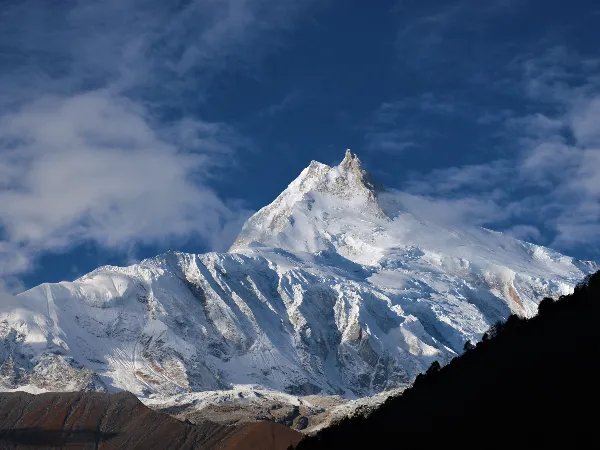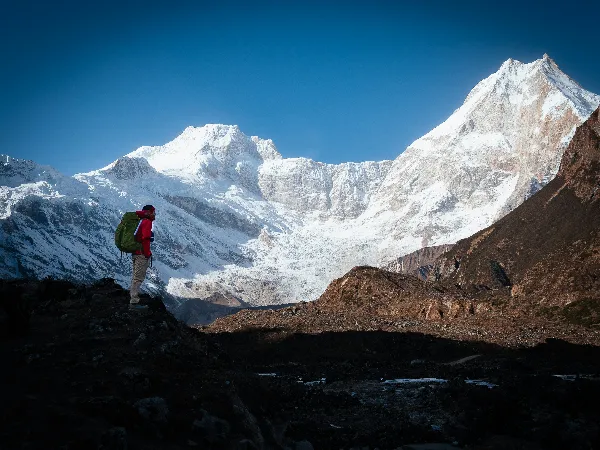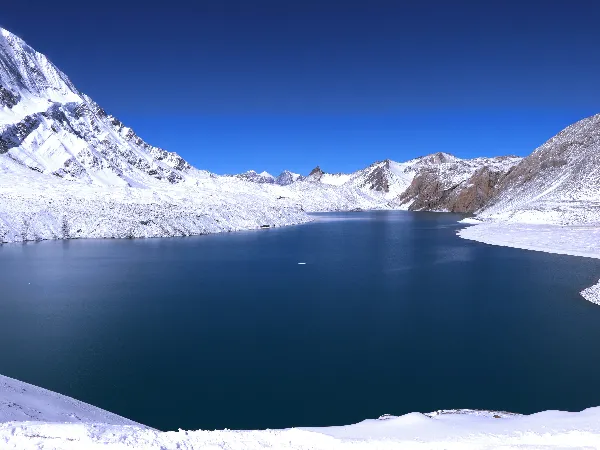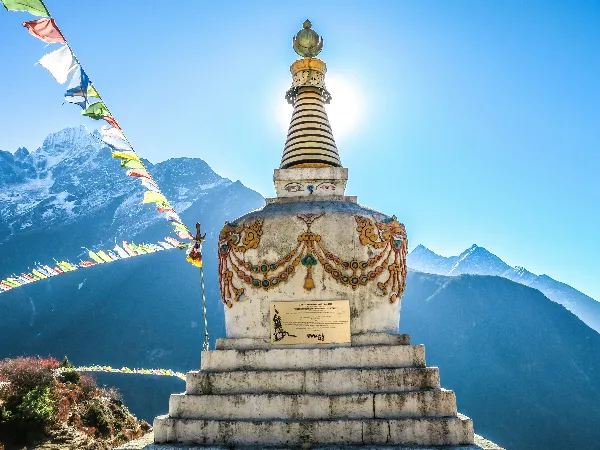
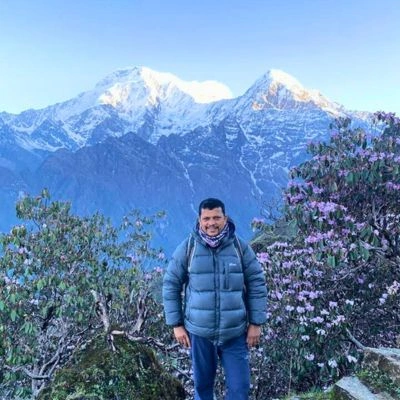
Dashain and Tihar take place during Nepal's autumn trekking season, offering dry trails, clear mountain views, stable weather, comfortable temperatures, and the chance to experience Nepal's biggest cultural festivals while trekking.
Trekking during these festivals offers more than breathtaking mountain scenery. Along the trails, you'll see villages decorated with colorful lights, families celebrating together, traditional music filling the air, and locals welcoming visitors into their festive atmosphere. It's a unique opportunity to experience both Nepal's natural beauty and its rich cultural heritage in one journey.
In this guide, you'll learn what Dashain and Tihar are, whether it's a good time to trek, how the weather affects trekking, transportation and accommodation availability, the best trekking routes during the festivals, and practical tips for planning your trip.
What Are Dashain and Tihar?
Before planning your trek, it's helpful to understand why these festivals are so important to Nepalese people.
What Is Dashain?
Dashain is Nepal's largest and longest Hindu festival, usually celebrated over 15 days in late September or October. It commemorates the victory of good over evil and is a time when families reunite, receive blessings from elders, and travel back to their hometowns.
During Dashain, visitors may experience:
-
Receiving Tika (a red mixture of rice, yogurt, and vermilion) and Jamara (sacred barley shoots) as blessings.
-
Traditional bamboo swings (Ping) built in villages.
-
Colorful kite flying across the countryside.
-
Family gatherings and community celebrations.
-
Temples filled with worshippers and festive decorations.
For trekkers, Dashain provides an authentic glimpse into Nepalese family traditions, especially in rural villages along trekking routes.
What Is Tihar?
Tihar, often called the Festival of Lights, takes place shortly after Dashain and lasts for five days. Each day honors different animals and concludes with celebrations between brothers and sisters that symbolize love and protection.
During Tihar you'll see:
-
Homes illuminated with thousands of oil lamps and colorful lights.
-
Beautiful Rangoli patterns decorating entrances.
-
Traditional Deusi-Bhailo songs and dances performed in villages.
-
Worship of crows, dogs, cows, oxen, and the goddess Lakshmi.
-
Markets and streets decorated with flowers and festive displays.
For many travelers, Tihar is one of the most photogenic times to visit Nepal.
Is It a Good Time to Trek During Dashain and Tihar?
Yes. Dashain and Tihar take place during Nepal's autumn trekking season, offering clear mountain views, stable weather, dry trails, comfortable temperatures, and a unique opportunity to experience Nepal's biggest cultural celebrations while trekking.
The festivals enhance not interrupt the trekking experience. While transportation can become busier around festival dates, the trails remain active, most teahouses continue operating, and the scenery is at its best.
Why Trekking During Dashain and Tihar Is So Special
Experience Nepal's Biggest Festivals
Instead of simply visiting Nepal as a tourist, trekking during Dashain and Tihar allows you to witness traditions that have been celebrated for generations. Every village offers a slightly different experience, making each day on the trail culturally rewarding.
Meet Local Families
Nepalese hospitality becomes especially noticeable during festival season. Many trekkers are invited to share tea, receive blessings, or observe family celebrations in villages.
Although participation is always optional, respectful visitors are often warmly welcomed.
Villages Filled with Celebration
Unlike other trekking seasons, villages are filled with music, laughter, colorful decorations, and returning family members. Children fly kites, traditional bamboo swings appear in open fields, and communities celebrate together.
These moments create memorable experiences beyond mountain scenery.
Traditional Food and Festive Atmosphere
Festival meals are an important part of Dashain and Tihar.
Along trekking routes, many teahouses prepare traditional dishes, and local markets become livelier than usual. Travelers may have opportunities to taste authentic Nepalese festival foods while learning about local customs.
Beautiful Autumn Landscapes
The festivals coincide with Nepal's clearest weather.
After the summer monsoon:
-
Dust is washed from the atmosphere.
-
Forests remain lush and green.
-
Rivers are full.
-
Snow-capped peaks appear exceptionally sharp against deep blue skies.
This combination creates some of the year's best photography conditions.
A Perfect Blend of Adventure and Culture
Many trekking destinations around the world offer beautiful landscapes, but few combine world-class mountain scenery with vibrant cultural festivals.
Whether you're hiking to Everest Base Camp, exploring the Annapurna region, or trekking through Langtang, Dashain and Tihar add an unforgettable cultural dimension to the journey.
Weather During Dashain and Tihar
One of the biggest reasons travelers plan their Nepal trek during Dashain and Tihar is the excellent autumn weather. The festivals usually fall between late September and early November, when the monsoon has ended and winter has not yet arrived.
This period offers the best balance of clear skies, comfortable temperatures, dry trails, and reliable trekking conditions, making it the peak trekking season across the Himalayas.
September Weather
Early September may still experience occasional post-monsoon showers, particularly in lower elevations. By the second half of the month, rainfall decreases significantly, the air becomes cleaner, and mountain views improve dramatically.
Average conditions:
| Weather Factor | Typical Conditions |
|---|---|
| Daytime Temperature | 18–25°C (64–77°F) |
| Night Temperature | 8–15°C (46–59°F) |
| Trail Conditions | Mostly dry with occasional muddy sections early in the month |
| Visibility | Improving rapidly after the monsoon |
| Rainfall | Low to moderate early September, minimal later |
September is an excellent choice for trekkers who prefer greener landscapes and slightly fewer crowds than October.
October Weather
October is widely regarded as the best month for trekking in Nepal. The skies are consistently clear, rainfall is rare, humidity is low, and mountain panoramas are at their finest.
This is also when Dashain is often celebrated, allowing trekkers to combine ideal trekking conditions with Nepal's largest cultural festival.
Average conditions:
| Weather Factor | Typical Conditions |
|---|---|
| Daytime Temperature | 15–22°C (59–72°F) |
| Night Temperature | 5–10°C (41–50°F) |
| Trail Conditions | Dry and well-maintained |
| Visibility | Excellent |
| Rainfall | Very low |
If you're planning iconic treks such as Everest Base Camp, Annapurna Circuit, or Manaslu Circuit, October is generally the most reliable month.
November Weather
November remains one of Nepal's best trekking months. Days are still sunny and dry, while cooler nights provide crisp mountain air and outstanding visibility.
Tihar is commonly celebrated during early November, creating a festive atmosphere in towns and villages before winter arrives.
Average conditions:
| Weather Factor | Typical Conditions |
|---|---|
| Daytime Temperature | 12–20°C (54–68°F) |
| Night Temperature | 0–8°C (32–46°F) |
| Trail Conditions | Dry and stable |
| Visibility | Outstanding |
| Rainfall | Very rare |
Trekkers heading to higher elevations should prepare for colder mornings and evenings by packing warm layers.
Autumn Trekking Weather at a Glance
| Month | Day Temperature | Night Temperature | Visibility | Trail Conditions | Rain Chance |
|---|---|---|---|---|---|
| September | 18–25°C | 8–15°C | Very Good | Mostly Dry | Low |
| October | 15–22°C | 5–10°C | Excellent | Dry | Very Low |
| November | 12–20°C | 0–8°C | Excellent | Dry | Minimal |
Overall, autumn provides the most consistent trekking weather of the year, with comfortable daytime temperatures, excellent visibility, and safe trail conditions.
Are Teahouses, Lodges, and Restaurants Open During Dashain and Tihar?
A common concern among travelers is whether accommodation and food services remain available during Nepal's biggest festivals.
The short answer is yes.
Most teahouses, lodges, and restaurants along Nepal's popular trekking routes continue operating throughout Dashain and Tihar. Since autumn is the busiest trekking season, lodge owners understand that many international visitors travel during this period.
However, there are a few things to keep in mind.
Family-Run Lodges May Close Briefly
Many mountain lodges are family businesses. During the main festival days, some owners may close for a day or two to celebrate with relatives.
This is more common on quieter trekking routes and in smaller villages.
Fortunately, neighboring lodges usually remain open, so finding accommodation is rarely a problem.
Popular Trekking Routes Operate Normally
Major trekking destinations continue to welcome visitors throughout the festival season, including Everest Base Camp Trek, Annapurna Base Camp Trek, Annapurna Circuit Trek, Langtang Valley Trek, Mardi Himal Trek, Ghorepani Poon Hill Trek, Manaslu Circuit Trek
Tea houses on these routes are well accustomed to serving trekkers during Dashain and Tihar.
Hiring a Guide Makes Planning Easier
A licensed local guide can help you:
-
Reserve accommodation during busy periods.
-
Find alternative lodges if one is temporarily closed.
-
Coordinate transportation before and after your trek.
-
Explain local customs and festival traditions.
-
Communicate with lodge owners in remote villages.
While independent trekking is possible on many routes, traveling with a guide is especially helpful during Nepal's busiest travel season.
Best Treks During Dashain and Tihar
Nearly every trekking route in Nepal is at its best during autumn, but some stand out for their combination of scenery, weather, and cultural experiences.
| Trek | Duration | Difficulty | Maximum Altitude | Best Festival Period | Highlights | Best For |
|---|---|---|---|---|---|---|
| Everest Base Camp Trek | 12–14 Days | Challenging | 5,364 m (17,598 ft) | Dashain (October) | Crystal-clear views of Mount Everest, Ama Dablam, Sherpa culture, stable weather | Experienced trekkers and bucket-list adventures |
| Annapurna Base Camp Trek | 7–12 Days | Moderate | 4,130 m (13,550 ft) | Dashain & Tihar (October–November) | Annapurna Sanctuary, lush forests, waterfalls, panoramic mountain views | Beginners to intermediate trekkers seeking an all-round Himalayan experience |
| Annapurna Circuit Trek | 12–18 Days | Moderate to Challenging | 5,416 m (17,769 ft) | Dashain (October) | Thorong La Pass, diverse landscapes, traditional villages, rich mountain culture | Adventure seekers looking for varied scenery and high-pass trekking |
| Manaslu Circuit Trek | 13–16 Days | Challenging | 5,106 m (16,752 ft) | Late Dashain to Early Tihar (Late Sept–October) | Remote trails, Tibetan Buddhist culture, Larke Pass, fewer crowds | Experienced trekkers seeking solitude and authentic cultural experiences |
| Langtang Valley Trek | 7–10 Days | Moderate | 4,984 m (16,352 ft) (Kyanjin Ri) | Dashain (October) | Glacier views, Tamang villages, alpine meadows, close to Kathmandu | First-time trekkers and those with limited travel time |
| Mardi Himal Trek | 5–7 Days | Moderate | 4,500 m (14,764 ft) | Dashain & Tihar (October–November) | Close-up views of Machhapuchhre, Annapurna South, peaceful forest trails | Short autumn treks with spectacular mountain scenery |
| Ghorepani Poon Hill Trek | 4–5 Days | Easy to Moderate | 3,210 m (10,531 ft) | Dashain & Tihar (October–November) | Famous sunrise viewpoint, rhododendron forests, panoramic Himalayan views | Families, beginners, photographers, and short holiday trekkers |
Why These Treks Are Ideal During Dashain and Tihar
- Best for Everest views: Everest Base Camp Trek
- Best overall trekking experience: Annapurna Base Camp Trek
- Best high-pass adventure: Annapurna Circuit Trek
- Best remote cultural trek: Manaslu Circuit Trek
- Best trek near Kathmandu: Langtang Valley Trek
- Best short trek: Mardi Himal Trek
- Best beginner-friendly trek: Ghorepani Poon Hill Trek
Does Transportation Get Busy During Dashain?
Yes. Transportation is one of the few aspects of trekking that requires extra planning during Dashain and Tihar.
Because millions of Nepalese travel home to celebrate with their families, buses, domestic flights, and jeep services become much busier than usual.
Domestic Flights Fill Quickly
Flights to popular trekking gateways such as Lukla, Pokhara, and Jomsom often sell out weeks—or even months—in advance.
If you're trekking during October or early November, book your flights as early as possible.
Tourist Buses Are Busier
Long-distance buses between Kathmandu, Pokhara, Chitwan, and other destinations carry large numbers of festival travelers.
Expect:
-
Higher passenger demand
-
Limited last-minute availability
-
Longer travel times due to increased traffic
Booking tickets several weeks ahead is strongly recommended.
Jeep Services Continue Operating
Shared and private jeeps remain available for trekking regions such as:
-
Manaslu
-
Langtang
-
Upper Mustang
-
Dolpo
-
Remote Annapurna access roads
Demand is higher during festival periods, so advance reservations are advisable.
Plan Ahead for a Stress-Free Trip
To avoid unnecessary delays:
-
Book domestic flights early.
-
Reserve tourist buses in advance.
-
Confirm jeep transfers before arriving.
-
Allow an extra day in your itinerary for possible transportation delays.
With a little preparation, transportation challenges are easy to manage, allowing you to fully enjoy trekking during Nepal's most festive season
Cultural Experiences You'll Only See During Dashain and Tihar
Trekking during Dashain and Tihar is about more than reaching mountain viewpoints. Along the trails, you'll experience Nepal's rich traditions firsthand, adding a cultural dimension that few other trekking seasons can offer.
Receive Tika and Jamara Blessings
During Dashain, elders bless family members with Tika—a mixture of rice, yogurt, and vermilion—and Jamara, sacred barley shoots grown for the festival. While this tradition is primarily for families, trekkers are sometimes invited to receive blessings from local hosts or teahouse owners.
If offered, accepting the blessing with gratitude is a respectful way to experience Nepalese culture.
Watch Traditional Deusi-Bhailo Performances
During Tihar, groups of children and adults visit homes and lodges singing traditional Deusi and Bhailo songs. These lively performances are accompanied by dancing, music, and joyful celebrations.
Many villages along popular trekking routes come alive after sunset with these festive performances, creating a memorable atmosphere for visitors.
Villages Decorated with Lights and Flowers
Throughout Tihar, homes, monasteries, and teahouses are decorated with:
-
Oil lamps (Diyo)
-
Colorful electric lights
-
Marigold flower garlands
-
Rangoli artwork at entrances
Even remote mountain villages glow with festive decorations, offering fantastic opportunities for evening photography.
Taste Traditional Festival Foods
Festival celebrations bring special dishes that aren't commonly served throughout the year.
Depending on where you trek, you may enjoy:
-
Sel Roti (traditional rice bread)
-
Goat curry during Dashain
-
Homemade yogurt
-
Local pickles (Achar)
-
Seasonal fruits
-
Fresh milk tea prepared for guests
Sharing a meal with local families or lodge owners often becomes one of the most memorable parts of the journey.
Visit Monasteries, Temples, and Local Markets
Many trekkers pass through villages where temples and monasteries become gathering places during the festivals.
Markets are also busier than usual, selling:
-
Flowers
-
Fruits
-
Festival decorations
-
Traditional clothing
-
Religious offerings
These stops provide excellent opportunities to observe local life beyond the trekking trail.
Experience Nepalese Hospitality
One of the highlights of trekking during Dashain and Tihar is the warmth of the local people.
Although everyone is busy celebrating with family, many visitors are welcomed with tea, conversation, and genuine hospitality. These spontaneous interactions often become the most cherished memories of a trek.
Things to Know Before You Go
Planning ahead will help you enjoy a smoother trekking experience during Nepal's busiest travel season.
Book Transportation Early
Domestic flights, tourist buses, and jeep services become busy as millions of Nepalese travel home for the festivals.
Reserve transportation as early as possible—especially if you're flying to Lukla or traveling to Pokhara.
Carry Enough Cash
ATMs are widely available in Kathmandu and Pokhara but are limited or unavailable in many trekking regions.
Some banks and exchange counters may also operate on reduced hours during the holidays.
Carry enough Nepalese Rupees to cover:
-
Accommodation
-
Meals
-
Snacks
-
Charging devices
-
Hot showers
-
Tips
-
Emergency expenses
Arrange Trekking Permits Before Departure
Most trekking permits remain available during Dashain and Tihar, but government offices may close on public holidays.
To avoid delays, obtain your permits before leaving Kathmandu or Pokhara.
Consider Hiring a Local Guide
A licensed guide can help with:
-
Accommodation bookings
-
Transportation arrangements
-
Festival etiquette
-
Language barriers
-
Local history and traditions
-
Safety in remote areas
Guides can also introduce you to cultural experiences that independent trekkers might otherwise miss.
Pack for Warm Days and Cool Nights
Autumn temperatures are pleasant during the day but can drop below freezing at higher elevations after sunset.
Essential clothing includes:
-
Moisture-wicking base layers
-
Fleece jacket
-
Down jacket
-
Waterproof shell
-
Warm hat and gloves
-
Thermal socks
-
Sleeping clothes for cold nights
Layering allows you to stay comfortable throughout changing mountain conditions.
Tips for Trekking During Dashain and Tihar
The festivals offer wonderful cultural experiences, but respecting local traditions helps ensure a positive experience for everyone.
Respect Local Customs
Ask before photographing religious ceremonies or private family celebrations, and be mindful of local traditions.
Accept Tika Politely
If someone offers you Tika or Jamara, accepting it with a smile is considered respectful. If you prefer not to participate, politely declining is also perfectly acceptable.
Dress Modestly in Villages
Lightweight trekking clothing is fine on the trail, but modest attire is appreciated when visiting temples or joining community celebrations.
Carry Extra Cash
Some shops and businesses may close during the main festival days, and digital payment options are limited in remote areas.
Allow Extra Travel Time
Transportation delays are common during Dashain, so avoid scheduling tight connections between flights and long-distance buses.
Join the Celebrations If Invited
If local families invite you to watch traditional dances, enjoy tea, or participate in festivities, consider accepting. These authentic interactions often become the highlight of a trek.
Always participate respectfully and follow your guide's advice regarding local customs.
Pros and Cons of Trekking During Dashain and Tihar
| Pros | Cons |
|---|---|
| Clear skies and excellent mountain views | Domestic transportation is busier |
| Comfortable trekking temperatures | Flights and buses sell out quickly |
| Dry, well-maintained trails | Advance planning is essential |
| Vibrant cultural festivals | Some family-run shops may close briefly |
| Opportunities to experience local traditions | Popular trekking routes can be crowded |
| Beautiful autumn landscapes | Accommodation should be booked early on busy routes |
Is It Worth Trekking During Dashain and Tihar?
For most travelers, the answer is yes. The combination of ideal trekking conditions and Nepal's most important cultural celebrations creates an experience that simply isn't available at any other time of year.
With a little extra planning—particularly for transportation and accommodation—you'll enjoy spectacular Himalayan scenery while experiencing the traditions, hospitality, and festive spirit that make Nepal such a special destination.
Is Trekking During Dashain and Tihar Right for You?
Trekking during Dashain and Tihar is an excellent choice if you want to experience Nepal's breathtaking Himalayan landscapes alongside its most important cultural celebrations. While transportation can be busier during the festivals, the rewards far outweigh the extra planning required.
This season is especially recommended for:
-
First-time visitors looking to combine trekking with authentic cultural experiences.
-
Photographers hoping to capture crystal-clear mountain views, colorful villages, and vibrant festival celebrations.
-
Families seeking shorter, well-established trekking routes with comfortable autumn weather.
-
Cultural travelers interested in Nepalese traditions, local festivals, and village life.
-
Adventure seekers wanting to experience Nepal's iconic trekking routes under ideal weather conditions.
If you enjoy meeting local communities, learning about different cultures, and trekking in some of the best weather of the year, Dashain and Tihar are among the most rewarding times to visit Nepal.
FAQs
Is trekking possible during Dashain?
Yes. Trekking continues throughout Dashain, and most popular routes remain fully operational. The trails offer excellent weather, clear mountain views, and a unique opportunity to experience Nepal's biggest festival.
Are trekking permits available during Dashain?
Yes. Trekking permits are still available, but some government offices may close on public holidays. It's best to arrange your permits before the main festival days or through a licensed trekking agency.
Are guides and porters available?
Yes. Licensed guides and porters continue working during Dashain and Tihar, although demand is higher than usual. Booking in advance is recommended, especially for October departures.
Do teahouses stay open during the festivals?
Most teahouses and lodges remain open because autumn is Nepal's busiest trekking season. A few family-run lodges may close briefly to celebrate with relatives, but alternative accommodation is usually available nearby.
Is transportation affected during Dashain?
Yes. Domestic flights, tourist buses, and jeep services become much busier as many Nepalese travel home for the holidays. Booking transportation several weeks in advance is highly recommended.
Which trek is best during Dashain and Tihar?
The Everest Base Camp Trek, Annapurna Base Camp Trek, and Annapurna Circuit Trek are among the best choices due to their excellent autumn weather. For shorter adventures, Mardi Himal and Ghorepani Poon Hill are also excellent options.
Can foreigners join festival celebrations?
Yes. Visitors are often welcomed to observe or participate in local celebrations, receive Tika blessings, or enjoy traditional meals. Participation should always be respectful, and it's polite to ask before taking photographs during ceremonies.
Is October the best month to trek in Nepal?
Yes. October is widely considered the best trekking month in Nepal thanks to stable weather, dry trails, comfortable temperatures, and outstanding mountain visibility.
Is Tihar better than Dashain for trekking?
Both festivals offer memorable experiences. Dashain focuses on family gatherings and traditional blessings, while Tihar is known for colorful lights, Rangoli decorations, and Deusi-Bhailo performances. The better choice depends on the type of cultural experience you're looking for.
What should I pack for autumn trekking in Nepal?
Pack lightweight clothing for warm daytime temperatures and insulated layers for cold evenings at higher elevations. A waterproof jacket, warm hat, gloves, sunscreen, sunglasses, and comfortable trekking boots are also essential.
Final Thoughts
Trekking during Dashain and Tihar offers a rare opportunity to experience two of Nepal's greatest highlights at the same time—its world-famous Himalayan trekking routes and its richest cultural traditions.
Autumn already provides the year's best trekking conditions, with dry trails, stable weather, comfortable temperatures, and breathtaking mountain views. Adding Dashain and Tihar to the experience brings vibrant village celebrations, traditional food, music, colorful decorations, and warm local hospitality that few travelers experience during other seasons.
You'll return home with not only incredible mountain memories but also a deeper appreciation for Nepal's people, culture, and festivals.