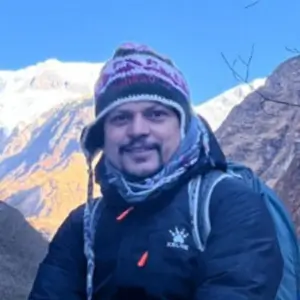
Altitude sickness on the Everest Base Camp Trek commonly causes headache, dizziness, fatigue, nausea, difficulty sleeping, and loss of appetite. Symptoms usually begin above 3,000 meters and become more common after Namche Bazaar. Most cases are mild and improve with acclimatization, but worsening symptoms may require immediate descent and medical attention. Early recognition, proper acclimatization, hydration, and gradual ascent are the most effective ways to prevent serious altitude illness during the Everest Base Camp Trek.
Everest Base Camp Altitude Sickness Symptoms: Complete Guide
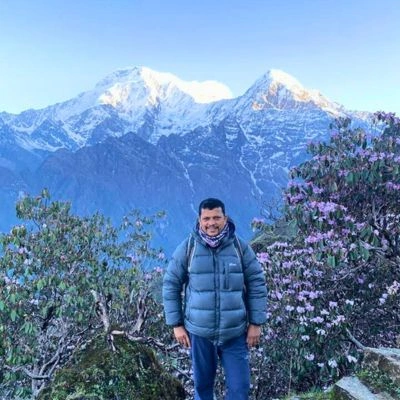
This is one of the most common questions we hear from trekkers before arriving in Nepal.
The concern is understandable.
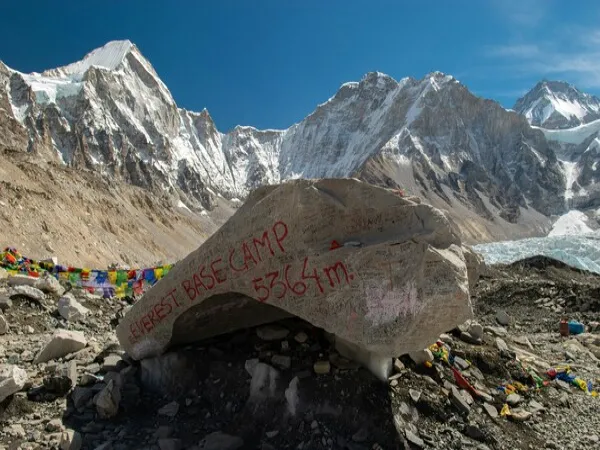
The Everest Base Camp Trek reaches 5,364 meters (17,598 feet), placing it well above the altitude where Acute Mountain Sickness (AMS) commonly occurs.
The good news?
Most trekkers who follow a proper itinerary complete the trek successfully.
The challenge is recognizing altitude sickness symptoms early before they become serious.
After helping hundreds of trekkers on the Everest Base Camp route, we've noticed that most altitude issues begin with small symptoms that people initially dismiss as normal trekking fatigue.
That's where problems start. The most common Everest Base Camp altitude sickness symptoms include:
-
Headache
-
Dizziness
-
Nausea
-
Loss of appetite
-
Fatigue
-
Difficulty sleeping
-
Shortness of breath
-
Reduced energy levels
-
Mild confusion
-
Difficulty walking normally
Most symptoms first appear between Namche Bazaar (3,440m) and Dingboche (4,410m), although they can occur at any altitude.
Recognizing them early is the key to staying safe.
What Actually Happens on the Everest Base Camp Trek?
Many first-time trekkers assume altitude sickness only happens near Everest Base Camp itself.
In reality, symptoms often start much lower.
The most common locations where trekkers report altitude-related issues include:
Namche Bazaar (3,440m)
For many trekkers, this is the first night above 3,000 meters.
Mild headaches are common here.
Tengboche (3,860m)
Some trekkers begin noticing reduced appetite and unusual tiredness.
Dingboche (4,410m)
This is where altitude symptoms become more noticeable.
Guides pay close attention here because AMS cases increase significantly.
Lobuche (4,940m)
Even simple activities can feel exhausting.
Many trekkers notice slower walking speeds and heavier breathing.
Gorak Shep (5,164m)
This is often where the highest number of mild AMS symptoms occur.
Sleep quality frequently declines.
Appetite often decreases.
Headaches become more common.
The Most Common Everest Base Camp Altitude Sickness Symptoms
1. Persistent Headache
The number one warning sign.
Most trekkers who develop AMS report headaches first.
Common descriptions include:
-
Pressure behind the eyes
-
Throbbing headache
-
Headache worsening at night
-
Pain that doesn't improve with hydration
A headache alone doesn't always mean AMS.
A headache combined with other symptoms often does.
2. Dizziness and Lightheadedness
Many trekkers describe feeling slightly off balance.
You may notice:
-
Difficulty focusing
-
Feeling lightheaded when standing
-
Mild balance problems
This symptom often appears during uphill sections.
3. Loss of Appetite
One of the earliest signs.
A surprising number of trekkers stop eating enough calories because they simply don't feel hungry.
This creates a problem because the body needs more energy at altitude, not less.
4. Fatigue Beyond Normal Trekking Tiredness
Everyone gets tired on the Everest Base Camp Trek.
Altitude fatigue feels different.
Trekkers often say:
"My body feels heavy even after resting."
Simple activities suddenly require more effort.
5. Sleep Problems
This catches many trekkers off guard.
You feel exhausted.
Yet you cannot sleep properly.
Common complaints include:
-
Frequent waking
-
Restless sleep
-
Strange dreams
-
Feeling tired despite sleeping
This becomes increasingly common above Dingboche.
6. Nausea
Mild nausea is common at higher elevations.
Some trekkers experience:
-
Upset stomach
-
Loss of appetite
-
Vomiting in more severe cases
Combined with headache, this is a strong AMS indicator.
7. Increased Breathlessness
You will naturally breathe harder at altitude.
However, if breathing feels unusually difficult while resting, it requires attention.
Warning Signs That Require Immediate Action
Most altitude sickness is mild.
Some symptoms are not.
Seek immediate assistance if a trekker develops:
-
Difficulty walking straight
-
Severe confusion
-
Extreme fatigue
-
Persistent vomiting
-
Breathlessness while resting
-
Blue lips or fingernails
-
Wet or bubbling cough
These may indicate serious altitude illness requiring descent and medical intervention.
Common Mistakes We See on the Everest Base Camp Trail
Hiding Symptoms From Guides
This happens more often than people think.
Many trekkers worry that reporting symptoms will end their trek.
In reality, early intervention usually prevents bigger problems.
Comparing Yourself to Others
Altitude affects everyone differently.
Someone walking faster than you today may develop symptoms tomorrow.
Rushing the Itinerary
The body adapts at its own pace.
Not according to your holiday schedule.
Ignoring Acclimatization Days
The acclimatization days in Namche Bazaar and Dingboche are among the most important days of the entire trek.
Skipping them significantly increases risk.
How Common Is Altitude Sickness on Everest Base Camp?
Based on trekking industry observations, mild AMS symptoms are relatively common above 3,500 meters.
The majority of cases remain manageable because guides recognize symptoms early and adjust plans accordingly.
Serious altitude illness is much less common when trekkers follow established acclimatization schedules.
Local Insight From the Everest Trail
Most helicopter evacuations from the Everest region are not caused by sudden medical emergencies.
They happen because trekkers ignore mild symptoms for one or two days and continue climbing.
The mountain usually provides warning signs.
The safest trekkers are the ones who pay attention to them.
The goal is not to prove how tough you are.
The goal is to enjoy the trek and return home safely.
Who This Information Is For?
This guide is particularly useful for:
-
First-time Everest Base Camp trekkers
-
Solo travelers
-
Older trekkers
-
Families trekking in Nepal
-
Anyone concerned about altitude sickness
Final Recommendation
If you are trekking to Everest Base Camp, assume that altitude sickness is possible.
Learn the symptoms before you leave Kathmandu.
The most important signs to watch for are:
-
Headache
-
Dizziness
-
Nausea
-
Fatigue
-
Poor sleep
-
Loss of appetite
Most altitude problems can be managed successfully when identified early.
Ascend slowly.
Take acclimatization seriously.
Listen to your guide.
And never ignore symptoms simply because Everest Base Camp is only one day away.
The mountain will still be there tomorrow.
FAQs
1. At what altitude does sickness usually start on the Everest Base Camp Trek?
Most symptoms begin between 3,000 and 3,500 meters, often around Namche Bazaar.
2. Is altitude sickness common on Everest Base Camp?
Yes. Mild AMS symptoms are relatively common, especially above 4,000 meters.
3. What is the first sign of altitude sickness on EBC?
A headache is usually the earliest symptom.
4. Can fit people get altitude sickness on Everest Base Camp?
Yes. Fitness does not prevent AMS.
5. Which day is hardest for altitude sickness on EBC?
Many trekkers find the section between Dingboche and Lobuche the most challenging.
6. Can I continue trekking with mild altitude sickness?
Only if symptoms remain mild and are closely monitored.
7. How long do altitude sickness symptoms last?
Most mild symptoms improve within 24–48 hours with rest and acclimatization.
8. Is Diamox necessary for Everest Base Camp?
Not necessarily, but many trekkers use it under medical advice.
9. What should I eat to reduce altitude sickness?
Carbohydrate-rich meals, soups, potatoes, rice, and adequate fluids.
10. Can altitude sickness happen in Lukla?
It is uncommon because Lukla sits at 2,860 meters.
11. What is the highest-risk village for AMS on EBC?
Lobuche and Gorak Shep report the highest number of symptoms due to altitude.
12. Can altitude sickness cause insomnia?
Yes. Difficulty sleeping is one of the most common symptoms.
13. How much water should I drink on EBC?
Most guides recommend 3–4 liters daily.
14. When should I descend immediately?
If you develop severe headache, confusion, loss of balance, persistent vomiting, or breathlessness at rest.
15. What is the best prevention method?
Slow ascent, acclimatization days, hydration, proper nutrition, and immediate response to symptoms.
16. What is the best time to trek to Everest Base Camp?
The best time for the Everest Base Camp Trek is spring (March to May) and autumn (September to November). These months offer clear mountain views, stable weather, and comfortable trekking conditions.
17. Is the Everest Base Camp Trek suitable for beginners?
Yes. The Everest Base Camp Trek is suitable for beginners with good fitness and proper preparation. No technical climbing experience is required.
18. Do I need a guide for the Everest Base Camp Trek?
A guide is not always mandatory, but it is highly recommended. Guides help with navigation, altitude monitoring, local knowledge, and safety.
19. How difficult is the Everest Base Camp Trek?
The Everest Base Camp Trek is moderately challenging. The biggest challenge is the high altitude rather than the walking distance.
20. How many days does the Everest Base Camp Trek take?
Most Everest Base Camp Treks take 12 to 14 days, including acclimatization days for altitude adjustment.
Need Help? Call Us
Need Help? Call Us+9779851013072