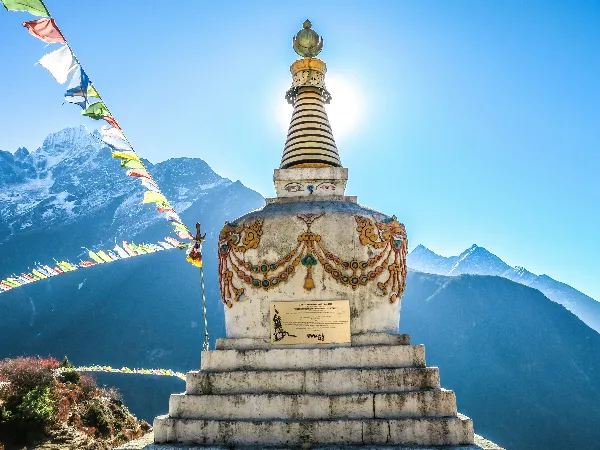
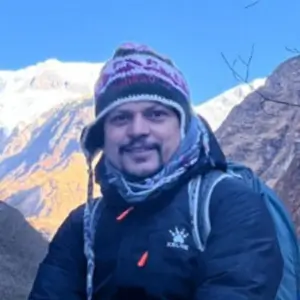
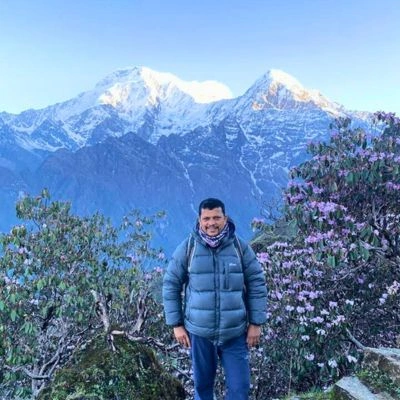
The Everest Base Camp trek for seniors is safe and achievable with proper preparation, slow pacing, and good health planning. Many trekkers above 60 successfully complete this iconic Himalayan journey every year without technical climbing skills. The key success factor is not age, but altitude management, physical fitness, and guided trekking support. Seniors must focus on gradual ascent, acclimatization days, hydration, and steady walking to reduce altitude risks. The best seasons for this trek are spring and autumn when weather conditions are stable and visibility is clear. With the right training and itinerary, Everest Base Camp becomes a safe and life-changing adventure for older trekkers.
Can Seniors Really Do the Everest Base Camp Trek?
The Everest Base Camp trek for seniors is absolutely possible with the right preparation. Age does not stop trekkers from reaching base camp. Fitness level and health condition matter far more than age. Many seniors complete this trek successfully every year with guided support.
Everest Base Camp Trek is a non-technical high-altitude trail in Nepal. It does not require climbing skills or technical equipment. Seniors only need slow walking ability, patience, and proper acclimatization planning.
Why Seniors Choose the Everest Base Camp Trek
Many older trekkers choose this journey as a lifetime achievement goal. The Everest region offers breathtaking mountain views and cultural experiences. The trek builds confidence, emotional strength, and personal satisfaction.
Seniors often prefer slow-paced itineraries with extra rest days. These itineraries reduce stress and improve safety. Guided trekking also increases comfort and reduces risk significantly.
Biggest Challenges for Senior Trekkers
Altitude is the biggest challenge on this trek. Oxygen levels drop significantly above 3,000 meters. This can cause fatigue, headache, or dizziness.
Walking hours can also feel demanding. Daily trekking ranges from 5 to 7 hours. Seniors must walk slowly and take frequent breaks.
Cold weather is another factor. Temperatures drop sharply at higher altitudes. Proper clothing layers are essential for comfort and safety.
Best Time for Seniors to Do the Everest Base Camp Trek
The best time for seniors is spring and autumn. These seasons offer stable weather and safe trail conditions.
Spring runs from March to May. It provides clear skies and moderate temperatures. Rhododendron forests also bloom beautifully along the trail.
Autumn runs from September to November. This season offers excellent visibility and dry trails. It is considered the safest trekking window for seniors.
Winter and monsoon seasons are not recommended. Cold, snow, and rain increase difficulty and risk.
How Seniors Should Prepare Before Trekking
Preparation should begin at least 6 to 8 weeks before departure. Walking is the best training activity for seniors. Daily walks improve stamina and breathing capacity.
Cardio exercises like cycling and swimming help improve heart health. Stair climbing also strengthens legs and joints. Consistency is more important than intensity.
Mental preparation is equally important. Seniors must accept slow pacing and high-altitude conditions. Patience is key for a successful trek.
How to Avoid Altitude Sickness
Altitude sickness is preventable with proper planning. Slow ascent is the most important rule. Never rush the itinerary.
Drink at least 3 to 4 liters of water daily. Avoid alcohol and smoking completely. These reduce oxygen efficiency in the body.
Rest days are critical for acclimatization. The body needs time to adjust to thin air. Early symptom detection is very important.
Safety Tips for Senior Trekkers
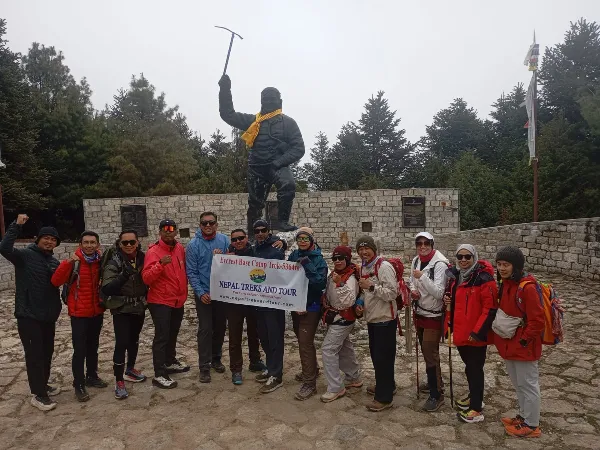
Hiring a licensed trekking guide is highly recommended. Guides help manage pace and monitor health conditions. They also provide emergency support if needed.
Proper trekking boots with ankle support are essential. Shoes must be broken in before the trek. This prevents blisters and injuries.
Travel insurance with helicopter evacuation is mandatory. Emergency support ensures safety in remote areas.
Everest View Trek: A Shorter, Easier Option
If EBC sounds too tough, try the Everest View Trek. It takes only 5–7 days, reaches 3,800m (still great mountain views), and stays at lower altitude. Perfect for seniors or anyone short on time.
Conclusion: Is Everest Base Camp Worth It for Seniors?
The Everest Base Camp trek for seniors is one of the most rewarding adventures in the world. It is not about age, but about preparation and pacing. With proper training, acclimatization, and guidance, seniors can safely complete this iconic Himalayan journey.
The trek offers more than mountains. It offers confidence, achievement, and lifelong memories. With the right plan, Everest Base Camp becomes a safe and unforgettable experience for older trekkers.
Read our full guide, Trekking In Nepal For Seniors, to find out more in detail.
FAQ
Is the Everest Base Camp trek safe for seniors over 60?
Yes, it is safe with proper preparation. Many seniors over 60 complete it successfully. Slow pace and acclimatization are key.
What is the difficulty level of EBC trek for older adults?
It is a moderate trek with altitude challenge. Walking is not hard, but thin air is. Slow walking makes it manageable.
Can beginners above 65 years do Everest Base Camp trek?
Yes, beginners above 65 can do it. No trekking experience is required. Good fitness and training are enough.
How many rest days are needed for seniors on EBC trek?
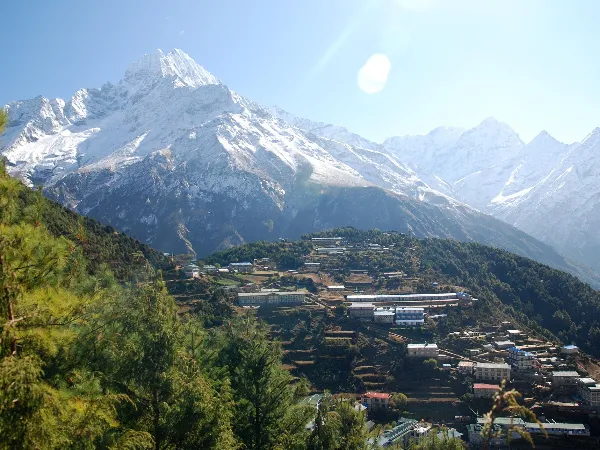
At least 2 to 3 rest days. Namche and Dingboche are key stops. Rest helps prevent altitude sickness.
What is the best training plan for senior trekkers?
Walk daily for 30–60 minutes. Add stairs and light cardio. Train at least 6–8 weeks before.
How to prevent altitude sickness for older trekkers?
Go slow and drink lots of water. Avoid alcohol and take rest days. Listen to your body carefully.
Is the guided Everest Base Camp trek better for seniors?
Yes, guides make it safer and easier. They manage pace and emergencies. Highly recommended for seniors.