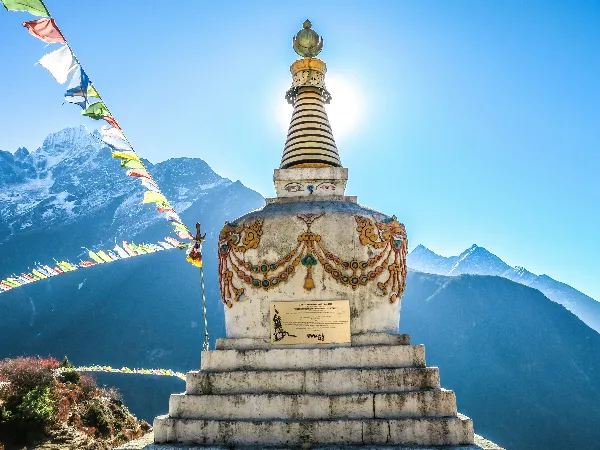
The first glimpse of Mount Everest from the trail above Namche Bazaar changes something inside you. The mountains suddenly feel bigger, quieter, and far more powerful than anything photos or videos could ever capture. For many Indian travelers, the Everest Base Camp Trek is not just a trekking adventure; it’s a personal milestone, a dream built over years of watching Himalayan documentaries, scrolling through trekking videos, and imagining life above the clouds.
And the good news? Nepal makes the journey surprisingly accessible for Indian citizens.
No complicated visa process. No expensive international paperwork. No language barrier that feels overwhelming. From Delhi, Mumbai, Bangalore, Kolkata, or even smaller Indian cities, reaching Kathmandu and starting the Everest Base Camp Trek is far easier than most people imagine.
But there’s another side most blogs barely mention.
The hidden costs. The altitude challenges. The Lukla flight uncertainty. The difference between budget and luxury trekking. The reality of internet access, charging devices, food prices, and how physically demanding the trail actually becomes above 4,000 meters.
This guide covers everything Indian citizens need to know before planning the Everest Base Camp Trek — honestly, practically, and in detail.
Quick Overview Table
| Category | Details |
|---|---|
| Trek Duration | 12–16 Days |
| Maximum Altitude | 5,364m (Everest Base Camp) |
| Best Seasons | Spring (Mar–May), Autumn (Sep–Nov) |
| Difficulty | Moderate to Challenging |
| Visa for Indians | Not Required |
| Passport Needed | Recommended |
| Average Budget | INR 85,000 – INR 2,50,000+ |
| Starting Point | Kathmandu, Nepal |
| Trek Type | Tea House Trek |
| Guide Requirement | Recommended |
| Mobile Network | Available in most villages |
| ATM Availability | Limited after Namche Bazaar |
Can Indians Travel to Nepal for Everest Base Camp Trek?
Yes. Indian citizens can travel to Nepal without a visa.
That alone makes Nepal one of the easiest international trekking destinations for Indians. You can enter Nepal using:
- Valid Indian Passport
- Indian Voter ID Card
However, for Everest Base Camp Trekking, carrying a passport is strongly recommended because:
- Domestic flights in Nepal sometimes request passport verification
- Trekking permits become easier to process
- Travel insurance documentation is smoother
- Hotels and airlines may prefer passport identification
Unlike many international trekking destinations, Nepal offers Indian trekkers a relatively hassle-free travel experience.
But reaching Everest Base Camp still requires preparation. Altitude, weather, and logistics are real challenges — especially for first-time Himalayan trekkers.
Passport, Visa & Permit Requirements for Indians
Do Indians Need a Visa for Nepal?
No. Indian citizens do not need a visa to enter Nepal.
Required Documents
Carry:
- Original Passport (recommended)
OR - Original Voter ID Card
Avoid relying only on Aadhaar cards because they are not always accepted as travel documents.
Trekking Permits Required for Everest Base Camp
Indian citizens still need trekking permits.
1. Khumbu Pasang Lhamu Rural Municipality Permit
Approx Cost:
-
NPR 3,000
2. Sagarmatha National Park Entry Permit
Approx Cost:
- NPR 3,000
Children may receive discounts depending on age.
Most trekking agencies arrange these permits for you.
How to Reach Kathmandu from India
Flights from India to Kathmandu
The fastest option is flying directly into Kathmandu.
Popular routes:
- Delhi → Kathmandu
- Mumbai → Kathmandu
- Bangalore → Kathmandu
- Kolkata → Kathmandu
- Varanasi → Kathmandu
Average return airfare:
- INR 15,000 – INR 40,000 depending on season
Spring and autumn trekking months usually have higher flight prices.
Budget Route via Gorakhpur or Raxaul
Many Indian trekkers choose cheaper land routes.
Popular route:
- Train to Gorakhpur or Raxaul
- Cross Nepal border
- Bus/shared jeep to Kathmandu
This can reduce costs significantly but takes more time.
Kathmandu to Lukla Flight
The Everest trek officially starts after flying to Lukla.
This short mountain flight is famous worldwide because:
- Weather delays are common
- Flights are extremely scenic
- Lukla Airport is one of the world’s most dramatic mountain airstrips
Round-trip Lukla flights:
- Approx INR 18,000–35,000+
During peak seasons, flights may operate from Ramechhap instead of Kathmandu.
This is one hidden logistical detail many first-time trekkers discover only after arriving in Nepal.
Everest Base Camp Trek Cost from India (Detailed Breakdown)
The total Everest Base Camp Trek cost for Indian citizens depends heavily on trekking style.
Budget Trekking Estimate
| Expense | Approx Cost |
|---|---|
| India to Kathmandu Flight | INR 15,000–30,000 |
| Kathmandu Hotel | INR 2,000–8,000 |
| Lukla Flights | INR 18,000–35,000 |
| Permits | INR 4,000–6,000 |
| Food & Accommodation | INR 25,000–45,000 |
| Guide/Porter | INR 20,000–50,000 |
| Insurance | INR 5,000–15,000 |
| Gear Shopping/Rental | INR 10,000–40,000 |
| Miscellaneous | INR 10,000–20,000 |
Total Budget Range
- Budget Trek: INR 85,000–1,20,000
- Standard Trek: INR 1,30,000–1,90,000
- Luxury Trek: INR 2,00,000–4,00,000+
Hidden Expenses Most Indian Trekkers Forget
This is where many budgets fail.
Common hidden costs:
- Charging electronics
- Hot showers
- Bottled water
- WiFi packages
- Snacks and chocolates
- Emergency helicopter evacuation insurance
- Delayed Lukla flights
- Extra Kathmandu hotel nights
- Winter gear purchases
At higher altitudes, even basic items become expensive because everything is transported manually or by animals.
A single bottle of water near Gorakshep can cost several times more than in Kathmandu.
Everest Base Camp Trek Itinerary
Typical 14-Day Everest Base Camp Trek Itinerary
| Day | Route |
|---|---|
| 1 | Arrival in Kathmandu |
| 2 | Fly to Lukla → Trek to Phakding |
| 3 | Trek to Namche Bazaar |
| 4 | Acclimatization Day |
| 5 | Trek to Tengboche |
| 6 | Trek to Dingboche |
| 7 | Acclimatization Day |
| 8 | Trek to Lobuche |
| 9 | Trek to Gorakshep → Everest Base Camp |
| 10 | Kala Patthar Sunrise → Pheriche |
| 11 | Trek to Namche |
| 12 | Trek to Lukla |
| 13 | Fly to Kathmandu |
| 14 | Departure |
Difficulty Level and Fitness Preparation
Many Indian travelers ask:
Is Everest Base Camp Difficult for Beginners? Yes, but it is achievable with preparation.
The Everest Base Camp Trek is not technical climbing. You do not need mountaineering experience.
However:
- Long walking hours
- Thin oxygen levels
- Cold temperatures
- Steep climbs
- Mental fatigue
…make the trek physically demanding.
Recommended Fitness Preparation
Start training at least 2–3 months before the trek.
Focus on:
- Stair climbing
- Cardio workouts
- Long walks
- Leg strength
- Endurance hiking
- Breathing exercises
A common mistake is assuming gym strength alone is enough. Endurance matters far more.
Best Time for Everest Base Camp Trek
Spring (March–May)
Why people love it:
- Clear mountain views
- Rhododendron blooms
- Stable weather
- Busy trekking atmosphere
Autumn (September–November)
Considered the best season because:
- Crystal-clear visibility
- Dry weather
- Comfortable trekking conditions
This is peak trekking season.
Winter Trekking
Possible but challenging:
- Extreme cold
- Snow-covered trails
- Fewer crowds
Monsoon Season
Usually avoided because:
-
Flight cancellations
- Cloudy mountain views
- Slippery trails
Accommodation and Food During the Trek
Tea House Experience
Trekkers stay in mountain lodges called tea houses.
Rooms are usually:
- Basic
- Clean
- Twin-sharing
- Limited heating
Higher altitude means simpler facilities.
Food Available for Indians
Indian trekkers are often surprised by how much Indian food is available.
Common meals:
- Dal Bhat
- Fried rice
- Chapati
- Vegetable curry
- Noodles
- Soup
- Tea and coffee
Vegetarian food is widely available.
Non-vegetarian food becomes less reliable at higher altitudes due to transportation challenges.
Internet, Mobile Network, ATM & UPI in Nepal
SIM Cards
Popular options:
- Ncell
- Nepal Telecom (NTC)
Both work in many trekking regions.
Internet Availability
WiFi is available in many villages but:
- Speeds are slow
- Costs increase with altitude
ATM Access
ATMs are mainly available in:
- Kathmandu
- Lukla
- Namche Bazaar
Carry enough cash beyond Namche.
UPI in Nepal
UPI is increasingly accepted in Kathmandu and some tourist businesses, but do not depend entirely on it during the trek.
Cash remains essential in the mountains.
Packing List for Indian Trekkers
Essential Clothing
- Down jacket
- Thermal layers
- Waterproof jacket
- Trekking pants
- Gloves
- Woolen cap
- Hiking socks
Essential Gear
- Trekking shoes
- Backpack
- Water bottle
- Sunglasses
- Power bank
- Headlamp
- Trekking poles
Medicines
Carry:
- Diamox
- Basic first aid
- ORS
- Painkillers
- Personal medications
Altitude Sickness and Safety Tips
Altitude sickness is the biggest challenge on the Everest Base Camp Trek.
Symptoms include:
- Headache
- Nausea
- Dizziness
- Loss of appetite
- Fatigue
Safety Tips
- Walk slowly
- Drink plenty of water
- Avoid alcohol
- Follow acclimatization days
- Never ignore symptoms
Many trekkers fail not because of fitness — but because they ascend too quickly.
Guided Trek vs Solo Trek
Solo Trekking
Pros:
- Flexible
- Cheaper
- Independent
Cons:
- Navigation stress
- Logistics challenges
- Limited emergency support
Guided Trekking
Pros:
- Easier logistics
- Better safety
- Cultural insights
- Emergency handling
For first-time Indian trekkers, guided trekking is usually the better option.
Budget vs Luxury Everest Base Camp Trek
Budget Trek
Ideal for:
- Backpackers
- Students
- Budget travelers
Features:
- Basic tea houses
- Shared facilities
- Local transport
Luxury Trek
Includes:
- Premium lodges
- Better meals
- Comfortable rooms
- Helicopter return options
- Personalized service
Luxury trekking has become increasingly popular among Indian professionals and couples.
Common Mistakes Indian Trekkers Make
Overpacking: Heavy bags become painful after several days.
Ignoring Acclimatization: This is one of the biggest reasons trekkers fail to reach base camp.
Choosing Cheap Shoes: Poor footwear can ruin the trek completely.
Underestimating Cold Temperatures: Night temperatures become extremely cold near Gorakshep.
Expert Trekking Tips
- Start fitness preparation early
- Carry layered clothing instead of bulky jackets
- Keep buffer days for Lukla flight delays
- Stay hydrated constantly
- Carry snacks from Kathmandu
- Avoid rushing uphill
- Buy travel insurance covering helicopter evacuation
FAQs
Can Indians do the Everest Base Camp Trek without a passport?
A voter ID can work for Nepal entry, but passports are strongly recommended for smoother travel and permit processing.
How much does the Everest Base Camp Trek cost from India?
Most Indian trekkers spend between INR 1–2 lakh depending on trekking style.
Is Everest Base Camp safe for Indian tourists?
Yes, Nepal is generally considered safe and welcoming for Indian travelers.
Can beginners do the Everest Base Camp Trek?
Yes, with proper preparation and acclimatization.
Which is better: Annapurna or Everest Base Camp?
Everest Base Camp offers iconic Himalayan views and prestige, while Annapurna often provides more cultural variety and easier logistics.
For Indian trekkers, the experience feels even more accessible because Nepal welcomes you almost like family. The cultural familiarity, food options, and easy travel process remove many barriers that international trekking destinations usually create.
But Everest still demands respect. Train properly. Budget realistically. Acclimatize carefully. And most importantly — slow down enough to truly experience the mountains instead of rushing through them.
Because somewhere between Lukla and Everest Base Camp, the trek stops becoming just a travel plan.
It becomes a memory that quietly changes you forever.