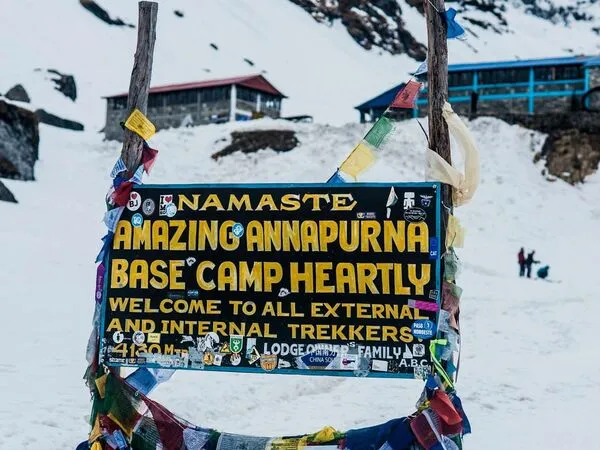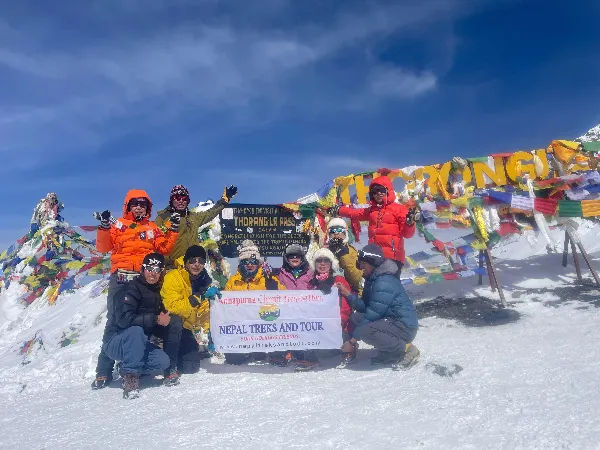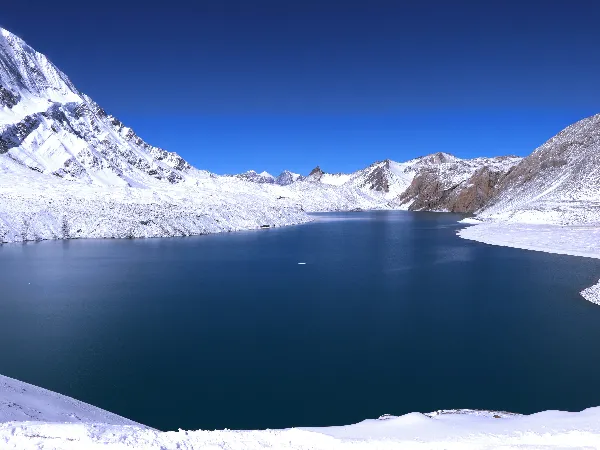

While autumn is widely considered the best time to trek the Annapurna Circuit, mountain weather at over 5,000 meters is always unpredictable. Understanding what to expect each month will help you prepare for a safer and more enjoyable crossing. Generally, September and October have the lowest chance of significant snowfall on Thorong La Pass.
Trails are often dry after the monsoon clears, skies become crystal clear, and visibility is excellent. By November, temperatures begin to drop, and light snowfall becomes more common, particularly toward the second half of the month.
Most snowfall melts quickly during sunny days, but overnight freezing can create icy sections on the trail.Heavy snowstorms are less common than in winter, but they are still possible. High-altitude weather in the Himalayas can change rapidly, and conditions should never be underestimated.
What to Expect by Month
September
Early September may still see occasional post-monsoon showers, especially on the southern side of the Annapurna range. As the month progresses, conditions improve significantly.
Typical conditions include:
- Mild daytime temperatures
- Green landscapes after the monsoon
- Increasingly clear mountain views
- Minimal snow on Thorong La Pass
This is a good month for trekkers who prefer fewer crowds.
October
October is widely regarded as the best month for the Annapurna Circuit.
Weather is generally stable, skies are exceptionally clear, and trail conditions are usually at their best.
Expect:
- Excellent visibility
- Comfortable daytime trekking temperatures
- Cold mornings and evenings
- Very little snow on the pass in normal years
Because of these favorable conditions, October is also the busiest trekking month.
If you're deciding when to visit, our Best Time for Annapurna Circuit Trek guide explains seasonal weather, temperatures, and crowd levels in detail.
November
November offers some of the clearest mountain views of the year, but colder temperatures begin to influence conditions at higher elevations.
Trekkers should expect:
- Freezing temperatures before sunrise
- Frost on the trails
- Occasional fresh snowfall
- Ice on shaded sections near Thorong La
Most trekkers still cross the pass successfully throughout November, but warm clothing and careful footing become increasingly important.
Can Snow Close Thorong La Pass?
Yes, Although autumn is considered a reliable trekking season, a strong weather system can bring heavy snowfall that temporarily closes Thorong La Pass.
Closures are uncommon in October but become slightly more likely toward late November.
If significant snowfall occurs, local guides, lodge owners, and authorities may advise waiting for trail conditions to improve rather than attempting the crossing immediately.
This is one of the reasons trekking with an experienced guide is highly recommended during high-altitude treks.
How Cold Does Thorong La Get in Autumn?
Temperatures vary depending on the month and time of day.
Typical conditions include:
- Daytime near the pass: around -5°C to 5°C
- Early morning crossings: often -10°C or colder
- Wind chill can make it feel significantly colder.
Most trekkers begin crossing the pass before sunrise to avoid stronger afternoon winds, making proper layering essential.
What Should You Pack?
Even if the forecast looks favorable, prepare for winter-like conditions at high altitude.
Essential clothing includes:
- Insulated down jacket
- Waterproof outer shell
- Thermal base layers
- Warm trekking gloves
- Wool or fleece hat
- Neck gaiter or buff
- Warm hiking socks
- Sunglasses with UV protection
- Trekking poles for stability on icy sections
Microspikes are usually unnecessary in normal autumn conditions, but guides may recommend them if recent snowfall has created icy trails.
For a complete equipment checklist and preparation advice, visit our Complete Guide to Annapurna Circuit Trek.
Does Snow Affect Acclimatization?
Snow itself doesn't increase the risk of altitude sickness, but colder temperatures can make trekking more physically demanding.
Regardless of the season:
- Ascend gradually
- Stay hydrated
- Eat regular meals
- Avoid rushing to higher elevations
- Include acclimatization days, especially in Manang
Proper acclimatization is far more important than worrying about light snowfall.
Autumn remains the most dependable season for crossing Thorong La Pass. While September and October usually offer dry trails and outstanding mountain views, November brings colder temperatures and an increased chance of fresh snowfall.
The key to a successful crossing isn't avoiding snow entirely—it's preparing for changing mountain conditions. By trekking with proper equipment, allowing enough time for acclimatization, and staying flexible with your itinerary, you can safely enjoy one of the most spectacular high mountain passes in the Himalayas.
FAQs
Is October the safest month to cross Thorong La Pass?
For most years, yes. October typically provides the most stable weather, excellent visibility, and minimal snowfall, making it one of the safest and most popular times to complete the Annapurna Circuit.
Can I cross Thorong La after fresh snowfall?
It depends on the amount of snow and current weather conditions. Light overnight snowfall often melts or is compacted by trekkers, while heavy snow may require waiting until the trail is considered safe. Always follow the advice of your guide and local authorities.
Will I need crampons in autumn?
Most trekkers do not need crampons during September or October. However, after an unexpected snowfall in late autumn, lightweight traction devices such as microspikes can provide extra stability.
Is autumn better than spring for the Annapurna Circuit?
Both seasons offer excellent trekking conditions. Autumn is generally known for clearer skies and drier weather, while spring brings blooming rhododendron forests and slightly warmer temperatures. Your choice depends on whether you prioritize visibility, landscapes, or seasonal scenery.