
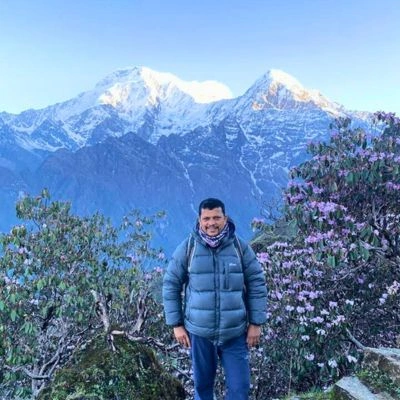
The Annapurna Base Camp Trek offers multiple itinerary options, making it suitable for a wide range of travelers. Whether you choose a classic 10–12 day journey, a short one-week adventure, or a Poon Hill combination route, selecting the right itinerary is the key to enjoying a safe and memorable Himalayan experience.
A carefully planned route, proper preparation, and awareness of ABC difficulty and altitude challenges will help you experience one of Nepal's most spectacular trekking destinations.
Classic Annapurna Base Camp Trek (12 Days)
The classic Annapurna Base Camp Trek remains the most popular option for travelers who want the complete Himalayan experience without rushing the journey.
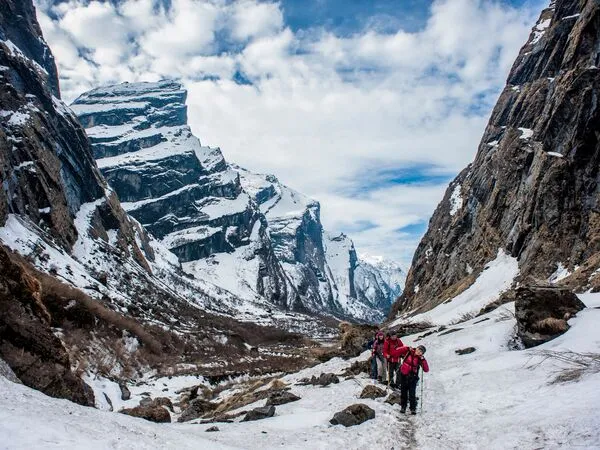
This itinerary follows the traditional route through beautiful Gurung and Magar villages, terraced farmland, dense rhododendron forests, bamboo valleys, and dramatic mountain landscapes before reaching Annapurna Base Camp at 4,130 meters.
A typical route includes:
- Pokhara
- Nayapul or Jhinu Danda
- Chhomrong
- Bamboo
- Deurali
- Machhapuchhre Base Camp
- Annapurna Base Camp
The biggest advantage of the classic itinerary is the gradual ascent, which allows better adaptation to increasing elevation and reduces the chances of problems related to Annapurna Base Camp altitude sickness.
This option is recommended for:
- First-time Himalayan trekkers
- Travelers with enough vacation time
- Photographers
- Families with good fitness
- Those who want a comfortable trekking pace
For complete route details, day-by-day itinerary, permits, packing checklist, and preparation advice, explore our Complete Guide to Annapurna Base Camp Trek.
Short Annapurna Base Camp Trek (10 Days)
For travelers with limited holidays, the short Annapurna Base Camp Trek is an excellent alternative.
By using private transportation to reach closer trailheads and optimizing the itinerary, trekkers can experience the highlight of reaching Annapurna Base Camp within one week.
This option is best suited for:
- Experienced hikers
- Travelers combining Nepal trekking with other activities
- Visitors with limited time
- Repeat Nepal travelers
However, shorter itineraries usually involve longer walking days and faster elevation gain. Because of this, understanding Annapurna Base Camp Trek Difficulty becomes especially important before choosing a compressed route.
Trekkers should have good cardiovascular fitness and prepare properly before attempting a shorter ABC itinerary.
Annapurna Base Camp via Ghorepani Poon Hill
For travelers who want more viewpoints, cultural experiences, and photographic opportunities, combining Poon Hill with Annapurna Base Camp is one of the most rewarding options.
This extended itinerary usually takes around 11–14 days and adds the famous Poon Hill sunrise viewpoint.
Highlights include:
- Sunrise over Annapurna and Dhaulagiri ranges
- Traditional Magar villages
- Rhododendron forests
- Multiple Himalayan viewpoints
- More gradual trekking experience
This route is particularly suitable for first-time visitors who want to experience more of the Annapurna region rather than reaching base camp as quickly as possible.
Annapurna Base Camp Trek with Hot Spring Experience
Many trekkers choose an itinerary that includes Jhinu Danda hot springs after completing the main trek.
After days of hiking through the Himalayas, relaxing in natural hot springs beside the Modi Khola River creates a memorable ending to the journey.
This version is ideal for travelers who want:
- A more relaxing trekking experience
- Additional cultural experiences
- Recovery after high-altitude hiking
- A balanced adventure and wellness journey
Private Annapurna Base Camp Trek
A private ABC Trek provides maximum flexibility compared with fixed group departures.
Advantages include:
- Customized departure dates
- Personalized walking pace
- Flexible rest days
- Private guide and porter support
- Ability to adjust plans based on weather and fitness
Private trekking is especially useful for:
- Couples
- Families
- Older travelers
- Photographers
- Travelers concerned about altitude adaptation
An experienced local guide can monitor your condition, explain early signs of altitude issues, and help manage the challenges associated with trekking above 4,000 meters.
Group Annapurna Base Camp Trek
Group trekking remains a popular choice for solo travelers and budget-conscious adventurers.
Benefits include:
- Lower cost
- Opportunity to meet other trekkers
- Shared experience
- Fixed departure dates
A well-organized group trek still provides professional guides, accommodation arrangements, and safety support while allowing travelers to enjoy the famous Annapurna Sanctuary.
Which Annapurna Base Camp Trek Option Is Best?
The best ABC itinerary depends on your available time, experience, and trekking goals.
Choose the classic 10–12 day ABC Trek if:
- This is your first Nepal trek
- You want comfortable acclimatization
- You prefer shorter daily walking hours
- You want the complete experience
Choose the short 6–8 day ABC Trek if:
- Your holiday is limited
- You have previous trekking experience
- You are comfortable with longer walking days
Choose Poon Hill + ABC if:
- You want more viewpoints
- Photography is your priority
- You want a richer cultural experience
Choose a private trek if:
- You prefer flexibility and personalized service
Best Season for Annapurna Base Camp Trek Options
The trekking season can significantly affect trail conditions, mountain visibility, and overall experience.
The two best seasons are:
Spring (March–May)
Spring is famous for:
- Blooming rhododendron forests
- Mild temperatures
- Colorful landscapes
- Excellent trekking conditions
Autumn (Late September–November)
Autumn is considered the most stable trekking season because of:
-
Clear skies
- Dry trails
- Excellent mountain visibility
- Comfortable temperatures
For detailed monthly weather information, temperatures, and seasonal recommendations, read our Best Time for Annapurna Base Camp Trek guide.
Annapurna Base Camp Trek Difficulty by Route
Understanding difficulty is essential before selecting your itinerary.
The ABC Trek is considered a moderate trek, but difficulty varies depending on the route.
Factors affecting difficulty include:
- Daily walking distance
- Altitude gain
- Weather conditions
- Fitness level
- Backpack weight
The classic route is easier because it allows gradual acclimatization, while shorter versions become more demanding due to faster elevation gain.
Read our complete breakdown of Annapurna Base Camp Trek Difficulty before deciding which itinerary matches your ability.
Managing Annapurna Base Camp Altitude Sickness Risk
Although ABC is not an extreme expedition, the highest point reaches 4,130 meters, where some trekkers may experience altitude-related symptoms.
Common symptoms include:
- Headache
- Shortness of breath
- Reduced appetite
- Fatigue
- Difficulty sleeping
To reduce the risk:
- Ascend gradually
- Stay hydrated
- Avoid rushing
- Eat nutritious meals
- Listen to your body
Understanding Annapurna Base Camp altitude sickness before your trek helps you recognize warning signs early and make safer decisions.
FAQs
How many days are ideal for Annapurna Base Camp Trek?
The ideal duration is usually 10–12 days because it provides enough time for acclimatization and allows you to enjoy villages, forests, and mountain scenery without rushing.
Which Annapurna Base Camp route is easiest?
The classic 10–12 day itinerary is generally the easiest because it follows a gradual ascent and allows better adaptation to altitude.
Can beginners complete Annapurna Base Camp Trek?
Yes. Beginners with good fitness can complete ABC successfully with proper preparation, a realistic itinerary, and a steady walking pace.
Is short ABC Trek safe?
Short ABC itineraries can be safe for experienced trekkers, but they require better fitness because the elevation gain happens faster.