Best Time to Climb Mera Peak: Complete Guide
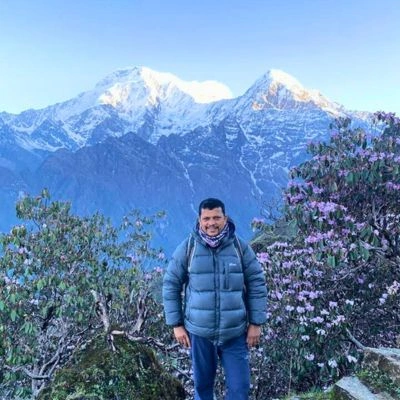
The best time to climb Mera Peak is during spring (March to May) and autumn (late September to November). These seasons offer stable weather, clear Himalayan views, moderate temperatures, and the highest summit success rates. Spring brings warmer days and blooming rhododendron forests, while autumn provides crisp skies, dry trails, and excellent visibility. Both seasons are ideal for beginners and experienced climbers aiming to summit Nepal's highest trekking peak safely.
Why Mera Peak Is One of Nepal's Best Climbing Adventures
Mera Peak is Nepal's highest trekking peak.
It rises to 6,476 meters (21,247 feet) in the remote Hinku Valley of the Everest region.
Although it is classified as a trekking peak, reaching the summit is still a serious mountaineering challenge. Climbers cross glaciers, use crampons, climb fixed ropes, and spend several days above 5,000 meters.
The reward is extraordinary.
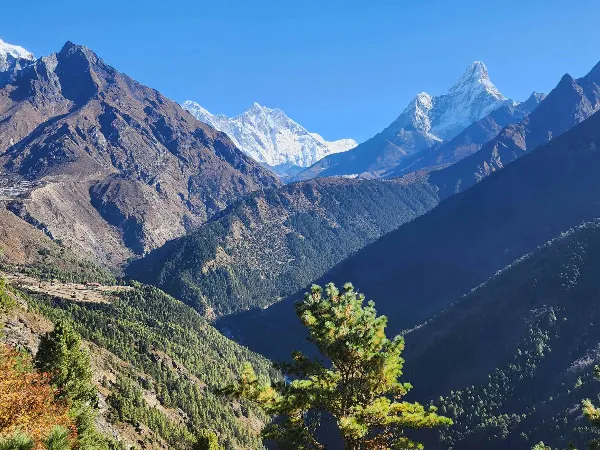
From the summit, you can enjoy one of the finest mountain panoramas in the Himalayas.
On a clear day, five of the world's highest mountains dominate the horizon.
These include:
- Mount Everest (8,848.86 m)
- Lhotse (8,516 m)
- Makalu (8,485 m)
- Cho Oyu (8,188 m)
- Kanchenjunga (8,586 m)
Few trekking peaks offer such an unforgettable view.
Mera Peak at a Glance
| Feature | Details |
|---|---|
| Location | Everest (Khumbu) Region |
| Elevation | 6,476 m (21,247 ft) |
| Peak Type | Trekking Peak |
| Difficulty | Moderate |
| Climbing Duration | 15–18 Days |
| Best Seasons | Spring & Autumn |
| Maximum Altitude | 6,476 m |
| Suitable For | Fit Beginners & Experienced Climbers |
| Technical Skills | Basic Mountaineering Required |
| Summit Views | Everest, Lhotse, Makalu, Cho Oyu, Kanchenjunga |
Why Choosing the Right Season Matters
Many climbers spend months preparing for Mera Peak.
However, choosing the wrong season can reduce your chances of reaching the summit.
Weather in the Himalayas changes quickly.
Strong winds, heavy snowfall, poor visibility, and unstable glacier conditions can affect your safety and success.
Climbing during the right season gives you several advantages.
You can expect:
- Better weather stability.
- Safer climbing conditions.
- More reliable domestic flights.
- Clear mountain views.
- Comfortable daytime temperatures.
- Better acclimatization opportunities.
- Higher summit success rates.
Good planning begins with choosing the right season.
What Is the Best Time to Climb Mera Peak?
For most climbers, spring and autumn are the two best seasons.
These months provide the most stable weather and the safest climbing conditions.
Both seasons are popular with experienced mountaineers and first-time peak climbers.
Seasonal Comparison
| Season | Months | Weather | Visibility | Recommendation |
|---|---|---|---|---|
| Spring | March–May | Stable | Excellent | ⭐⭐⭐⭐⭐ |
| Summer / Monsoon | June–August | Wet | Poor | ⭐⭐ |
| Autumn | September–November | Stable | Outstanding | ⭐⭐⭐⭐⭐ |
| Winter | December–February | Cold | Good | ⭐⭐⭐ |
Spring (March to May): The Best Season for Most Climbers
Spring is widely regarded as the best time to climb Mera Peak.
Temperatures gradually become warmer after winter.
Snow conditions are generally stable.
The days become longer, giving climbers more time during summit pushes.
Lower valleys are filled with blooming rhododendron forests, while the high mountains remain covered in fresh snow.
The combination creates spectacular scenery throughout the expedition.
Why climb in spring?
- Stable weather.
- Comfortable temperatures.
- Longer daylight.
- Beautiful landscapes.
- Reliable summit windows.
- High success rates.
Spring is highly recommended for beginners attempting their first Himalayan peak.
Autumn (Late September to November): The Clearest Mountain Views
Autumn is another outstanding season.
After the summer monsoon, dust and humidity disappear from the atmosphere.
The skies become exceptionally clear.
Photographers especially love this season because mountain visibility is often at its best.
Trails are dry, glaciers are generally stable, and temperatures remain comfortable during the day.
Advantages of autumn
- Crystal-clear mountain views.
- Dry trekking trails.
- Stable weather.
- Comfortable climbing conditions.
- Excellent photography opportunities.
For many experienced climbers, autumn offers the perfect balance between weather and scenery.
Is Spring or Autumn Better?
Both seasons are excellent.
The choice depends on your personal preferences.
| Spring | Autumn |
|---|---|
| Warmer temperatures | Cooler temperatures |
| Blooming forests | Clearer mountain views |
| Longer daylight | Dry post-monsoon trails |
| Slightly busier | Busy during October |
| Great for beginners | Great for photographers |
There is no wrong choice.
If your schedule is flexible, plan your expedition during either April or October.
These months consistently provide the best overall climbing conditions.
Expert Recommendation
If you are climbing Mera Peak for the first time, choose April or October.
These months usually offer:
- Stable weather.
- Excellent visibility.
- Moderate temperatures.
- Better acclimatization conditions.
- Reliable summit opportunities.
They also coincide with the most experienced climbing teams operating in the region.
Mera Peak Weather by Month
Weather is the biggest factor that affects your Mera Peak expedition.
The mountain sits at 6,476 meters, where conditions can change within minutes. A sunny morning can quickly turn into snowfall or strong winds during the afternoon.
Choosing the right month improves your chances of a safe climb and a successful summit.
The table below gives a quick overview of weather conditions throughout the year.
Mera Peak Weather & Climbing Conditions by Month
| Month | Day Temperature | Night Temperature | Weather | Visibility | Climbing Recommendation |
|---|---|---|---|---|---|
| January | -12°C to -20°C | -20°C to -28°C | Very Cold | Good | ⭐⭐☆☆☆ |
| February | -10°C to -18°C | -18°C to -25°C | Cold | Good | ⭐⭐⭐☆☆ |
| March | -8°C to -15°C | -15°C to -22°C | Stable | Excellent | ⭐⭐⭐⭐⭐ |
| April | -5°C to -12°C | -12°C to -18°C | Excellent | Outstanding | ⭐⭐⭐⭐⭐ |
| May | -2°C to -10°C | -10°C to -16°C | Stable | Excellent | ⭐⭐⭐⭐⭐ |
| June | 0°C to -6°C | -8°C to -14°C | Rain & Snow | Poor | ⭐⭐☆☆☆ |
| July | 2°C to -5°C | -6°C to -12°C | Heavy Monsoon | Poor | ⭐☆☆☆☆ |
| August | 2°C to -5°C | -6°C to -12°C | Wet & Cloudy | Poor | ⭐☆☆☆☆ |
| September | -2°C to -8°C | -8°C to -14°C | Improving | Very Good | ⭐⭐⭐⭐☆ |
| October | -5°C to -10°C | -10°C to -18°C | Excellent | Outstanding | ⭐⭐⭐⭐⭐ |
| November | -8°C to -15°C | -15°C to -22°C | Stable | Excellent | ⭐⭐⭐⭐⭐ |
| December | -10°C to -18°C | -18°C to -25°C | Cold | Good | ⭐⭐⭐☆☆ |
What Is the Best Month to Climb Mera Peak?
If you can choose any month, April and October stand out as the best options.
These months usually offer the most stable weather and the clearest mountain views.
Most commercial expeditions also operate during these periods because climbing conditions are generally more reliable.
Why April Is an Excellent Choice
April is one of the busiest climbing months in Nepal.
Snow conditions are usually firm, making glacier travel easier.
Temperatures are warmer than in winter, and daylight lasts longer.
The lower trails are covered with blooming rhododendron forests, creating beautiful scenery throughout the trek.
Many climbers choose April because it offers an excellent balance between comfort and safety.
Why October Is Equally Popular
October arrives after the summer monsoon.
Rain washes dust from the atmosphere, leaving crystal-clear skies across the Himalayas.
Mountain views are often spectacular from the very first day of the trek.
The trails are dry, and weather conditions remain stable.
Photographers especially love October because visibility is usually exceptional.
Spring Climbing Season (March to May)
Spring is considered the most reliable season for climbing Mera Peak.
Snow conditions remain stable, and temperatures gradually become more comfortable.
This season is ideal for climbers attempting their first Himalayan expedition.
Advantages of Spring
- Longer daylight hours.
- Stable weather.
- Comfortable temperatures.
- Beautiful rhododendron forests.
- Reliable summit windows.
- Excellent glacier conditions.
Things to Consider
Spring is the most popular season.
Tea houses and flights can become busy.
Booking several months in advance is recommended.
Autumn Climbing Season (Late September to November)
Autumn is another outstanding season for Mera Peak.
Many experienced climbers actually prefer autumn because the mountain views are incredibly clear.
The post-monsoon atmosphere creates excellent visibility across the Himalayas.
Advantages of Autumn
- Dry trekking trails.
- Stable mountain weather.
- Excellent visibility.
- Comfortable climbing temperatures.
- Lower humidity.
- Stunning sunrise and sunset views.
Things to Consider
October is Nepal's busiest trekking month.
Early reservations are recommended for flights and accommodation.
Winter Climbing (December to February)
Winter offers a completely different experience.
The mountains become quieter, and fresh snow covers much of the route.
However, temperatures become extremely cold.
Strong winds can make summit day much more difficult.
Winter is generally recommended only for experienced climbers who are comfortable in harsh alpine conditions.
Winter Pros
- Fewer climbers.
- Peaceful trails.
- Beautiful snowy landscapes.
- Unique winter experience.
Winter Challenges
- Extremely cold temperatures.
- Strong summit winds.
- Heavy snowfall.
- Increased avalanche risk in some areas.
- More demanding climbing conditions.
Monsoon Season (June to August)
The summer monsoon is the least favorable season for climbing Mera Peak.
Heavy rain affects the lower valleys.
Cloud cover reduces visibility.
Flights to Lukla may also experience delays due to poor weather.
Higher on the mountain, fresh snowfall can create unstable climbing conditions.
Most professional operators avoid scheduling expeditions during this period.
Why Monsoon Is Not Recommended
- Heavy rainfall.
- Muddy trails.
- Leeches in forest sections.
- Poor mountain views.
- Frequent flight delays.
- Wet climbing equipment.
- Increased risk on glaciers.
Unless you have a specific reason to travel during the monsoon, it is better to choose spring or autumn.
Which Season Is Best for Beginners?
If this is your first peak-climbing experience, spring is the best choice.
The weather is generally predictable.
Temperatures are more comfortable.
Longer daylight gives you extra time during summit day.
Autumn is another excellent option, especially if you enjoy photography and crystal-clear mountain views.
Both seasons provide a safe introduction to high-altitude mountaineering when combined with proper acclimatization and experienced guides.
Mera Peak Season Comparison
| Feature | Spring | Autumn | Winter | Monsoon |
|---|---|---|---|---|
| Weather Stability | Excellent | Excellent | Moderate | Poor |
| Visibility | Excellent | Outstanding | Good | Poor |
| Trail Conditions | Very Good | Excellent | Snowy | Wet |
| Glacier Conditions | Stable | Stable | Variable | Variable |
| Temperature | Comfortable | Cool | Very Cold | Mild |
| Photography | Excellent | Outstanding | Good | Poor |
| Beginner Friendly | Yes | Yes | No | No |
| Overall Rating | ⭐⭐⭐⭐⭐ | ⭐⭐⭐⭐⭐ | ⭐⭐⭐ | ⭐ |
Pro Tips for Choosing Your Climbing Season
Selecting the right season is only one part of a successful expedition.
Keep these practical tips in mind:
- Book your expedition at least 4 to 6 months before spring or autumn.
- Add 2 or 3 buffer days to your itinerary in case Lukla flights are delayed.
- Begin physical training at least three months before departure.
- Purchase comprehensive travel insurance that covers high-altitude climbing and emergency helicopter evacuation.
- Rent or buy quality climbing gear instead of choosing the cheapest option.
- Always climb with an experienced, licensed guide.
These small decisions can make a significant difference to your safety and summit success.
Complete Mera Peak Itinerary (15 Days)
This itinerary is designed for trekkers who want a safe, enjoyable, and well-acclimatized climb. It follows the classic route through the beautiful Hinku Valley and includes enough time for altitude adjustment before summit day.
Expert Tip: Never rush your ascent. A gradual climb improves acclimatization and greatly increases your chances of reaching the summit.
Why This Mera Peak Itinerary Works
A successful Mera Peak expedition is not about speed.
It is about reaching the summit safely.
This itinerary follows the golden rule of Himalayan climbing: "Climb high, sleep low, and gain altitude gradually."
It allows your body to adapt naturally while reducing the risk of altitude sickness.
Mera Peak Itinerary
| Day | Route | Elevation | Walking Time |
|---|---|---|---|
| 1 | Arrive in Kathmandu | 1,400 m | — |
| 2 | Fly to Lukla – Trek to Paiya | 2,730 m | 5–6 hrs |
| 3 | Paiya to Pangom | 2,850 m | 5–6 hrs |
| 4 | Pangom to Ningsow | 2,863 m | 5–6 hrs |
| 5 | Ningsow to Chhatra Khola | 2,800 m | 6–7 hrs |
| 6 | Chhatra Khola to Kothe | 3,691 m | 6–7 hrs |
| 7 | Kothe to Thangnak | 4,358 m | 3–4 hrs |
| 8 | Acclimatization at Thangnak | 4,358 m | 3–4 hrs (Hike) |
| 9 | Thangnak to Khare | 5,045 m | 3–4 hrs |
| 10 | Climbing Training at Khare | 5,045 m | 3–5 hrs |
| 11 | Khare to High Camp | 5,780 m | 5–6 hrs |
| 12 | Summit Mera Peak – Return to Khare | 6,476 m | 9–12 hrs |
| 13 | Khare to Kothe | 3,691 m | 5–6 hrs |
| 14 | Kothe to Lukla | 2,860 m | 6–8 hrs |
| 15 | Fly to Kathmandu | 1,400 m | 35 mins |
Why This Itinerary Has a High Summit Success Rate
This itinerary follows internationally accepted acclimatization practices.
It includes:
- Two acclimatization days.
- Gradual altitude gain.
- Professional climbing training.
- Buffer for recovery.
- Safe summit strategy.
- Comfortable descent schedule.
These factors help improve safety while increasing the likelihood of reaching the summit.
Expert Tip
Avoid choosing very short 10- or 12-day Mera Peak itineraries unless you already have recent high-altitude experience. Saving a few days may increase the risk of altitude sickness and reduce your summit success. A well-paced 15-day itinerary offers better acclimatization, a safer ascent, and a more enjoyable overall experience.
How Difficult Is Mera Peak?
Mera Peak is a moderately difficult trekking peak. It is physically demanding because of its high altitude rather than its technical climbing. Most fit beginners can successfully climb Mera Peak with proper training, gradual acclimatization, and the support of an experienced climbing guide.
Mera Peak is often called Nepal's most beginner-friendly trekking peak.
However, don't underestimate the challenge.
The climb reaches 6,476 meters (21,247 feet), where oxygen levels are almost half of those at sea level.
The biggest challenge is not technical climbing.
It is walking for several days at high altitude while managing cold temperatures and fatigue.
Good preparation is the key to success.
Mera Peak Difficulty at a Glance
| Factor | Difficulty |
|---|---|
| Physical Fitness | Moderate to High |
| Technical Climbing | Moderate |
| Altitude | Very High |
| Trekking Distance | Moderate |
| Glacier Travel | Moderate |
| Ice Axe & Crampons | Basic Skills Required |
| Mental Challenge | Moderate |
| Overall Difficulty | ⭐⭐⭐⭐☆ (4/5) |
What Makes Mera Peak Challenging?
Several factors contribute to the difficulty of the climb.
High Altitude
Altitude is the biggest challenge.
Above 5,000 meters, your body receives much less oxygen.
Simple activities become more tiring.
Walking slowly becomes essential.
Long Summit Day
Summit day usually lasts between 9 and 12 hours.
The climb starts shortly after midnight.
You walk for several hours before sunrise.
After reaching the summit, you still need to descend safely.
Good endurance is essential.
Glacier Travel
The upper section crosses the Mera Glacier.
Most climbers use:
- Crampons
- Ice axe
- Helmet
- Harness
- Fixed ropes
These skills are taught during your climbing training at Khare.
Cold Weather
Temperatures on summit day often fall below -20°C.
Strong winds can make it feel even colder.
Proper clothing is just as important as physical fitness.
Can Beginners Climb Mera Peak?
Yes, Many successful climbers attempt Mera Peak as their first Himalayan peak. You do not need advanced mountaineering experience. However, you should have:
- Good physical fitness.
- Strong determination.
- A positive attitude.
- Basic hiking experience.
- Proper preparation.
A licensed climbing guide will teach the technical skills before summit day.
Who Is Mera Peak Suitable For?
Mera Peak is a great choice for:
- First-time peak climbers.
- Experienced trekkers.
- Everest Base Camp trekkers looking for a bigger challenge.
- Adventure travelers.
- Mountaineers preparing for Everest.
- Fit hikers seeking their first 6,000-meter summit.
It may not be suitable for travelers with serious heart, lung, or untreated medical conditions.
Do You Need Previous Climbing Experience?
No, Previous climbing experience is helpful but not essential. Most climbers learn the necessary techniques during the expedition. Professional guides provide instruction on:
- Walking with crampons.
- Using an ice axe.
- Rope safety.
- Glacier travel.
- Fixed rope climbing.
- Summit techniques.
This makes Mera Peak accessible to motivated beginners.
Mera Peak Technical Difficulty
Technically, Mera Peak is not considered an advanced alpine climb.
The route has:
- Snow slopes.
- Glacier crossings.
- Fixed rope sections near the summit.
There are very few exposed rock climbing sections.
This is why Mera Peak is often recommended as a first mountaineering expedition.
Mera Peak Difficulty by Category
| Challenge | Rating |
|---|---|
| Trekking | ⭐⭐⭐☆☆ |
| Altitude | ⭐⭐⭐⭐⭐ |
| Technical Skills | ⭐⭐⭐☆☆ |
| Endurance | ⭐⭐⭐⭐☆ |
| Cold Weather | ⭐⭐⭐⭐☆ |
| Overall | ⭐⭐⭐⭐☆ |
Physical Fitness Requirements
Good fitness improves both safety and enjoyment.
You do not need to be an elite athlete.
However, you should comfortably walk for 6 to 8 hours each day while carrying a small backpack.
A strong cardiovascular system helps your body adapt to high altitude.
How to Train for Mera Peak
Start training at least three months before your expedition.
Focus on endurance rather than speed.
Weekly Training Plan
| Exercise | Frequency |
|---|---|
| Hiking | 2–3 Days |
| Running or Cycling | 3 Days |
| Stair Climbing | 2 Days |
| Strength Training | 2 Days |
| Stretching | Daily |
| Rest Day | 1 Day |
Consistency is more important than intensity.
Best Exercises for Mera Peak
Include exercises that build stamina and leg strength.
Good options include:
- Long-distance hiking.
- Stair climbing.
- Running.
- Cycling.
- Swimming.
- Squats.
- Lunges.
- Core exercises.
- Planks.
- Backpack walking.
Train with the boots and backpack you plan to use during the expedition.
Altitude Sickness on Mera Peak
Altitude sickness can affect anyone.
It does not matter how fit or experienced you are.
The risk increases above 3,500 meters.
Recognizing symptoms early is important.
Common Symptoms of Altitude Sickness
Watch for:
- Headache.
- Loss of appetite.
- Nausea.
- Fatigue.
- Dizziness.
- Difficulty sleeping.
- Shortness of breath.
Tell your guide immediately if symptoms become worse.
Never ignore altitude sickness.
How to Prevent Altitude Sickness
The best treatment is prevention.
Follow these simple tips:
- Walk slowly.
- Drink 3–4 liters of water daily.
- Eat nutritious meals.
- Avoid alcohol.
- Sleep well.
- Never skip acclimatization days.
- Follow your guide's advice.
A gradual ascent is the safest strategy.
Mera Peak Acclimatization Strategy
Our itinerary includes dedicated acclimatization days.
These allow your body to adjust naturally.
The "climb high, sleep low" approach helps reduce the risk of Acute Mountain Sickness (AMS).
Patience is one of the most important skills at high altitude.
Mera Peak vs Island Peak Difficulty
Many climbers compare these two famous trekking peaks.
| Feature | Mera Peak | Island Peak |
|---|---|---|
| Height | 6,476 m | 6,189 m |
| Technical Difficulty | Moderate | More Technical |
| Glacier Travel | Yes | Yes |
| Steep Ice Climbing | Limited | More Frequent |
| Fixed Rope Sections | Short | Longer |
| Suitable for Beginners | Yes | Better with Previous Experience |
| Physical Challenge | High | High |
| Overall Difficulty | ⭐⭐⭐⭐☆ | ⭐⭐⭐⭐⭐ |
Mera Peak is generally considered the better choice for first-time climbers, while Island Peak requires more technical climbing skills.
Is Mera Peak Harder Than Everest Base Camp Trek?
Yes, Although the trekking route is similar in effort, Mera Peak adds several challenges. These include:
- Higher altitude.
- Glacier travel.
- Climbing equipment.
- Summit day above 6,000 meters.
- Cold alpine conditions.
If you have completed the Everest Base Camp Trek, Mera Peak is a natural next step.
Expert Tips to Improve Your Summit Success
Our experienced climbing guides recommend the following:
- Train for at least 12 weeks before your trip.
- Break in your boots before arriving in Nepal.
- Pack quality cold-weather clothing.
- Stay hydrated every day.
- Eat even when your appetite is low.
- Walk at a steady pace instead of rushing.
- Trust your guide's experience.
- Keep a positive mindset.
These small habits often make the biggest difference on summit day.
How Much Does It Cost to Climb Mera Peak?
The average Mera Peak expedition costs between USD 2,000 and USD 3,500 per person. The final price depends on the itinerary, group size, guide services, accommodation, permits, domestic flights, and equipment.
A well-organized expedition may cost more, but it usually provides better safety, experienced guides, and higher summit success.
Remember, the cheapest package is not always the best value.
Average Mera Peak Cost Breakdown
| Expense | Estimated Cost (USD) |
|---|---|
| Climbing Permit | $70–$250* |
| Makalu Barun National Park Permit | $30 |
| Local Municipality Fee | $20–$30 |
| Kathmandu–Lukla Flights | $400–$500 (Round Trip) |
| Accommodation | Usually Included |
| Meals During Trek | Usually Included |
| Licensed Climbing Guide | Usually Included |
| Porter Service | Usually Included |
| Climbing Equipment (Rental) | $150–$350 |
| Travel Insurance | $150–$300 |
| Personal Expenses | $150–$400 |
Expert Note: The climbing permit fee varies depending on the climbing season.
What Is Usually Included?
Most reputable expedition operators include almost everything you need.
A standard package often covers:
- Airport transfers.
- Hotel in Kathmandu.
- Domestic flights.
- Trekking permits.
- Climbing permits.
- Licensed climbing guide.
- Porter service.
- Tea house accommodation.
- Meals during the trek.
- Group climbing equipment.
- First aid kit.
- Expedition briefing.
Always read the package details before booking.
What Is Usually Not Included?
Some expenses remain your responsibility.
These often include:
- International flights.
- Nepal visa fee.
- Personal climbing gear.
- Travel insurance.
- Hot showers.
- Battery charging.
- Wi-Fi.
- Tips for guides and porters.
- Personal snacks and drinks.
Planning these costs in advance helps avoid surprises.
Mera Peak Permits
Several permits are required before climbing Mera Peak. Your trekking agency normally arranges these on your behalf.
| Permit | Required | Purpose |
|---|---|---|
| Nepal Mountaineering Association Climbing Permit | Yes | Peak climbing |
| Makalu Barun National Park Permit | Yes | Conservation area entry |
| Local Municipality Permit | Yes | Local tourism management |
Carry both printed and digital copies whenever possible.
Why Are Permits Important?
Permits are more than paperwork.
They help protect fragile mountain environments and support local conservation efforts.
Permit fees also contribute to trail maintenance and community development.
By obtaining the correct permits, you help preserve Nepal's mountain regions for future generations.
Mera Peak Packing List
Packing the right equipment can make your expedition much safer and more comfortable.
Choose lightweight gear without sacrificing quality.
Warm, reliable clothing is essential at high altitude.
Clothing Checklist
| Item | Recommended |
|---|---|
| Base Layers | 2 Sets |
| Fleece Jacket | 1 |
| Down Jacket | 1 |
| Waterproof Jacket | 1 |
| Waterproof Pants | 1 |
| Trekking Pants | 2 |
| Thermal Gloves | 2 Pairs |
| Warm Hat | 1 |
| Sun Hat | 1 |
| Neck Buff | 1 |
Layering keeps you warm while allowing you to adjust as temperatures change throughout the day.
Footwear
Good boots are one of the best investments you can make.
Choose boots that are already broken in before your expedition.
Avoid wearing brand-new boots on the mountain.
Recommended Footwear
- Mountaineering boots.
- Camp shoes.
- Gaiters.
- Warm trekking socks.
- Liner socks.
Dry feet stay warmer and reduce the risk of blisters.
Essential Climbing Equipment
Most technical equipment can be rented in Kathmandu.
This is a good option if you do not climb regularly.
Equipment Checklist
| Equipment | Required |
|---|---|
| Crampons | ✔ |
| Ice Axe | ✔ |
| Climbing Harness | ✔ |
| Helmet | ✔ |
| Ascender | ✔ |
| Descender | ✔ |
| Carabiners | ✔ |
| Mountaineering Rope | Provided by Guide |
| Trekking Poles | Highly Recommended |
Your guide will explain how to use each item before summit day.
Sleeping Gear
Nights above 5,000 meters are extremely cold.
Choose a sleeping bag rated to at least -20°C.
Bring an insulated sleeping mat if your itinerary includes camping.
A warm night's sleep helps your body recover.
Personal Items
Small essentials are easy to overlook.
Pack:
- Sunglasses with UV protection.
- Sunscreen (SPF 50+).
- Lip balm.
- Headlamp with spare batteries.
- Water bottles.
- Thermos flask.
- Personal medications.
- Power bank.
- Camera.
These items add comfort without adding much weight.
Can I Rent Climbing Gear in Kathmandu?
Yes, Kathmandu has many reputable outdoor gear shops.
You can rent:
- Boots.
- Crampons.
- Ice axe.
- Harness.
- Helmet.
- Down jacket.
- Sleeping bag.
Renting is often more affordable than purchasing new equipment for a single expedition.
Do I Need Travel Insurance?
Yes, Travel insurance is essential for Mera Peak. Choose a policy that covers:
- Trekking above 6,000 meters.
- Peak climbing.
- Emergency helicopter evacuation.
- Medical treatment.
- Trip cancellation.
- Flight delays.
Read the policy carefully before purchasing.
Accommodation on Mera Peak
Most nights are spent in traditional tea houses.
Rooms are simple but comfortable.
Higher on the mountain, facilities become more basic.
At High Camp, you usually sleep in expedition tents.
Expect shared dining rooms and warm local hospitality.
Food During the Expedition
Good nutrition is important at altitude.
Tea houses usually serve freshly prepared meals.
Popular dishes include:
- Dal Bhat.
- Fried rice.
- Noodles.
- Pasta.
- Soup.
- Potatoes.
- Eggs.
- Pancakes.
- Tea and coffee.
Eat regularly, even if your appetite decreases.
Your body needs extra energy at high altitude.
Expert Tips to Save Money Without Sacrificing Safety
Many climbers try to reduce costs.
Some choices are smart.
Others are risky.
A few practical suggestions:
- Book directly with a licensed local operator.
- Rent technical equipment in Kathmandu.
- Travel in spring or autumn for reliable logistics.
- Join a small group to share costs.
- Never compromise on guide quality or insurance.
Saving money is helpful.
Compromising on safety is not.
Mera Peak vs Island Peak: Which One Should You Choose?
This is one of the most common questions climbers ask.
Both peaks are located in Nepal's Everest region.
Both rise above 6,000 meters.
Both offer unforgettable Himalayan views.
However, they are very different climbing experiences.
Your choice should depend on your fitness, climbing experience, and future goals.
Quick Comparison
| Feature | Mera Peak | Island Peak |
|---|---|---|
| Elevation | 6,476 m | 6,189 m |
| Region | Hinku Valley | Khumbu Valley |
| Difficulty | Moderate | Moderate to Difficult |
| Technical Climbing | Basic | More Advanced |
| Glacier Crossing | Yes | Yes |
| Fixed Rope Sections | Short | Longer & Steeper |
| Summit Day | Long | Steep & Technical |
| Best for Beginners | Yes | Better with Some Experience |
| Everest Training | Excellent | Excellent |
| Overall Challenge | ⭐⭐⭐⭐☆ | ⭐⭐⭐⭐⭐ |
Why Choose Mera Peak?
Mera Peak is the highest trekking peak in Nepal.
Its climbing route is less technical than Island Peak.
This makes it a popular choice for first-time climbers.
The focus is on endurance rather than advanced climbing skills.
You also enjoy one of the best summit panoramas in the Himalayas.
Mera Peak Is Ideal If You Want To:
- Climb your first 6,000-meter peak.
- Gain high-altitude experience.
- Learn basic mountaineering skills.
- Prepare for bigger expeditions.
- Enjoy quieter trekking trails.
- Experience remote Himalayan landscapes.
Why Choose Island Peak?
Island Peak is shorter than Mera Peak.
However, it is technically more demanding.
The final section includes steeper snow slopes and longer fixed rope climbing.
Many climbers attempt Island Peak after gaining experience on peaks like Mera.
Island Peak Is Better If You:
- Already have climbing experience.
- Enjoy technical climbing.
- Are comfortable using fixed ropes.
- Want a more challenging summit day.
- Plan to climb more advanced Himalayan peaks.
Mera Peak vs Lobuche East
Another popular comparison is Mera Peak versus Lobuche East.
Both are excellent climbing peaks.
However, they offer different challenges.
Comparison Table
| Feature | Mera Peak | Lobuche East |
|---|---|---|
| Height | 6,476 m | 6,119 m |
| Technical Difficulty | Moderate | Difficult |
| Rock Climbing | Minimal | More Frequent |
| Glacier Travel | Yes | Yes |
| Fixed Rope | Short | Longer |
| Summit Ridge | Wide | Narrow |
| Best for Beginners | Yes | Better After Experience |
Lobuche East demands stronger climbing skills.
Mera Peak focuses more on endurance and altitude.
Mera Peak vs Everest Base Camp Trek
Many trekkers wonder which adventure is more difficult.
The answer depends on your goal.
Everest Base Camp is a trekking adventure.
Mera Peak is a trekking and climbing expedition.
Comparison
| Feature | Everest Base Camp | Mera Peak |
|---|---|---|
| Maximum Altitude | 5,364 m | 6,476 m |
| Technical Climbing | No | Yes |
| Glacier Crossing | No | Yes |
| Summit | No | Yes |
| Climbing Equipment | No | Yes |
| Physical Challenge | High | Very High |
If you have already completed Everest Base Camp, Mera Peak is an excellent next challenge.
Why Mera Peak Is the Perfect Peak Before Everest
Many Everest climbers begin their mountaineering journey on Mera Peak.
There is a good reason for this.
It introduces you to real expedition conditions without the extreme technical difficulty of Everest.
You experience:
- Sleeping above 5,000 meters.
- Walking on glaciers.
- Using crampons.
- Climbing with fixed ropes.
- Managing cold temperatures.
- Climbing above 6,000 meters.
- Long summit days.
These skills build confidence for future Himalayan expeditions.
What Will You Learn on Mera Peak?
Your climbing guide will teach practical mountain skills.
These include:
| Skill | Learn During Expedition |
|---|---|
| Walking with Crampons | ✔ |
| Ice Axe Techniques | ✔ |
| Fixed Rope Safety | ✔ |
| Glacier Travel | ✔ |
| Rope Management | ✔ |
| High Altitude Movement | ✔ |
| Layering Clothing | ✔ |
| Summit Strategy | ✔ |
These lessons prepare you for larger mountains.
Is Mera Peak Safe?
Yes, Mera Peak is considered one of Nepal's safest trekking peaks when climbed during the proper season.
Safety depends more on preparation than luck.
Choose an experienced local climbing company.
Follow your guide's instructions.
Respect the mountain.
How Safe Is Mera Peak?
Several factors improve safety.
These include:
- Experienced climbing guides.
- Proper acclimatization.
- Good weather planning.
- Modern climbing equipment.
- Emergency communication.
- Flexible itinerary.
Good planning greatly reduces unnecessary risks.
Common Risks on Mera Peak
Every high-altitude climb carries some risk.
Understanding these challenges helps you prepare.
| Risk | Prevention |
|---|---|
| Altitude Sickness | Slow ascent & acclimatization |
| Cold Weather | Proper clothing |
| Dehydration | Drink 3–4 litres daily |
| Fatigue | Train before the expedition |
| Slippery Ice | Use crampons correctly |
| Weather Changes | Follow your guide's advice |
Preparation is your best protection.
Safety Tips for a Successful Summit
Small habits make a big difference.
Take your time every day.
Never compete with other climbers.
Listen to your body.
Stay hydrated.
Eat well.
Sleep whenever possible.
Most importantly, trust your guide.
Expert Advice
Successful climbers rarely rush.
They walk at a steady pace.
They save energy for summit day.
Slow climbing often leads to better results than climbing fast.
Common Mistakes First-Time Climbers Make
Many summit attempts fail because of simple mistakes.
Avoid these common errors.
Training Too Late
Start preparing at least three months before your expedition.
Buying Cheap Boots
Poor footwear causes blisters and cold feet.
Invest in quality boots.
Carrying Too Much Weight
Pack only what you need.
A lighter backpack saves energy.
Drinking Too Little Water
Dehydration increases the risk of altitude sickness.
Drink regularly throughout the day.
Ignoring Your Guide
Your guide understands mountain conditions.
Follow their advice.
It can make the difference between success and turning back.
What Is the Summit Success Rate?
Mera Peak has one of the highest success rates among Nepal's trekking peaks.
When climbers choose the right season, follow a proper acclimatization schedule, and climb with experienced guides, summit success is generally very high.
The most common reasons for turning back include:
- Poor weather.
- Altitude sickness.
- Inadequate preparation.
- Lack of fitness.
- Rushing the itinerary.
Choosing a quality operator significantly improves your chances of reaching the summit.
Expert Recommendation
If Mera Peak is your first Himalayan climb, choose a 15-day itinerary, travel during April or October, and train consistently before arriving in Nepal. Good preparation, experienced guides, and patience are the three biggest factors behind a successful summit.
Our experienced climbing team provides professional guidance from your arrival in Kathmandu to your summit and return.
When you travel with us, you benefit from:
- Licensed and experienced climbing guides.
- Carefully planned itineraries with proper acclimatization.
- Small group departures.
- Transparent pricing with no hidden costs.
- High safety standards.
- Personalized service before and during your expedition.
- 24/7 local support in Nepal.
Whether you are attempting your first Himalayan peak or preparing for larger expeditions, we are here to help you achieve your goal with confidence. If you are looking for an unforgettable Himalayan adventure, Mera Peak is one of the best choices in Nepal.
FAQs
What is the best time to climb Mera Peak?
The best time to climb Mera Peak is during spring (March to May) and autumn (late September to November). These seasons offer stable weather, clear skies, comfortable temperatures, and the highest summit success rates. April and October are generally considered the best months.
What is the best month to climb Mera Peak?
April and October are the most popular months. They provide excellent visibility, stable mountain weather, and ideal climbing conditions.
How difficult is Mera Peak?
Mera Peak is a moderately difficult trekking peak. The biggest challenge is the high altitude rather than technical climbing. With good fitness, proper acclimatization, and experienced guides, many beginners successfully reach the summit.
Can beginners climb Mera Peak?
Yes. Mera Peak is suitable for fit beginners. No previous mountaineering experience is required, although basic trekking experience is helpful. Your climbing guide will provide training before the summit attempt.
How many days does it take to climb Mera Peak?
Most expeditions take 15 to 18 days. This allows enough time for trekking, acclimatization, climbing training, and the summit push.
How high is Mera Peak?
Mera Peak stands at 6,476 meters (21,247 feet), making it Nepal's highest trekking peak.
Do I need climbing experience?
No. Most climbers learn the basic climbing techniques during the expedition. Your guide will teach you how to use crampons, an ice axe, a harness, and fixed ropes.
Is Mera Peak harder than Everest Base Camp Trek?
Yes. Mera Peak is more challenging because it involves climbing above 6,000 meters, glacier travel, and the use of mountaineering equipment. Everest Base Camp is a high-altitude trek but does not require technical climbing.
How fit do I need to be?
You should be able to hike for 6 to 8 hours each day with a light backpack. Good endurance and cardiovascular fitness are more important than speed.
How cold is Mera Peak?
Summit temperatures can drop below -20°C. Wind chill often makes it feel even colder, so warm clothing and proper layering are essential.
Is altitude sickness common on Mera Peak?
Altitude sickness can affect anyone above 3,500 meters. Following a gradual itinerary, drinking plenty of water, and taking acclimatization days greatly reduce the risk.
What permits are required?
You will need:
- Nepal Mountaineering Association Climbing Permit
- Makalu Barun National Park Permit
- Local Municipality Permit
Most licensed trekking agencies arrange these permits for you.
Can I rent climbing equipment in Kathmandu?
Yes. Kathmandu has many reliable gear rental shops. You can rent crampons, boots, an ice axe, a helmet, a harness, a down jacket, and a sleeping bag.
Is travel insurance mandatory?
Yes. Your insurance should cover trekking and climbing above 6,000 meters, emergency helicopter evacuation, and medical expenses.
What mountains can I see from the summit?
On a clear day, you can see:
- Mount Everest
- Lhotse
- Makalu
- Cho Oyu
- Kanchenjunga
- Nuptse
- Ama Dablam
- Baruntse
This is one of the finest panoramic views in the Himalayas.
Is Mera Peak worth climbing?
Absolutely. Mera Peak offers a rewarding combination of trekking, basic mountaineering, and breathtaking Himalayan scenery. It is one of the best choices for climbers looking to experience their first summit above 6,000 meters.
What accommodation is available?
Most nights are spent in traditional tea houses. At High Camp, climbers usually stay in expedition tents before the summit push.
What food is served during the trek?
Tea houses offer freshly prepared meals, including Dal Bhat, fried rice, noodles, soups, eggs, potatoes, pancakes, and hot drinks. These meals provide the energy needed for high-altitude trekking.
Can I combine Mera Peak with other treks?
Yes. Many climbers combine Mera Peak with the Everest Base Camp Trek, the Amphu Lapcha Pass, or Island Peak for a longer Himalayan adventure.
Should I book directly with a local trekking agency?
Yes. Booking directly with a licensed local Nepal trekking agency often provides better value, personalized service, experienced guides, and direct local support throughout your expedition.
Need Help? Call Us
Need Help? Call Us+9779851013072