Planning an Everest trek is exciting, but choosing the right route can be difficult. Many trekkers ask the same question. Should I trek to Everest Base Camp? Should I choose the beautiful Gokyo Lakes? Or should I challenge myself with the famous Three Passes Trek?
The answer depends on your fitness level, trekking experience, travel time, and what you want to see in the Himalayas. Some people dream of standing at Everest Base Camp. Others want peaceful trails and crystal-clear alpine lakes. Experienced hikers often look for the biggest adventure in the Everest region.
The good news is that every route offers unforgettable mountain views, welcoming Sherpa villages, and a once-in-a-lifetime Himalayan experience.
In this guide, we compare all three treks in detail. You will learn about the difficulty, scenery, altitude, walking distance, costs, accommodation, best season, and which each trek is best suited for.
By the end of this guide, you will know exactly which Everest trek matches your adventure goals.
Quick Comparison Table
|
Feature
|
Everest Base Camp Trek
|
Gokyo Lakes Trek
|
Everest Three Passes Trek
|
|
Duration
|
12–14 Days
|
12–14 Days
|
17–20 Days
|
|
Maximum Altitude
|
5,545 m (Kala Patthar)
|
5,357 m (Gokyo Ri)
|
5,535 m (Kongma La Pass)
|
|
Trek Difficulty
|
Moderate
|
Moderate
|
Challenging
|
|
Daily Walking
|
5–7 Hours
|
5–7 Hours
|
6–9 Hours
|
|
Total Distance
|
130 km
|
120 km
|
170 km+
|
|
Best For
|
First-time trekkers
|
Scenic lovers
|
Experienced hikers
|
|
Crowds
|
High
|
Moderate
|
Low
|
|
Mountain Views
|
Excellent
|
Outstanding
|
Exceptional
|
|
Highest Viewpoint
|
Kala Patthar
|
Gokyo Ri
|
Kala Patthar & Gokyo Ri
|
|
Budget
|
$$
|
$$
|
$$$
|
|
Physical Fitness
|
Moderate
|
Moderate
|
High
|
|
Success Rate
|
Very High
|
Very High
|
Moderate
|
What Makes Each Everest Trek Unique?
Although all three treks are located inside the Sagarmatha National Park, they offer very different experiences.
Each route has its own highlights, landscapes, and level of adventure.
Understanding these differences will help you choose the right trek.
Everest Base Camp Trek Overview
The Everest Base Camp Trek is Nepal's most famous trekking route.
It attracts thousands of trekkers from around the world every year.
The journey begins with the exciting flight to Lukla before following the Dudh Koshi River through Sherpa villages, forests, suspension bridges, and Buddhist monasteries.
Along the way, you visit Namche Bazaar, Tengboche Monastery, Dingboche, Lobuche, and finally Everest Base Camp.
Most trekkers also hike to Kala Patthar, one of the best viewpoints in the Himalayas.
From here, you can enjoy spectacular views of Mount Everest, Nuptse, Pumori, and many surrounding peaks.
This trek is ideal for people who want to experience the classic Everest adventure without taking on extremely technical challenges.
Best For
- First-time Everest trekkers
- Bucket-list adventures
- Families with trekking experience
- Photographers
- Adventure travelers
Gokyo Lakes Trek Overview
The Gokyo Lake Trek follows a quieter trail through the western side of the Everest region.
Instead of heading directly to Everest Base Camp, the route leads to a series of beautiful turquoise lakes surrounded by snow-covered mountains.
The biggest highlight is Gokyo Ri.
Many experienced trekkers believe the panorama from Gokyo Ri is even better than Kala Patthar.
From the summit, you can see Everest, Cho Oyu, Lhotse, Makalu, and countless Himalayan peaks stretching across the horizon.
Another unique feature is crossing the Ngozumpa Glacier, the longest glacier in Nepal.
Compared with Everest Base Camp, this trail has fewer trekkers and offers a more peaceful experience.
Best For
- Nature lovers
- Landscape photographers
- Couples
- Travelers seeking quieter trails
- Repeat visitors to Everest
Everest Three Passes Trek Overview
The Everest Three Passes Trek is considered the ultimate trekking adventure in the Everest region.
It combines almost every famous attraction into one incredible journey.
Trekkers visit Everest Base Camp, Kala Patthar, Gokyo Lakes, Gokyo Ri, and cross three spectacular mountain passes.
These include:
- Kongma La Pass (5,535 m)
- Cho La Pass (5,420 m)
- Renjo La Pass (5,360 m)
The route is physically demanding and requires good endurance because of the long walking days and repeated high-altitude crossings.
However, the rewards are extraordinary.
You experience remote valleys, dramatic glaciers, fewer crowds, and some of the finest mountain scenery anywhere in the Himalayas.
For experienced trekkers, many consider this the best trekking route in Nepal.
Best For
- Experienced trekkers
- Adventure seekers
- High-altitude enthusiasts
- Repeat visitors to Nepal
- Long trekking holidays
Which Everest Trek Is Right for You?
Each route offers something different.
If your dream is to stand at the foot of the world's highest mountain, Everest Base Camp is the obvious choice.
If you prefer peaceful lakes, fewer crowds, and breathtaking panoramic viewpoints, Gokyo Lakes is hard to beat.
If you want to experience everything the Everest region has to offer, the Three Passes Trek delivers the ultimate Himalayan adventure.
In the next section, we will compare all three treks side by side, including difficulty, altitude, walking distance, scenery, accommodation, costs, fitness requirements, and safety to help you make the best decision.
Now that you understand the highlights of each trek, let's compare them side by side.
The table below gives you a quick overview before we explain each section in detail.
Everest Base Camp vs Gokyo Lakes vs Three Passes Trek Comparison
|
Feature
|
Everest Base Camp Trek
|
Gokyo Lakes Trek
|
Everest Three Passes Trek
|
|
Difficulty
|
Moderate
|
Moderate
|
Challenging
|
|
Trek Duration
|
12–14 Days
|
12–14 Days
|
17–20 Days
|
|
Total Distance
|
130 km
|
120 km
|
170–190 km
|
|
Highest Elevation
|
Kala Patthar (5,545 m)
|
Gokyo Ri (5,357 m)
|
Kongma La Pass (5,535 m)
|
|
Daily Walking
|
5–7 Hours
|
5–7 Hours
|
6–9 Hours
|
|
Mountain Views
|
Excellent
|
Outstanding
|
Exceptional
|
|
Lakes
|
No
|
Yes
|
Yes
|
|
Everest Base Camp
|
Yes
|
No
|
Yes
|
|
High Passes
|
No
|
No
|
Three
|
|
Crowd Level
|
High
|
Medium
|
Low
|
|
Physical Fitness
|
Moderate
|
Moderate
|
Excellent
|
|
Accommodation
|
Tea Houses
|
Tea Houses
|
Tea Houses
|
|
Best for Beginners
|
Excellent
|
Good
|
Not Recommended
|
|
Overall Adventure
|
★★★★★
|
★★★★★
|
★★★★★+
|
Difficulty Comparison
Choosing a trek that matches your fitness level is one of the most important decisions.
Although all three routes reach high altitude, they are not equally difficult.
Everest Base Camp Trek Difficulty
Everest Base Camp is considered a moderate trek.
The trail is well established and easy to follow.
There are no technical climbing sections.
Most people with good physical fitness can complete the trek after preparing with regular walking, hiking, or cardio exercises.
Altitude is the biggest challenge rather than the trail itself.
Gokyo Lakes Trek Difficulty
The Gokyo Lakes Trek has a similar difficulty level to Everest Base Camp.
Daily walking hours are almost the same.
However, the trail is quieter and includes glacier crossings near Ngozumpa Glacier.
The climb to Gokyo Ri is steep but rewarding.
Overall, it is still suitable for first-time trekkers with good preparation.
Everest Three Passes Trek Difficulty
The Three Passes Trek is significantly more demanding.
Trekkers cross three mountain passes above 5,300 meters.
Walking days are longer.
Altitude gain is greater.
Weather conditions can also change quickly.
This trek is recommended only for experienced hikers with excellent fitness and previous high-altitude trekking experience.
Altitude Comparison
Altitude affects every trekker differently.
Proper acclimatization is essential on all three routes.
|
Trek
|
Highest Point
|
Altitude
|
|
Everest Base Camp Trek
|
Kala Patthar
|
5,545 m
|
|
Gokyo Lakes Trek
|
Gokyo Ri
|
5,357 m
|
|
Three Passes Trek
|
Kongma La Pass
|
5,535 m
|
Although Everest Base Camp reaches the highest viewpoint, the Three Passes Trek spends more time above 5,000 meters.
This makes it physically more demanding.
Trek Duration Comparison
The amount of time you have available may help you choose the best route.
|
Trek
|
Typical Duration
|
|
Everest Base Camp
|
12–14 Days
|
|
Gokyo Lakes
|
12–14 Days
|
|
Three Passes
|
17–20 Days
|
If you have only two weeks, Everest Base Camp or Gokyo Lakes is usually the better option.
If you have three weeks and enjoy challenging adventures, the Three Passes Trek offers the most complete experience.
Walking Distance and Daily Hiking Hours
All three treks involve several days of walking.
The main difference is the length of each day and the total distance.
|
Trek
|
Total Distance
|
Daily Walking
|
|
Everest Base Camp
|
Around 130 km
|
5–7 Hours
|
|
Gokyo Lakes
|
Around 120 km
|
5–7 Hours
|
|
Three Passes
|
170–190 km
|
6–9 Hours
|
The Three Passes Trek includes much longer hiking days, especially while crossing the mountain passes.
Which Trek Has the Best Mountain Views?
This is one of the most common questions.
The truth is that all three routes offer incredible Himalayan scenery.
However, each trek has its own unique highlights.
Everest Base Camp Trek
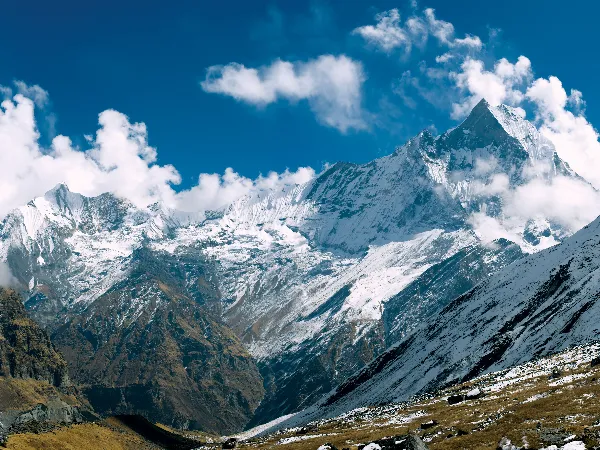
This trek offers world-famous views of Everest, Ama Dablam, Nuptse, Lhotse, Pumori, and many surrounding peaks.
Kala Patthar provides one of the best close-up views of Mount Everest.
Gokyo Lakes Trek
Many experienced trekkers believe Gokyo Ri offers the finest panoramic viewpoint in the Everest region.
You can see Everest, Cho Oyu, Makalu, Lhotse, and hundreds of snow-covered peaks from one location.
The turquoise Gokyo Lakes make this route even more scenic.
Three Passes Trek
This trek combines everything.
You visit Everest Base Camp.
You climb Kala Patthar.
You hike to Gokyo Ri.
You cross three spectacular mountain passes.
For photographers and experienced adventurers, it offers the greatest variety of landscapes.
Fitness Requirements
Every Everest trek requires preparation.
The better your fitness, the more enjoyable your journey will be.
|
Trek
|
Fitness Level
|
|
Everest Base Camp
|
Moderate
|
|
Gokyo Lakes
|
Moderate
|
|
Three Passes
|
High
|
A good training plan should include:
- Walking
- Stair climbing
- Cardio exercises
- Strength training
- Weekend hikes with a backpack
Preparing several weeks before your trip greatly improves your trekking experience.
Accommodation and Food
All three routes use traditional Himalayan tea houses.
Accommodation is simple but comfortable.
Most rooms have twin beds, blankets, and shared bathrooms.
Meals are very similar throughout the region.
Popular dishes include:
- Dal Bhat
- Fried rice
- Noodles
- Sherpa stew
- Pancakes
- Eggs
- Pasta
- Soup
- Tea and coffee
As altitude increases, food prices become higher because supplies are carried by porters or yaks.
The quality of accommodation is similar on all three routes.
Crowds and Trail Experience
Some trekkers enjoy meeting people from around the world.
Others prefer peaceful trails.
The experience is very different depending on your chosen route.
|
Trek
|
Crowd Level
|
|
Everest Base Camp
|
High
|
|
Gokyo Lakes
|
Moderate
|
|
Three Passes
|
Low
|
Everest Base Camp is Nepal's busiest trekking trail.
During spring and autumn, tea houses can become crowded.
Gokyo Lakes receives fewer visitors.
You can enjoy a quieter atmosphere while still experiencing the beauty of the Everest region.
The Three Passes Trek is the least crowded because of its challenging nature.
Many days feel remote and peaceful.
Cost Comparison
The overall trekking cost depends on your itinerary, guide, porter, accommodation, flights, and services included.
The table below shows the general price range.
|
Trek
|
Estimated Cost
|
|
Everest Base Camp
|
$$ 1350-1450
|
|
Gokyo Lakes
|
$$ 1450-1550
|
|
Three Passes Trek
|
$$ 1550-1650
|
The Three Passes Trek costs more because it requires additional trekking days, accommodation, meals, and guide services.
However, it also offers the most complete Everest experience.
Safety and Acclimatization
Safety should always come first when trekking in the Himalayas.
Altitude sickness can affect anyone regardless of age or fitness.
Following a proper itinerary with acclimatization days greatly reduces the risk.
Always remember these safety tips.
- Walk slowly.
- Drink plenty of water.
- Avoid alcohol.
- Eat enough food.
- Listen to your guide.
- Never ignore altitude sickness symptoms.
The Everest Base Camp and Gokyo Lakes itineraries are generally easier for gradual acclimatization.
The Three Passes Trek requires extra care because trekkers spend more time above 5,000 meters.
Choosing an experienced guide is strongly recommended for all three routes.
Which Trek Offers the Best Overall Experience?
There is no single winner because every traveler has different goals.
Choose the Everest Base Camp Trek if you want the world's most famous trekking destination and a classic Himalayan experience.
Choose the Gokyo Lakes Trek if you prefer peaceful trails, beautiful alpine lakes, and incredible panoramic mountain views.
Choose the Everest Three Passes Trek if you want Nepal's most challenging and rewarding Everest adventure with glaciers, high passes, lakes, and Everest Base Camp all in one journey.
In the next section, we will compare the best trekking seasons, the advantages and disadvantages of each route, and help you decide which Everest trek is the perfect match for your adventure.
Best Time to Trek Each Route
The Everest region can be visited throughout the year. However, weather conditions change with every season.
Choosing the right time can make your trek safer, more comfortable, and more enjoyable.
The table below compares the four trekking seasons.
|
Season
|
Everest Base Camp
|
Gokyo Lakes
|
Three Passes Trek
|
|
Spring (March–May)
|
★★★★★
|
★★★★★
|
★★★★★
|
|
Autumn (September–November)
|
★★★★★
|
★★★★★
|
★★★★★
|
|
Winter (December–February)
|
★★★☆☆
|
★★★☆☆
|
★★☆☆☆
|
|
Monsoon (June–August)
|
★★☆☆☆
|
★★☆☆☆
|
★☆☆☆☆
|
Spring (March to May)
Spring is one of the best seasons for all three treks.
The weather becomes warmer.
The skies are usually clear during the morning.
Rhododendron forests bloom across the lower valleys, creating colorful landscapes.
Everest climbing expeditions also begin during April and May, making Everest Base Camp even more exciting.
This season is ideal for beginners and experienced trekkers alike.
Autumn (September to November)
Autumn is the most popular trekking season in Nepal.
After the summer monsoon, the air becomes fresh and visibility is excellent.
Mountain views are often at their clearest.
Trails are busy, especially on the Everest Base Camp route.
Tea houses can fill quickly, so booking early is recommended.
For many trekkers, autumn offers the best overall trekking conditions.
Winter (December to February)
Winter brings colder temperatures but fewer visitors.
Clear skies often provide beautiful mountain views.
Snow may cover higher sections of the trails, especially around the Three Passes.
Everest Base Camp and Gokyo Lakes remain possible with proper equipment.
The Three Passes Trek becomes much more challenging during this season.
Monsoon (June to August)
The summer monsoon brings frequent rain and cloudy weather.
Lower trails become muddy and slippery.
Flights to Lukla may also experience delays.
Mountain views are less reliable.
Although trekking is still possible, this season is generally not recommended for first-time visitors.
Pros and Cons of Each Trek
Every trek has its own strengths.
Choosing the right one depends on your goals and experience.
Everest Base Camp Trek
Advantages
- Visit the world-famous Everest Base Camp.
- Stand on Kala Patthar for incredible Everest views.
- Suitable for first-time trekkers.
- Excellent tea house facilities.
- Strong Sherpa culture and history.
- Well-established trekking route.
Disadvantages
- Busy during peak seasons.
- More crowded tea houses.
- Less peaceful than other Everest routes.
Gokyo Lakes Trek
Advantages
- Beautiful turquoise alpine lakes.
- Fewer crowds.
- Amazing panoramic mountain views.
- Cross the impressive Ngozumpa Glacier.
- Peaceful trekking experience.
Disadvantages
- Does not visit Everest Base Camp.
- Slightly fewer accommodation options.
- Less famous than the classic EBC route.
Everest Three Passes Trek
Advantages
- Most complete Everest adventure.
- Includes Everest Base Camp.
- Includes Gokyo Lakes.
- Crosses three spectacular mountain passes.
- Less crowded.
- Outstanding scenery throughout the trek.
Disadvantages
- Long trekking itinerary.
- Physically demanding.
- Higher overall cost.
- Requires excellent fitness and previous trekking experience.
Which Everest Trek Should You Choose?
There is no perfect trek for everyone.
The best choice depends on your travel style, fitness, and expectations.
If this is your first visit to Nepal, the Everest Base Camp Trek is usually the best option.
It combines famous landmarks, excellent infrastructure, and unforgettable Himalayan scenery.
If you have already completed Everest Base Camp or simply want quieter trails, the Gokyo Lakes Trek is an excellent alternative.
It offers stunning lakes, peaceful valleys, and panoramic mountain views that many trekkers consider even better than Kala Patthar.
If you are looking for the biggest challenge and want to experience every highlight of the Everest region, the Three Passes Trek is difficult to beat.
It combines adventure, scenery, glaciers, mountain passes, and Everest Base Camp into one unforgettable journey.
Our Recommendation
The table below can help you decide quickly.
|
If You Want...
|
Best Trek
|
|
Your first Everest trek
|
Everest Base Camp
|
|
The most famous destination
|
Everest Base Camp
|
|
Beautiful alpine lakes
|
Gokyo Lakes
|
|
Fewer crowds
|
Gokyo Lakes
|
|
Best panoramic viewpoints
|
Gokyo Lakes
|
|
Biggest adventure
|
Three Passes Trek
|
|
Long trekking holiday
|
Three Passes Trek
|
|
Ultimate Himalayan experience
|
Three Passes Trek
|
|
Family-friendly adventure
|
Everest Base Camp
|
|
Photography
|
Gokyo Lakes or Three Passes Trek
|
Every trek in the Everest region offers something unforgettable.
No matter which trek you choose, you will discover the rich Sherpa culture, breathtaking Himalayan landscapes, and unforgettable memories that make the Everest region one of the world's greatest trekking destinations.
FAQs
Is Gokyo Lakes better than Everest Base Camp?
It depends on your interests. Gokyo Lakes offers quieter trails and stunning alpine scenery, while Everest Base Camp provides the classic Himalayan experience and the chance to stand at the foot of the world's highest mountain.
Is the Three Passes Trek harder than Everest Base Camp?
Yes, The Three Passes Trek is significantly more challenging because it includes three high mountain passes above 5,300 meters and longer walking days.
Which trek has the best mountain views?
Many experienced trekkers believe Gokyo Ri offers the best panoramic views. However, the Three Passes Trek combines both Kala Patthar and Gokyo Ri, making it the most scenic overall.
Which trek is best for beginners?
Everest Base Camp is the best choice for beginners with good physical fitness and proper acclimatization.
Which trek has fewer crowds?
The Gokyo Lakes Trek is much quieter than Everest Base Camp. The Three Passes Trek is even less crowded because fewer people attempt the challenging route.
Can beginners complete Everest Base Camp?
Yes, Thousands of first-time trekkers successfully complete Everest Base Camp every year with proper preparation and a well-planned itinerary.
Which trek is the most difficult?
The Everest Three Passes Trek is the most difficult because of its longer distance, higher altitude, and three mountain passes.
Which trek is best for photographers?
The Gokyo Lakes Trek and the Three Passes Trek provide the greatest variety of landscapes, glaciers, lakes, and panoramic mountain views.
Can I combine Everest Base Camp and Gokyo Lakes?
Yes, Many longer itineraries combine Everest Base Camp with Gokyo Lakes by crossing the Cho La Pass. This is one of the most popular extended Everest trekking routes.
Which trek offers the best value?
Everest Base Camp provides the best balance between cost, adventure, scenery, and accessibility. For most travelers, it delivers outstanding value.