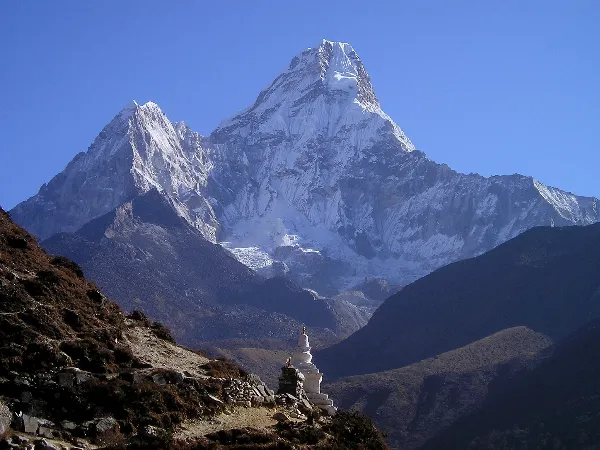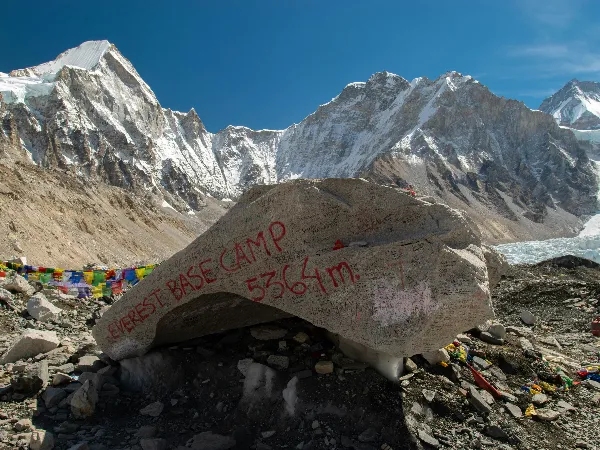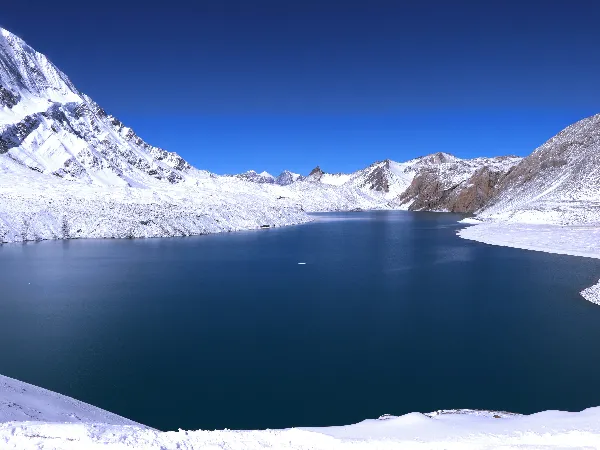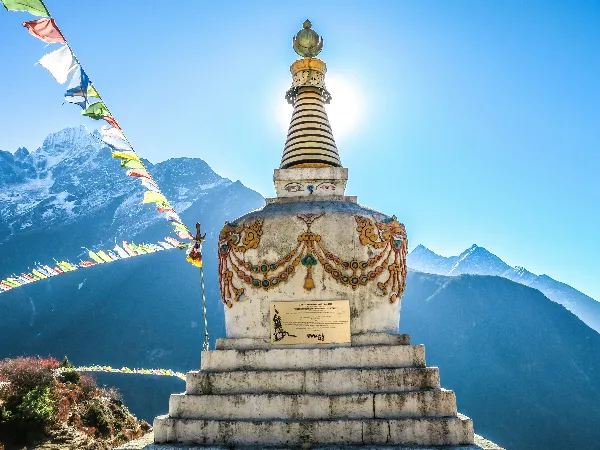
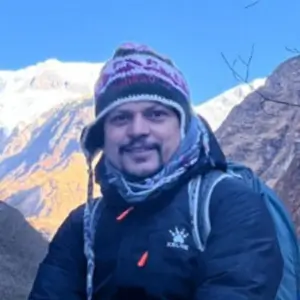
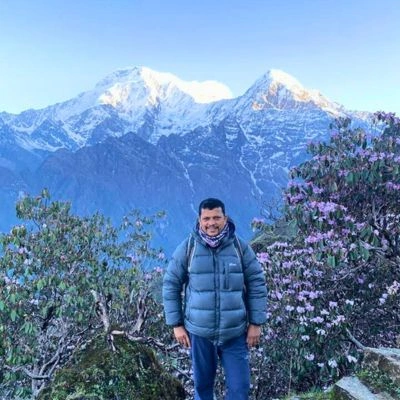
The Ghorepani Poon Hill Trek is considered an easy to moderate trek. It does not require technical climbing or mountaineering skills. Most healthy people with average fitness can complete it comfortably. The biggest challenge is walking uphill on long stone staircases and reaching the highest point at 3,210 metres. With good preparation, steady pacing, and proper gear, the trek is suitable for beginners, families, and older travellers.
Although the trek is beginner-friendly, there are still a few challenges to expect. Long uphill climbs, stone staircases, and several hours of walking each day can feel demanding if you are not prepared. This guide explains everything you need to know before starting the trek.
Quick Trek Facts
| Trek Information | Details |
|---|---|
| Difficulty | Easy to Moderate |
| Trek Duration | 4–6 Days |
| Highest Altitude | 3,210 metres (Poon Hill) |
| Total Distance | Around 40–50 km |
| Walking Hours | 4–7 hours daily |
| Technical Climbing | None |
| Suitable for Beginners | Yes |
| Best Seasons | Spring and Autumn |
| Accommodation | Local Teahouses |
| Maximum Elevation Gain | Moderate |
Is the Ghorepani Poon Hill Trek Difficult?
Overall, the Ghorepani Poon Hill Trek is considered one of the easiest Himalayan treks in Nepal. That does not mean it is effortless. You will still spend several days walking through mountain trails. Some sections climb continuously for hours. There are also many stone staircases that can be tiring for your legs. Unlike the Everest Base Camp Trek or Annapurna Circuit Trek, this route stays below 3,500 metres.
This lower altitude makes breathing much easier for most people. It also greatly reduces the chance of altitude sickness. The trail is well marked. Local villages are close together. Teahouses provide regular places to rest, eat, and sleep. These factors make the trek much more comfortable than longer Himalayan adventures. For most people, the challenge comes from physical effort rather than dangerous terrain.
Difficulty Rating
| Factor | Difficulty |
|---|---|
| Physical Fitness | Moderate |
| Altitude | Easy |
| Trail Condition | Easy |
| Navigation | Easy |
| Weather | Moderate |
| Daily Walking | Moderate |
| Technical Skills | Very Easy |
| Overall | Easy to Moderate |
What Makes the Trek Challenging?
Several factors affect how difficult the trek feels. Some people finish comfortably. Others find certain days more demanding. Here are the main reasons.
Long Stone Staircases
The Ghorepani Trek is famous for its stone steps. Thousands of carefully built stone stairs connect villages throughout the Annapurna region. These steps help protect the trail from erosion. However, they also require more effort than ordinary dirt paths. Walking uphill on stone stairs puts extra pressure on your knees, calves, and thighs. Many trekkers say this is the hardest part of the journey. Using trekking poles can reduce strain on your knees during both climbs and descents.
Continuous Uphill Walking
Several sections involve long uphill climbs. The trail between Ulleri and Ghorepani is especially well known. Although the distance is not very long, the steady climb can be tiring. Walking slowly helps conserve energy. There is no need to rush. Most experienced guides recommend maintaining a steady pace throughout the day.
Daily Walking Hours
Most trekking days last between four and seven hours. This may seem manageable. However, mountain trails often take longer than flat roads. Frequent uphill and downhill sections increase the physical effort. Taking regular breaks helps prevent fatigue.
Weather Conditions
Weather changes quickly in the Himalayas. Spring and autumn usually offer clear skies and comfortable temperatures. Winter mornings can be very cold. Monsoon trails may become muddy and slippery. Good footwear makes a noticeable difference in every season.
Personal Fitness
Your own fitness level has the greatest impact on the trek. Someone who walks regularly may find the route fairly comfortable. Someone who spends most of the day sitting may struggle with long climbs. Fortunately, fitness can improve before the trek begins. Even simple walking exercises make a big difference.
Does Altitude Make the Trek Difficult?
Altitude is often a concern for first-time trekkers. Fortunately, it is not a major problem on the Ghorepani Poon Hill Trek. The highest point reaches 3,210 metres. Most people experience little or no discomfort at this elevation. Some trekkers notice slightly heavier breathing while climbing. This is normal. Serious altitude sickness is uncommon on this route.
The gradual ascent also gives your body enough time to adjust. Drinking plenty of water, eating well, and walking slowly further reduce the risk. Compared with Everest Base Camp or Annapurna Circuit, altitude plays a much smaller role in the overall difficulty.
Daily Difficulty Breakdown
| Day | Route | Walking Time | Difficulty |
|---|---|---|---|
| Day 1 | Nayapul – Ulleri | 5–6 Hours | Moderate |
| Day 2 | Ulleri – Ghorepani | 5–6 Hours | Moderate to Challenging |
| Day 3 | Poon Hill – Tadapani | 6–7 Hours | Moderate |
| Day 4 | Tadapani – Ghandruk | 3–4 Hours | Easy |
| Day 5 | Ghandruk – Nayapul | 4–5 Hours | Easy |
Among all trekking days, the climb from Ulleri to Ghorepani usually feels the hardest. The trail gains significant elevation. There are many uphill sections through dense forests. Fortunately, beautiful scenery makes the effort worthwhile.
Do You Need to Be Fit?
Yes, A basic level of fitness makes the trek much more enjoyable. You do not need to be an athlete. You do not need marathon training. You simply need enough stamina to walk several hours each day. Regular walking is one of the best ways to prepare. Walking uphill, climbing stairs, and light strength exercises also help.
Many people prepare by walking three or four times each week for one or two months before travelling. Improving your fitness beforehand allows you to enjoy the scenery instead of worrying about tired legs.
Who Can Complete This Trek?
The Ghorepani Poon Hill Trek is suitable for many travellers. It is a good choice for:
- First-time trekkers
- Families with older children
- Couples
- Solo travellers with a guide
- Active senior travellers
- Nature lovers
- Photographers
- People with limited trekking experience
Most healthy adults can complete the trek with proper preparation. Age matters less than overall health and fitness. Many people in their sixties and seventies successfully complete this route every year.
Best Time for the Ghorepani Poon Hill Trek
The season you choose can make the trek easier or more challenging. Spring and autumn offer the best conditions. The weather is usually stable. Mountain views are clearer, and the trails stay dry. Winter is quieter. However, mornings are much colder. Frost can make some sections slippery.
The monsoon season brings regular rain. Trails become muddy, and clouds often hide the mountain views. Leeches are also common in lower forest areas. If you are trekking for the first time, spring or autumn is the best choice.
Seasonal Difficulty Comparison
| Season | Difficulty | Weather | Mountain Views | Trail Conditions |
|---|---|---|---|---|
| Spring (March–May) | Easy to Moderate | Mild | Excellent | Dry and comfortable |
| Autumn (September–November) | Easy to Moderate | Stable | Excellent | Dry and clear |
| Winter (December–February) | Moderate | Cold | Very Good | Frost possible |
| Monsoon (June–August) | Moderate | Wet | Limited | Muddy and slippery |
How to Make the Trek Easier
Good preparation makes a big difference. You do not need expensive equipment or months of training. Small changes before and during the trek can improve your experience. Walk at your own pace. There is no prize for reaching the next village first. Slow and steady walking helps you save energy throughout the day. Drink water regularly.
Even if you do not feel thirsty, your body needs more fluids while trekking. Eat balanced meals. Dal Bhat, noodles, soup, rice, vegetables, and eggs provide enough energy for most trekkers. Take short breaks. Rest for a few minutes when needed, but avoid long stops that cool your muscles. Sleep well each night. A good night's rest helps your body recover before the next day's walk.
Essential Packing Tips
Packing light makes walking much easier. Carry only what you need. A heavy backpack quickly becomes tiring on uphill trails.
Bring:
- Comfortable trekking boots
- Lightweight backpack
- Waterproof jacket
- Warm fleece
- Down jacket for cold mornings
- Trekking trousers
- Quick-drying shirts
- Hat and sunglasses
- Sunscreen
- Reusable water bottles
- Personal medicines
- Power bank
- Headlamp
- Basic first aid kit
- Trekking poles
Trekking poles are especially useful. They reduce pressure on your knees during long descents and improve balance on uneven trails.
Common Mistakes First-Time Trekkers Make
Many beginners make the same mistakes. Avoiding them will make your trek much more enjoyable. Walking too fast is one of the biggest mistakes. Fast walking leads to early fatigue. A steady pace allows you to walk comfortably all day. Another common mistake is carrying too much weight. Many trekkers pack items they never use.
Choose lightweight clothing and leave unnecessary items behind. Ignoring hydration can also cause problems. Drink water regularly throughout the day. Finally, do not underestimate the weather. Mountain conditions can change quickly. Carry a waterproof jacket, even if the forecast looks good.
Is a Guide Necessary?
Hiring a licensed guide is highly recommended. A guide helps with navigation, local knowledge, and safety. They also explain the culture, villages, wildlife, and mountains along the route. If weather conditions change, a guide can adjust the itinerary.
Many trekkers find the experience more enjoyable because they can focus on walking instead of planning. Porters are another good option. They carry your main bag, allowing you to trek with only a light daypack.
Ghorepani Poon Hill vs Other Popular Treks
Many visitors compare Poon Hill with Nepal's other famous trekking routes. Each trek offers a different experience.
| Trek | Difficulty | Highest Altitude | Duration | Best For |
|---|---|---|---|---|
| Ghorepani Poon Hill | Easy to Moderate | 3,210 m | 4–6 Days | Beginners |
| Mardi Himal Trek | Moderate | 4,500 m | 5–7 Days | Scenic ridge walks |
| Langtang Valley Trek | Moderate | 3,870 m | 7–10 Days | Culture and mountains |
| Annapurna Base Camp Trek | Moderate | 4,130 m | 7–12 Days | Classic Himalayan scenery |
| Everest Base Camp Trek | Challenging | 5,364 m | 12–14 Days | High-altitude adventure |
If you are looking for your first Himalayan trek, Ghorepani Poon Hill is often the best place to start. It offers excellent mountain views without extreme altitude.
Who Should Choose the Ghorepani Poon Hill Trek?
This trek is ideal for travellers who want a shorter Himalayan adventure. It is a good choice if you have limited time but still want impressive mountain scenery.
The route suits:
- First-time trekkers
- Families
- Couples
- Solo travellers
- Photographers
- Nature lovers
- Older active travellers
- Anyone with average fitness
If your goal is to enjoy the Himalayas without trekking above 4,000 metres, this route is an excellent option.
Understanding the difficulty is only one part of planning a successful trek. If you want a step-by-step guide that covers every stage of the journey, read our Complete Ghorepani Poon Hill Trek Guide. It explains everything you need to know and help you prepare with confidence for your Ghorepani Poon Hill Trek experience.
FAQs
Is the Ghorepani Poon Hill Trek suitable for beginners?
Yes. It is one of Nepal's best beginner-friendly treks. Most healthy people with average fitness can complete it successfully.
What is the hardest part of the trek?
The climb from Ulleri to Ghorepani is usually the most demanding section because of the continuous uphill trail and many stone steps.
Can children complete the trek?
Yes. Older children who enjoy walking and outdoor activities often complete the trek comfortably with proper pacing.
Can older adults do the trek?
Yes. Many active travellers in their 60s and 70s complete the trek every year. Good health and reasonable fitness are more important than age.
Is altitude sickness common?
No, The highest point is 3,210 metres, so the risk is much lower than on higher Himalayan treks.
How many hours do you walk each day?
Most trekking days involve 4 to 7 hours of walking, depending on the itinerary and your pace.
Do I need trekking experience?
No, Previous trekking experience is helpful but not necessary. Many people choose this trek as their first Himalayan adventure.
Are trekking poles useful?
Yes, They improve balance and reduce pressure on your knees, especially during long descents.
Which season is best?
Spring and autumn offer the best weather, clear mountain views, and comfortable temperatures.
Is the Ghorepani Poon Hill Trek worth it?
Yes, It combines beautiful Himalayan views, traditional villages, rhododendron forests, and a rewarding sunrise from Poon Hill in just a few days.