Whether you are planning your first Himalayan trek or returning for another adventure, these Everest Base Camp Trek facts will answer many of the questions travelers ask before booking. They cover everything from the route and altitude to accommodation, permits, weather, and preparation.
The Everest Base Camp Trek Is Located in Nepal's Khumbu Region
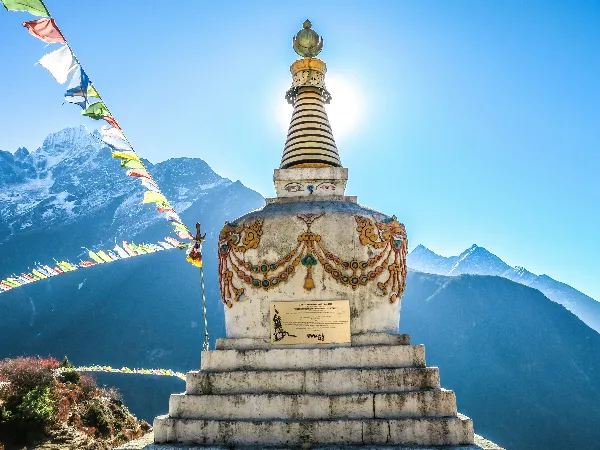
The Everest Base Camp Trek takes place in the Khumbu region of northeastern Nepal, home to some of the world's highest mountains and the legendary Sherpa community. The trail passes through picturesque villages, dense pine forests, rushing rivers, suspension bridges, and ancient Buddhist monasteries before reaching the base of Mount Everest.
Along the journey, you will enjoy spectacular views of famous Himalayan peaks, including Mount Everest, Lhotse, Ama Dablam, Nuptse, and Thamserku. If you are looking for a complete overview of the trail, itinerary, and highlights, be sure to read our Complete Everest Base Camp Trek Guide.
The Trek Usually Takes 12 to 14 Days
Most Everest Base Camp itineraries take between 12 and 14 days to complete. This schedule includes two important acclimatization days, allowing your body to adapt safely to the increasing altitude while reducing the risk of altitude sickness.
The classic route follows Lukla, Phakding, Namche Bazaar, Tengboche, Dingboche, Lobuche, Gorak Shep, and finally Everest Base Camp. Avoid choosing very short itineraries, as proper acclimatization is one of the biggest factors in a successful trek. You can learn more in our Everest Base Camp Trek Itinerary guide.
Everest Base Camp Sits at 5,364 Meters
One of the most important Everest Base Camp Trek facts is its elevation. Everest Base Camp stands at 5,364 meters (17,598 feet) above sea level, where the oxygen level is significantly lower than at sea level. Walking becomes slower, and your body needs extra time to adjust.
Most trekkers also hike to Kala Patthar at 5,545 meters for the best panoramic sunrise view of Mount Everest. Understanding how altitude affects your body is essential, so we recommend reading our Everest Base Camp Altitude Guide before your trip.
The Trek Is Moderately Difficult
Although the Everest Base Camp Trek is challenging, it is not a technical climb. You do not need mountaineering skills, climbing ropes, or ice axes. The main challenge comes from trekking at high altitude while walking five to eight hours each day over uneven mountain trails.
Success depends more on pacing yourself, staying hydrated, and following a proper itinerary than on athletic ability. If you want to understand the daily challenges in detail, our Everest Base Camp Trek Difficulty Guide explains what to expect.
Beginners Can Successfully Complete the Trek
Many first-time trekkers successfully reach Everest Base Camp every year. If you are reasonably fit, prepare before your trip, and follow a gradual itinerary, there is no reason why you cannot complete this unforgettable adventure.
Simple fitness training, regular walking, and maintaining a slow pace during the trek make a significant difference. Our Everest Base Camp Trek for Beginners guide provides practical advice to help first-time visitors prepare with confidence.
Spring and Autumn Are the Best Seasons
Spring (March to May) and autumn (September to November) are widely considered the best seasons for the Everest Base Camp Trek. These months offer stable weather, clear mountain views, comfortable daytime temperatures, and excellent trekking conditions.
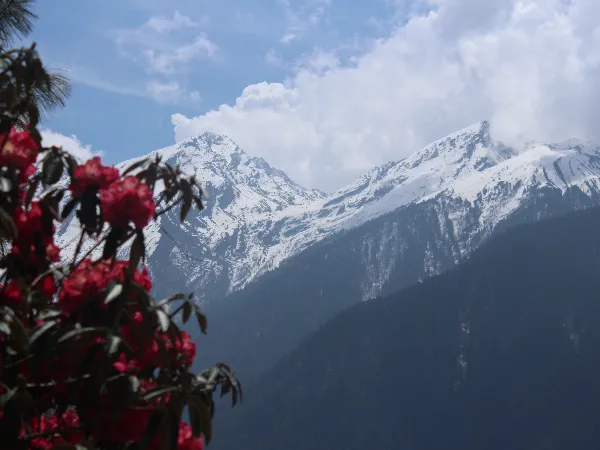
Spring brings blooming rhododendron forests and Everest climbing expeditions, while autumn offers crystal-clear skies after the monsoon season. For a detailed seasonal comparison, explore our Best Time for Everest Base Camp Trek guide.
The Journey Traditionally Begins with a Flight to Lukla
The classic Everest Base Camp Trek starts with a scenic mountain flight to Lukla, one of the world's most famous airports. The flight takes around 30 to 40 minutes and offers incredible aerial views of the Himalayas before landing in the heart of the Everest region.
Weather conditions in the mountains can occasionally delay flights, so allowing an extra day in your travel schedule is always recommended. Our Lukla Flight Guide explains everything you need to know before departure.
You Can Also Reach Everest Base Camp by Road
If you prefer to avoid flying to Lukla, there is an alternative route that begins with a drive to Salleri or Phaplu. This option adds several trekking days but allows you to experience traditional villages and less-visited sections of the lower Everest region.
Many trekkers choose this route during periods when Lukla flights are delayed or when they simply want a longer Himalayan adventure. Learn more in our Everest Base Camp Trek by Road guide.
The Total Trek Distance Is Around 130 Kilometers
The round-trip distance of the Everest Base Camp Trek is approximately 130 kilometers (80 miles). Daily walking distances usually range from 8 to 15 kilometers, depending on the itinerary, altitude, and trail conditions.
Although the daily distance may not seem long, the combination of elevation gain and thinner air makes each day more physically demanding. Walking slowly and maintaining a steady pace is far more important than speed.
Tea Houses Provide Accommodation Along the Trail
Accommodation throughout the Everest region is provided by traditional mountain tea houses. These family-run lodges offer simple twin rooms, freshly prepared meals, hot drinks, and a warm place to rest after a day of trekking.
As you climb higher, facilities become more basic and prices gradually increase because supplies must be transported into the mountains. Despite their simplicity, tea houses provide a welcoming atmosphere and a chance to experience genuine Sherpa hospitality.
You Need Permits to Enter the Everest Region
All trekkers must obtain the required permits before entering the Everest region. These usually include the Sagarmatha National Park Entry Permit and the Khumbu Pasang Lhamu Rural Municipality Permit.
The permit fees help support conservation projects, trail maintenance, and local community development. Our Everest Base Camp Trek Permits Guide explains the latest permit requirements and costs.
Travel Insurance Is Highly Recommended
Travel insurance is one of the most important parts of planning an Everest Base Camp Trek. Your policy should include high-altitude trekking, emergency medical treatment, helicopter evacuation, and trip interruption coverage.
Mountain weather can change quickly, and medical facilities are limited at high elevations. Choosing the right insurance provides peace of mind throughout your journey. Read our Everest Base Camp Travel Insurance Guide for more information.
Acclimatization Is Essential for a Safe Trek
Proper acclimatization is the key to reaching Everest Base Camp safely. Most itineraries include rest days in Namche Bazaar and Dingboche to help your body adjust before climbing higher.
Walking slowly, drinking plenty of water, eating well, and listening to your body all reduce the risk of altitude sickness. Our Acclimatization Guide for Everest Base Camp Trek explains why these rest days are so important.
Hiring a Guide Improves Safety and the Overall Experience
An experienced local guide does much more than lead the way. They monitor your health, arrange accommodation, provide cultural insights, and help manage any unexpected situations during the trek.
A knowledgeable guide also shares fascinating stories about the Khumbu region, Sherpa traditions, and the surrounding mountains, making your experience far richer than simply following a trail.
No Technical Climbing Equipment Is Needed
Despite its name, the Everest Base Camp Trek is a trekking adventure rather than a mountain-climbing expedition. You do not need ropes, crampons, harnesses, or other technical climbing equipment.
Comfortable trekking boots, layered clothing, a warm sleeping bag, and quality hiking gear are sufficient for most seasons. Our Everest Base Camp Packing List covers everything you should bring.
Good Physical Preparation Makes the Trek Easier
Preparing for the trek several weeks before departure can greatly improve your experience. Regular walking, hiking, stair climbing, cycling, and cardio exercises help build endurance for the long days on the trail.
Strengthening your legs and improving your overall fitness will make climbing steep sections much more comfortable and help you recover faster after each day of trekking.
Mountain Weather Can Change Very Quickly
Weather in the Everest region is highly unpredictable. A sunny morning can quickly become cloudy, windy, or snowy, particularly at higher elevations.
Packing warm layers, waterproof clothing, gloves, and a good down jacket ensures you stay comfortable in changing conditions. Checking the forecast before your trek is helpful, but always be prepared for sudden weather changes.
Food and Drinking Water Are Available Throughout the Trek
Tea houses along the trail serve a wide variety of meals, including traditional dal bhat, noodles, soups, rice dishes, pasta, eggs, potatoes, and pancakes. Many also offer vegetarian options and hot drinks.
Staying hydrated is especially important at high altitude. Most trekkers carry reusable water bottles and use purification tablets or filtered water instead of buying single-use plastic bottles.
Wi-Fi and Electricity Are Available in Most Villages
Most villages along the Everest Base Camp route provide electricity for charging devices and paid Wi-Fi services. Mobile network coverage is also available in several locations, although the connection becomes less reliable at higher elevations.
Because internet access is limited in remote areas, many trekkers choose to disconnect and fully enjoy the stunning Himalayan scenery.
The Everest Base Camp Trek Is a Truly Life-Changing Adventure
Reaching Everest Base Camp is about much more than standing beneath the world's highest mountain. The journey combines spectacular landscapes, warm Sherpa hospitality, ancient Buddhist culture, and a deep sense of personal achievement.
With proper planning, realistic expectations, and the right preparation, the Everest Base Camp Trek becomes an unforgettable experience that stays with you long after you return home. Whether you are chasing a lifelong dream or seeking your next great adventure, this remarkable journey offers memories that last a lifetime.