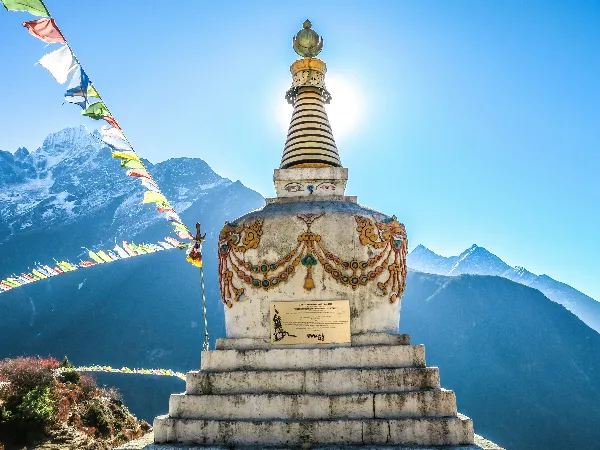
In this complete guide, you will learn the real Mardi Himal Trek difficulty level, who the trek is suitable for, how fit you should be, what challenges to expect, and how to prepare for a safe and enjoyable journey.
Mardi Himal Trek for Beginners
The Mardi Himal Trek is widely regarded as one of the best trekking routes in Nepal for beginners. It offers stunning mountain scenery, comfortable teahouse accommodation, and a relatively short itinerary compared to many other Himalayan treks. These features make it an excellent introduction to trekking in Nepal.
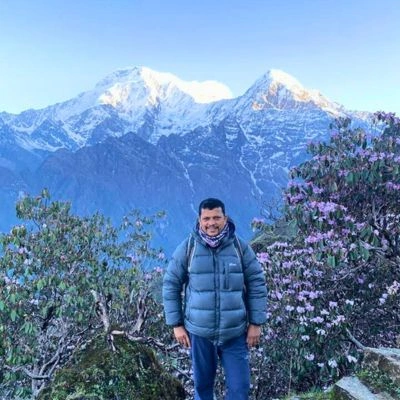
Even if you have never completed a multi-day trek before, you can enjoy the Mardi Himal Trek with some basic preparation. Walking regularly before your trip and maintaining a steady pace on the trail will help you build confidence. Many first-time trekkers are surprised by how rewarding the experience is, especially when they reach the high ridges and enjoy close-up views of Machhapuchhre, Annapurna South, and Mardi Himal.
Mardi Himal Trek Difficulty Level
The overall Mardi Himal Trek difficulty level is moderate. While the trail is well established and easy to follow, there are several steep uphill sections that require effort and endurance. The climb becomes more noticeable as you move beyond Low Camp towards High Camp and finally to Mardi Himal Viewpoint.
Unlike technical mountain expeditions, the trek does not require ropes, climbing equipment, or previous alpine experience. Most of the trail follows natural forest paths, stone staircases, and open ridges. Walking at a comfortable pace and taking regular breaks are usually enough to manage the physical demands of the trek.
Mardi Himal Trek Altitude
Altitude is one of the main factors that affects the difficulty of the Mardi Himal Trek. The highest point of the journey is Mardi Himal Viewpoint at around 4,500 metres above sea level. At this elevation, the air contains less oxygen, making physical activity feel more demanding than at lower altitudes.
Most trekkers experience mild breathlessness while climbing, which is completely normal. Some people may also develop mild symptoms of altitude sickness, such as headaches or tiredness. These symptoms can usually be avoided by ascending gradually, drinking enough water, and allowing your body enough time to adjust to the increasing elevation.
Although the altitude is significant, the risk of severe altitude sickness is generally lower than on longer and higher treks such as Everest Base Camp because the overall trekking duration is shorter.
Mardi Himal Trek Fitness Requirements
You do not need to be an athlete to complete the Mardi Himal Trek, but having a moderate level of fitness will make your journey much more enjoyable. The trek involves walking between four and seven hours on most days, often on uphill trails with uneven surfaces.
People who stay active through regular walking, hiking, cycling, or light cardio exercises usually adapt well to the trek. Strong leg muscles and good cardiovascular fitness help reduce fatigue during long climbs. If you can comfortably walk for several hours without difficulty, you are already building the endurance needed for this adventure.
Mental determination is equally important. Trekking in the mountains is not a race. Walking slowly and consistently often leads to a more enjoyable and successful experience than trying to move too quickly.
Mardi Himal Trek Preparation Tips
Preparing for the Mardi Himal Trek several weeks before your departure can greatly improve your experience on the trail. Regular exercise helps strengthen your body and increases your stamina for long days of walking. Practising on hills or climbing stairs is especially useful because it prepares your legs for the steep ascents you will encounter in the Annapurna region.
It is also important to wear comfortable trekking boots that have already been broken in before your trip. New boots can cause painful blisters and make the trek much harder than it needs to be. Packing only essential items will also reduce the weight of your backpack and help you conserve energy throughout the journey.
Learning about altitude sickness before your trek is another important part of preparation. Knowing the symptoms and understanding when to rest or descend can help you stay safe during your adventure.
Mardi Himal Trek Trail Conditions
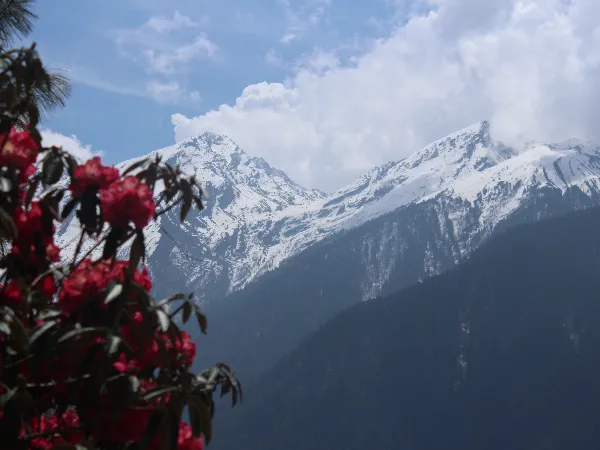
The trail conditions on the Mardi Himal Trek are generally very good throughout the main trekking seasons. The route passes through beautiful rhododendron forests, peaceful mountain villages, alpine meadows, and scenic ridgelines that offer breathtaking Himalayan views.
The lower sections of the trail are shaded by dense forests, while the upper sections become more open and rocky as you approach High Camp and the viewpoint. During spring and autumn, the paths are usually dry and easy to walk on. In the monsoon season, heavy rain can make the trail muddy and slippery, while winter snowfall may cover the higher sections and increase the difficulty of the trek.
Overall, the trail is well marked, and most trekkers find it easy to navigate with the help of a licensed guide.
Mardi Himal Trek Itinerary
A typical Mardi Himal Trek itinerary lasts between five and seven days, making it one of the shorter trekking adventures in Nepal. The journey usually begins with a drive from Pokhara to Kande, followed by a gradual ascent through Forest Camp, Low Camp, and High Camp before reaching Mardi Himal Viewpoint.
The daily walking distances are manageable, allowing trekkers enough time to enjoy the scenery without feeling rushed. Many itineraries include an early morning hike to the viewpoint to experience sunrise over the Annapurna range, which is often considered the highlight of the entire trek.
Because the itinerary is relatively short, it is important not to rush. Choosing an itinerary with a comfortable pace allows your body to adjust to the altitude and reduces fatigue.
Mardi Himal Trek Challenges
Although the Mardi Himal Trek is suitable for beginners, it still presents several natural challenges that every trekker should expect. The long uphill climbs can be physically demanding, especially on the final approach to High Camp and Mardi Himal Viewpoint. As the altitude increases, the thinner air may cause you to become tired more quickly than you would at lower elevations.
Mountain weather is another challenge. Conditions can change rapidly, with sunny mornings followed by clouds, rain, or strong winds later in the day. Cold temperatures are common during the early morning and evening, particularly at higher elevations.
Despite these challenges, the rewards are exceptional. The peaceful trails, dramatic mountain landscapes, and unforgettable sunrise views make every step worthwhile. With good preparation, a positive attitude, and a sensible pace, most trekkers complete the Mardi Himal Trek with wonderful memories and a strong sense of achievement.
Nepal Trekking Difficulty
Nepal offers trekking routes for every level of experience, from easy village walks to demanding high-altitude expeditions. Compared with many of Nepal's famous trekking routes, the Mardi Himal Trek sits comfortably in the moderate category. It is more challenging than short hikes around the Kathmandu Valley or Pokhara but much easier than high-altitude adventures such as the Everest Three Passes Trek, Manaslu Circuit Trek, or Kanchenjunga Trek.
For travellers looking for their first Himalayan trekking experience, Mardi Himal provides an excellent balance between adventure and accessibility. It offers spectacular mountain scenery, authentic local culture, and a realistic physical challenge without requiring advanced trekking experience or technical climbing skills. This is one of the reasons why it has become one of the most popular beginner-friendly treks in Nepal.
FAQs
Yes. The Mardi Himal Trek is one of the best beginner-friendly treks in Nepal. The route is well marked, there is no technical climbing, and most people with average fitness can complete it successfully after some basic preparation.
What is the difficulty level of the Mardi Himal Trek?
The Mardi Himal Trek has a moderate difficulty level. The main challenges are long uphill walks, high altitude, and uneven mountain trails rather than dangerous or technical terrain.
How fit do I need to be for the Mardi Himal Trek?
You should have moderate fitness and be comfortable walking for four to seven hours each day. Regular walking, hiking, cycling, or light cardio exercise for several weeks before the trek is usually enough for most people.
What is the highest altitude of the Mardi Himal Trek?
The highest point is Mardi Himal Viewpoint, which stands at approximately 4,500 metres (14,764 feet) above sea level. At this altitude, some trekkers may experience mild altitude-related symptoms, so climbing gradually is important.
Can beginners get altitude sickness on the Mardi Himal Trek?
Yes. Anyone can develop altitude sickness, regardless of age or fitness. Although the risk is lower than on longer Himalayan treks, it is still important to ascend slowly, drink plenty of water, and pay attention to any symptoms.
Which part of the Mardi Himal Trek is the hardest?
The climb from High Camp to Mardi Himal Viewpoint is considered the most challenging section. The trail is steeper, the air is thinner, and the final ascent requires more physical effort than the lower sections.
How many days does the Mardi Himal Trek take?
Most standard itineraries take 5 to 7 days. A longer itinerary gives your body more time to adjust to the altitude and makes the trek more enjoyable.
Is the Mardi Himal Trek harder than the Everest Base Camp Trek?
No. The Mardi Himal Trek is shorter, lower in altitude, and less physically demanding than the Everest Base Camp Trek. It is often recommended as a first Himalayan trekking experience.