
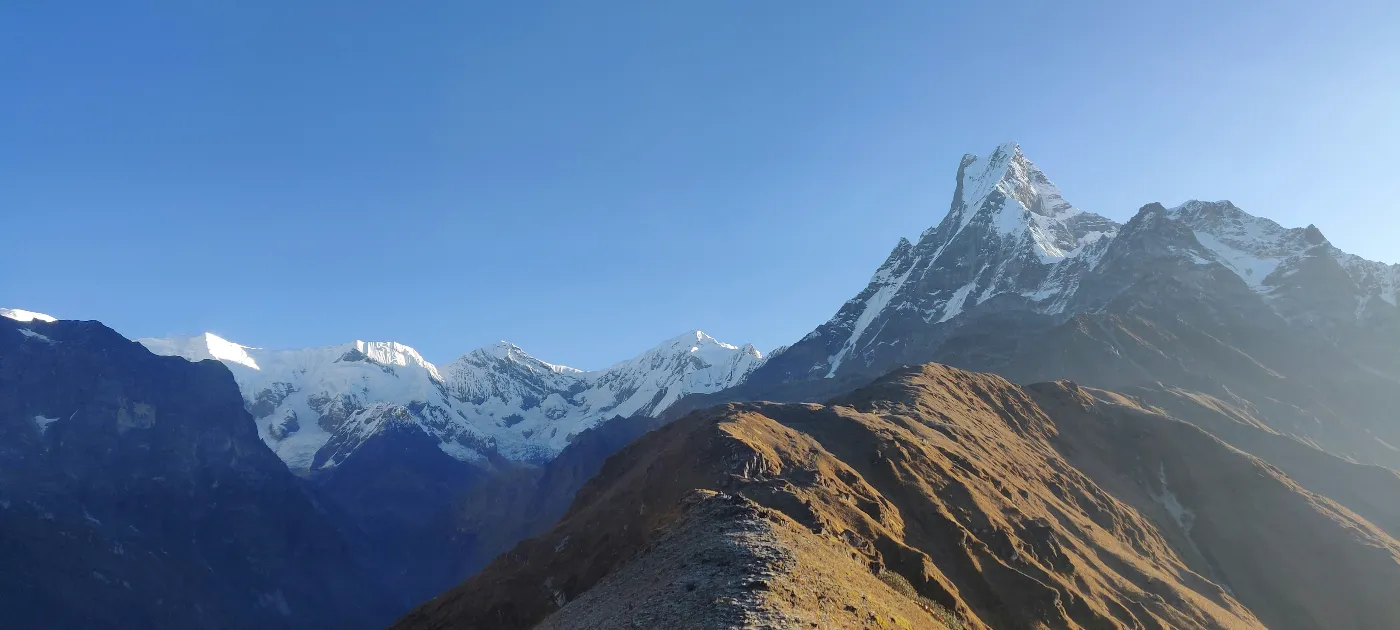
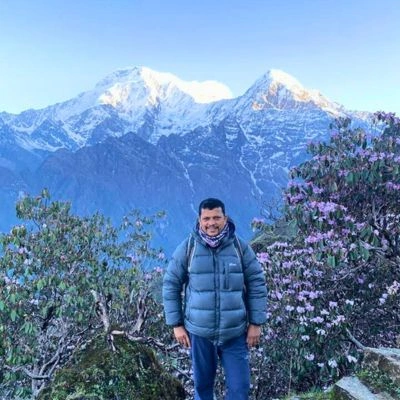
The Mardi Himal Trek is one of the most beautiful short treks in the Annapurna Region of Nepal. Known for its stunning ridge trails, peaceful forests, and close views of Machhapuchhre, this trek has become a favorite for travelers who want breathtaking Himalayan scenery without long expedition-style trekking.
However, choosing the best time to trek Mardi Himal is very important. Weather, visibility, and trail conditions change across seasons. The right timing ensures clear mountain views, comfortable temperatures, and a safe trekking experience.
In this guide, we explain what the Mardi Himal Trek is, when to go, how each season looks, and which time is best for different travelers.
What is the Mardi Himal Trek?
The Mardi Himal Trek is a short and scenic trekking route located east of the famous Annapurna Base Camp trail. It takes trekkers through dense rhododendron forests, alpine landscapes, and narrow ridge paths leading to Mardi Himal Base Camp.
Key Trek Highlights
-
Incredible close views of Machhapuchhre
-
Panoramic scenery of Annapurna South and Hiunchuli
-
Peaceful trails compared to crowded trekking routes
-
Beautiful rhododendron forests during spring
-
Ideal short trek from Pokhara
Trek Facts
-
Trek duration: 5–7 days
-
Maximum altitude: 4,500 m (Mardi Himal Base Camp)
-
Starting point: Kande or Dhampus
When is the Best Time to Trek Mardi Himal?
The best time to trek Mardi Himal is spring (March–May) and autumn (September–November). These seasons offer stable weather, clear mountain views, and comfortable trekking temperatures.
Let’s look at each season in detail.
Mardi Himal Trek in Spring (March – May)
Spring is one of the best seasons for the Mardi Himal Trek.
Why Spring is Great
-
Clear mountain views
-
Blooming rhododendron forests
-
Comfortable temperatures
-
Longer daylight hours
During spring, the forests between Forest Camp and Low Camp become colorful with red and pink rhododendron flowers. The weather is stable, and trekkers enjoy stunning views of Machhapuchhre and the Annapurna range.
Temperature in Spring
-
Daytime: 10°C – 18°C
-
Night: -5°C – 5°C
This season is perfect for photographers, nature lovers, and first-time trekkers.
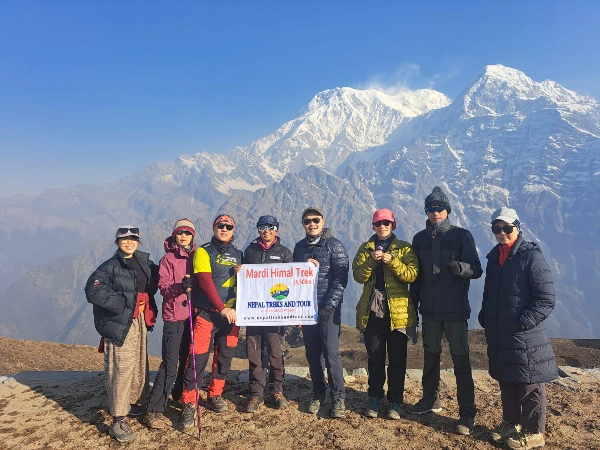
Mardi Himal Trek in Autumn (September – November)
Autumn is considered the best overall trekking season in Nepal.
After the summer monsoon rains, the air becomes clean and the sky is very clear. This makes mountain views extremely sharp and beautiful.
Why Trek in Autumn
-
Crystal-clear mountain views
-
Dry and stable weather
-
Comfortable trekking temperatures
-
Best visibility for photography
The views of Machhapuchhre, Annapurna South, and surrounding peaks are spectacular.
Temperature in Autumn
-
Daytime: 12°C – 20°C
-
Night: -5°C – 5°C
Because of perfect conditions, autumn is also the most popular trekking season.
Can You Trek Mardi Himal in Winter?
Yes, the Mardi Himal Trek is possible in winter (December – February).
However, trekkers should be prepared for cold weather and occasional snow near High Camp and Base Camp.
Winter Trek Advantages
-
Fewer tourists
-
Quiet trekking trails
-
Beautiful snowy landscapes
Challenges
-
Cold temperatures
-
Possible snow-covered trails
-
Some lodges may close
Winter trekking is best for experienced trekkers seeking solitude.
Is Mardi Himal Trek Possible in Monsoon?
The monsoon season (June – August) brings heavy rain to the Annapurna Region.
Monsoon Challenges
-
Slippery trails
-
Leeches in forest areas
-
Cloudy mountain views
-
Flight or transport delays
However, the landscapes become extremely green and lush.
Trekkers who don't mind rain and prefer quiet trails may still enjoy this season.
How to Choose the Best Time for Your Mardi Himal Trek
The best time depends on your travel preferences.
Choose Spring If You Want
-
Rhododendron flowers
-
Warm temperatures
-
Beautiful forest scenery
Choose Autumn If You Want
-
Best mountain visibility
-
Stable weather
-
Ideal trekking conditions
Choose Winter If You Want
-
Quiet trails
-
Snowy mountain views
-
Fewer trekkers
For most travelers, October, November, April, and May are the best months.
How Difficult is the Mardi Himal Trek?
The Mardi Himal Trek is considered a moderate trek.
Trek Difficulty Factors
-
Daily walking: 5–7 hours
-
Highest altitude: 4,500 m
-
Some steep ridge sections
With basic fitness and proper acclimatization, most trekkers can complete the trek successfully.
Why Choose Mardi Himal Trek for Your Nepal Adventure?
Compared to other popular routes like Everest Base Camp Trek or Annapurna Circuit, the Mardi Himal Trek offers:
-
Shorter itinerary
-
Less crowded trails
-
Stunning close mountain views
-
Affordable trekking experience
It is perfect for travelers with limited time who still want an authentic Himalayan adventure.
When Should You Trek Mardi Himal?
The best time to trek Mardi Himal is during spring (March–May) and autumn (September–November) when weather conditions are stable and mountain views are spectacular.
If you want colorful forests and pleasant weather, choose spring. If you prefer crystal-clear mountain views and perfect trekking conditions, autumn is the ideal time.
No matter when you visit, the Mardi Himal Trek offers one of the most beautiful short trekking experiences in Nepal.
FAQs
1. What is the best month for Mardi Himal Trek?
The best months are October, November, April, and May for clear skies and comfortable temperatures.
2. How difficult is the Mardi Himal Trek?
It is a moderate trek suitable for beginners with good physical fitness.
3. How many days does Mardi Himal Trek take?
Most itineraries take 5 to 7 days starting from Pokhara.
4. What is the altitude of Mardi Himal Base Camp?
Mardi Himal Base Camp sits at around 4,500 meters above sea level.
5. Is Mardi Himal Trek crowded?
No. Compared to other Annapurna treks, Mardi Himal is much quieter and less crowded.
6. Do I need a guide for Mardi Himal Trek?
A guide is recommended for safety, navigation, and local knowledge.
7. Is Mardi Himal Trek suitable for beginners?
Yes, it is considered one of the best beginner-friendly treks in Nepal.