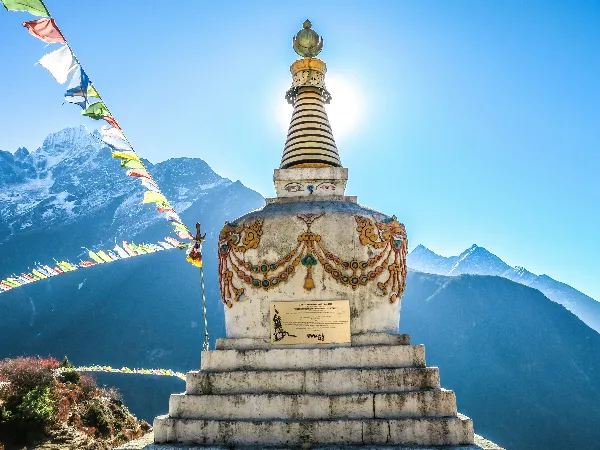

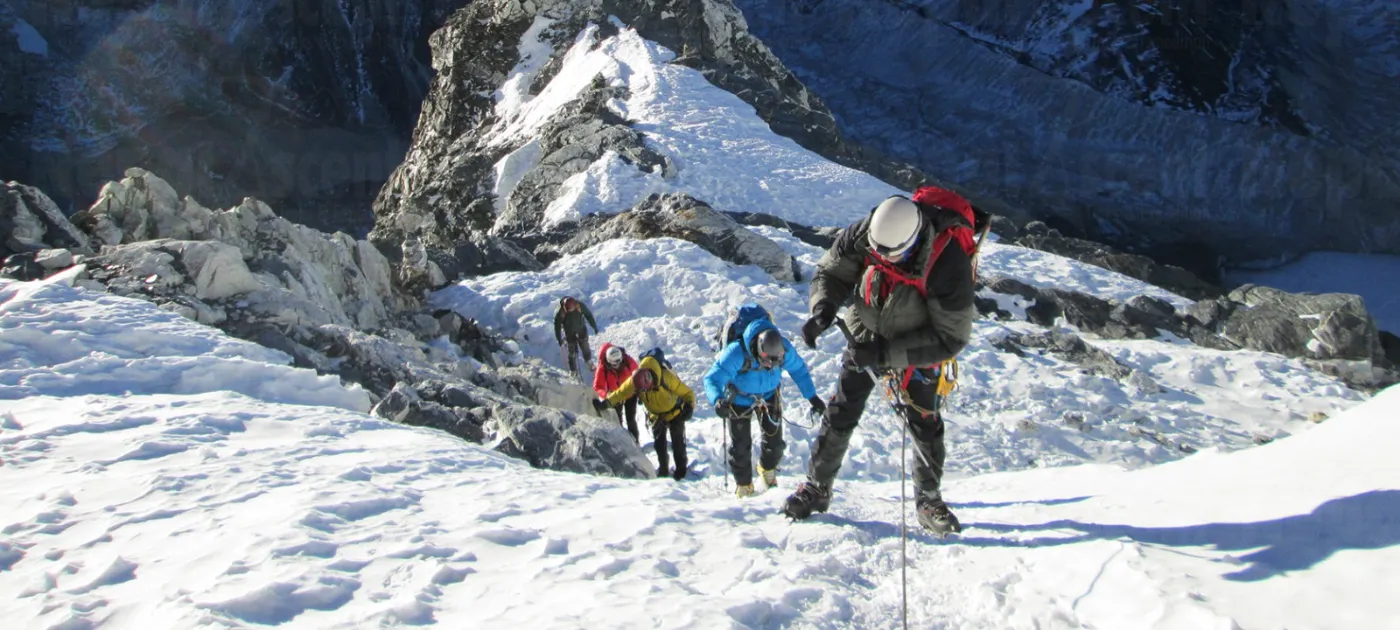
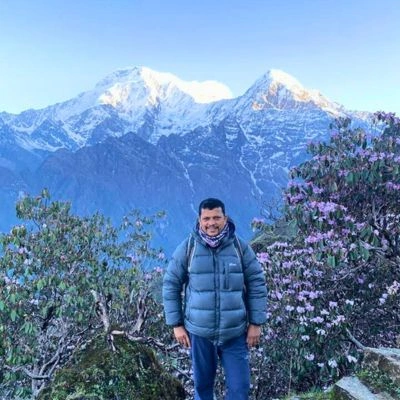
Nepal is one of the most exciting destinations in the world for mountaineering, and this 7000-meter peaks Nepal climbing guide will help you understand why. The country is home to many of the planet’s highest mountains, including several incredible 7000-meter peaks that attract climbers from around the world. For adventure seekers who want to go beyond trekking and experience true high-altitude mountaineering, climbing a 7000-meter peak in Nepal offers an unforgettable challenge. These mountains are powerful, remote, and demanding, requiring strong physical fitness, patience, and proper preparation. However, the reward is extraordinary — standing on a Himalayan summit while looking across endless snow-covered peaks. In this 7000-meter peaks Nepal climbing guide, you will learn about the best mountains to climb, the difficulty level, permits, preparation tips, costs, and the best seasons for a successful expedition.
What Does Climbing a 7000 Meter Peak Mean?
A 7000 meter mountain rises between 7,000 and 7,999 meters above sea level.
Mountains in this altitude range are considered serious expedition climbs. They are much more demanding than trekking peaks but usually slightly less extreme than the famous 8000-meter Himalayan giants.
Climbing these mountains normally involves:
-
Glacier travels across crevassed terrain
-
Using ropes and technical mountaineering gear
-
Climbing steep snow and ice slopes
-
Camping at high-altitude camps
-
Managing low oxygen environments
Because of these challenges, climbers usually gain experience on smaller Himalayan peaks before attempting a 7000m expedition in Nepal.
Why Nepal Is Famous for 7000 Meter Peak Climbing
Nepal offers some of the best mountaineering opportunities in the world.
Several factors make Nepal a leading destination for climbers.
Incredible Mountain Landscapes: The Himalayas create dramatic scenery filled with glaciers, deep valleys, and massive snow-covered peaks. Climbers experience some of the most breathtaking mountain environments on the planet.
Experienced Sherpa Support: Nepal is home to some of the most skilled high-altitude guides and Sherpa climbers in the world. Their experience and knowledge significantly improve safety and summit success.
Established Expedition Routes: Many 7000m peaks have well-known climbing routes and established base camps, making expedition planning more organized and efficient.
Adventure Beyond the Climb: Most climbs begin with a beautiful trekking journey through remote villages, alpine valleys, and high mountain landscapes.
This unique mix of trekking culture and mountaineering adventure makes Nepal a dream destination for climbers.
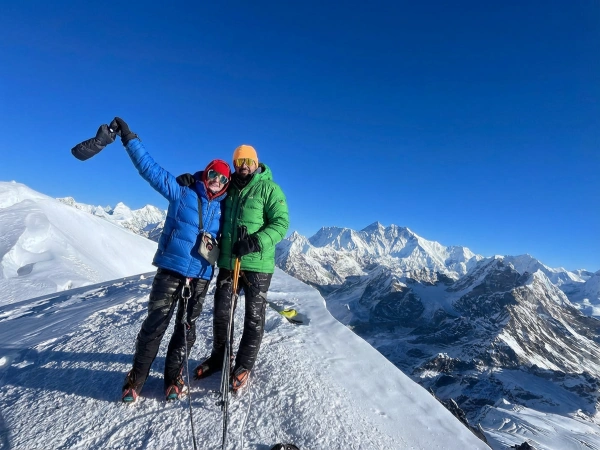
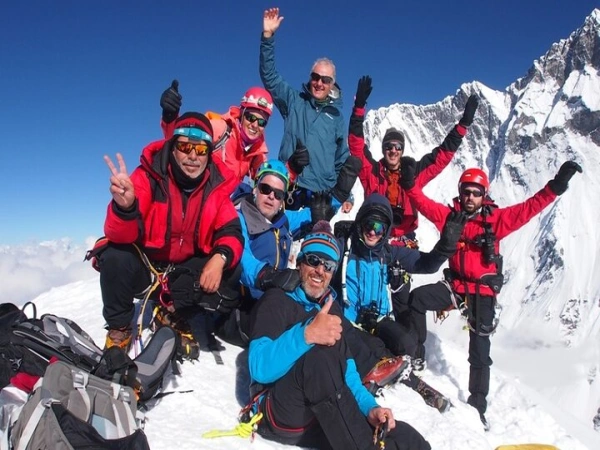
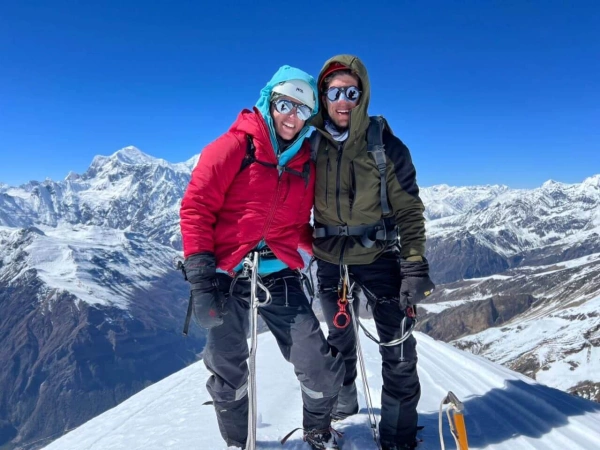
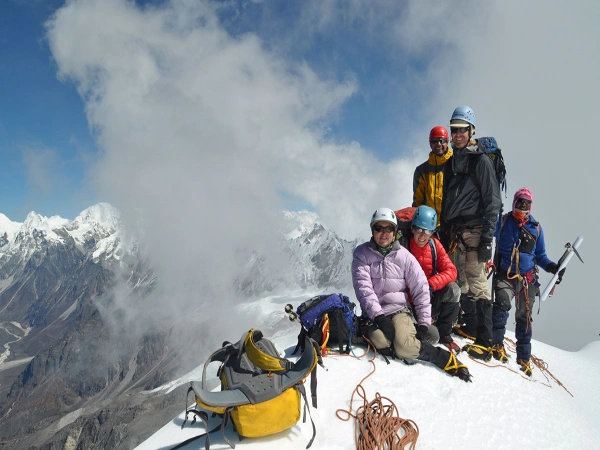
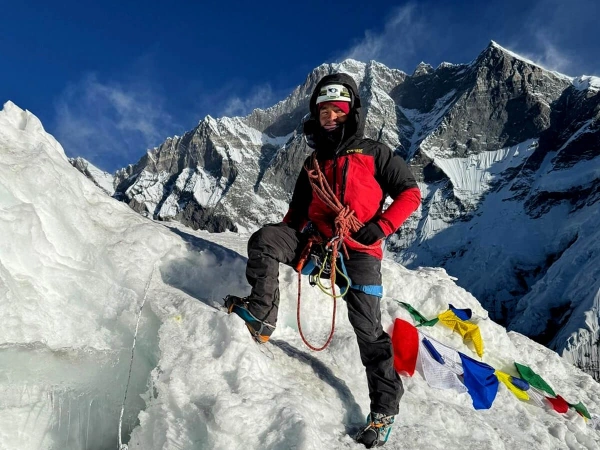
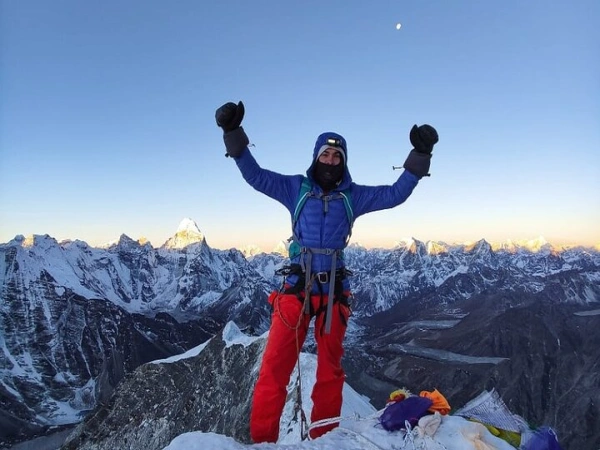
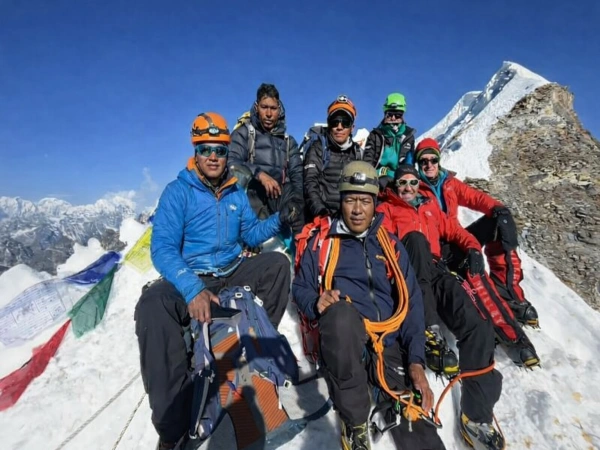
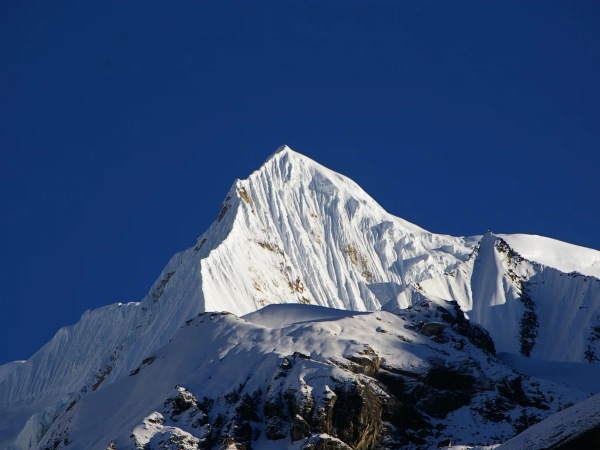
Popular 7000 Meter Peaks to Climb in Nepal
Nepal has several impressive 7000 meter mountains that attract international climbers every year.
Below are some of the most respected expedition peaks.
Himlung Himal (7,126 m)
Himlung Himal is widely considered one of the best introductory 7000 meter peaks for climbers entering high-altitude expeditions.
The mountain is located near the remote Nar Phu Valley in the Manaslu region.
Why climbers choose Himlung Himal
-
High summit success rate
-
Less technical compared to other 7000m peaks
-
Stunning Himalayan scenery
-
Remote and peaceful trekking route
The climb mainly involves snow slopes and glacier travel, without extremely technical rock climbing. Because of this, it is often used as preparation for larger expeditions.
Baruntse (7,129 m)
Baruntse stands between two famous Himalayan giants — Everest and Makalu.
Due to this location, the summit offers some of the most spectacular mountain views in the Himalayas.
Reasons climbers choose Baruntse
-
Beautiful alpine climbing routes
-
Incredible panoramic Himalayan views
-
Excellent preparation for future 8000m expeditions
The climb includes glacier travel and a steep summit ridge, requiring climbers to use fixed ropes and ice tools.
Baruntse is considered a challenging but highly rewarding expedition peak.
Putha Hiunchuli (7,246 m)
Putha Hiunchuli is often considered one of the more accessible 7000 meter peaks in Nepal.
The mountain lies in the remote Dhaulagiri region, far away from busy trekking routes.
Why climbers attempt Putha Hiunchuli
-
Long snow slopes instead of technical rock climbing
-
Remote wilderness environment
-
Excellent training peak for high-altitude expeditions
Although the climb is less technical, the expedition still requires strong endurance and proper acclimatization.
The approach to base camp is long and remote, adding to the adventure.
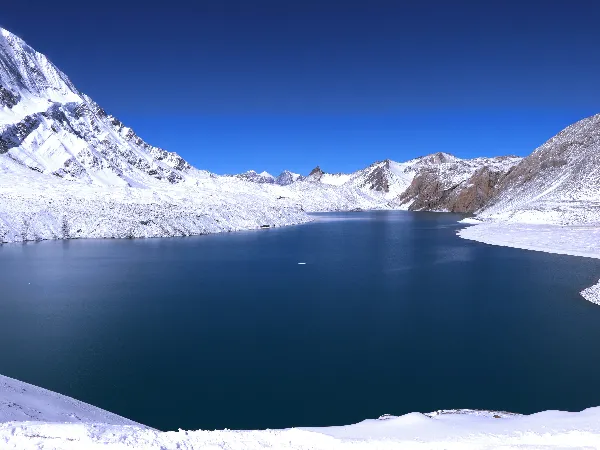
Tilicho Peak (7,134 m)
Tilicho Peak is a challenging climb located in the Annapurna region.
Most expeditions begin near Tilicho Lake, one of the highest lakes in the world.
Highlights of Tilicho Peak
-
Dramatic alpine scenery
-
Technical summit ridge
-
Incredible views of the Annapurna mountain range
Tilicho Peak requires solid climbing experience and strong physical preparation. Because of its steep terrain, it is recommended for climbers who already have previous mountaineering experience.
Climbing 7000 meter peaks in Nepal is a serious mountaineering adventure that involves glacier travel, high-altitude climbing, and technical snow routes. Popular mountains such as Himlung Himal, Baruntse, Tilicho Peak, and Putha Hiunchuli provide exciting expedition opportunities.
These expeditions typically last 3 to 5 weeks and require strong fitness, proper acclimatization, and mountaineering skills.
Best Time to Climb 7000 Meter Peaks in Nepal
Weather conditions play a major role in mountaineering success. Choosing the correct season greatly improves safety and summit chances.
Spring Season (March – May)
Spring is the most popular climbing season in Nepal.
Typical conditions include:
-
More stable weather
-
Warmer temperatures
-
Higher summit success rates
Many international expeditions take place during this period.
Autumn Season (September – November)
Autumn is another excellent season for climbing.
Advantages include:
-
Clear skies and mountain views
-
Dry conditions
-
Stable weather patterns
However, temperatures at higher camps may be colder compared to spring.
Training for a 7000 Meter Climb
Climbing a 7000 meter peak requires serious preparation. Most climbers train for several months before the expedition.
Endurance Training; Activities like hiking, running, cycling, and stair climbing improve cardiovascular strength and stamina.
Strength Training: Strong leg and core muscles help climbers carry equipment and move efficiently at high altitude.
Mountaineering Skills
Before attempting a 7000m climb, climbers should understand how to:
-
Use crampons
-
Handle an ice axe
-
Travel safely on glaciers
-
Use climbing ropes
Many climbers first attempt 6000 meter trekking peaks in Nepal to gain experience.
Permits Required for Climbing in Nepal
All mountaineering expeditions in Nepal require official government permits.
| Permit | Purpose |
|---|---|
| Climbing Permit | Issued by the Nepal Department of Tourism |
| National Park Permit | Required for protected mountain areas |
| Trekking Permit | Needed for specific trekking regions |
Permit costs vary depending on the mountain and climbing season.
How Long Does a 7000 Meter Expedition Take?
Most expeditions last 3 to 5 weeks.
A typical expedition schedule includes:
-
Trek to base camp
-
Acclimatization rotations
-
Setting up higher camps
-
Summit attempt
-
Descent and return trek
Proper acclimatization is essential to reduce the risk of altitude sickness.
Challenges of High-Altitude Climbing
Even experienced climbers face several challenges during Himalayan expeditions.
Thin Air: Oxygen levels decrease significantly above 6,000 meters, making physical effort much harder.
Harsh Weather: Strong winds, sudden storms, and heavy snowfall are common in the high Himalayas.
Physical and Mental Stress: Long climbing days, freezing temperatures, and high altitude place heavy demands on both body and mind.
Careful planning and experienced guides greatly improve safety.
Why Many Climbers Choose 7000m Peaks Before 8000m Mountains
For many mountaineers, 7000 meter peaks serve as preparation for larger Himalayan expeditions.
These climbs help develop experience with:
-
High altitude survival
-
Expedition logistics
-
Glacier travel
-
Camp rotations
After completing a successful 7000m climb, many climbers move on to legendary mountains such as Everest.
The Unique Experience of Himalayan Climbing
Climbing in Nepal is about more than reaching a summit.
It is about experiencing:
-
Remote Himalayan valleys
-
Traditional mountain villages
-
Sherpa culture and hospitality
-
Massive glaciers and towering peaks
Every step of the journey creates memories that stay with climbers for a lifetime.
Climbing a 7000 meter peak in Nepal is a major achievement for any mountaineer. These mountains offer the perfect balance of adventure, challenge, and breathtaking Himalayan scenery.
Peaks such as Himlung Himal, Baruntse, Putha Hiunchuli, and Tilicho Peak provide exciting opportunities for climbers who want to test their limits and experience true high-altitude expeditions.
With proper preparation, experienced guides, and the right training, reaching the summit of a 7000 meter Himalayan mountain can become one of the most rewarding adventures of your life.
Frequently Asked Questions
Do I need mountaineering experience to climb a 7000m peak?
Yes. Most climbers should already have experience with basic mountaineering skills and high-altitude trekking.
How expensive is a 7000 meter expedition in Nepal?
Expedition costs generally range between $7,000 and $15,000, depending on the mountain, logistics, and guide services.
How long does the expedition usually take?
Most expeditions last 25 to 35 days, including trekking, acclimatization, and the summit push.
Is altitude sickness a risk?
Yes. High altitude can affect anyone. Proper acclimatization and gradual climbing schedules are essential for safety.
Which 7000 meter peak is good for a first expedition?
Many climbers consider Himlung Himal or Putha Hiunchuli good options for a first 7000m Himalayan expedition.