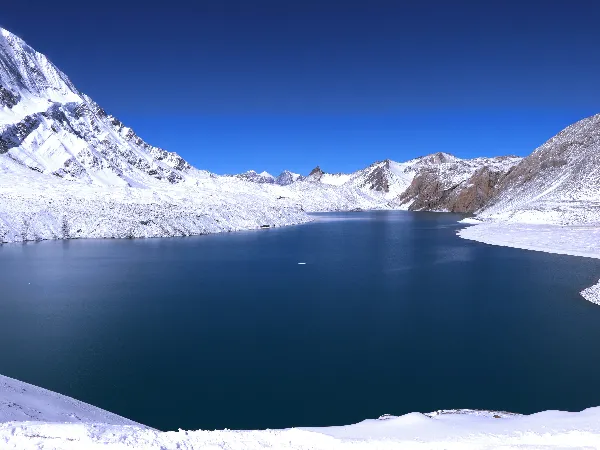
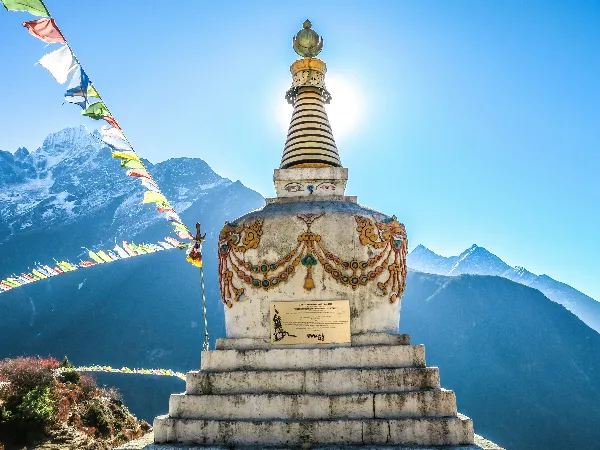
Planning a trip to Nepal requires more than just booking flights; it’s about understanding the country’s geography, culture, seasons, and logistics. From the ancient temples of Kathmandu to the peaceful lakes of Pokhara and the wild jungles of Chitwan National Park, Nepal offers a diverse and unforgettable experience.
Why Visit Nepal?
Nepal is a unique destination where nature, culture, and adventure meet.
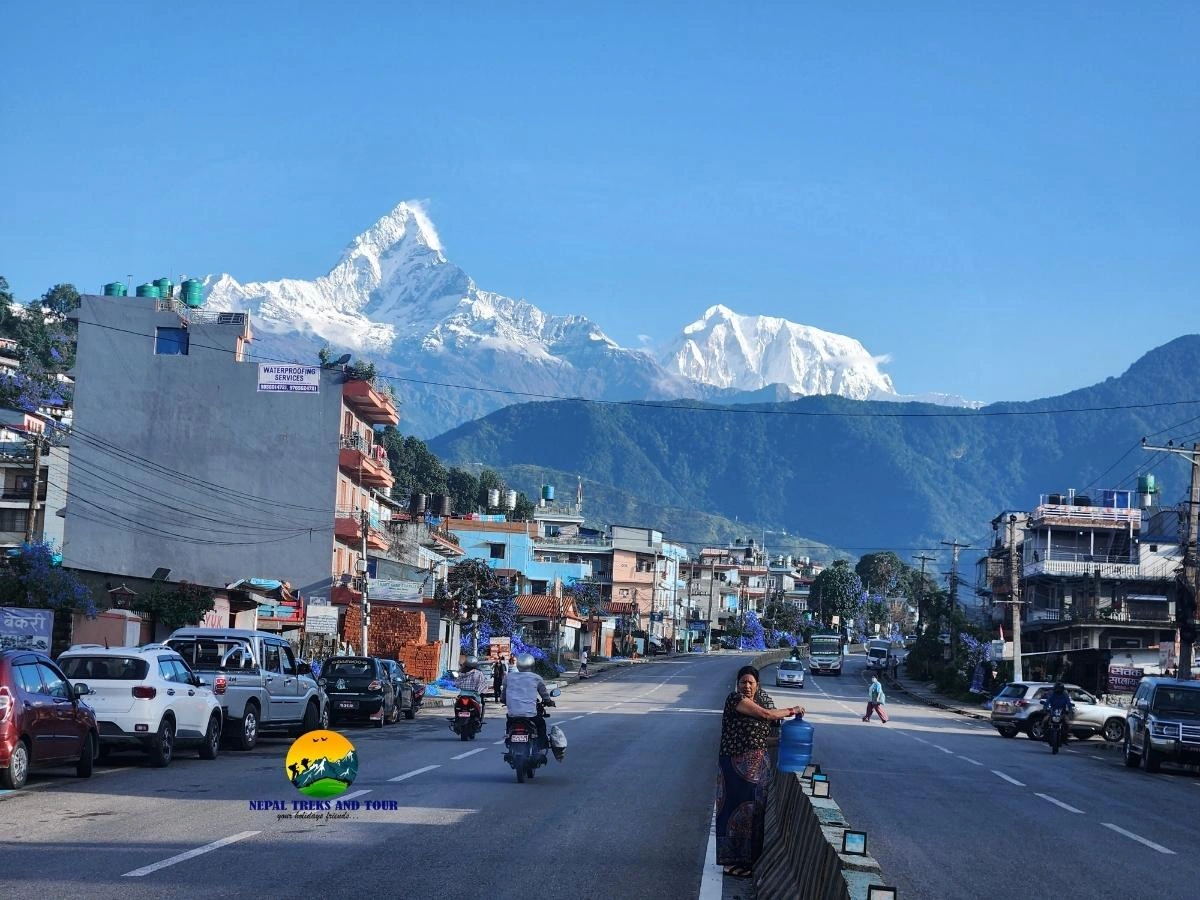
Himalayan Landscapes
- Nepal is home to 8 of the world’s 14 highest mountains, including Mount Everest. Whether you trek or simply enjoy scenic views, the Himalayas dominate the experience.
Rich Cultural Heritage
The Kathmandu Valley alone has multiple UNESCO World Heritage Sites such as:
- Pashupatinath Temple (sacred Hindu site)
- Boudhanath Stupa (one of the largest Buddhist stupas)
- Swayambhunath (Monkey Temple)
These sites reflect Nepal’s deep spiritual roots.
Adventure Opportunities
Nepal is one of the best places in the world for:
- Trekking
- Peak climbing
- Paragliding
- White-water rafting
Best Time to Visit Nepal
Understanding Nepal’s seasons is crucial for planning.
Autumn (September–November)
- Clear skies and best mountain visibility
- Ideal for trekking and photography
- Major festivals like Dashain and Tihar
This is the peak tourist season
Spring (March–May)
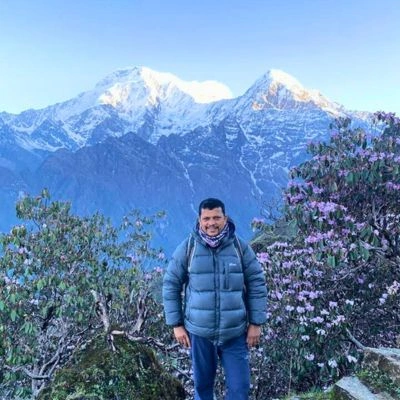
- Blooming rhododendron forests
- Moderate temperatures
- Great for trekking and climbing
Best for nature lovers and photographers
Monsoon (June–August)
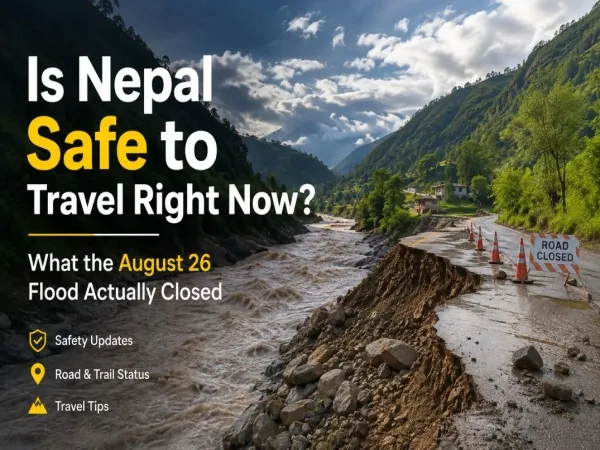
- Heavy rainfall and landslides in hilly regions
- Fewer tourists → cheaper prices
- Lush green landscapes
Best for cultural tours, not trekking
Winter (December–February)
- Cold temperatures, especially in mountains
- Clear skies in cities
- Good for short tours
Ideal for low-altitude travel
Step-by-Step Trip Planning
Decide Your Travel Duration
Your itinerary depends heavily on how much time you have.
- 5–7 Days: Focus on Kathmandu and Pokhara → Cultural + scenic trip
- 8–12 Days: Add a jungle safari at Chitwan National Park or a short trek like Ghorepani
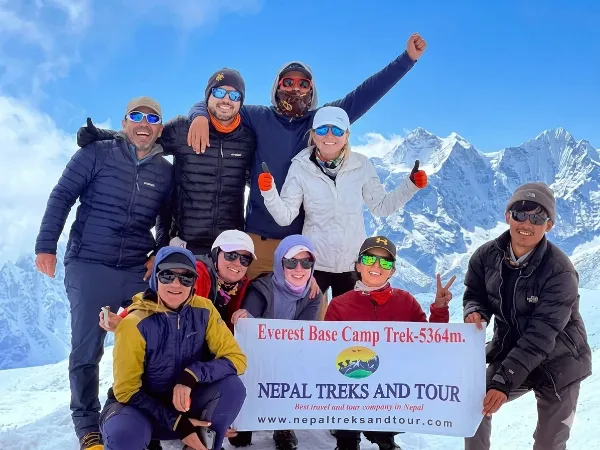
- 14+ Days: Full trekking experience like Everest Base Camp or Annapurna Circuit
Always keep 1–2 buffer days for delays
Choose Your Travel Style (Expanded)
Your experience changes depending on your budget and expectations.
Budget Travel
- Stay in hostels/teahouses
- Use local buses
- Eat local food (dal bhat)
Mid-Range Travel
- 3-star hotels
- Tourist buses or flights
- Guided tours
Luxury Travel
- 5-star hotels
- Private vehicles
- Helicopter tours
- Personalized itineraries
Visa & Entry Requirements
Nepal has one of the easiest visa systems.
Visa on Arrival available at airport and borders
Fees (approx):
- 15 days – $30
- 30 days – $50
- 90 days – $125
You’ll need:
- Passport (valid 6 months)
- Cash (USD recommended)
- Passport photo
You can also apply online in advance to save time
Plan Your Itinerary
A well-planned itinerary balances travel time and activities.
Popular Route (7–10 Days)
- Explore Kathmandu heritage sites
- Travel to Pokhara for relaxation
- Add sunrise views from Sarangkot
Trekking Route (10–14 Days)
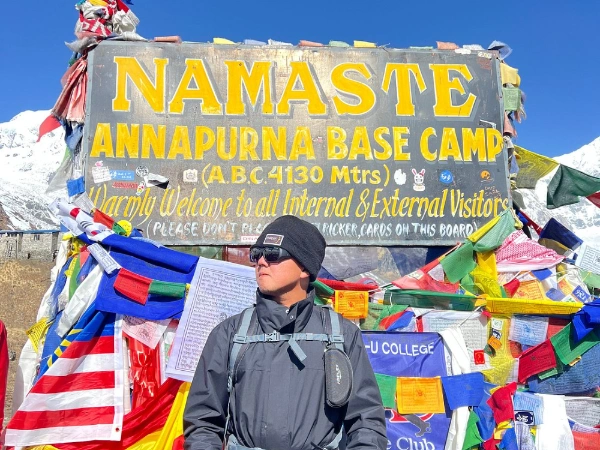
- Annapurna Base Camp
- Everest Base Camp
Nature & Wildlife Route
- Kathmandu → Pokhara → Chitwan
Avoid overpacking your itinerary, Nepal travel can be slow
Top Things to Do in Nepal
Trekking in the Himalayas
Popular routes include:
- Everest Base Camp Trek
- Annapurna Circuit
- Langtang Valley Trek
Trek difficulty ranges from easy to extreme
Cultural Tours
Explore ancient cities like:
These places offer temples, palaces, and local traditions.
Wildlife Safari
At Chitwan National Park:
- Jungle safari
- Rhino spotting
- Bird watching
Adventure Activities
- Paragliding in Pokhara
- Bungee jumping
- Rafting in the Trishuli River
Transportation in Nepal
Domestic Flights
- Fast but weather-dependent
- Popular route: Kathmandu → Pokhara
Tourist Buses
- Affordable and comfortable
- Good for long-distance travel
Private Vehicles
- Best for comfort and flexibility
Roads can be rough, so allow extra time
Accommodation in Nepal
Budget:
- Guesthouses, hostels
- $5–15 per night
Mid-range:
Luxury:
- 4–5 star hotels & resorts
- $100+
Best areas:
- Thamel (Kathmandu)
- Lakeside (Pokhara)
Packing Guide
Your packing depends on your activities.
Essentials:
- Comfortable walking shoes
- Warm layers (temperature drops quickly)
- Rain jacket (especially in monsoon)
- Sunscreen & sunglasses
- Trekking Extras:
- Sleeping bag
- Trekking poles
- Water purification tablets
Important Travel Tips
- Always carry cash (rural areas don’t accept cards)
- Respect religious customs (remove shoes in temples)
- Avoid drinking tap water
- Get travel insurance (especially for trekking)
Altitude sickness is real; ascend slowly
Cost of Traveling in Nepal
Nepal is one of the most affordable destinations.
Daily Budget:
- Budget: $20–40
- Mid-range: $50–100
- Luxury: $150+
- Trekking Costs:
- Guide: $25–35/day
- Porter: $20–25/day
- Permits: $20–50
FAQs: How to Plan a Trip to Nepal
What is the best time to visit Nepal?
- The best time to visit Nepal is during autumn (September to November) and spring (March to May). These seasons offer clear skies, pleasant weather, and the best mountain views, especially for trekking and sightseeing.
How many days are enough for a Nepal trip?
- A 7–10 day trip is ideal to explore major destinations like Kathmandu and Pokhara. If you plan trekking or visiting Chitwan National Park, 10–14 days is recommended.
Do I need a visa to travel to Nepal?
- Yes, most travelers need a visa, but Nepal offers an easy Visa on Arrival at Tribhuvan International Airport and border entry points. You just need a valid passport, photo, and visa fee.
Is Nepal safe for tourists?
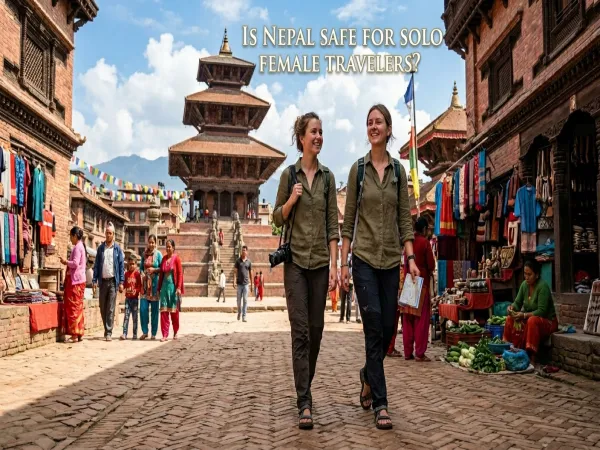
- Yes, Nepal is generally safe for tourists, including solo travelers. The people are friendly and welcoming, but basic precautions like avoiding isolated areas at night are recommended.
How much does a trip to Nepal cost?
Nepal is a budget-friendly destination. Daily costs can range from:
- Budget: $20–40
- Mid-range: $50–100
- Luxury: $150+
Trekking and tours may cost extra depending on the route and services.
What are the top places to visit in Nepal?
Some must-visit destinations include:
- Kathmandu (culture & heritage)
- Pokhara (lakes & mountains)
- Chitwan National Park (wildlife safari)
- Bhaktapur (historic city)
Do I need a guide for trekking in Nepal?
- Yes, for many trekking regions, hiring a licensed guide is required or strongly recommended for safety, navigation, and a better experience.
What should I pack for Nepal?
Pack according to your activities, but essentials include:
- Comfortable walking shoes
- Warm clothing
- Sunscreen and sunglasses
- Travel insurance
For trekking, add a sleeping bag and trekking gear.
What currency is used in Nepal?
- The official currency is the Nepalese Rupee (NPR). Cash is widely used, especially in rural areas, so it’s good to carry some with you.
Can beginners travel or trek in Nepal?
- Yes, Nepal is suitable for beginners. There are many easy treks and cultural tours that do not require prior experience.
Is Nepal good for solo travelers?
- Yes, Nepal is a popular destination for solo travelers due to its safety, affordability, and friendly locals. Group tours and guides are also available if needed.
How do I travel within Nepal?
You can travel by:
- Domestic flights (fastest)
- Tourist buses (budget-friendly)
- Private vehicles (comfortable)
Travel times can be longer due to mountainous roads.