Gosaikunda Lake Trek is one of Nepal’s most beautiful short Himalayan adventures, offering a perfect combination of mountain scenery, sacred lakes, Himalayan landscapes, and cultural experiences. However, selecting the right time to visit plays a major role in determining your overall trekking experience.
The weather in the Langtang region changes significantly throughout the year. Clear mountain views, comfortable temperatures, trail conditions, snowfall, and crowd levels all depend on the season you choose. While Gosaikunda can be visited throughout the year, some months provide much better conditions for a safe, comfortable, and memorable trekking experience.
During these periods, trekkers can enjoy stable weather, clear Himalayan views, comfortable temperatures, and safer trekking trails. April is especially attractive for nature lovers because of blooming rhododendron forests, while October offers some of the clearest mountain scenery of the year.
For first-time visitors to Nepal, October, November, and April are the most recommended months because they provide the best balance between weather, scenery, and trekking comfort.
Which Month Should You Choose for Gosaikunda Trek?
Different trekkers have different expectations from their Himalayan adventure. Some prefer perfect mountain views, while others look for fewer crowds, snow experiences, or comfortable walking conditions.
Here is a quick guide to help you choose the right month:
| Your Preference |
Recommended Month |
| Best overall trekking experience |
October |
| Clearest Himalayan mountain views |
October and November |
| Rhododendron flowers and greenery |
April and May |
| Fewer crowds |
March, May, and late November |
| Snow-covered landscapes |
December to February |
| Best months for beginners |
October, November, and April |
| More affordable trekking experience |
March, May, and early December |
For most trekkers, October remains the safest and most rewarding choice because it combines excellent weather, beautiful scenery, and reliable trail conditions.
Best Seasons or Gosaikunda Lake Trek
Gosaikunda Trek can be completed in four different seasons, and each season offers a unique experience.
The most popular trekking seasons are autumn and spring because they provide the best overall conditions. Winter attracts adventure seekers who want snow-covered landscapes, while monsoon is suitable only for trekkers who are prepared for unpredictable weather.
Autumn Season (September to November)
Autumn is widely considered the best trekking season in Nepal, and Gosaikunda Lake Trek is no exception. After the monsoon rainfall clears the atmosphere, the Himalayan views become exceptionally beautiful.
The trails are usually dry, the weather becomes stable, and visibility improves significantly. Trekkers can enjoy panoramic views of Langtang Himal, Ganesh Himal, and surrounding peaks from viewpoints such as Lauribina Pass.
Gosaikunda Trek in September
September marks the transition from monsoon to autumn. Early September may still experience occasional rainfall, but conditions usually improve as the month progresses.
The advantage of trekking in September is that landscapes remain fresh and green after the monsoon. There are also fewer trekkers compared to October.
However, trekkers should be prepared for possible cloudy days and occasional wet trails, especially during the beginning of the month.
Why October Is the Best Month for Gosaikunda Lake Trek
October is widely regarded as the perfect month for Gosaikunda Trek because it offers the most reliable combination of weather, scenery, and trekking conditions.
Weather Advantages
During October, the monsoon has completely ended, creating stable Himalayan weather conditions.
Trekkers can expect:
- Clear blue skies
- Minimal rainfall
- Comfortable daytime temperatures
- Stable conditions at higher elevations
- Lower chances of weather-related disruptions
These conditions make October ideal for crossing higher sections such as Lauribina Pass.
Landscape Advantages
October provides some of the most impressive scenery on the entire trek.
Trekkers can enjoy:
- Crystal-clear views of Himalayan peaks
- Fresh greenery after monsoon
- Beautiful sunrise and sunset views
- Stunning reflections on Gosaikunda Lake
The combination of clear skies and colorful landscapes makes October one of the best months for photography.
Trekking Advantages
October also provides practical benefits:
- Safer and drier trails
- Better availability of teahouses
- More trekking companions on the route
- Easier planning for first-time trekkers
Based on typical trekking conditions in the Langtang region, October is considered one of the most reliable months because stable post-monsoon weather allows excellent visibility from viewpoints such as Lauribina Pass.
November: Clear Views and Fewer Crowds
November is another excellent month for Gosaikunda Trek. The weather remains stable, and the skies are often crystal clear.
Compared to October, November usually has fewer trekkers, making it a good choice for travelers who prefer quieter trails.
The main consideration is colder temperatures, especially during early mornings and nights near Gosaikunda Lake.
Trekkers should carry warm layers, gloves, and proper sleeping gear.
Spring Season (March to May): Best for Flowers and Nature
Spring is the second-best season for Gosaikunda Lake Trek. The region becomes colorful as rhododendron forests bloom and the landscapes become vibrant.
Spring offers pleasant trekking temperatures, beautiful scenery, and fewer crowds compared to the autumn peak season.
Gosaikunda Trek in April: The Best Spring Month
April is one of the most recommended months for spring trekking.
During April, trekkers can experience:
- Blooming rhododendron forests
- Comfortable temperatures
- Beautiful mountain views
- Longer daylight hours
It is an excellent month for travelers who want a combination of good weather and natural beauty.
Winter Season (December to February): Best for Snow Experience
Winter trekking to Gosaikunda is possible and offers a completely different experience.
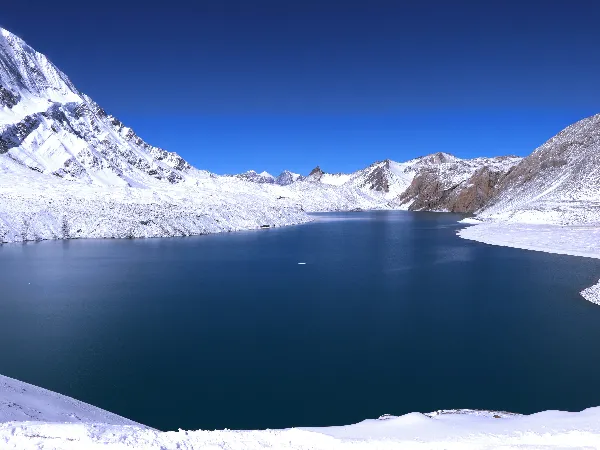
The region becomes peaceful, quiet, and covered with snow. The frozen lake and snowy mountain surroundings create a unique Himalayan atmosphere.
However, winter requires more preparation because temperatures can drop significantly.
Trekkers should expect:
- Freezing nights
- Snow-covered trails
- Possible challenges crossing high passes
Winter is best suited for experienced trekkers who enjoy cold-weather adventures.
Monsoon Season (June to August): Least Recommended Time
The monsoon season is generally the least preferred period for Gosaikunda Trek.
During June, July, and August, trekkers may experience:
- Heavy rainfall
- Cloud-covered mountains
- Slippery trails
- Increased risk of landslides
- Reduced visibility
However, trekking is still possible with proper preparation. It requires more flexibility, suitable rain gear, and awareness of changing weather conditions.
Gosaikunda Trek Weather and Temperature Guide
Weather conditions vary depending on altitude. Higher areas around Gosaikunda Lake are significantly colder than lower trekking areas.
| Location |
Spring |
Autumn |
Winter |
| Kathmandu |
15°C–25°C |
15°C–25°C |
8°C–18°C |
| Dhunche/Syabrubesi |
10°C–20°C |
10°C–20°C |
5°C–15°C |
| Gosaikunda Lake (4,380m) |
-5°C to 10°C |
-5°C to 10°C |
-10°C to 5°C |
How Gosaikunda Trek Feels in Different Seasons
Spring Experience
Spring offers a colorful trekking experience. Walking through blooming rhododendron forests while surrounded by Himalayan peaks makes this season especially memorable for nature lovers.
Autumn Experience
Autumn provides the classic Himalayan trekking experience. Clear blue skies, golden landscapes, and incredible mountain views make every section of the trail visually rewarding.
Winter Experience
Winter transforms Gosaikunda into a peaceful snow-covered destination. The frozen lake, quiet trails, and dramatic mountain scenery create a unique adventure.
Monsoon Experience
Monsoon brings lush green landscapes and fewer trekkers, but unpredictable weather can make the journey more challenging.
Best Time Based on Trekker Type
For First-Time Trekkers
October, November, and April are the best choices because of comfortable weather and safer trails.
October and November provide the clearest skies and best Himalayan visibility.
For Nature Lovers
April and May are ideal because of blooming flowers and green landscapes.
For Snow Lovers
December to February offers the best chance of experiencing snow.
For Budget Travelers
March, May, and early December usually offer fewer crowds and potentially better availability.
Seasonal Packing Tips
Your packing list should change depending on the trekking season.
Spring and Autumn
Carry:
- Light trekking layers
- Warm fleece jacket
- Windproof jacket
- Sunglasses
- Sunscreen
Winter
Carry:
- Down jacket
- Thermal base layers
- Gloves
- Warm hat
- Heavy sleeping bag
Monsoon
Carry:
- Waterproof jacket
- Rain cover
- Quick-dry clothing
- Waterproof trekking boots
Final Recommendation: Best Time to Book Gosaikunda Lake Trek
Choosing the right season can significantly improve your Gosaikunda Trek experience. Although the trail is accessible throughout the year, October, November, and April remain the most recommended months for most trekkers.
For the best combination of clear Himalayan views, comfortable weather, and safer trekking conditions, October is the top choice. For travelers seeking flowers and peaceful landscapes, April is an excellent alternative.
Whether you are a beginner planning your first Himalayan adventure or an experienced trekker looking for a beautiful short trek in Nepal, selecting the right season will help you enjoy Gosaikunda Lake at its best.
FAQs
What is the best time to trek to Gosaikunda Lake?
The best time to trek to Gosaikunda Lake is during spring (March to May) and autumn (September to November). These seasons offer clear mountain views, comfortable temperatures, blooming rhododendron forests in spring, and stable weather after the monsoon in autumn.
Is the Gosaikunda Lake Trek possible during the monsoon season?
Yes, you can trek during the monsoon (June to August), but it is not the ideal time. Heavy rainfall can make trails slippery, increase the risk of landslides, and reduce mountain visibility. However, the forests become lush and green, making the landscape beautiful if you're prepared for wet conditions.
Can I do the Gosaikunda Lake Trek in winter?
Yes. The trek is possible in winter (December to February), but it is much more challenging due to snow-covered trails and freezing temperatures. The lake often freezes, creating stunning scenery, but trekkers should have proper winter gear and trekking experience.
Which month offers the clearest mountain views on the Gosaikunda Trek?
October and November usually provide the clearest skies and the best panoramic views of the Langtang Himalayas, Ganesh Himal, Manaslu, and surrounding peaks. These months are considered the most popular time for photography and trekking.
When is the Gosaikunda Janai Purnima Festival held?
The Janai Purnima Festival usually falls in August (depending on the lunar calendar). Thousands of Hindu and Buddhist pilgrims visit Gosaikunda Lake during this sacred event. If you want to experience Nepal's spiritual culture, this is a unique time to trek, although the trails and teahouses can be crowded.
Is spring or autumn better for the Gosaikunda Lake Trek?
Both seasons are excellent, but they offer different experiences:
- Spring (March–May): Colorful rhododendron forests, mild temperatures, and blooming alpine landscapes.
- Autumn (September–November): Crystal-clear mountain views, stable weather, dry trails, and ideal trekking conditions.
Most trekkers consider autumn slightly better for overall visibility and weather.
What is the easiest month for beginners to trek to Gosaikunda Lake?
For beginners, April, October, and November are the easiest months. The weather is stable, temperatures are comfortable, trails are generally dry, and there is less chance of heavy snowfall or rain.
How cold does it get during the Gosaikunda Lake Trek?
Temperatures vary by season and altitude:
- Spring & Autumn: Around 10°C to 20°C (50°F to 68°F) during the day and -5°C to 5°C (23°F to 41°F) at night near Gosaikunda.
- Winter: Temperatures can fall below -10°C (14°F) at higher elevations.
Warm layers and a quality sleeping bag are recommended in every season.
Which season has fewer crowds on the Gosaikunda Lake Trek?
If you prefer quieter trails, consider trekking in March, late November, or early December. These periods usually have fewer trekkers while still offering good weather. Avoid October and the Janai Purnima Festival if you want to escape the crowds.
What should I pack for the Gosaikunda Lake Trek in different seasons?
Your packing list depends on the season, but essentials include:
- Layered clothing
- Waterproof jacket and pants
- Warm fleece or down jacket
- Hiking boots
- Trekking poles
- Gloves and hat
- Sunscreen and sunglasses
- Reusable water bottle
- Basic first-aid kit
For winter, pack additional thermal clothing, insulated gloves, and microspikes if heavy snow is expected.