Planning the Everest Base Camp Trek is exciting, but many trekkers often wonder whether hiring a guide is truly necessary or if trekking independently is enough.
The reality is that both options are possible. Some experienced trekkers complete the route independently every year, while many first-time visitors prefer trekking with an experienced local guide for extra safety and support.
If you are completely new to Himalayan adventures, reading a detailed Beginners guide before planning the trek can help you understand what to expect in Nepal’s mountain environment.
The Everest Base Camp route is not simply a normal hiking trail. The journey takes trekkers into remote high-altitude terrain where weather conditions, oxygen levels, and long walking days can become physically demanding.
This is one reason why many trekkers first research the overall Difficulty level before deciding whether they should hire a guide.
From our trekking experience in Nepal, travelers who choose guided treks often feel more confident and relaxed throughout the journey because they do not need to worry about route planning, accommodation, or emergency situations.
A guide is not mandatory for the Everest Base Camp Trek, but it is highly recommended for safety, altitude management, navigation, and local support. Trekking with a guide makes the journey smoother and safer, especially for first-time trekkers in Nepal.
Why Hiring a Guide for Everest Base Camp Is Worth It
The Everest Base Camp Trek may look straightforward online, but conditions in the Himalayas can be unpredictable.
The combination of altitude, cold temperatures, steep trails, and changing mountain weather can make the trek much harder than many people expect.
Many trekkers who compare different Himalayan adventures often discover that Everest is among the most rewarding High-Altitude Treks in Nepal.
A guide helps trekkers handle these challenges more safely while also making the experience more enjoyable.
Better Altitude Safety
Altitude sickness is one of the biggest concerns during the Everest Base Camp Trek.
The trail gradually climbs above 5,000 meters, where oxygen levels become significantly lower than at sea level. Even healthy trekkers can develop symptoms after reaching higher villages like Dingboche or Lobuche.
Common symptoms include:
- Headache
- Nausea
- Fatigue
- Loss of appetite
- Difficulty sleeping
- Dizziness
Trekkers planning the journey should first understand the major Symptoms of altitude sickness before arriving in Nepal.
Experienced guides are trained to monitor trekkers carefully and notice early warning signs before conditions become serious.
From our guiding experience, many trekkers underestimate how difficult high altitude can feel after Namche Bazaar. Guides help manage acclimatization properly by adjusting pace, rest days, and walking hours.
This support becomes especially important for older travelers planning Himalayan adventures.
Easier Navigation and Route Management
The Everest trail is well-known, but weather conditions and flight delays can still create confusion for independent trekkers.
Heavy snowfall, poor visibility, or itinerary changes sometimes force trekkers to adjust plans quickly.
A guide removes most of that stress.
Instead of worrying about route decisions, trekkers can simply focus on enjoying the mountain scenery and overall experience.
Before choosing their trekking route, many travelers also compare the traditional Lukla flight route with alternative access options.
In recent years, some trekkers have also started choosing routes without Lukla flights.
Local Experience Makes the Trek More Meaningful
Without a guide, many trekkers simply walk from village to village without understanding much about the local culture.
Guides help explain:
- Sherpa traditions
- Buddhist culture
- Mountain history
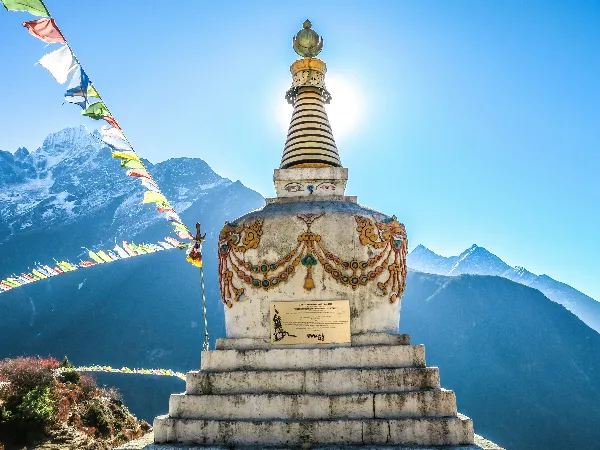
- Monasteries and prayer flags
- Local lifestyles
- Everest expedition stories
From our experience, trekkers who travel with local guides usually develop a deeper connection with the Everest region and its people.
Accommodation and Food Become Easier
One hidden challenge during the Everest Base Camp Trek is finding accommodation during busy trekking seasons.
Popular villages like Namche Bazaar, Dingboche, and Gorakshep can become crowded during autumn and spring.
Guides often reserve rooms in advance, making the trek much smoother and less stressful.
This becomes even more valuable after long walking days at high altitude.
Emergency Support in the Mountains
Weather in the Himalayas changes quickly.
Flights to Lukla are frequently delayed or canceled, and unexpected health problems can happen at any time.
A guide can help with:
- Emergency evacuation
- Helicopter coordination
- Route adjustments
- Health monitoring
- Accommodation changes
- Local communication
Many trekkers researching Everest safety also ask an important question before booking their trip:
“How risky is the Everest Base Camp Trek?”
Can You Trek Everest Base Camp Independently?
Yes, experienced trekkers can complete the Everest Base Camp Trek independently.
The trail has many teahouses and is generally easy to follow during peak trekking seasons.
Independent trekking is often suitable for people who:
- Have previous high-altitude experience
- Prefer flexibility
- Travel on tighter budgets
- Feel confident navigating trails
However, beginners sometimes find the logistics more stressful than expected.
If this is your first trekking adventure in Nepal, reading a complete Nepal Guide beforehand can help you prepare better.
Is Hiring a Porter Worth It?
Many trekkers who do not hire guides still choose to hire porters.
At high altitude, carrying heavy backpacks becomes much more exhausting than most people expect.
Porters help carry:
- Heavy clothing
- Extra equipment
- Duffel bags
- Sleeping gear
This allows trekkers to conserve energy and enjoy the journey more comfortably.
Preparing the right gear before the trek is equally important.
How Much Does an Everest Base Camp Guide Cost?
Guide costs vary depending on trekking season, company services, and group size.
On average:
- Licensed guide: $30–$40 per day
- Porter: $20–$30 per day
Travelers planning the trek often compare overall expenses before booking their adventure.
Many trekking agencies also offer complete packages that include permits, accommodation, Lukla flights, guides, meals, and airport transfers.
Choosing the Best Season for a Guided Trek
The trekking season also plays a major role in the overall Everest experience.
Stable weather, better mountain visibility, and safer trail conditions usually occur during spring and autumn.
Trekkers planning their adventure should carefully choose the right Best Time before booking flights and permits.
Final Thoughts
So, do you actually need a guide for the Everest Base Camp Trek? Technically, no. But for many trekkers, especially beginners, hiring a guide can make the journey far safer, easier, and more enjoyable.
The Everest Base Camp Trek is not simply about reaching a destination. It is a complete Himalayan experience that requires preparation, patience, acclimatization, and proper planning.
If you are still researching the overall trek, routes, permits, itinerary, and preparation, reading a complete EBC Guide can help you plan much more confidently.
Whether you choose a guide, a porter, or an organized trekking package, proper preparation will always improve your overall Everest experience.
FAQs
Is a guide mandatory for Everest Base Camp Trek?
No, a guide is not mandatory for the Everest Base Camp Trek as of 2026. Trekkers can still complete the trek independently.
Is Everest Base Camp safe without a guide?
The trek can be completed safely without a guide by experienced trekkers, but beginners are strongly advised to hire a guide for altitude safety and navigation support.
How much does a guide cost for Everest Base Camp?
Licensed guides usually charge around $30–$40 per day, while porters typically cost $20–$30 per day.
Can beginners trek Everest Base Camp alone?
Beginners can trek independently, but most first-time trekkers find guided treks safer, easier, and less stressful.
Is hiring a porter worth it for Everest Base Camp?
Yes, many trekkers find hiring a porter very helpful because it reduces physical strain at high altitude.
What are the advantages of trekking with a guide?
A guide helps with safety, navigation, accommodation booking, cultural insights, emergency support, and itinerary management.
Are guided Everest Base Camp packages worth it?
Yes, guided packages are convenient because they include permits, flights, accommodation, guides, and logistics in one organized plan.
Do guides help with altitude sickness?
Yes, experienced guides monitor trekkers for altitude sickness symptoms and help manage acclimatization safely.
Can I find accommodation easily without a guide?
During busy trekking seasons, finding accommodation can sometimes be difficult without advance arrangements.
Do I need travel insurance for Everest Base Camp Trek?
Yes, travel insurance with high-altitude emergency evacuation coverage is strongly recommended for all trekkers.
What is the best season to trek Everest Base Camp with a guide?
Spring (March to May) and autumn (September to November) are considered the best seasons for Everest Base Camp trekking.
Do solo travelers usually hire guides in Nepal?
Yes, many solo travelers hire guides in Nepal for extra safety, companionship, and logistical support.