What makes this trek especially valuable is its balance. It offers world-class mountain views, authentic village culture, and peaceful forest trails without requiring extreme altitude or technical skills. For many travelers, it becomes the perfect introduction to trekking in Nepal.

Ghorepani Poon Hill with Mardi Himal Trek: Complete Guide (2026)
Some treks in Nepal are famous for their mountain views. Others are known for culture, forests, or remote wilderness. The Ghorepani Poon Hill with Mardi Himal Trek combines all of these experiences into one unforgettable journey.
This trek takes you through some of the most beautiful landscapes in the Annapurna region. You will walk beneath towering rhododendron forests, pass through traditional mountain villages, and stand on high ridges with panoramic views of the Himalayas.
The journey begins on the classic Ghorepani Poon Hill route. The trail winds through charming Gurung and Magar settlements before reaching the famous Poon Hill viewpoint. Watching the sunrise from Poon Hill is often one of the most memorable moments of the entire trek. As the first light touches Annapurna South, Dhaulagiri, Machhapuchhre, and Hiunchuli, the mountains glow with shades of gold and orange.
After enjoying the highlights of Poon Hill, the route connects with the quieter Mardi Himal trail. This section feels completely different. The crowds become smaller, the forests become denser, and the scenery becomes even more dramatic. The ridge walk toward Mardi Himal offers some of the closest mountain views you can experience on a moderate trek in Nepal.
What makes this trek special is its balance. You do not need weeks in the mountains to experience the beauty of the Annapurna region. In less than two weeks, you can enjoy stunning sunrises, diverse landscapes, authentic village life, and spectacular Himalayan panoramas.
For first-time visitors to Nepal, it is one of the best trekking combinations available. For experienced trekkers, it offers a rewarding route that combines two of the most popular short treks in the country.
Why Choose the Ghorepani Poon Hill and Mardi Himal Trek?
Choosing a trek in Nepal can be difficult. The Annapurna region alone offers dozens of incredible routes. Many travelers find themselves deciding between the Ghorepani Poon Hill Trek and the Mardi Himal Trek.
The good news is that you do not have to choose.
Combining these two routes allows you to experience the best of both worlds. Poon Hill delivers one of Nepal's most iconic sunrise viewpoints. Mardi Himal provides peaceful trails and breathtaking close-up mountain scenery.
One of the biggest advantages of this trek is the variety. Every day feels different. One morning you may be walking through ancient forests filled with birdsong. The next day you may be standing above the clouds on a narrow mountain ridge facing the Annapurna range.
The cultural experience is equally rewarding. The trail passes through traditional villages where local families have welcomed trekkers for generations. Staying in tea houses gives you a glimpse into everyday life in Nepal's mountain communities.
Unlike longer high-altitude expeditions, this trek remains accessible to many travelers. It does not require technical climbing skills, expensive equipment, or extensive mountaineering experience.
For travelers looking for mountain views, local culture, manageable altitude, and excellent value, this trek is difficult to beat.
What Makes This Combined Trek Unique?
Many trekking routes focus on a single highlight. This trek delivers multiple highlights in one journey.
Poon Hill is famous for its sunrise panorama. On clear mornings, the viewpoint offers one of the widest mountain vistas in Nepal. Peaks stretching from Dhaulagiri to Annapurna can be seen from a single location.
The Mardi Himal section offers a completely different perspective. Instead of viewing the mountains from a distance, trekkers walk directly beneath the towering face of Machhapuchhre. The feeling of being surrounded by giant Himalayan peaks creates a far more immersive experience.
Another unique feature is the changing landscape. The trek begins in lush forests and terraced hills. As elevation increases, the scenery transforms into alpine terrain with rugged ridges and open mountain slopes.
The combination creates a richer experience than either trek alone.
Who Is This Trek Best For?
This trek is suitable for a wide range of travelers.
Beginners often choose it because the route is achievable without prior trekking experience. While there are challenging uphill sections, the trail does not require technical climbing skills.
Couples enjoy the combination of mountain scenery, comfortable tea houses, and manageable daily distances.
Solo travelers appreciate the safety and popularity of the Poon Hill section while still enjoying the quieter atmosphere of Mardi Himal.
Photographers love the diversity of landscapes. Sunrise viewpoints, forest trails, village life, and dramatic Himalayan ridges provide endless opportunities for capturing memorable images.
Adventure seekers who want a rewarding Himalayan experience without committing to a three-week expedition often find this route ideal.
Ghorepani Poon Hill with Mardi Himal Trek Overview
The trek is located in Nepal's famous Annapurna region. It combines two classic trekking routes into a single adventure lasting between ten and fourteen days.
The journey usually begins near Nayapul or Ulleri after a drive from Pokhara. From there, the trail climbs steadily through villages and forests toward Ghorepani and Poon Hill.
After visiting Poon Hill, the route continues east through beautiful forest trails before connecting with the Mardi Himal route. The trek gradually climbs toward High Camp and finally reaches Mardi Himal View Point, where some of the best mountain views in Nepal await.
The return journey descends through peaceful villages before ending near Kande or Phedi, followed by a short drive back to Pokhara.
Throughout the trek, accommodation is provided in local tea houses. These family-run lodges offer simple rooms, hot meals, and a welcoming atmosphere.
The route is considered moderate in difficulty, making it achievable for most healthy travelers with reasonable fitness levels.
Quick Trek Facts
The Ghorepani Poon Hill with Mardi Himal Trek typically takes between ten and fourteen days depending on the chosen itinerary.
The highest point is Mardi Himal View Point at approximately 4,500 meters above sea level.
The trek is classified as moderate and does not require previous mountaineering experience.
Spring and autumn are considered the best seasons due to clear skies, comfortable temperatures, and excellent mountain visibility.
Accommodation is available in tea houses throughout the route, making it one of the most accessible trekking experiences in Nepal.
Trekkers can expect incredible views of Annapurna South, Hiunchuli, Machhapuchhre, Mardi Himal, and Dhaulagiri during the journey.
For travelers seeking a complete Annapurna experience without the time commitment of longer expeditions, this trek offers an outstanding balance of adventure, scenery, and culture.
Ghorepani Poon Hill with Mardi Himal Trek Sample Itinerary
The itinerary below is designed for trekkers who want to experience both the classic Poon Hill route and the scenic Mardi Himal trail at a comfortable pace. It allows enough time to enjoy the mountain scenery without feeling rushed.
Day 1: Arrival in Kathmandu (1,400m)
Your adventure begins in Kathmandu, the vibrant capital of Nepal. Most trekkers spend the day preparing permits, checking equipment, and recovering from their international flight.
If time allows, explore the historic streets of Thamel, where trekking shops, cafés, and travel agencies line the busy lanes. It is also a good opportunity to purchase any last-minute trekking gear.
Day 2: Drive or Fly to Pokhara (822m)
The journey to Pokhara is the first glimpse of Nepal's beautiful countryside. Travelers can choose between a scenic drive or a short domestic flight.
Pokhara is one of Nepal's most popular tourist destinations. On clear days, the Annapurna range can be seen rising dramatically above the city. Many trekkers spend the evening relaxing beside Phewa Lake before the trek begins.
Day 3: Drive to Ulleri and Trek to Ghorepani (2,874m)
After breakfast, drive to the trailhead and begin trekking toward Ghorepani. The route passes through forests, stone staircases, and small settlements.
This is one of the more physically demanding days of the trek due to the steady uphill climb. However, the surrounding mountain scenery and peaceful forests make the effort worthwhile.
Overnight stay in Ghorepani.
Day 4: Sunrise at Poon Hill and Trek to Tadapani (2,630m)
Before dawn, hike to Poon Hill, one of the most famous viewpoints in Nepal. As the sun rises, the peaks of Annapurna, Dhaulagiri, Machhapuchhre, and Hiunchuli slowly light up.
After enjoying the panorama, return to Ghorepani for breakfast and continue trekking through rhododendron forests toward Tadapani.
The trail offers beautiful views throughout the day and passes through peaceful woodland sections that are especially colorful during spring.
Day 5: Trek from Tadapani to Landruk (1,565m)
Today's route descends through forest trails before reaching traditional Gurung villages. The scenery shifts from dense woodland to terraced farmland and rural settlements.
Landruk is a charming mountain village with impressive views of Annapurna South and Hiunchuli. It provides an authentic glimpse into local village life away from busier trekking routes.
Day 6: Trek from Landruk to Forest Camp (2,550m)
This is where the Mardi Himal section begins. The trail gradually leaves the villages behind and enters a quieter environment dominated by dense forests.
Compared to the Poon Hill route, the Mardi trail feels more remote and peaceful. Trekkers often notice fewer people and a stronger connection with nature.
Overnight stay at Forest Camp.
Day 7: Trek from Forest Camp to Low Camp (2,970m)
The trail continues through moss-covered forests filled with rhododendron trees and mountain vegetation. During spring, this section becomes particularly beautiful as colorful flowers bloom along the route.
As you gain altitude, the forests begin to open up and the first dramatic views of Machhapuchhre appear.
Overnight stay at Low Camp.
Day 8: Trek from Low Camp to High Camp (3,580m)
Today offers some of the most spectacular scenery of the entire trek. The route climbs above the tree line and follows a stunning ridge toward High Camp.
The mountain views become increasingly impressive with every step. Annapurna South, Hiunchuli, and Machhapuchhre dominate the skyline.
The air feels noticeably cooler at this elevation, especially during the evening.
Day 9: Hike to Mardi Himal View Point (4,500m) and Trek to Low Camp
This is the highlight of the Mardi Himal section.
Most trekkers begin before sunrise to reach Mardi Himal View Point early in the morning. The panorama from the viewpoint is extraordinary. Machhapuchhre appears incredibly close, while Annapurna South and surrounding peaks create a dramatic Himalayan backdrop.
After spending time at the viewpoint and taking photographs, descend carefully back to Low Camp.
Day 10: Trek from Low Camp to Siding Village (1,750m)
The trail descends steadily through forests and small settlements toward Siding Village.
This section provides a quieter and more authentic experience compared to some of the busier trekking areas in the Annapurna region.
The warmer temperatures and lower elevation make for a comfortable final night in the mountains.
Day 11: Drive to Pokhara
After breakfast, take a local jeep or private vehicle back to Pokhara.
Many trekkers celebrate the completion of the trek by enjoying lakeside restaurants, cafés, and relaxing accommodation after several days in the mountains.
A hot shower and comfortable bed often feel especially rewarding after reaching Mardi Himal View Point.
Day 12: Return to Kathmandu
Travel back to Kathmandu by road or air.
Depending on your departure schedule, you may have time for sightseeing, shopping, or exploring cultural landmarks before leaving Nepal.
Major Attractions Along the Trek
The Ghorepani Poon Hill with Mardi Himal Trek is packed with highlights. From famous viewpoints to hidden forest trails, the route offers much more than mountain scenery alone.
Poon Hill Sunrise Viewpoint
Poon Hill remains one of Nepal's most famous trekking destinations for good reason.
The sunrise panorama stretches across the Annapurna and Dhaulagiri ranges, creating one of the widest mountain views in the country.
The viewpoint is easily accessible, making it popular among both beginner and experienced trekkers.
Machhapuchhre (Fishtail Mountain)
Machhapuchhre is one of Nepal's most recognizable mountains.
Its distinctive fishtail-shaped summit dominates much of the trek and becomes increasingly impressive as you approach the Mardi Himal section.
Because climbing the sacred mountain is prohibited, it remains one of the few major Himalayan peaks that has never officially been summited.
Mardi Himal Ridge
The ridge leading toward High Camp is a highlight in itself.
Walking along this narrow mountain spine with dramatic valleys on either side creates a sense of adventure rarely found on shorter trekking routes.
The combination of open skies and close-up mountain views makes this section unforgettable.
Rhododendron Forests
The forests between Ulleri, Ghorepani, and Forest Camp are among the most beautiful in Nepal.
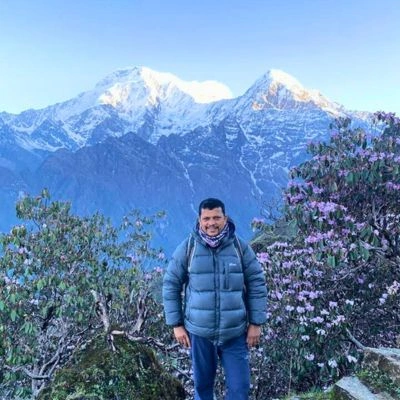
Spring transforms the landscape into a sea of colorful blossoms. The contrast between vibrant flowers and snow-covered peaks creates stunning scenery for trekkers and photographers alike.
Traditional Gurung and Magar Villages
The cultural experience is an important part of this trek.
Villages such as Ghorepani, Landruk, and surrounding settlements provide opportunities to learn about local traditions, architecture, and mountain lifestyles.
Many trekking memories are made not only on the trail but also while sharing conversations around the dining room stove in local teahouses.
Annapurna South and Hiunchuli Views
Few short treks offer such consistent views of Annapurna South and Hiunchuli.
These massive peaks remain visible throughout much of the journey and provide a spectacular backdrop to daily trekking life.
Their appearance changes constantly as sunlight, clouds, and weather conditions shift throughout the day.
For many trekkers, watching these mountains from a teahouse balcony with a cup of hot tea becomes one of the simple pleasures that defines the experience.
Trek Difficulty Explained
One of the most common questions trekkers ask is whether the Ghorepani Poon Hill with Mardi Himal Trek is difficult. The simple answer is that it is a moderate trek. It does not require technical climbing skills, ropes, or mountaineering experience, but it does involve several days of continuous walking in the mountains.
Most trekking days involve five to seven hours of walking. Some days are shorter, while others may take longer depending on weather conditions, trail conditions, and your walking pace.
The biggest challenge for many trekkers is not the altitude but the constant uphill and downhill sections. The stone staircases around Ulleri are particularly famous for testing leg strength and endurance. Likewise, the climb from Low Camp to High Camp on the Mardi Himal route can feel demanding due to the increasing elevation.
However, most healthy travelers with a reasonable level of fitness can complete this trek successfully. You do not need to be an athlete. Basic preparation before arriving in Nepal can make a significant difference.
Regular walking, hiking, cycling, or cardio exercise for several weeks before the trek is usually enough for most people.
Is This Trek Suitable for Beginners?
Yes, this trek is one of the best options for beginners who want to experience the Himalayas.
Unlike Everest Base Camp or the Annapurna Circuit, the altitude remains relatively manageable and the daily distances are not extreme. Tea house accommodation is available throughout the route, making logistics straightforward.
Many first-time trekkers choose this route because it offers spectacular mountain scenery without requiring advanced trekking experience.
The key to success is maintaining a steady pace and allowing your body time to adjust to the elevation.
Daily Walking Hours
Most trekking days involve between five and seven hours of walking.
Some sections are shorter and more relaxed, particularly when descending toward lower elevations. Other days, such as the climb to Ghorepani or the ascent toward High Camp, require more effort.
Walking times can vary depending on fitness level, weather, trail conditions, and the number of breaks taken during the day.
Many experienced guides encourage trekkers to walk slowly and consistently rather than trying to move quickly.
What Is the Hardest Part of the Trek?
The climb from Ulleri toward Ghorepani is often considered one of the most physically demanding sections. The trail gains elevation steadily and includes long stretches of uphill walking.
The final ascent from High Camp to Mardi Himal View Point is another challenging section. The higher altitude and colder temperatures can make the climb feel more difficult than earlier days.
Fortunately, both challenges are rewarded with some of the most spectacular mountain views in Nepal.
Altitude and Acclimatization Guide
Although the Ghorepani Poon Hill with Mardi Himal Trek is not among Nepal's highest trekking routes, altitude should still be taken seriously.
The highest point of the trek is Mardi Himal View Point at approximately 4,500 meters above sea level. At this elevation, some trekkers may begin to experience mild symptoms of altitude sickness.
Most travelers complete the trek without major issues because the route gains elevation gradually. Nevertheless, understanding altitude and how your body responds to it is important.
Can You Get Altitude Sickness on This Trek?
Yes, altitude sickness is possible.
Anyone can be affected regardless of age, fitness level, or previous trekking experience. Being physically fit does not make someone immune to altitude-related problems.
Symptoms may include headache, loss of appetite, fatigue, dizziness, difficulty sleeping, or mild nausea.
Most symptoms improve with rest and proper hydration. However, symptoms should never be ignored if they become more severe.
How to Reduce the Risk of Altitude Sickness
The most effective strategy is to ascend gradually and avoid rushing.
Drink plenty of water throughout the day and maintain a steady pace while trekking. Many guides recommend avoiding alcohol at higher elevations because it can contribute to dehydration.
Getting enough sleep and eating regular meals also helps your body adapt to changing elevations.
Listening to your body is one of the most important skills in the mountains. If symptoms worsen, descending to a lower altitude is often the safest solution.
Signs You Should Not Ignore
A mild headache is relatively common at higher elevations. However, persistent headaches, severe nausea, breathing difficulties, or loss of coordination require immediate attention.
Inform your guide or trekking companions if symptoms become concerning.
In the Himalayas, it is always better to act early than to wait for symptoms to become serious.
Best Time for the Ghorepani Poon Hill with Mardi Himal Trek
Choosing the right season can have a major impact on your trekking experience.
While the route can be completed throughout much of the year, some seasons offer significantly better weather, mountain views, and trail conditions than others.
For most travelers, spring and autumn are the best times to trek.
Spring Season (March to May)
Spring is one of the most beautiful times to visit the Annapurna region.
The forests burst into color as rhododendron flowers bloom across the hillsides. Red, pink, and white blossoms create stunning scenery along much of the trail.
Temperatures are generally comfortable during the day, and mountain views are often excellent, particularly during the mornings.
Wildlife activity also increases during spring, adding to the natural beauty of the trek.
For photographers and nature lovers, this is one of the most rewarding seasons.
Autumn Season (September to November)
Autumn is widely considered the best trekking season in Nepal.
The monsoon rains clear dust and pollution from the atmosphere, creating exceptionally clear mountain views. Visibility is often at its best during this time of year.
Daytime temperatures remain pleasant, while evenings are cool but comfortable.
Because conditions are so favorable, autumn is also the busiest trekking season. Popular villages and tea houses may become crowded, especially during October.
Advance planning is recommended during peak trekking months.
Winter Season (December to February)
Winter offers a very different trekking experience.
The trails are much quieter, and mountain views can be spectacular on clear days. Snow occasionally falls at higher elevations, particularly around High Camp and Mardi Himal View Point.
Temperatures drop significantly during the night, and mornings can be extremely cold.
Trekkers who enjoy peaceful trails and do not mind cold conditions often find winter rewarding.
Proper clothing and winter gear become especially important during this season.
Monsoon Season (June to August)
Monsoon is generally the least popular season for this trek.
Frequent rainfall can create muddy trails and reduce mountain visibility. Clouds often obscure the peaks that make the Annapurna region famous.
Leeches may also be present in forested areas during wet conditions.
Despite these challenges, the landscape becomes incredibly green and vibrant. Trekkers who prefer solitude sometimes choose the monsoon season because visitor numbers are much lower.
However, flexibility is important because weather conditions can affect transportation and daily trekking plans.
Weather and Temperature Expectations
Weather in the mountains can change quickly regardless of season.
Sunny mornings may become cloudy by afternoon, and temperatures can vary significantly between lower villages and higher camps.
At lower elevations, daytime temperatures are generally pleasant throughout most of the year. Higher sections such as High Camp and Mardi Himal View Point can feel cold even during peak trekking seasons.
Layered clothing is always recommended. Conditions that feel warm during the day can become surprisingly cold after sunset.
Trekkers should prepare for sunshine, wind, rain, and cold temperatures regardless of the season.
Being prepared for changing weather is one of the simplest ways to ensure a safer and more enjoyable trekking experience.
Permits Required for the Ghorepani Poon Hill with Mardi Himal Trek
Before starting the trek, you must obtain the necessary permits for the Annapurna region. These permits help support conservation efforts, trail maintenance, and local communities.
The primary permit required for this trek is the Annapurna Conservation Area Permit (ACAP). Since the entire route passes through the Annapurna Conservation Area, every trekker must carry this permit.
Permit regulations in Nepal can change from time to time. It is always a good idea to confirm the latest requirements before your trip or through a registered local trekking agency.
Most trekkers arrange permits in Kathmandu or Pokhara before heading to the trailhead. If you are trekking with a guide or agency, permit arrangements are usually handled on your behalf.
Keeping both digital and physical copies of important documents can be helpful during your trek.
Do You Need a Guide?
Recent trekking regulations have encouraged the use of licensed local guides on many trekking routes in Nepal.
A guide provides much more than navigation. They help with logistics, accommodation arrangements, weather updates, cultural interpretation, and safety decisions.
For first-time visitors to Nepal, trekking with a knowledgeable local guide often creates a more enjoyable and stress-free experience.
Many trekkers also appreciate the opportunity to learn about local traditions, mountain communities, and daily life in the Annapurna region.
Ghorepani Poon Hill with Mardi Himal Trek Cost Breakdown
One of the advantages of this trek is that it remains relatively affordable compared to many other Himalayan adventures.
The overall cost depends on your travel style, trekking duration, guide services, accommodation choices, and personal spending habits.
Independent trekkers generally spend less, while guided treks provide additional convenience, support, and local expertise.
A realistic trekking budget should include transportation, permits, accommodation, meals, snacks, drinks, charging fees, internet access, guide services, and emergency funds.
Budget Trek Cost
Travelers who prefer a simple trekking experience can keep costs relatively low by using standard tea houses, local transportation, and basic meals.
Many budget-conscious trekkers find that the Annapurna region offers excellent value compared to trekking destinations elsewhere in the world.
Even on a modest budget, it is possible to enjoy comfortable accommodation, hearty meals, and incredible mountain scenery.
Mid-Range Trek Cost
Most international trekkers fall into this category.
A mid-range budget allows for more comfortable accommodation in Pokhara, private transportation where needed, additional snacks, hot showers, and occasional treats along the trail.
This approach offers a good balance between comfort and affordability.
Guided Trek Package Cost
Guided packages typically include permits, transportation, accommodation, guide services, and logistical support.
While the upfront cost is higher, many travelers appreciate the convenience of having details organized in advance.
For beginners, a guided package can also provide valuable peace of mind throughout the journey.
Hidden Expenses Trekkers Often Forget
Many first-time trekkers focus only on accommodation and food costs.
However, there are several smaller expenses that can add up during the trek.
Charging electronic devices often requires a small fee at higher elevations. WiFi access may also have an additional cost in some tea houses.
Hot showers, bottled drinks, snacks, and tips for guides and porters should also be included in your budget planning.
Carrying a little extra cash is always a good idea in the mountains.
Accommodation During the Trek
Tea houses are the primary form of accommodation throughout the Ghorepani Poon Hill and Mardi Himal routes.
These locally operated lodges provide a comfortable place to sleep, eat, and relax after a day of trekking.
While facilities become simpler at higher elevations, most trekkers find them more than adequate for a mountain adventure.
One of the most memorable aspects of trekking in Nepal is the hospitality offered by tea house owners and local families.
What Are Tea Houses Like?
Most tea houses offer twin-sharing rooms with simple beds, mattresses, pillows, and blankets.
The rooms are usually basic but clean. Luxury should not be expected, especially at higher elevations.
The real social hub of a tea house is often the communal dining room, where trekkers gather around a stove during cold evenings.
Conversations shared over dinner frequently become some of the most memorable moments of the trek.
Bathroom Facilities
Bathroom facilities vary depending on location and altitude.
Lower-elevation villages often have more modern facilities, while higher camps may offer simpler shared bathrooms.
Trekkers should be prepared for occasional squat toilets and basic washing facilities in remote areas.
Bringing personal toiletries and toilet paper is highly recommended.
Hot Showers on the Trail
Hot showers are available in many villages along the route.
However, availability becomes more limited at higher elevations.
In some locations, hot water is heated using gas or solar systems. A small fee is usually charged for each shower.
Many trekkers choose to save hot showers for lower villages where facilities are more reliable.
Food and Drinks on the Trail
Food plays an important role during any trek. Long days of walking require plenty of energy, and tea houses throughout the route provide surprisingly diverse menus.
Although the food becomes more expensive at higher elevations due to transportation challenges, most trekkers are pleasantly surprised by the variety available.
Meals are simple, filling, and designed to support active days in the mountains.
Dal Bhat: The Trekkers' Favorite Meal
Dal Bhat is the traditional meal most commonly eaten by trekkers and guides.
It typically includes rice, lentil soup, vegetables, and seasonal side dishes.
One reason it is so popular is that many tea houses offer free refills. After a long day of hiking, this can be a welcome advantage.
Guides often joke that "Dal Bhat power, twenty-four hour" because it provides steady energy for trekking.
Other Food Options Available
Most tea houses offer a surprisingly wide range of meals.
Menus often include noodles, fried rice, pasta, soups, pancakes, porridge, eggs, potatoes, and seasonal vegetables.
In popular villages, you may even find bakery items, pizza, and desserts.
The variety decreases slightly as altitude increases, but there are usually enough options to keep meals interesting throughout the trek.
Drinking Water During the Trek
Staying hydrated is essential, especially as elevation increases.
Trekkers can purchase boiled drinking water at tea houses along the route.
Many experienced hikers prefer carrying a reusable water bottle and purification tablets or a water filter.
This approach reduces plastic waste and can save money during the trek.
Tea, Coffee, and Hot Drinks
A warm drink is one of the simple pleasures of trekking in the Himalayas.
Tea houses serve a variety of options including black tea, ginger tea, lemon tea, masala tea, coffee, and hot chocolate.
Many trekkers begin their mornings with a hot drink while watching the mountains emerge from the darkness.
These quiet moments often become cherished memories of the journey.
Electricity, WiFi, and Mobile Connectivity
Modern trekkers often want to stay connected, but mountain conditions can affect access to electricity and internet services.
While connectivity has improved significantly over the years, expectations should remain realistic.
The mountains still operate on mountain time.
Charging Electronic Devices
Most tea houses offer charging facilities for phones, cameras, and power banks.
Charging is often free at lower elevations but may require a fee at higher camps.
Power outages occasionally occur, particularly during bad weather.
Bringing a fully charged power bank is highly recommended.
WiFi Availability
WiFi is available in many villages along the route.
However, speed and reliability vary greatly depending on weather conditions and location.
Higher elevations often experience slower connections.
Trekkers planning to work remotely or upload large amounts of content should not rely on mountain WiFi.
Mobile Network Coverage
Mobile coverage is generally available in many sections of the trek.
Coverage tends to be stronger near larger villages and weaker in remote mountain areas.
Signal quality can change quickly depending on weather, terrain, and elevation.
Downloading offline maps before starting the trek is always a smart decision.
What Is the Real Accommodation and Food Experience Like?
Many promotional articles describe tea houses as cozy mountain lodges, which is partly true.
The reality is that conditions become progressively simpler as you gain altitude. Rooms are basic, heating is usually limited to communal areas, and facilities are designed for practicality rather than luxury.
Yet this simplicity is part of the trekking experience.
Sharing meals with fellow trekkers, warming up around a dining room stove, and waking up to views of snow-covered mountains create memories that often last far longer than luxury hotel stays.
For many travelers, these authentic moments become the highlight of the entire journey.
Transportation Guide
Getting to the trailhead is relatively straightforward compared to many trekking regions in Nepal. Most trekkers begin their journey in Kathmandu before traveling to Pokhara, the gateway to the Annapurna region.
Pokhara sits beside a beautiful lake and serves as the starting point for many of Nepal's most famous treks. Most travelers spend at least one night here before heading into the mountains.
Kathmandu to Pokhara
There are two main ways to travel between Kathmandu and Pokhara.
The quickest option is a domestic flight. The journey takes less than an hour and offers spectacular views of the Himalayan range on clear days.
The more economical option is traveling by tourist bus. The drive usually takes between six and nine hours depending on road conditions and traffic.
While the journey can be long, it provides an interesting look at rural Nepal, river valleys, and hillside villages.
Pokhara to the Trek Starting Point
The exact starting point depends on your chosen itinerary.
Many trekkers begin near Ulleri, while others may start from nearby trailheads depending on road access and route preferences.
The drive typically takes a few hours from Pokhara and passes through terraced farmland, small villages, and scenic countryside.
Road conditions continue to improve in the Annapurna region, but some sections can still be rough, particularly after heavy rainfall.
Returning from the Trek
Most combined itineraries finish near Siding, Kande, or Phedi.
From there, a vehicle returns trekkers to Pokhara. After a night or two of rest, travelers either fly or drive back to Kathmandu.
Many trekkers choose to spend an extra day in Pokhara after completing the trek. The relaxed atmosphere, lakeside restaurants, and mountain views make it an excellent place to recover.
Packing List for the Ghorepani Poon Hill with Mardi Himal Trek
Packing correctly can make the difference between a comfortable trek and an uncomfortable one.
One of the most common mistakes first-time trekkers make is bringing too much gear. Every extra kilogram becomes noticeable during long days of walking.
The goal is to pack smart rather than pack heavy.
Clothing Essentials
Layering is the key to staying comfortable in the Himalayas.
Mornings can be cold, afternoons may feel warm, and temperatures often drop quickly after sunset.
A moisture-wicking base layer, insulating mid-layer, and waterproof outer shell usually provide enough flexibility for changing weather conditions.
Comfortable trekking trousers, warm socks, gloves, and a hat are also important additions.
Footwear Matters More Than Anything
Good footwear is one of the best investments you can make for this trek.
Well-fitted trekking boots or sturdy hiking shoes help protect your feet on steep and uneven trails.
New boots should always be broken in before arriving in Nepal. Blisters can quickly turn an enjoyable trek into a difficult experience.
Many experienced trekkers also carry lightweight sandals or camp shoes for evenings at tea houses.
Daypack Essentials
A comfortable daypack should contain everything you may need while walking.
Items such as water, snacks, sunscreen, sunglasses, rain protection, a camera, and extra clothing layers should always be easily accessible.
Even during stable weather, conditions in the mountains can change quickly.
Being prepared allows you to enjoy the trek without unnecessary stress.
Health and First Aid Supplies
A small personal first aid kit is highly recommended.
Basic supplies such as blister treatment, pain relief medication, bandages, personal prescriptions, and altitude-related medication can be useful.
Most minor problems encountered on the trail can be managed easily with proper preparation.
However, serious medical issues should always be assessed by trained professionals.
Electronics and Power Backup
Many trekkers rely on phones for photography, navigation, and communication.
A power bank is one of the most useful items you can bring. Charging opportunities exist along the route, but they are not always convenient.
Extra memory cards and spare batteries are also worth considering for photographers.
Cold temperatures can drain batteries much faster than expected.
Guide vs Independent Trekking
One question many travelers ask is whether they should hire a guide or trek independently.
Both options have advantages, and the best choice depends on your experience, confidence level, and travel goals.
Benefits of Hiring a Guide
A knowledgeable local guide adds significant value to the trekking experience.
Beyond navigation, guides provide cultural insights, local stories, safety support, and practical advice about the trail.
They often know the best viewpoints, quieter routes, and weather patterns that visitors may overlook.
Many travelers finish their trek feeling that their guide was one of the highlights of the journey.
Advantages of Independent Trekking
Independent trekking offers greater flexibility.
You can walk at your own pace, make spontaneous decisions, and enjoy a more personal sense of adventure.
Experienced trekkers who are comfortable navigating mountain trails often appreciate this freedom.
However, independent trekkers must take full responsibility for route finding, accommodation planning, and emergency decision-making.
Which Option Is Best?
For first-time visitors to Nepal, hiring a guide is usually the better option.
The cost is relatively reasonable, and the additional support often enhances both safety and enjoyment.
Experienced trekkers may feel comfortable trekking independently, but even many seasoned hikers choose local guides because of the cultural experience they provide.
Safety Tips for the Trek
The Ghorepani Poon Hill with Mardi Himal Trek is generally considered safe. Nevertheless, mountain travel always involves certain risks.
Good preparation and sensible decision-making significantly reduce those risks.
Respect the Mountains
One of the most important lessons experienced trekkers learn is to respect mountain conditions.
Weather forecasts are useful, but mountain weather can change unexpectedly.
A clear morning can quickly become cloudy, windy, or wet.
Remaining flexible and adapting to conditions is part of responsible trekking.
Walk at Your Own Pace
Many beginners make the mistake of walking too quickly during the first few days.
The excitement of being in the mountains often leads people to push harder than necessary.
A steady and comfortable pace conserves energy and allows your body to adjust naturally to increasing altitude.
Slow trekking is usually smarter trekking.
Stay Hydrated
Dehydration is surprisingly common during Himalayan treks.
Cool temperatures often make people forget to drink enough water.
Regular hydration helps maintain energy levels and may reduce the likelihood of altitude-related symptoms.
Carrying a reusable water bottle is strongly recommended.
Purchase Travel Insurance
Travel insurance that covers high-altitude trekking is one of the most important investments you can make.
Although serious emergencies are uncommon on this route, helicopter evacuation can be extremely expensive without proper coverage.
Always verify the maximum altitude covered by your policy before traveling.
Be Prepared for Basic Living Conditions
Tea houses provide comfort, but conditions are often simpler than many international travelers expect.
Electricity may occasionally be limited. Internet connections can be slow. Hot showers may not always be available.
Approaching the trek with realistic expectations helps avoid unnecessary frustration.
Most trekkers discover that the incredible scenery more than compensates for minor inconveniences.
Common Mistakes First-Time Trekkers Make
Many trekking challenges can be avoided with a little preparation.
One common mistake is carrying too much equipment. Heavy backpacks quickly become exhausting during long uphill climbs.
Another mistake is focusing only on reaching the destination rather than enjoying the journey. Some of the most memorable moments happen during breaks, conversations with locals, and quiet walks through the forest.
Ignoring weather forecasts, neglecting hydration, and failing to allow extra travel days for potential delays are also common errors.
The most successful trekkers remain flexible, patient, and open to the unexpected experiences that make trekking in Nepal so rewarding.
Practical Local Advice from Experienced Guides
Start each trekking day early whenever possible. Morning conditions often provide the clearest mountain views and the most comfortable temperatures for walking.
Carry small denominations of Nepali currency because card payment facilities are limited in mountain villages.
Keep important items such as your passport, permits, phone, and camera protected from rain and dust.
Most importantly, take time to appreciate the experience. Many travelers become focused on reaching viewpoints and destinations, but some of the most meaningful moments occur between those famous landmarks.
A simple cup of tea overlooking Annapurna South, a conversation with a tea house owner, or the sound of prayer flags fluttering in the wind often becomes the memory that stays with you long after the trek ends.
Ghorepani Poon Hill Trek vs Mardi Himal Trek
Many travelers find themselves comparing these two popular trekking routes before deciding which one to choose.
The good news is that combining them allows you to experience the strengths of both treks.
Which Trek Has Better Mountain Views?
Both treks offer outstanding scenery, but the experience is different.
Poon Hill provides wide panoramic views across multiple Himalayan ranges. The sunrise viewpoint is famous because of its sweeping mountain vistas.
Mardi Himal offers much closer views of the mountains. The ridge section feels more immersive, especially near High Camp and Mardi Himal View Point.
If you enjoy dramatic close-up scenery, Mardi Himal often has the advantage.
If you prefer broad panoramic landscapes, Poon Hill is difficult to beat.
Which Trek Is Easier?
Poon Hill is generally considered easier.
The route reaches a lower elevation and has more developed infrastructure throughout the trail.
Mardi Himal involves steeper climbs and reaches a significantly higher altitude.
For complete beginners, Poon Hill may feel more comfortable, while Mardi Himal offers a greater sense of adventure.
Which Trek Is Less Crowded?
Mardi Himal is typically quieter.
The Poon Hill route has been popular for decades and attracts a larger number of trekkers, particularly during spring and autumn.
The Mardi Himal trail tends to feel more peaceful and remote despite its growing popularity.
This combination trek allows you to enjoy both experiences.
Ghorepani Poon Hill with Mardi Himal Trek vs Annapurna Base Camp Trek
Another common question among trekkers is whether they should choose this combined trek or the Annapurna Base Camp Trek.
Both are excellent options, but they appeal to different types of travelers.
Which Trek Has Better Scenery?
This depends on personal preference.
The Ghorepani Poon Hill with Mardi Himal Trek offers more variety. Forests, villages, ridges, and panoramic viewpoints create constantly changing scenery.
Annapurna Base Camp delivers the unforgettable experience of standing inside a natural amphitheater surrounded by giant Himalayan peaks.
Both treks are visually spectacular.
Which Trek Is More Difficult?
Annapurna Base Camp is generally more demanding.
The route involves longer trekking days and greater overall elevation gain.
The combined Poon Hill and Mardi Himal route remains challenging but is usually considered more beginner-friendly.
Which Trek Takes Longer?
Most Annapurna Base Camp itineraries require between seven and twelve days depending on the route.
The combined Poon Hill and Mardi Himal Trek typically takes between ten and fourteen days.
Travelers with limited time often compare these two options carefully before making a decision.
Which Trek Is Better for First-Time Trekkers?
Many guides recommend the Ghorepani Poon Hill with Mardi Himal Trek for first-time visitors to Nepal.
The route offers exceptional mountain views, manageable altitude, excellent tea house infrastructure, and a balanced mix of culture and adventure.
For many travelers, it serves as the perfect introduction to Himalayan trekking.
If you are searching for a trek that showcases the very best of the Annapurna region, few routes can match the diversity and beauty of the Ghorepani Poon Hill with Mardi Himal Trek.
Plan carefully, trek responsibly, travel with an open mind, and take time to enjoy every step of the journey. The Himalayas have a way of rewarding those who slow down and truly appreciate the experience.
The combination of Poon Hill and Mardi Himal creates a rare balance of accessibility and adventure. It is scenic without being extreme, cultural without being overwhelming, and challenging without being technical.
For many travelers, this becomes the trek that inspires them to return to Nepal again and explore even deeper into the Himalayas.
If you are considering a trekking adventure in Nepal, this route deserves a top place on your list. The memories you create on this trail will likely stay with you long after the mountains fade from view.
FAQs
How many days does the Ghorepani Poon Hill with Mardi Himal Trek take?
Most itineraries range from ten to fourteen days depending on walking pace, transportation choices, and additional acclimatization days.
Is the trek suitable for beginners?
Yes. Most healthy beginners can complete the trek with proper preparation and a reasonable level of fitness.
What is the highest point of the trek?
The highest point is Mardi Himal View Point, which sits at approximately 4,500 meters above sea level.
Do I need previous trekking experience?
No previous trekking experience is required. However, basic fitness and preparation can make the journey significantly more enjoyable.
Is altitude sickness a serious concern?
The risk is lower than on some higher Himalayan treks, but altitude sickness remains possible. Trekkers should ascend gradually and pay attention to symptoms.
Are guides recommended?
Yes. A licensed local guide can improve safety, assist with logistics, and provide valuable cultural and local knowledge throughout the trek.
Is WiFi available during the trek?
WiFi is available in many villages and tea houses, although speed and reliability vary depending on location and weather conditions.
Can I charge my phone and camera?
Most tea houses provide charging facilities. Fees are more common at higher elevations where electricity is limited.
What is the best season for this trek?
Spring from March to May and autumn from September to November are generally considered the best trekking seasons.
How much money should I carry on the trek?
Trekkers should carry enough cash to cover food, accommodation, drinks, charging fees, WiFi, tips, and personal expenses because ATM facilities are not available on the trail.
Need Help? Call Us
Need Help? Call Us+9779851013072