
The best time for Island Peak climbing in Nepal is spring (April to May) and autumn (October to early November). October is an excellent overall choice for clear post-monsoon mountain views, while April offers favourable spring climbing conditions.

Best Time for Island Peak Climbing
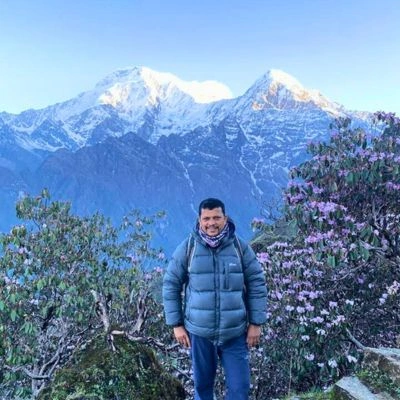
Choosing the best time for Island Peak climbing is one of the most important decisions when planning a Himalayan mountaineering adventure in Nepal. The right season can offer better opportunities for clear mountain views, manageable temperatures, suitable snow conditions and a favourable summit weather window.
Island Peak, locally known as Imja Tse, is one of Nepal's popular 6,000-metre trekking peaks. Located in the Everest region of the Khumbu, it attracts trekkers and aspiring mountaineers looking to experience glacier travel, fixed-rope climbing and a Himalayan summit above 6,000 metres.
The best time for Island Peak climbing is generally spring (April to May) and autumn (October to early November). October is an excellent overall choice for post-monsoon visibility and autumn climbing conditions, while April is a strong alternative for climbers who prefer spring weather and longer daylight hours.
However, a favourable calendar month does not guarantee a successful summit. Island Peak involves glacier crossings, crevasses, steep snow and ice slopes, and an exposed summit ridge. Recent snowfall, wind speed, snow stability and the condition of the climbing route can all influence the final ascent.
This guide explains the best months for Island Peak climbing, compares spring and autumn conditions, examines the weather throughout the year and shares practical advice to help you choose the right climbing dates.
What Is the Best Time to Climb Island Peak?
The best time to climb Island Peak is during spring (April and May) and autumn (October and early November). These periods generally offer more favourable opportunities for trekking and mountaineering than the main monsoon and winter seasons.
October is often the preferred choice for climbers who prioritise clear mountain views and post-monsoon conditions. April is another excellent option, offering a spring climbing environment with generally milder daytime temperatures.
Here is a quick overview of the main climbing seasons:
| Season | Months | General conditions | Suitability |
|---|---|---|---|
| Spring | March–May | Increasingly warmer days, variable snowfall and longer daylight | Excellent, especially April |
| Monsoon | June–August | More cloud, precipitation and unpredictable access | Generally not recommended |
| Autumn | September–November | Post-monsoon visibility, colder nights and favourable climbing opportunities | Excellent, especially October |
| Winter | December–February | Very cold temperatures, shorter days and potentially difficult snow conditions | Experienced climbers |
Our recommendation: Choose October for a typical post-monsoon climbing experience or April for a spring ascent. Early November and early May can also be suitable alternatives when the weather and climbing route conditions are favourable.
The actual summit window should always be determined by current mountain forecasts, snow conditions, route assessments and the climbers' physical condition.
Spring vs Autumn: Which Is Better for Island Peak Climbing?
Spring and autumn are the two main seasons for Island Peak climbing. Both offer opportunities for a successful ascent, but their weather patterns, temperatures and mountain conditions can differ.
Your choice should depend on your preferred travel dates, experience, trekking plans and the type of climbing conditions you are prepared for.
Autumn Island Peak Climbing (September to November)
Autumn is one of the most popular seasons for climbing Island Peak. Following the summer monsoon, the atmosphere generally becomes clearer, improving visibility across the Khumbu and surrounding Himalayan mountains.
October is particularly attractive because it usually falls within the established post-monsoon period. The trekking route through Lukla, Namche Bazaar, Tengboche, Dingboche and Chhukung is also busy with international trekkers and mountaineers.
Advantages of climbing Island Peak in autumn:
-
Generally clear mountain views after the monsoon.
-
Good opportunities to find a suitable summit weather window.
-
Comfortable daytime trekking conditions during favourable weather.
-
Excellent photographic opportunities around the Everest region.
-
Convenient opportunities to combine Island Peak with Everest Base Camp and Kala Patthar.
What should you consider?
Autumn nights can be very cold at higher elevations. Temperatures become increasingly low towards November, while strong winds, snowfall and firm snow can affect the upper climbing route.
October is generally the strongest overall recommendation for autumn climbing. Early November can also be a good choice, although climbers should prepare for colder conditions.
Spring Island Peak Climbing (March to May)
Spring is the second major climbing season for Island Peak. As winter gradually gives way to warmer weather, daytime conditions generally become more comfortable, and daylight hours increase.
April is especially attractive for climbers planning a spring ascent. The surrounding Everest region also becomes greener at lower elevations, creating a different landscape from the clear post-monsoon scenery of autumn.
However, spring snow conditions can change considerably. Fresh snowfall may affect glacier crossings and steep climbing sections, while warmer afternoons can soften the snow.
Advantages of climbing Island Peak in spring:
-
Generally milder daytime conditions than winter.
-
Longer daylight hours as spring progresses.
-
Beautiful spring landscapes along the Khumbu trekking route.
-
Excellent opportunities to combine the climb with Everest Base Camp.
-
A popular period for Himalayan trekking and mountaineering.
What should you consider?
Spring does not automatically mean easier climbing. Recent snowfall, changing snow stability, afternoon warming and wind can influence the summit route.
April is an excellent choice for many climbers, while early May can also provide suitable opportunities depending on the year's conditions.
Spring vs Autumn: Which Season Should You Choose?
| Comparison | Spring | Autumn |
|---|---|---|
| Best months | April and early May | October and early November |
| Daytime conditions | Generally milder | Generally cooler |
| Night temperatures | Very cold at high altitude | Very cold, especially later in the season |
| Mountain visibility | Often good, but variable | Generally excellent after the monsoon |
| Snow conditions | Can change with snowfall and warming | Can be firm, icy or variable |
| Daylight | Longer as spring progresses | Shorter as autumn progresses |
| Trekking scenery | Spring landscapes and flowering vegetation | Clear post-monsoon mountain scenery |
| Overall suitability | Excellent | Excellent |
Which season is better for you?
Choose autumn if clear mountain views and post-monsoon conditions are your main priorities. Choose spring if you prefer comparatively milder daytime conditions and longer days.
Both seasons are suitable for Island Peak climbing, but neither guarantees easy snow conditions or a successful summit.
Island Peak Climbing Weather: Month-by-Month Guide
Understanding the monthly weather is essential when choosing your Island Peak climbing dates.
Conditions at Namche Bazaar, Dingboche, Chhukung and Island Peak Base Camp can be very different because of their elevation and exposure. A pleasant day in a lower village does not necessarily mean favourable conditions on the summit.
The following month-by-month guide explains the general seasonal patterns and what climbers should consider before booking.
March: Is March a Good Time to Climb Island Peak?
March marks the beginning of the spring climbing season in Nepal. The lower Everest region starts transitioning towards spring, although winter conditions can remain at higher elevations.
Snowfall, freezing temperatures and strong winds may still affect the glacier and upper climbing sections.
March can suit experienced climbers who are comfortable with colder conditions and have flexible summit dates. For climbers attempting their first Himalayan peak, April is generally a more practical spring option.
April: Is April a Good Time for Island Peak Climbing?
Yes. April is one of the best months for Island Peak climbing.
As spring progresses, daytime temperatures generally become more comfortable for trekking, and daylight hours increase. The Everest region offers impressive views of surrounding Himalayan peaks, making April a popular month for combining Island Peak with Everest Base Camp.
However, spring weather is not always stable. Fresh snowfall can affect crevasse crossings and the steep headwall, while warmer afternoon temperatures may change snow conditions.
Climbers should allow enough time for acclimatisation, technical preparation and a flexible summit attempt.
Our recommendation: April is an excellent option for a spring Island Peak expedition, particularly for climbers who want to combine the ascent with an Everest Base Camp trekking experience.
May: Is May a Good Time for Island Peak Climbing?
May is the final month of the main spring climbing season.
The first half of May can provide suitable climbing opportunities, although conditions vary from year to year. As the month progresses, temperatures generally rise and the approach of the monsoon can gradually introduce more cloud and precipitation.
This does not mean that May is unsuitable throughout the month. Rather, it makes weather monitoring and flexible scheduling especially important.
Early May is generally preferable to late May for climbers seeking a spring summit window.
June: Can You Climb Island Peak in June?
June marks the transition towards Nepal's summer monsoon.
Cloud cover and precipitation increasingly affect the Himalayan foothills and mountain valleys. Weather-related flight disruptions and changing trail conditions can also complicate the journey to the Everest region.
Although climbing is not automatically impossible, June is generally not recommended for most Island Peak itineraries.
July and August: Is Island Peak Open During the Monsoon?
July and August fall within Nepal's main monsoon period.
Heavy rainfall affects many lower-elevation trekking routes, while cloud cover can reduce mountain visibility and disrupt flights to Lukla.
At higher elevations, snowfall and changing glacier conditions can create additional challenges.
The main concern is the combination of unpredictable access, precipitation, limited visibility and difficulty securing a suitable summit weather window.
For most travellers, spring or autumn is a much better choice.
September: Is September a Good Time to Climb Island Peak?
September marks the transition from monsoon to autumn.
Early September can still experience monsoon-related weather, while later September often brings improving conditions. However, the timing of the monsoon withdrawal varies each year.
Climbers planning a September ascent should remain flexible and avoid assuming that clear weather begins on a fixed date.
Late September can be a reasonable option when the weather, trail access and climbing route conditions are suitable.
October: Is October the Best Month to Climb Island Peak?
October is widely considered one of the best months for Island Peak climbing.
The summer monsoon has generally withdrawn, mountain visibility improves, and the Everest region enters its main autumn trekking season.
The clear views of Lhotse, Ama Dablam, Nuptse and the surrounding Himalayan landscape are among the attractions of an October ascent.
October is also a popular month, so accommodation, flights and climbing arrangements should be organised in advance.
However, clear skies do not necessarily mean an easy summit. Cold temperatures, strong winds, firm snow and technical glacier sections remain important considerations.
Our recommendation: If your travel dates are flexible, October should be among your first choices for Island Peak climbing.
November: Can You Climb Island Peak in November?
Yes. November can be a good month for Island Peak climbing, particularly during the first half.
The post-monsoon atmosphere can remain clear, and the quieter trekking environment may appeal to climbers who prefer fewer people on the trail.
However, temperatures become increasingly cold as November progresses. Snowfall, strong winds and shorter daylight hours can also affect summit planning.
Early November is generally more suitable for most travellers than late November.
Climbers attempting Island Peak later in the month should have appropriate cold-weather equipment, experienced climbing support and sufficient flexibility in their itinerary.
December to February: Can You Climb Island Peak in Winter?
Winter climbing on Island Peak is possible, but it is not the preferred option for most travellers.
Temperatures at high altitude can become extremely cold, and snowfall may create difficult conditions around the glacier, headwall and summit ridge.
Shorter daylight hours also reduce the available time for a summit attempt.
Winter may appeal to experienced mountaineers with suitable equipment, technical skills and an organised support team. However, first-time Himalayan climbers should generally choose spring or autumn.
Island Peak Month-by-Month Climbing Conditions
| Month | General seasonal pattern | Recommendation |
|---|---|---|
| January | Very cold winter conditions | Experienced climbers |
| February | Cold with possible snowfall | Experienced climbers |
| March | Early spring, variable snow | Possible with flexibility |
| April | Main spring climbing season | Excellent |
| May | Warmer spring, changing weather | Good, especially early May |
| June | Monsoon transition | Generally avoid |
| July | Main monsoon | Not recommended |
| August | Main monsoon | Not recommended |
| September | Monsoon withdrawal, variable weather | Better in late September |
| October | Post-monsoon climbing season | Excellent |
| November | Cold but potentially clear | Very good, especially early November |
| December | Winter cold and possible heavy snow | Experienced climbers |
These are general seasonal patterns, not a guarantee of conditions on a particular climbing date.
How Do Snow, Wind and Temperature Affect Island Peak Summit Day?
Choosing a favourable climbing month is important, but the actual summit conditions ultimately determine whether an ascent can proceed safely.
Island Peak is not simply a walk to a high viewpoint. The final ascent involves glacier travel, crevasse crossings, a steep headwall and an exposed summit ridge.
Three factors deserve particular attention.
1. Snow Conditions on the Island Peak Glacier and Headwall
Snow conditions influence how safely climbers can move across the glacier and climb the steeper upper section.
Fresh snowfall can cover crevasses and make route finding more difficult. Depending on the snowpack and terrain, it can also increase avalanche concerns.
Hard or icy snow can make the headwall more demanding, particularly for climbers who are unfamiliar with crampons and fixed-rope techniques.
Warmer afternoons may soften the snow, making movement more tiring and changing the condition of the descent.
An important point that many general trekking articles overlook is that Island Peak's climbing route can change between seasons.
The Sagarmatha Pollution Control Committee inspects the route at the beginning of climbing seasons and installs ladders over wide crevasses when required. Climbers should not assume that the glacier crossings and ladder arrangements will be identical every year.
This is why recent route information is more valuable than relying on an old climbing report.
2. Wind and Summit Weather Windows
Wind is one of the most important factors when planning an Island Peak summit attempt.
Strong winds can increase heat loss, affect balance and make movement on exposed sections more difficult. Conditions can feel particularly cold during the early-morning ascent.
A suitable summit window should include manageable wind, adequate visibility and conditions that allow the climbing team to move safely.
A sunny weather forecast alone is not enough to establish that the mountain is safe to climb.
3. Temperature at High Altitude
Temperatures become considerably colder as you climb higher into the Khumbu.
While lower villages may experience relatively comfortable daytime weather during spring and autumn, Island Peak Base Camp and the summit can remain freezing or well below freezing.
Summit attempts commonly begin during the night or very early morning. Climbers should therefore prepare for prolonged exposure to cold, particularly while waiting, climbing slowly or crossing exposed sections.
Proper layering, insulated gloves, suitable mountaineering boots and a warm sleeping system are essential.
Practical advice: Do not select your climbing clothing based only on Kathmandu or Namche Bazaar temperatures. Prepare for the coldest conditions expected during the upper mountain sections.
What Is the Best Time for Beginners to Climb Island Peak?
For climbers attempting their first Himalayan trekking peak, April and October are two of the strongest options.
These months generally provide favourable opportunities to organise a complete itinerary, including acclimatisation, technical preparation and a summit attempt.
However, it is important to understand that Island Peak is not a beginner-level trek simply because it is classified as a trekking peak.
Climbers need to be comfortable with:
-
Long days of walking at high altitude.
-
Using crampons and an ice axe.
-
Moving safely with a climbing harness and fixed-rope equipment.
-
Crossing glacier terrain under appropriate climbing supervision.
-
Following instructions during exposed climbing sections.
-
Managing physical fatigue and cold conditions.
Previous mountaineering experience is valuable, although some well-prepared trekkers attempt Island Peak as their first Himalayan summit.
If you have never used crampons or an ascender, arrange practical instruction before summit day. A training session around Chhukung is useful, but it should not be treated as a substitute for adequate preparation and technical competence.
For beginners, the quality of the itinerary and the experience of the climbing team can matter just as much as the month selected.
How Many Days Should You Allow for an Island Peak Summit Attempt?
A typical Island Peak climbing expedition takes approximately 16–19 days from Kathmandu, although shorter and longer itineraries are possible. The duration depends on the trekking route, acclimatisation schedule, previous high-altitude experience and the number of weather contingency days included. A well-planned itinerary should include:
- Arrival in Kathmandu and climbing preparations.
- Travel to Lukla and gradual trekking through the Khumbu.
- Acclimatisation around Namche Bazaar and Dingboche.
- Trekking to Chhukung and preparation for the climb.
- Technical climbing instruction and equipment checks.
- Trekking to Island Peak Base Camp.
- A summit attempt during a suitable weather window.
- A return journey with adequate flexibility.
Combining Island Peak with Everest Base Camp can provide additional acclimatisation opportunities, depending on the itinerary and the climber's response to altitude.
However, adding Everest Base Camp does not automatically make a programme safe. The itinerary must allow sufficient recovery, appropriate elevation gains and time to respond to altitude-related symptoms.
Do not choose an itinerary solely because it promises a faster summit.
Is It Better to Combine Island Peak with Everest Base Camp?
Yes. Combining Island Peak with Everest Base Camp is a popular option for climbers who want both a classic Himalayan trekking experience and a technical summit.
The route passes through some of the best-known destinations in the Everest region, including Namche Bazaar, Tengboche, Dingboche and Chhukung.
Depending on the itinerary, climbers may visit Everest Base Camp and Kala Patthar before continuing towards Island Peak.
This combination can provide additional time at altitude and a more gradual approach to the climbing objective.
However, there is an important consideration: a longer itinerary can also mean more physical fatigue.
The route should be designed to balance acclimatisation with recovery, particularly before the final ascent.
For climbers with limited time, a dedicated Island Peak itinerary can be suitable if it includes an appropriate acclimatisation schedule.
How to Choose the Right Month for Your Island Peak Climb
The best month depends on your priorities, previous experience and available travel dates.
Use these recommendations as a starting point:
| Your priority | Recommended period | Reason |
|---|---|---|
| Best overall seasonal choice | October | Generally clear post-monsoon conditions |
| Spring climbing | April | Established spring season |
| Milder daytime trekking conditions | April to early May | Spring temperatures generally increase |
| Clear mountain photography | October to early November | Often excellent post-monsoon visibility |
| A quieter autumn experience | November | Usually quieter than October |
| First Himalayan climbing experience | April or October | More favourable main-season planning opportunities |
| Experienced winter mountaineering | December to February | Possible but significantly colder |
If your dates are flexible, select a suitable seasonal window first and allow enough time for acclimatisation and a weather-related delay.
A good climbing itinerary should never depend on reaching the summit on one fixed morning.
Practical Tips Before Booking Your Island Peak Climb
Before confirming your climbing dates, consider these important points.
1. Book the right itinerary, not simply the shortest one.
A proper acclimatisation schedule helps your body adjust to increasing altitude. Your itinerary should include adequate time around Namche Bazaar, Dingboche and Chhukung.
2. Allow a weather contingency day.
Mountain weather is unpredictable. Additional time provides more flexibility if the original summit date becomes unsuitable.
3. Prepare for technical climbing.
Practise using crampons, an ice axe, a climbing harness and an ascender before your trip. Do not wait until summit day to learn how this equipment works.
4. Check the latest climbing route conditions.
Crevasses, ladders and snow conditions can change between climbing seasons. Ask your operator about the latest route assessment and the arrangements for technical support.
5. Choose an experienced local climbing operator.
Your operator should arrange the necessary climbing permits, experienced climbing leadership, appropriate equipment, logistics and emergency planning.
6. Prepare suitable insurance.
Your travel insurance should explicitly cover mountaineering at your intended altitude, including helicopter evacuation where available and medically appropriate. Check the exclusions and altitude limits before travelling.
7. Stay flexible.
A summit attempt should proceed only when the weather, route and climbers' physical condition are suitable. A responsible decision to turn around is part of safe mountaineering.
Frequently Asked Questions About the Best Time for Island Peak Climbing
1. What is the best month to climb Island Peak?
October is one of the best months for Island Peak climbing because it usually brings post-monsoon conditions and good mountain visibility. April is another excellent choice, offering favourable spring climbing conditions. However, the best month for your summit attempt depends on actual snowfall, wind and route conditions.
2. Is spring or autumn better for Island Peak climbing?
Both spring and autumn are popular climbing seasons. Spring, particularly April, generally has milder daytime temperatures and longer daylight hours. Autumn, especially October, often provides clearer mountain views after the monsoon. Neither season guarantees ideal summit conditions, so check the latest weather and route reports before departure.
3. Can you climb Island Peak in April?
Yes. April is one of the most popular months for Island Peak climbing. The weather is generally favourable for trekking and climbing, although snow conditions, strong winds and temperatures at higher elevations can still affect the summit attempt.
4. Is October good for Island Peak climbing?
Yes. October is an excellent month for Island Peak climbing. The summer monsoon has usually withdrawn, and the Everest region often experiences clearer skies and good visibility. It is a popular time for both trekking and peak climbing, so arranging your itinerary and climbing support in advance is advisable.
5. Can you climb Island Peak in November?
Yes. Early November can still offer suitable climbing conditions. However, temperatures generally become colder as the month progresses, particularly at Island Peak Base Camp and higher elevations. Later November departures need careful preparation and flexibility for changing winter conditions.
6. Is Island Peak climbing possible during the monsoon?
Island Peak climbing is possible outside the main spring and autumn seasons, but June, July and August are generally less favourable. Rain, cloud cover, poor visibility and possible travel disruptions can affect the approach to the mountain. These months are not the first choice for most climbers.
7. Can you climb Island Peak in winter?
Winter climbing is possible but considerably more demanding. Very cold temperatures, shorter daylight hours and changing snow conditions can make the summit attempt more challenging. Winter ascents are better suited to experienced climbers with appropriate equipment, technical skills and professional support.
8. Is Island Peak suitable for beginners?
Island Peak can be a first Himalayan climbing objective for fit and well-prepared beginners, but it should not be treated as an ordinary trekking peak. Climbers need adequate acclimatisation, technical instruction and the ability to use crampons, an ice axe, a harness and fixed ropes. Previous high-altitude trekking or mountaineering experience is a valuable advantage.
9. How cold does it get on Island Peak summit day?
Summit-day temperatures can fall well below freezing, particularly during the early-morning ascent. Wind can make conditions feel considerably colder, especially on exposed sections near the summit. Temperatures vary with the season and daily weather, so climbers need suitable insulated clothing, gloves, boots and protective layers.
10. How many days are needed for an Island Peak climbing expedition?
A complete Island Peak expedition commonly takes around 16–19 days from Kathmandu, although some itineraries are shorter or longer. The total duration depends on the approach route, acclimatisation schedule, time at base camp and weather contingency days. Avoid choosing an itinerary based only on the shortest possible duration.
11. Do you need previous mountaineering experience to climb Island Peak?
Previous mountaineering experience is strongly recommended, but some well-prepared trekkers attempt Island Peak as their first Himalayan summit. You should receive practical training in crampon walking, ice axe use, harness systems and fixed-rope techniques before the summit attempt. Good fitness alone is not enough to prepare for the technical sections.
12. Can Island Peak be combined with the Everest Base Camp trek?
Yes. Island Peak can be combined with the Everest Base Camp trek and a visit to Kala Patthar. This itinerary allows climbers to trek through the Khumbu region before attempting the peak. However, the additional altitude and physical demands require a carefully planned acclimatisation schedule and enough recovery time.
13. How much is the Island Peak climbing permit fee?
According to the Nepal Mountaineering Association (NMA), the listed climbing royalty for foreign climbers on Island Peak (Imja Tse) is USD 350 per person in spring (March–May) and USD 175 in autumn (September–November), winter (December–February) and summer (June–August). This is the climbing royalty, not the total expedition cost. Other expenses, such as trekking permits, accommodation, guides, transport and equipment, may also apply. Check the latest NMA service-charge schedule before booking.
14. How many extra days should you allow for an Island Peak summit attempt?
It is sensible to include contingency time in your itinerary rather than planning a fixed summit date with no flexibility. Weather, snowfall, wind and route conditions can delay an ascent. Your climbing operator and guide should assess the conditions and decide whether to proceed, wait or cancel the summit attempt.
15. What happens if the weather is unsuitable on Island Peak summit day?
If conditions are unsafe, the climbing team should postpone the summit attempt when a suitable contingency day is available. If the weather does not improve, the team may need to abandon the ascent. A summit is never worth taking unnecessary risks with climber safety.
Choosing the right month for Island Peak climbing is important, but your departure date should also match your acclimatisation schedule, climbing experience and the expected mountain conditions.
At Nepal Treks and Tour, we organise Island Peak climbing trips with local guides, logistical support and itineraries planned around each climber's experience and available time. We can help you compare spring and autumn departures, understand the preparation required and allow sufficient time for acclimatisation before your summit attempt.
If you are planning to climb Island Peak in April or October, explore our Island Peak Climbing package or contact our team to discuss your preferred dates and itinerary.
Our advice: Choose your climbing dates carefully, prepare for the technical sections and keep your summit schedule flexible. Weather and mountain conditions should always determine whether it is safe to proceed.
Need Help? Call Us
Need Help? Call Us+9779851013072