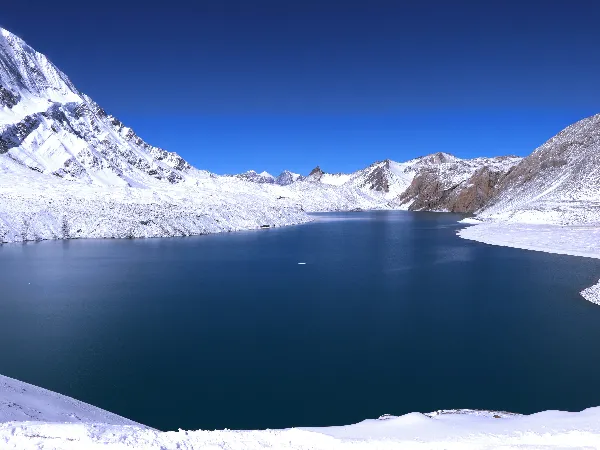
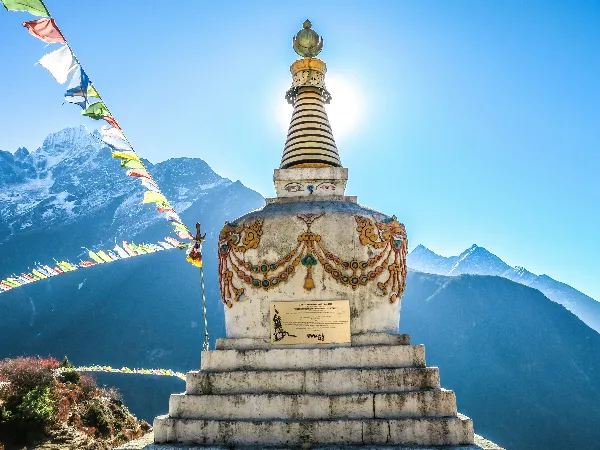
Nepal is one of the world’s most breathtaking travel destinations, home to the mighty Mount Everest, ancient temples, rich Himalayan culture, and diverse landscapes. From trekking in the Himalayas to exploring heritage cities like Kathmandu and Pokhara, Nepal offers unforgettable experiences.
However, many travelers unknowingly make common mistakes that can affect their trip. To help you travel smarter, safer, and more comfortably, here’s a complete guide to the most common mistakes to avoid when traveling in Nepal.
Ignoring Altitude Sickness Risks
One of the biggest mistakes travelers make is underestimating altitude sickness while trekking in regions like the Everest Region or Annapurna Region.
Avoid this by:
- Acclimatizing properly
- Drinking plenty of water
- Ascending gradually
- Knowing symptoms like headaches, nausea, and dizziness
Not Planning the Right Season
Nepal’s weather varies greatly. Traveling at the wrong time can ruin your experience.
Best Seasons:
- Spring (March–May)
- Autumn (September–November)
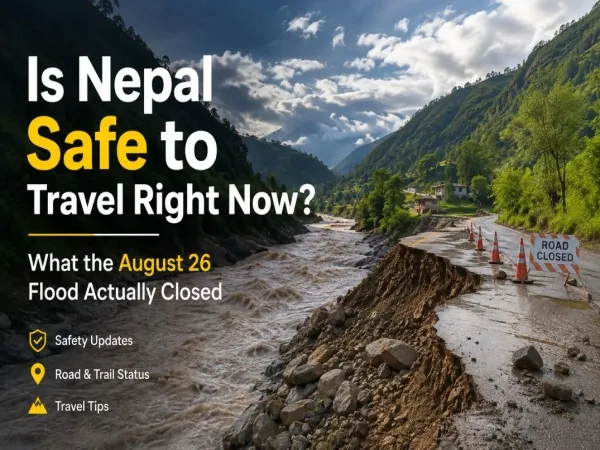
Avoid monsoon season unless you’re prepared for rain, landslides, and poor visibility.
Underestimating Trek Difficulty
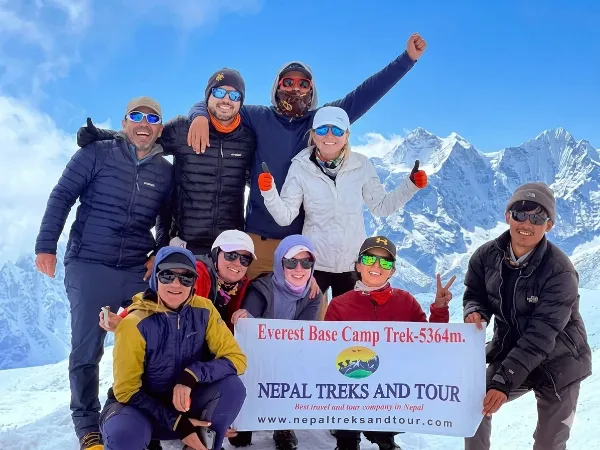
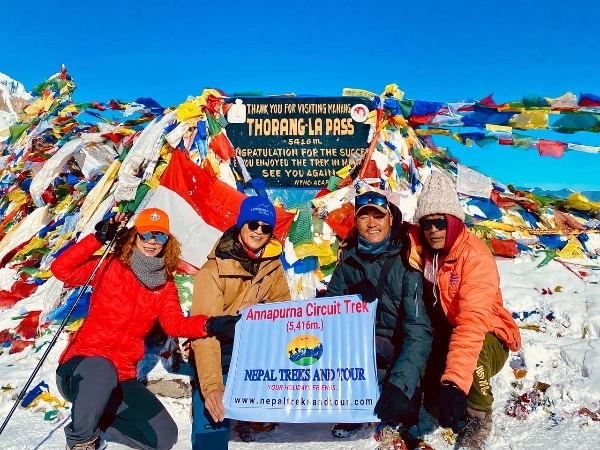
- Many first-time visitors assume trekking is easy. Trails like the Everest Base Camp or Annapurna Circuit require physical fitness and preparation.
- Tip: Train beforehand and choose treks based on your fitness level.
Packing Too Much or Too Little
Overpacking makes trekking difficult, while underpacking leaves you unprepared.
Avoid by packing:
- Layered clothing
- Good trekking shoes
- First-aid kit
- Water purification tablets
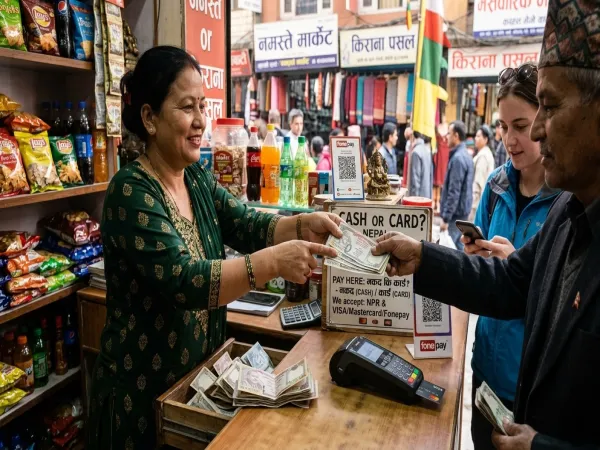
Relying Only on Cards or ATMs
While cities accept cards, many rural areas are cash-based.
- Mistake: Not carrying enough Nepali Rupees
- Solution: Carry sufficient cash, especially for trekking regions.
Unlicensed Trekking Agencies
Booking with unreliable operators can ruin your trip.
- Always choose licensed agencies like Nepal Tourism Board-registered company such as Nepal Treks and Tour.
Ignoring Travel Insurance
Many travelers skip insurance to save money, but this is risky.
Make sure your insurance covers:
- High-altitude trekking
- Emergency evacuation
- Medical expenses
Drinking Unsafe Water
Tap water in Nepal is not safe to drink.
Avoid:
Do:
- Use bottled water or purification methods
Disrespecting Local Culture
Nepal is culturally rich and deeply traditional.
Common mistakes:
- Wearing revealing clothes in temples
- Touching religious objects without permission
- Not removing shoes in sacred places
Visit sites like Pashupatinath Temple with respect.
Not Hiring a Guide When Needed
While solo trekking is possible in some regions, a guide improves safety and experience.
Benefits of a guide:
- Local knowledge
- Navigation support
- Cultural insights
Ignoring Food Hygiene
Street food can be tempting, but not all places maintain hygiene.
Avoid:
- Raw foods
- Unclean eateries
Stick to reputable restaurants and freshly cooked meals.
Not Preparing for Limited Connectivity
- Wi-Fi and mobile networks are limited in remote trekking areas.
- Tip: Inform family in advance and enjoy a digital detox.
Bargaining Incorrectly
- Bargaining is common in markets, but overdoing it can be disrespectful.
- Be polite and fair, especially in local markets.
Skipping Permits and Regulations
Many trekking regions require permits.
For example:
- TIMS Card
- National Park Permits
Always check regulations before trekking.
Rushing the Itinerary
Nepal is not a place to rush. Many travelers try to cover too much in a short time.
Better approach:
- Travel slowly
- Allow rest days
- Enjoy the journey
- Final Thoughts
Traveling in Nepal is a once-in-a-lifetime experience, but avoiding these common mistakes will make your journey smoother, safer, and far more enjoyable. Whether you're trekking in the Himalayas or exploring cultural heritage sites, preparation is key.
Nepal rewards travelers who respect its nature, culture, and pace of life.
FAQs: Mistakes to Avoid When Traveling in Nepal
Is Nepal safe for tourists?
- Yes, Nepal is generally safe, but basic precautions should always be taken.
Do I need a guide for trekking in Nepal?
- Some regions require guides, while others allow solo trekking. However, guides are highly recommended.
What is the best time to visit Nepal?
- Spring and autumn are the best seasons for clear skies and pleasant weather.
Can I use credit cards in Nepal?
- Yes, in cities, but carry cash for rural and trekking areas.