
The best time to visit Pokhara is during spring (March to May) and autumn (September to November). These seasons offer pleasant temperatures, clear skies, stunning Himalayan views, and ideal conditions for sightseeing, boating, paragliding, hiking, and trekking. However, the perfect time to visit depends on what you want to experience.
Spring is best for blooming rhododendrons and outdoor adventures, while autumn provides the clearest mountain views and the most stable weather. Winter is perfect for peaceful holidays and family trips, whereas the monsoon season offers lush green landscapes, fewer tourists, and lower travel costs.
Best Time to Visit Pokhara: Weather, Seasons & Month-by-Month Guide
Pokhara is one of Nepal's most beautiful and visited travel destinations. Surrounded by the Annapurna Himalayan range and set beside the peaceful Phewa Lake, the city offers a perfect blend of natural beauty, adventure, culture, and relaxation. Whether you are planning a short holiday, a family vacation, a honeymoon, or an adventure trip, Pokhara has something to offer in every season.
Unlike many destinations that are best visited only during one particular time of the year, Pokhara can be enjoyed throughout the year. Each season offers a different experience. Some months provide crystal-clear views of the Annapurna and Machhapuchhre (Fishtail) mountains, while others bring blooming forests, peaceful lakes, colorful festivals, or quiet surroundings with fewer visitors.
Choosing the right season can make your trip even more enjoyable. If your goal is sightseeing and photography, clear weather is important. If you want to go paragliding or begin a trek into the Annapurna region, stable weather and comfortable temperatures are ideal. Travelers looking for peaceful holidays or budget-friendly accommodation may prefer the quieter months when fewer tourists visit the city.
This complete Pokhara travel guide will help you understand the weather in every season, compare the best months to visit, discover the ideal time for different activities, and choose the perfect season based on your travel style. Whether you are visiting Pokhara for the first time or returning to explore more, this guide will help you plan your trip with confidence.
Why Visit Pokhara?
Pokhara is often called the tourism capital of Nepal, and for good reason. It is the gateway to many of Nepal's most famous trekking routes, including the Annapurna Base Camp Trek, Mardi Himal Trek, Ghorepani Poon Hill Trek, and Annapurna Circuit Trek. At the same time, it is also one of the country's most relaxing cities, where travelers can spend their days boating on Phewa Lake, enjoying lakeside cafés, watching spectacular sunrises, or simply admiring the Himalayan landscape.
One of Pokhara's greatest attractions is its incredible variety. Adventure lovers can experience paragliding, zip-lining, ultralight flights, bungee jumping, mountain biking, and hiking. Nature enthusiasts can explore waterfalls, caves, lakes, and peaceful viewpoints. Families enjoy the city's relaxed atmosphere, while couples are drawn to its romantic lakeside setting and unforgettable sunsets.
Pokhara is also an excellent base before or after trekking in the Annapurna region. Many trekkers spend one or two nights here to relax, organize permits, purchase trekking gear, or recover after completing their Himalayan adventure.
Beyond its natural beauty, Pokhara offers a rich cultural experience. Visitors can explore temples, monasteries, museums, local markets, and traditional villages while enjoying the warm hospitality that Nepal is known for. The city's slower pace makes it easy to combine sightseeing with relaxation, creating a balanced holiday for every type of traveler.
Whether you stay for two days or a full week, Pokhara offers enough attractions and activities to make every visit memorable.
When Is the Best Time to Visit Pokhara?
For most travelers, spring (March to May) and autumn (September to November) are the best seasons to visit Pokhara. During these months, temperatures are comfortable, rainfall is low, mountain visibility is excellent, and outdoor activities can be enjoyed throughout the day.
Spring transforms the hills surrounding Pokhara into colorful landscapes filled with blooming rhododendron forests and fresh greenery. The weather remains warm without becoming uncomfortable, making it one of the best times for sightseeing, hiking, boating, paragliding, and photography.
Autumn is widely considered the best overall season. After the monsoon rains, the skies become exceptionally clear, revealing breathtaking views of the Annapurna and Dhaulagiri mountain ranges. This is also the busiest travel season because conditions are ideal for trekking, adventure activities, and cultural experiences.
Winter offers a quieter side of Pokhara. Sunny afternoons, fewer crowds, and peaceful surroundings make it an excellent choice for families, couples, senior travelers, and anyone looking to avoid the peak tourist season. Although mornings and evenings can be chilly, daytime sightseeing is generally pleasant.
The summer monsoon season, from June to August, creates a completely different atmosphere. Frequent rainfall turns the surrounding hills vibrant green, waterfalls become more dramatic, and the countryside feels fresh and alive. While mountain views are less predictable, travelers who enjoy nature, peaceful surroundings, and lower travel costs often find this season surprisingly rewarding.
The best time to visit Pokhara ultimately depends on your travel goals. If you dream of clear Himalayan views, choose autumn. If you love flowers and outdoor adventures, visit during spring. If you prefer a peaceful escape with fewer tourists, winter is an excellent option. If you want to experience Pokhara at its greenest while enjoying budget-friendly travel, the monsoon season may be the right choice.
In the following sections, we'll explore each season in detail, compare weather conditions month by month, and help you decide which time of year is perfect for your Pokhara adventure.
Spring in Pokhara (March to May)
Spring is one of the most beautiful and popular times to visit Pokhara. From March to May, the weather becomes warmer, flowers begin to bloom, and the surrounding hills turn lush green after the cool winter months. Comfortable temperatures, longer daylight hours, and clear mornings make spring an excellent season for sightseeing, adventure activities, and trekking.
Daytime temperatures usually range between 20°C and 30°C (68°F to 86°F), while mornings and evenings remain pleasantly cool. The weather is generally stable, although short afternoon showers may occasionally occur towards the end of May.
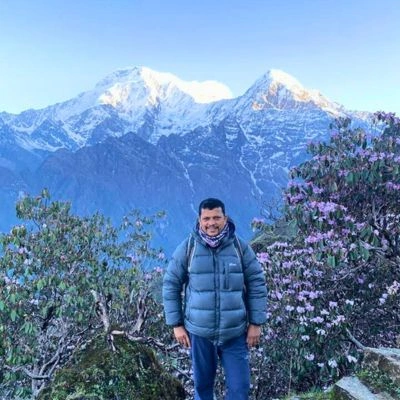
One of the highlights of visiting Pokhara during spring is the spectacular display of blooming rhododendron forests in the nearby hills and trekking trails. These colorful flowers add vibrant shades of red, pink, and white to the landscape, making this season especially attractive for photographers and nature lovers.
Spring also offers excellent mountain views, particularly during the early morning. On clear days, visitors can enjoy breathtaking views of the Annapurna Range, Machhapuchhre (Fishtail Mountain), Dhaulagiri, and Lamjung Himal from viewpoints around Pokhara. Popular sunrise spots such as Sarangkot, the World Peace Pagoda, and Pumdikot Shiva Statue become even more rewarding during this season.
Adventure tourism is at its peak in spring. The stable weather creates ideal conditions for paragliding, ultralight flights, zip-lining, mountain biking, boating on Phewa Lake, and day hiking. Many travelers also begin famous trekking routes such as the Annapurna Base Camp Trek, Mardi Himal Trek, Ghorepani Poon Hill Trek, and Annapurna Circuit Trek from Pokhara during these months.
Families also find spring to be one of the best seasons to visit because children can comfortably enjoy outdoor activities without facing extreme temperatures. Couples often choose spring for honeymoon trips thanks to the romantic lakeside atmosphere, blooming gardens, and beautiful mountain scenery.
Although spring is a busy travel season, Pokhara rarely feels overcrowded. Booking hotels and adventure activities a few weeks in advance is recommended, especially during April, when both domestic and international tourism increase.
Why Visit Pokhara in Spring?
Spring is perfect if you want to experience Pokhara at its most colorful. Clear mountain views, blooming forests, pleasant temperatures, and endless outdoor activities make it one of the best times of the year for almost every type of traveler.
Autumn in Pokhara (September to November)
Autumn is widely considered the best time to visit Pokhara. After the summer monsoon rains clear the atmosphere, the skies become incredibly blue, the air feels fresh, and the Himalayan mountains appear brighter and closer than at any other time of the year.
From late September through November, daytime temperatures usually range between 18°C and 28°C (64°F to 82°F). Humidity drops significantly, rainfall becomes minimal, and the weather remains stable throughout most days.
This season is famous for its exceptional mountain visibility. Early mornings often provide postcard-perfect views of Machhapuchhre, Annapurna South, Hiunchuli, and the surrounding Himalayan peaks reflected in the calm waters of Phewa Lake. These stunning conditions make autumn the favorite season for photographers, trekkers, and first-time visitors.
Autumn is also Nepal's main trekking season. Thousands of trekkers arrive in Pokhara before beginning adventures into the Annapurna region. If you are planning the Annapurna Base Camp Trek, Mardi Himal Trek, Ghorepani Poon Hill Trek, or Annapurna Circuit Trek, autumn offers some of the year's best trekking conditions with dry trails, comfortable temperatures, and excellent visibility.
Adventure activities also operate at full capacity during this season. Paragliding over Phewa Lake, ultralight flights, hot air balloon rides, boating, cycling, and hiking are all enjoyable thanks to the predictable weather.
One of the unique advantages of visiting Pokhara in autumn is the opportunity to experience Nepal's biggest festivals. Dashain and Tihar bring colorful decorations, cultural celebrations, family gatherings, traditional music, and festive lights throughout the city. Travelers visiting during these festivals gain a deeper understanding of Nepalese culture while enjoying a lively and welcoming atmosphere.
Because autumn is the busiest tourism season, hotels, flights, and trekking services can become fully booked well in advance. If you plan to visit during October or early November, reserving accommodation and tours several weeks or even months ahead is highly recommended.
Why Visit Pokhara in Autumn?
If you are visiting Nepal for the first time, autumn is often the best choice. Clear Himalayan views, comfortable weather, vibrant festivals, and perfect trekking conditions create an unforgettable travel experience.
Spring vs Autumn: Which Season Is Better?
Both spring and autumn are excellent times to visit Pokhara, but the right season depends on your travel style.
Spring is ideal for travelers who love colorful landscapes, blooming rhododendron forests, pleasant temperatures, and outdoor adventures. Nature lovers, photographers, families, and couples often prefer this season because of its fresh scenery and comfortable climate.
Autumn is perfect for visitors who want the clearest mountain views, dry weather, and the best trekking conditions. It is also the most popular season for adventure activities and cultural experiences, thanks to Nepal's major festivals.
If your main goal is to see the Himalayas in their clearest form, autumn is the better choice. If you enjoy flowers, greenery, and slightly quieter surroundings, spring may be the perfect season for your trip.
Whichever season you choose, Pokhara offers unforgettable experiences that combine breathtaking mountain scenery, peaceful lakes, exciting adventures, and warm Nepalese hospitality.
Winter in Pokhara (December to February)
Winter is one of Pokhara's hidden gems. While many travelers automatically choose spring or autumn, winter offers peaceful surroundings, sunny days, and beautiful Himalayan views without the large tourist crowds. If you enjoy a slower pace and comfortable sightseeing, this season is well worth considering.
Daytime temperatures usually range between 15°C and 22°C (59°F to 72°F), making it comfortable for exploring the city, boating on Phewa Lake, and visiting nearby attractions. Mornings and evenings can be chilly, especially before sunrise, so warm clothing is recommended.
One of the biggest advantages of visiting Pokhara in winter is the clear atmosphere. On many mornings, the Annapurna Range, Machhapuchhre (Fishtail), Dhaulagiri, and Hiunchuli appear incredibly sharp against the blue sky. Early morning visits to Sarangkot, the World Peace Pagoda, or Pumdikot Shiva Statue often reward travelers with spectacular sunrise views.
Winter is also an excellent season for travelers who prefer quiet destinations. Hotels, restaurants, and attractions are generally less crowded than during autumn, allowing visitors to enjoy a more relaxed experience.
Families with young children and senior travelers often appreciate winter because daytime sightseeing remains pleasant without the heat of late spring or the humidity of summer.
Adventure activities such as paragliding, boating, cycling, zip-lining, and sightseeing continue throughout winter, although early morning fog may occasionally delay flights or paragliding for a short time.
Why Visit Pokhara in Winter?
Winter is perfect for travelers looking for peaceful holidays, comfortable sightseeing, beautiful mountain views, and a more relaxed travel experience. It is also a good choice for visitors who want to avoid the busiest tourist months while still enjoying Pokhara's natural beauty.
Monsoon in Pokhara (June to August)
Pokhara receives more rainfall than most other parts of Nepal, making the monsoon season very different from spring, autumn, or winter. Heavy rain transforms the surrounding hills into vibrant green landscapes, rivers flow at their fullest, and waterfalls become more spectacular than at any other time of the year.
Although rain is frequent, it does not usually fall all day. Many mornings begin with sunshine before afternoon or evening showers arrive. Travelers who remain flexible with their plans can still enjoy many of Pokhara's attractions.
The monsoon season is ideal for visitors who enjoy peaceful surroundings and lower travel costs. Hotels often offer attractive discounts, and popular attractions are much quieter than during the peak tourist seasons.
Photography enthusiasts who love dramatic clouds, mist-covered hills, and lush green landscapes may find this season particularly rewarding. The countryside looks fresh and alive after every rainfall.
However, mountain views are less predictable because clouds often cover the Himalayas. Some adventure activities, including paragliding, may also be affected by weather conditions. Travelers planning long treks into the Annapurna region should be prepared for muddy trails, slippery paths, and occasional leeches in forested areas.
Despite these challenges, Pokhara remains a beautiful destination during the monsoon. Museums, temples, cafés, local markets, yoga retreats, wellness centers, and lakeside restaurants can all be enjoyed regardless of the weather.
Why Visit Pokhara During the Monsoon?
The monsoon season is best for travelers who enjoy green landscapes, peaceful holidays, lower prices, and a slower travel experience. If mountain views are not your main priority, this season offers a unique side of Pokhara that many visitors never see.
Pokhara Weather Month by Month
Every month offers something different, making Pokhara a year-round destination.
January brings cool mornings, sunny afternoons, and clear mountain views. It is ideal for sightseeing and peaceful holidays.
February becomes slightly warmer, making it a great time for boating, hiking, and outdoor exploration before spring arrives.
March marks the beginning of spring. Flowers begin to bloom, temperatures rise, and adventure tourism becomes increasingly popular.
April is one of the best months to visit Pokhara. Rhododendrons bloom across nearby hills, skies remain clear, and outdoor activities are in full swing.
May is warmer but still excellent for sightseeing and trekking before the summer rains begin.
June marks the start of the monsoon. Rainfall increases, but the countryside becomes beautifully green.
July is the wettest month. Travelers who enjoy peaceful surroundings and budget-friendly holidays may still enjoy visiting.
August remains rainy, although occasional clear mornings provide beautiful views of the surrounding hills.
September marks the transition into autumn. Rain decreases, temperatures become comfortable, and mountain visibility gradually improves.
October is widely regarded as the best month to visit Pokhara. Crystal-clear skies, pleasant weather, and Nepal's biggest festivals create unforgettable travel experiences.
November continues to offer excellent weather with fewer crowds than October. It is one of the best months for trekking and photography.
December brings cool, dry weather and peaceful surroundings, making it an excellent time for families and couples.
Best Time to Visit Pokhara for Different Travelers
Best Time for Mountain Views
Late September through November offers the clearest Himalayan views. During these months, the mountains are usually visible from sunrise until late morning, creating perfect conditions for photography and sightseeing.
Best Time for Adventure Activities
Spring and autumn are the best seasons for paragliding, ultralight flights, zip-lining, boating, mountain biking, hiking, and helicopter tours. Stable weather allows activities to operate more consistently.
Best Time for Trekking
Most trekkers visit Pokhara during spring and autumn before beginning the Annapurna Base Camp Trek, Mardi Himal Trek, Ghorepani Poon Hill Trek, or Annapurna Circuit Trek. These seasons provide comfortable temperatures and excellent trail conditions.
Best Time for Families
Families usually enjoy spring and winter because the weather is pleasant, attractions are easy to visit, and sightseeing can be enjoyed without extreme temperatures.
Best Time for Couples and Honeymoon
Spring and autumn provide the most romantic atmosphere with peaceful lakeside evenings, beautiful mountain scenery, sunrise viewpoints, and unforgettable sunsets over Phewa Lake.
Best Time for Budget Travelers
The monsoon season and parts of winter often provide lower hotel prices and fewer crowds. Travelers who do not mind occasional rain can enjoy excellent value during these months.
Local Expert Travel Tips
For the best mountain views, wake up early. The clearest skies are usually between sunrise and around 9:00 a.m., before clouds begin forming later in the day.
If you plan to visit during October, book hotels, flights, and adventure activities well in advance because this is Pokhara's busiest tourism month.
Spend at least three full days in Pokhara to experience its major attractions without rushing. If you also plan to trek in the Annapurna region, allow an additional day before and after your trek to relax and enjoy the city.
Do not let the weather forecast discourage you completely during the monsoon. Rain often comes in short periods, leaving plenty of time for sightseeing, café hopping, wellness experiences, and exploring the city's cultural attractions.
Final Thoughts
Pokhara is a destination that can be enjoyed throughout the year, with every season offering its own unique charm. Whether you visit during the colorful days of spring, the crystal-clear skies of autumn, the peaceful winter months, or the lush green monsoon season, you will discover why Pokhara remains one of Nepal's most loved travel destinations.
The best time to visit Pokhara depends on your travel goals. Adventure lovers often choose spring and autumn, photographers wait for the clear skies of October and November, families appreciate the relaxed atmosphere of winter, and budget travelers enjoy the quieter monsoon months.
No matter when you visit, Pokhara welcomes you with spectacular Himalayan scenery, peaceful lakes, exciting adventures, rich culture, and warm Nepalese hospitality. With a little planning and the right season, your journey to Pokhara will become one of the highlights of your visit to Nepal.
FAQs
What is the best month to visit Pokhara?
October is often considered the best month because it offers crystal-clear mountain views, pleasant temperatures, and ideal conditions for sightseeing and trekking.
Is Pokhara worth visiting during winter?
Yes. Winter offers peaceful surroundings, sunny afternoons, fewer crowds, and beautiful Himalayan views, making it an excellent season for families and couples.
Can I visit Pokhara during the monsoon?
Yes. Although rainfall is frequent, Pokhara becomes incredibly green and peaceful. Travelers who enjoy nature and quieter holidays often appreciate this season.
Which season has the clearest mountain views?
Autumn, especially October and November, usually offers the clearest views of the Annapurna and Machhapuchhre mountain ranges.
When is the best time for paragliding in Pokhara?
Spring and autumn provide the most stable flying conditions and are considered the best seasons for paragliding.
Is Pokhara good for families?
Absolutely. Pokhara offers lakes, caves, museums, viewpoints, boating, short hikes, and adventure activities suitable for visitors of all ages.
How many days should I spend in Pokhara?
Three to four days is ideal for exploring the city's main attractions, enjoying outdoor activities, and relaxing by the lakeside. If you plan to trek in the Annapurna region, consider adding extra days before or after your trek.