US$1450
US$1550

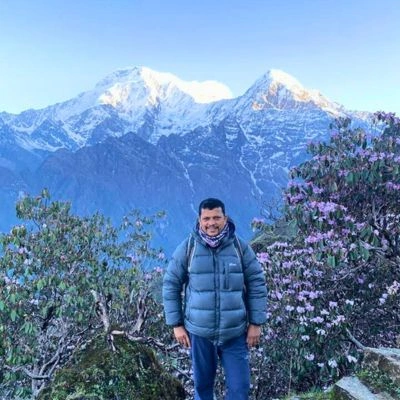
Planning to trek the famous Annapurna Circuit Trek in 2026? One of the most important decisions you will make is choosing the right time of year.
The Annapurna Circuit is one of the most beautiful trekking routes in the Himalayas. It takes you through traditional villages, deep valleys, forests, and high mountain deserts. The trek also crosses the famous Thorong La Pass at 5,416 meters (17,769 ft), which is one of the highest trekking passes in the world.
Because the trek goes so high, the weather can strongly affect your trip. If you choose the right season, you will enjoy clear mountain views and comfortable walking conditions. If you choose the wrong time, you may face heavy snow, rain, or cloudy skies.
This guide explains everything you need to know about the best time for the Annapurna Circuit Trek in 2026.
Many travelers want a quick answer before reading the full guide. This table summarizes the best seasons.
| Season | Months | Weather | Trekking Experience | Recommendation |
|---|---|---|---|---|
| Autumn | September – November | Clear skies, stable weather | Best mountain views | ⭐ Best time |
| Spring | March – May | Warm weather, blooming flowers | Beautiful landscapes | ⭐ Excellent |
| Winter | December – February | Very cold, snow on pass | Quiet trails | ⚠ Difficult |
| Monsoon | June – August | Heavy rainfall | Muddy trails and clouds | ❌ Not recommended |
This quick overview helps readers immediately understand when to trek the Annapurna Circuit Trek.
The Annapurna Circuit is one of the most famous treks in the world because it offers incredible natural and cultural diversity.
Crossing the famous Thorong La Pass (5,416 m)
Stunning views of Annapurna I
Beautiful views of Dhaulagiri
Visiting traditional Himalayan villages
Experiencing Tibetan-influenced culture
Exploring the beautiful valley of Manang
Walking through forests, valleys, and high mountain deserts
Visiting the sacred pilgrimage site Muktinath Temple
Packing properly can make your trek much more comfortable.
Essential Trekking Gear
Good quality trekking boots
Warm down jacket
Sleeping bag (for cold nights)
Trekking poles
Backpack (30–40L)
Thermal base layers
Warm fleece jacket
Waterproof jacket
Trekking pants
Warm gloves and hat
Sunscreen and sunglasses
Reusable water bottle
Headlamp
Personal medical kit
Temperatures at Thorong La Pass can drop below -10°C, so warm gear is very important.
The Annapurna Circuit is not just a normal hike. It is a high-altitude Himalayan adventure.
During the trek, you will walk through several climate zones:
Warm subtropical forests
Alpine valleys
Dry high mountain landscapes
The trail circles the massive Annapurna Massif and crosses Thorong La Pass.
At high altitude, conditions can change quickly. For example:
Snowstorms can block the pass
Strong winds can make walking difficult
Temperatures can drop below freezing at night
That is why choosing the right season is very important for safety and enjoyment.
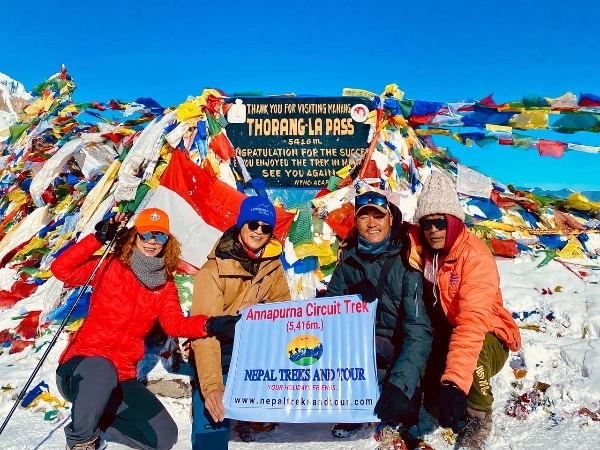
Autumn is the most popular time to trek the Annapurna Circuit.
After the summer monsoon rains, the sky becomes very clear. The air is fresh and the mountain views are amazing.
Day temperature: 10°C to 18°C
Night temperature at high altitude: -5°C to -10°C
Dry trails and stable weather
Clear mountain views
Comfortable temperatures for trekking
Safer crossing of Thorong La Pass
Great conditions for photography
Trekkers can see famous peaks like Annapurna I, Dhaulagiri, and Machapuchare.
October is usually the best month because the weather is very stable and the views are incredibly clear.
The only downside is that October is also the busiest month.
Spring is another great time for trekking in the Annapurna region.
During this season, the forests become colorful as rhododendron flowers bloom across the hills.
Day temperature: 12°C to 20°C
Night temperature at high altitude: -3°C to 5°C
Blooming rhododendron forests
Green hills and valleys
Beautiful mountain sunrise views
April is often the best month because:
The weather is comfortable
Flowers are fully blooming
Trekking conditions are stable
Sometimes there can be a little haze in the afternoon, but the scenery is still beautiful.
Winter trekking is possible but more difficult.
Challenges
Very cold temperatures
Snow on Thorong La Pass
Some lodges may be closed
Day: 5°C to 10°C
Night: down to -15°C in higher areas
Quiet trails
Beautiful snowy landscapes
Clear skies on many days
Winter trekking is best for experienced trekkers with good equipment.
The monsoon season brings heavy rain to much of Nepal.
Conditions During Monsoon
Frequent rain
Muddy trails
Leeches in forest areas
Poor mountain visibility
Risk of landslides
Slippery trekking paths
However, the area near Manang receives less rain because it lies in a rain shadow.
Even so, most trekkers avoid the monsoon season.
| Month | Trekking Conditions | Recommendation |
|---|---|---|
| January | Very cold, snow at pass | Difficult |
| February | Cold but improving | Possible |
| March | Beginning of spring | Good |
| April | Warm and blooming | Excellent |
| May | Warmer with some haze | Good |
| June | Beginning of monsoon | Not recommended |
| July | Heavy rainfall | Avoid |
| August | Wettest month | Avoid |
| September | Rain ending | Good |
| October | Perfect trekking weather | Best |
| November | Clear skies, cooler nights | Excellent |
| December | Cold but possible | Moderate |
The Annapurna Circuit is considered moderately challenging.
Trekkers usually walk:
6 to 8 hours per day
For about 12 to 18 days depending on the route
The most challenging day is crossing Thorong La Pass, which is above 5,400 meters. Proper acclimatization is very important.
To trek the Annapurna Circuit, you must obtain:
TIMS Card (Trekkers’ Information Management System)
These permits help manage tourism and protect the natural environment.
Here are some practical tips for planning your trek.
Helpful Travel Tips
Book your trek 2–3 months in advance
Train with regular hiking before your trip
Drink plenty of water during the trek
Walk slowly to avoid altitude sickness
Always check weather conditions before crossing the pass
Hiring an experienced local guide can also improve safety and cultural understanding.
The best time to trek the Annapurna Circuit is October and April. October provides clear skies after the monsoon for stunning mountain views, while April offers warm weather and blooming rhododendrons. Both seasons are ideal for crossing Thorong La Pass safely.
The trek is moderately challenging, with 6–8 hours of walking per day over 12–18 days. Crossing Thorong La Pass at 5,416 meters is the hardest section. Proper acclimatization, fitness, and a slow walking pace are essential to avoid altitude sickness.
Most trekkers complete the Annapurna Circuit in 12–18 days depending on the route and acclimatization. Shorter itineraries start from Chame or other accessible villages, while the full circuit around the Annapurna Massif takes longer, offering more cultural and scenic experiences.
The highest point is Thorong La Pass at 5,416 meters (17,769 feet). This is one of the highest trekking passes in the world. Early morning crossing is recommended to avoid strong winds and to enjoy clear Himalayan views.
Yes, trekkers need two permits: the Annapurna Conservation Area Project (ACAP) permit and a TIMS card. These permits ensure trekking safety, environmental protection, and help manage tourism in the Annapurna region.
Yes, beginners can complete the trek with good preparation, fitness, and proper acclimatization. Hiring a local guide helps with navigation, safety, and understanding cultural highlights along the trail.
The trail is quieter in early September and late November. These months offer good weather, fewer trekkers, and peaceful villages while still providing beautiful mountain and valley scenery.
Trekkers can view Annapurna I, Dhaulagiri, and Machapuchare (Fishtail) among others. Clear autumn skies provide the best panoramic views, while spring showcases blooming valleys and forests along the route.
Yes, altitude sickness is possible above 3,000 meters, especially near Manang and Thorong La Pass. Spending extra days in villages for acclimatization helps your body adjust safely to high altitudes.
A guide is not mandatory, but highly recommended. Guides improve safety, handle local permits, provide route knowledge, and enhance your experience with cultural insights and navigation tips.