

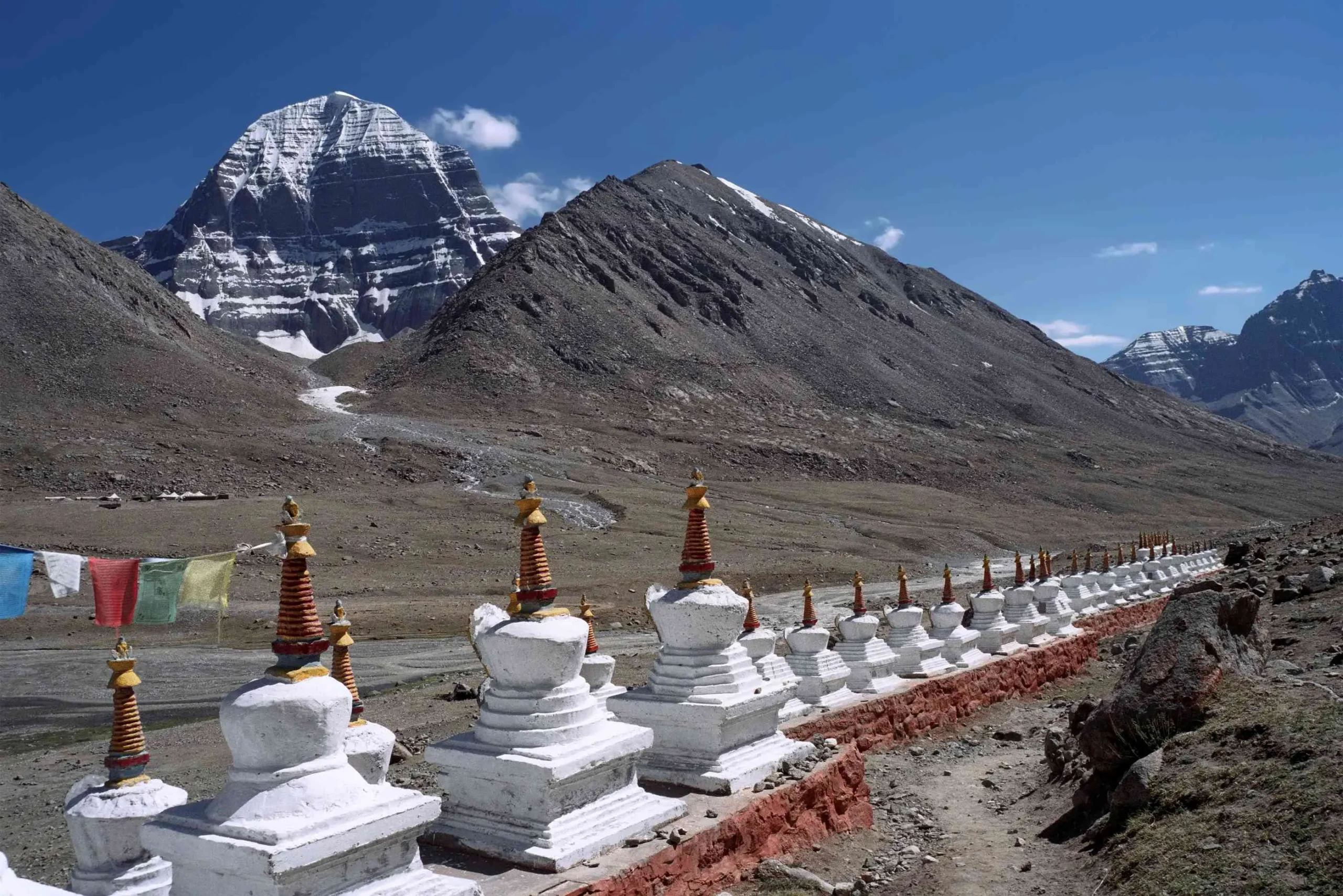

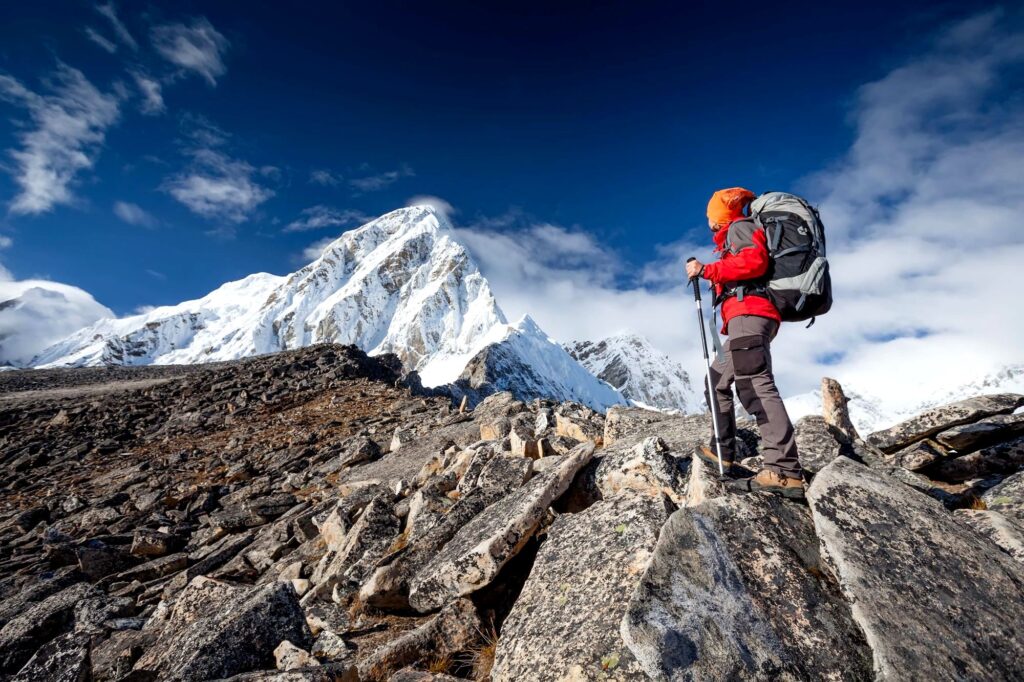
When it comes to exploring the breathtaking landscapes of Nepal and the Himalayas, the terms Trekking vs Hiking are often used interchangeably. However, while both involve walking in nature, they differ in duration, terrain, difficulty, and overall experience. Understanding the difference between Trekking and Hiking is crucial for anyone planning an outdoor adventure, whether you’re a beginner looking for a scenic day trip or an experienced traveler seeking a multi-day high-altitude challenge. At Nepal Treks and Tour, we help you make the right choice for your fitness level, time frame, and adventure goals.
In this guide, we’ll explore the essential aspects of Trekking vs Hiking, including their meaning, definition, fitness requirements, gear, terrain, and cultural experience. We’ll also answer key questions like Which is better: Trekking or Hiking?, compare the Trekking vs Hiking difficulty, and highlight the Trekking vs Hiking benefits. Whether you dream of a challenging expedition to the Everest Base Camp or a leisurely walk to Nagarkot Viewpoint, this article will help you understand the Hiking vs Trekking comparison and choose the adventure that suits you best.
Duration and Distance
When choosing between Trekking vs Hiking, understanding the difference in duration and distance is essential for planning your adventure. Let’s break it down:

Trekking Duration
- Trekking is a multi-day adventure, typically lasting from 5 days to 3 weeks or more.
- Popular treks like the Everest Base Camp Trek or the Annapurna Circuit can last 12 to 21 days depending on the route.
- Treks often include rest days for acclimatization, cultural exploration, and enjoying the scenery.
Hiking Duration
- Hiking is generally a day-long activity, ranging from a few hours to a full day.
- Most hikes in Nepal, like Nagarkot, Shivapuri, or Phulchowki, can be completed in 3 to 8 hours.
Trekking Distance
- Trekking distances can vary greatly, but most treks in Nepal cover 80 km to 250+ km, depending on the route.
- For example, the Manaslu Circuit Trek is around 177 km, while the Everest Three Passes Trek can exceed 160 km.
- Daily trekking distances can be 10 to 20 km per day, depending on terrain and altitude.
Hiking Distance
- Hiking distances are usually shorter, typically between 5 km and 20 km in a day.
- Hikes are often designed as loop trails or out-and-back routes to reach a scenic viewpoint or landmark.
We help you plan the perfect trip—whether it’s a challenging multi-day Trekking adventure or a relaxing Hiking day trip.
Trekking Terrain and Difficulty
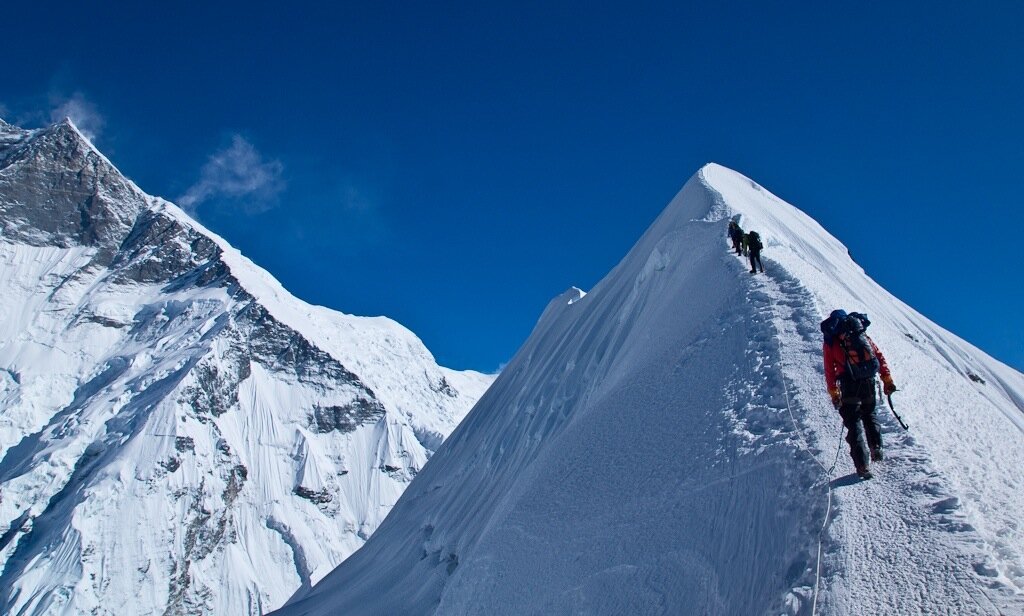
- Trekking terrain is often rugged, remote, and challenging. Expect steep ascents and descents, rocky paths, narrow trails, river crossings, and even high mountain passes.
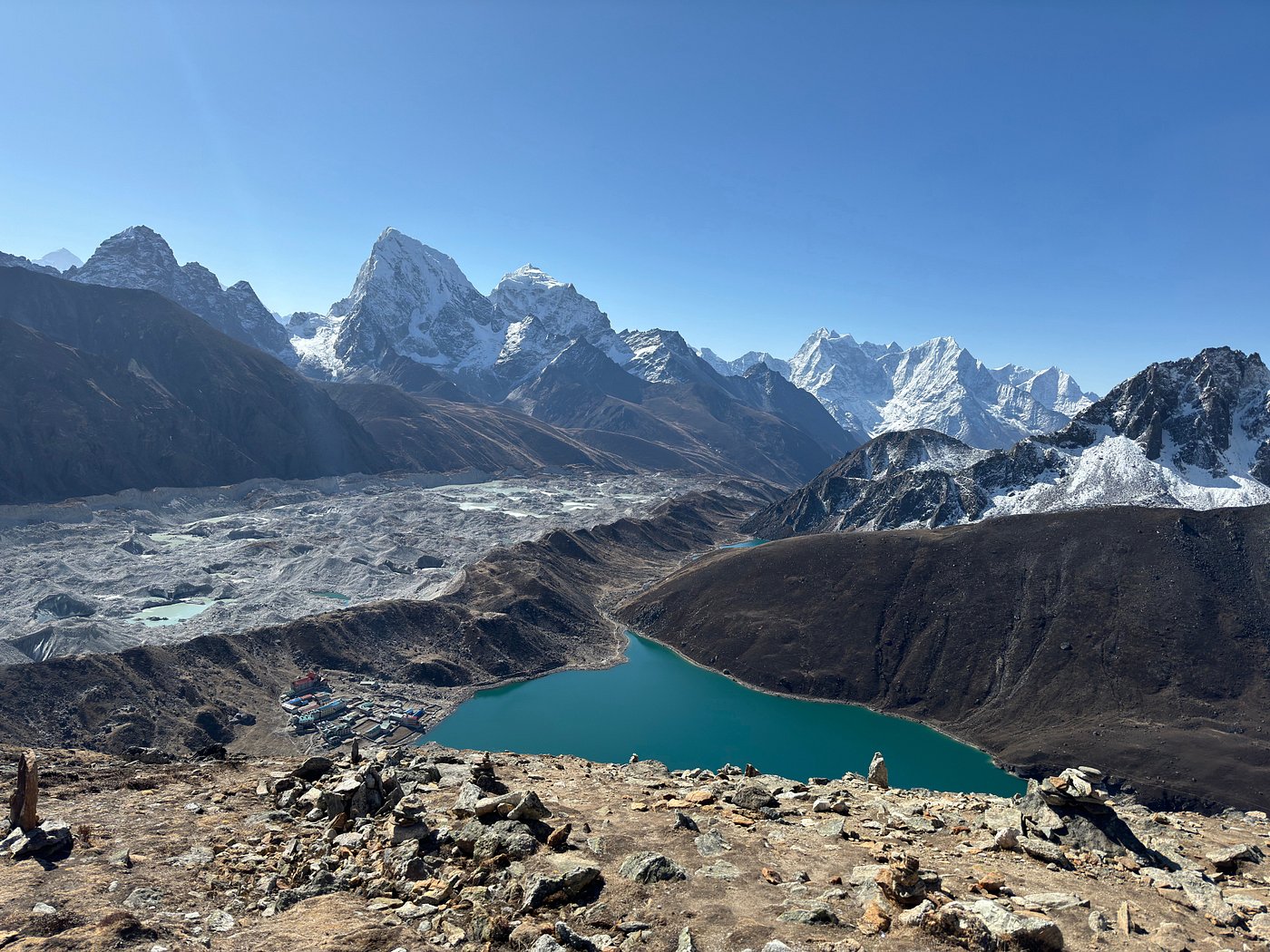
- Treks in Nepal, such as the Everest Base Camp Trek, Annapurna Circuit Trek, or Manaslu Circuit Trek, take you through alpine meadows, glacial moraines, suspension bridges, and snow-covered trails.
- The Trekking difficulty varies by route but generally ranges from moderate (e.g., Ghorepani Poon Hill Trek) to challenging (e.g., Everest Three Passes Trek).
- Altitude is a key factor—most treks in Nepal reach heights above 3,000 meters, with some going beyond 5,000 meters.
- Trekking requires good endurance, acclimatization, and sometimes technical skills (like using crampons).
Hiking Terrain and Difficulty
- Hiking terrain is usually well-marked, accessible, and less technical. Trails are often wider, clearly signposted, and located in lower altitudes (typically below 3,000 meters).
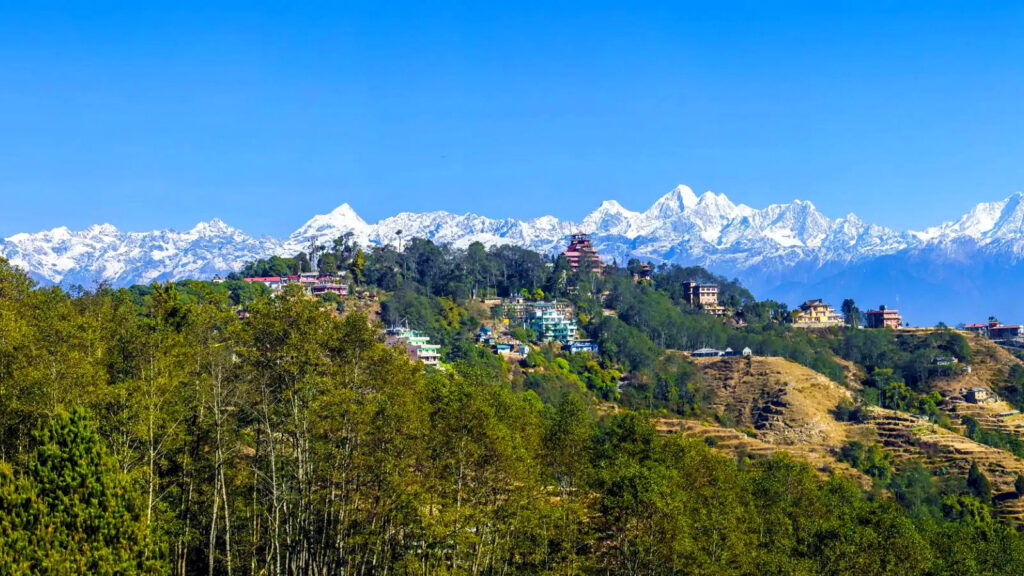
- Hikes like Nagarkot, Shivapuri, or Champadevi feature forest trails, hill stations, and scenic ridges—ideal for a day out in nature.
- The Hiking difficulty is generally easy to moderate, suitable for beginners, families, or those looking for a light challenge.
- Hiking doesn’t require special skills or equipment, making it more accessible for most people.
Quick Comparison
| Feature | Trekking | Hiking |
| Terrain | Rugged, high-altitude, remote trails | Well-marked, low-altitude, accessible trails |
| Difficulty | Moderate to challenging, altitude impact | Easy to moderate, minimal altitude challenges |
| Technical skills | Sometimes required (e.g., passes, crampons) | Not required |
| Typical locations (Nepal) | Everest, Annapurna, Manaslu, Langtang regions | Nagarkot, Shivapuri, Phulchowki, Nagarjun |
We help you choose the right adventure based on your fitness level and terrain preference. Whether you want a thrilling Trekking expedition or a peaceful Hiking trip, we’ve got you covered!
Accommodation
One of the key differences between Trekking vs Hiking is the type of accommodation you’ll need during the journey. Let’s take a closer look at what to expect:
Accommodation During Trekking
- Trekking accommodation is typically overnight stays in teahouses, lodges, or tent camps, depending on the trekking region.
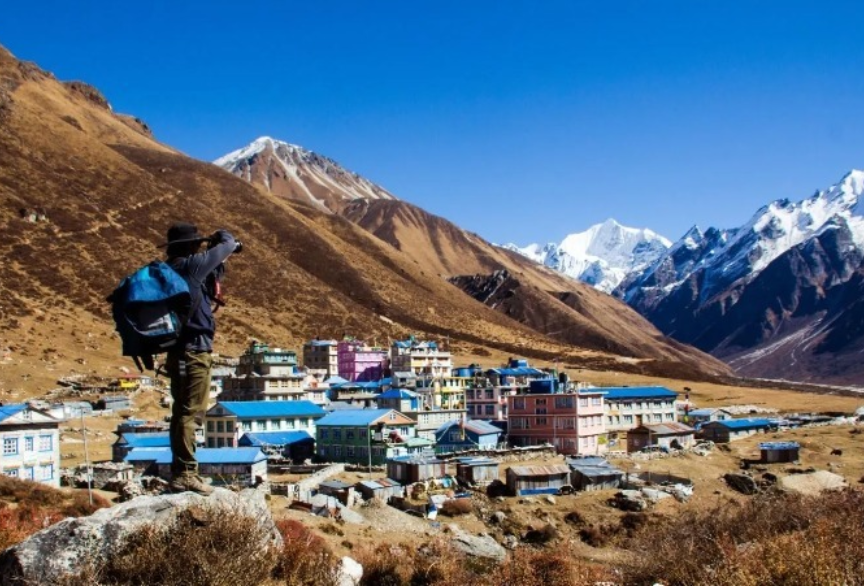
- Popular trekking routes in Nepal, like the Everest Base Camp Trek and Annapurna Circuit Trek, have a well-developed teahouse system, where trekkers sleep in basic rooms with shared or private bathrooms.
- In more remote areas like the Manaslu or Upper Mustang Trek, lodges can be more basic, and in some cases, you may need to camp overnight.
- Trekking accommodation often includes dinner and breakfast, served in a communal dining hall.
- The higher you go, the more basic the facilities—expect limited electricity, shared toilets, and cold showers in high-altitude areas.
Accommodation During Hiking
- Hiking accommodation is usually not required, as hiking is typically a day activity that returns to the starting point or a nearby town.
- If you’re doing an overnight hike or a multi-day hiking trip, you might stay in a hotel, guesthouse, or even homestay in a nearby village.
- Hiking in places like Nagarkot, Shivapuri, or Chisapani allows you to combine a short hike with an overnight stay in a comfortable lodge or resort.
Quick Comparison
| Feature | Trekking | Hiking |
| Accommodation Type | Teahouses, lodges, or tent camps | None required (day hike) or hotel/guesthouse stay |
| Facilities | Basic amenities, shared toilets, limited power | Comfortable lodges, hotels, or homestays |
| Meals | Included at the teahouses or lodges | Not usually included (day hikes) |
| Overnight Stay | Yes (multi-day trips) | No (unless combined with a stay in a nearby town) |
We handle all accommodation arrangements for your trek or hike, ensuring a comfortable and authentic experience. Whether you choose a multi-day trekking adventure or a day-long hiking escape, we make sure your accommodation needs are fully taken care of!
Cultural Experience
One of the most enriching aspects of outdoor adventures is the opportunity to connect with local cultures. The Cultural Experience in Trekking vs Hiking differs significantly, especially in a culturally diverse country like Nepal. Let’s dive into what each experience offers:
Trekking Cultural Experience
- Trekking in Nepal is more than just a physical challenge—it’s a deep cultural immersion.
- Popular routes like the Everest Base Camp Trek and Annapurna Circuit Trek pass through remote mountain villages, where you’ll encounter Sherpa, Gurung, Tamang, and Tibetan communities.
- You’ll visit ancient monasteries, witness traditional rituals, and sometimes participate in local festivals.
- Trekking allows you to stay in local teahouses, interact with families, and share stories with fellow trekkers and locals alike.
- The cultural exchange is often a highlight of the trek, as you learn about daily mountain life, Buddhist customs, and Himalayan hospitality.
- In areas like Manaslu and Upper Mustang, you’ll discover Tibetan-influenced cultures and centuries-old monasteries nestled in the Himalayas.
Hiking Cultural Experience
- Hiking typically offers a lighter cultural experience compared to trekking.
- On a day hike near cities like Kathmandu or Pokhara, you’ll encounter local villages, farmlands, and hill stations but with less time to engage deeply.
- Popular hikes like Nagarkot, Shivapuri, or Chisapani give you glimpses of Nepali rural life, Buddhist stupas, and Hindu temples, but the interaction is brief.
- While hiking, you’re more likely to pass through villages rather than stay overnight, so the cultural immersion is limited compared to trekking.
Quick Comparison
| Feature | Trekking | Hiking |
| Cultural Interaction | Deep immersion with local communities, customs | Brief encounters, limited engagement |
| Overnight Stay with Locals | Yes, in teahouses and lodges | Rare, usually no overnight cultural stay |
| Cultural Highlights | Ancient monasteries, festivals, mountain life | Temples, shrines, short village visits |
| Regions (Nepal) | Everest, Annapurna, Manaslu, Mustang | Nagarkot, Shivapuri, Phulchowki, Dhulikhel |
We believe that the cultural experience is what makes both trekking and hiking truly unforgettable. Whether you seek a deep connection with the mountains and their people through trekking or a quick glimpse into local life during a hike, we’re here to make it happen.
Equipment and Preparation
The equipment and preparation required for Trekking vs Hiking differ greatly, especially if you’re exploring rugged terrains like Nepal. Let’s break down what you’ll need for each adventure:
Trekking Equipment and Preparation
Trekking is a multi-day adventure requiring careful planning and proper gear.
Key Trekking equipment includes:
- Sturdy trekking boots for rough terrain
- Backpack (50–70L) to carry essentials
- Trekking poles for stability
- Sleeping bag and liner (rated for cold weather)
- Layered clothing (base layer, fleece, down jacket, rain jacket)
- Headlamp, gloves, hats, and sunglasses
- Water bottles or hydration system
- First-aid kit and personal medications
- Trekking permits (e.g., TIMS card, national park permits)
Trekking preparation involves:
- Building cardiovascular fitness and endurance
- Practicing with loaded backpacks
- Understanding altitude sickness and acclimatization
- Booking teahouses, flights, and permits in advance
- Packing for unpredictable weather (especially in Nepal)
Hiking Equipment and Preparation
- Hiking is typically a single-day activity, requiring minimal gear.
- Essential Hiking equipment includes:
- Comfortable hiking shoes or trail runners
- Small daypack (15–25L) for snacks, water, and essentials
- Weather-appropriate clothing (layers for warmth, rain jacket)
- Sunscreen, sunglasses, and hat for sun protection
- Water bottles or hydration pack
- Snacks or lunch for the day
- Trail map or GPS app
Hiking preparation involves:
- Checking the weather forecast
- Knowing the route and trail conditions
- Informing someone of your hiking plan
- Packing for unexpected changes (like rain or wind)
Quick Comparison
| Feature | Trekking | Hiking |
| Equipment Needed | Specialized gear: boots, poles, sleeping bag, etc. | Minimal gear: shoes, water, snacks, basic layers |
| Backpack Size | Large (50–70L) | Small (15–25L) |
| Preparation Level | High: permits, fitness, altitude awareness | Moderate: know the trail, weather, basic fitness |
| Duration Impact | Multi-day, remote terrain requires more gear | Day trips, easier access means less equipment |
We help you pack smart and prepare right, whether you’re planning a Trekking expedition or a Hiking day trip. From gear checklists to preparation tips, we ensure you’re ready for the adventure ahead!
Permits and Regulations
When planning an outdoor adventure in Nepal, understanding the permits and regulations for Trekking vs Hiking is essential. The rules differ depending on the activity, location, and duration. Let’s break it down:
Trekking Permits and Regulations
Trekking in Nepal often takes you through protected areas, national parks, and restricted regions, so permits are mandatory.
Common trekking permits include:
- TIMS Card (Trekkers’ Information Management System)
- National Park Entry Permits (e.g., Sagarmatha, Annapurna, Langtang)
- Restricted Area Permits (for regions like Manaslu, Upper Mustang, Nar Phu Valley)
- Local Rural Municipality Permits (e.g., Pasang Lhamu permit in the Everest region)
Permit requirements vary by trek:
- For the Everest Base Camp Trek, you need the Sagarmatha National Park Permit and Pasang Lhamu Permit.
- For the Annapurna Circuit, the Annapurna Conservation Area Permit (ACAP) and TIMS are required.
- For Manaslu and Upper Mustang, a Restricted Area Permit is mandatory, often requiring a minimum of two trekkers and a licensed guide.
Trekking regulations also include:
- Trekking with a registered guide in restricted areas.
- Following Leave No Trace principles.
- Respecting local cultures and customs.
Hiking Permits and Regulations
For day hikes in Nepal, permits are usually not required, except when entering national parks or conservation areas.
Popular hiking destinations like Nagarkot, Shivapuri, and Champadevi may require an entry fee (e.g., Shivapuri National Park).
No TIMS card or restricted area permit is needed for regular hiking trails near Kathmandu or Pokhara.
Hiking regulations are generally relaxed, but it’s important to:
- Follow trail etiquette and respect local communities.
- Stay on designated trails and avoid littering.
- Check for seasonal closures or weather advisories before heading out.
Quick Comparison
| Feature | Trekking | Hiking |
| Permits Required | Yes – TIMS, national park, and restricted area permits | Usually no permits (entry fee for some parks) |
| Guide Requirement | Mandatory in restricted areas (e.g., Manaslu, Mustang) | Not required |
| Permit Costs | Varies by region (from $20 to $500+) | Entry fees (if applicable) under $10–15 USD |
| Regulations | Stricter, must follow local laws and rules | Fewer regulations, basic trail guidelines apply |
We handle all your Trekking permits, ensuring a hassle-free experience. Whether you’re embarking on a Trekking adventure or a Hiking day trip, we guide you through the necessary regulations for a smooth journey in the Himalayas!
Seasons and Climate
Choosing the right season is crucial for a safe and enjoyable adventure. Let’s compare the Seasons and Climate for Trekking vs Hiking in Nepal.
Trekking Seasons and Climate
Trekking in Nepal is highly dependent on seasons and climate conditions.
The best time for trekking is during the pre-monsoon (spring: March to May) and post-monsoon (autumn: September to November). These seasons offer clear skies, stable weather, and breathtaking views of the mountains.
The climate during trekking varies:
- Spring: Mild temperatures, blooming rhododendrons, occasional rain showers.
- Autumn: Crisp air, clear skies, cooler nights at high altitudes.
- Winter (December–February): Cold temperatures, snow at higher altitudes, fewer trekkers.
- Monsoon (June–August): Heavy rains, muddy trails, leeches, and risk of landslides—less ideal for trekking.
Trekking terrain often crosses multiple climate zones, from subtropical forests to alpine regions, so expect rapid weather changes and temperature drops as you gain altitude.
Hiking Seasons and Climate
Hiking in Nepal is more flexible—you can hike year-round, depending on the region and trail.
Best seasons for hiking are also spring and autumn, but hiking at lower altitudes is possible even during winter and monsoon with proper precautions.
Climate during hiking is generally milder:
- Lower altitude hikes (like Nagarkot, Shivapuri, and Phulchowki) experience pleasant temperatures, even in winter.
- Monsoon hikes may face muddy trails and limited visibility but can offer lush greenery and fewer crowds.
Hiking typically stays in lower elevation zones, so the risk of extreme weather or altitude sickness is minimal.
Quick Comparison
| Feature | Trekking | Hiking |
| Best Seasons | Spring (Mar–May), Autumn (Sep–Nov) | Spring, Autumn, possible year-round at lower altitudes |
| Climate Variability | High – multiple zones, extreme altitude changes | Moderate – consistent, mild climate at lower altitudes |
| Altitude Factor | Significant – risk of snow, cold, altitude sickness | Minimal – low-altitude trails with stable weather |
| Monsoon Suitability | Generally not recommended | Possible at lower trails with caution |
We help you plan the perfect trip by selecting the best seasons for your chosen Trekking or Hiking adventure. Whether you seek the vibrant spring blooms, the clear autumn skies, or a peaceful winter hike, we ensure your adventure aligns with the optimal seasons and climate.
Trekking vs Hiking FAQs
We receive many questions about the difference between Trekking and Hiking. Here are some of the most frequently asked questions, answered for your convenience!
Q: What is Trekking?
A: Trekking is a multi-day, long-distance journey through rugged and often remote terrain, typically at higher altitudes. It’s an adventure that combines physical challenge, cultural exploration, and scenic beauty.
Q: What is Hiking?
A: Hiking is a shorter walk, usually done in a single day, on well-marked trails at lower elevations. It’s perfect for beginners or those seeking a nature experience without the commitment of a multi-day trek.
Q: What is the main difference between Trekking and Hiking?
A: The difference between Trekking and Hiking lies in duration, difficulty, and terrain.
- Trekking involves multi-day trips, challenging trails, and often high-altitude routes.
- Hiking is generally a one-day activity, with easier trails and minimal elevation gain.
Q: Which is better for beginners: Trekking or Hiking?
A: For beginners, Hiking is more accessible as it requires less preparation, fitness, and time. However, beginners can also enjoy Trekking by choosing shorter, easier treks like the Ghorepani Poonhill Trek.
Q: What is the fitness level required for Trekking vs Hiking?
A: Trekking fitness level: Requires good endurance, cardiovascular fitness, and strength to handle long days, altitude, and rough terrain. Hiking fitness level: Suitable for most fitness levels, with shorter durations and gentler trails.
Q: Is special gear required for Trekking and Hiking?
A: Yes, the Trekking vs Hiking gear differs.
- Trekking gear includes sturdy boots, backpack, sleeping bag, trekking poles, and weather layers.
- Hiking gear is simpler: comfortable shoes, daypack, water, and snacks.
Q: What is the terrain difference in Trekking vs Hiking?
- A: Trekking terrain: Often steep, rugged, and remote with varying conditions.
- Hiking terrain: Generally well-defined, easier trails near cities or towns.
Q: What are the benefits of Trekking vs Hiking?
- A: Hiking benefits: Fitness, nature enjoyment, stress relief.
- Trekking benefits: Deeper cultural experiences, remote landscapes, personal growth, and achievement.
Q: Do I need permits for Trekking and Hiking in Nepal?
- A: Trekking permits: Mandatory for most treks (e.g., TIMS Card, National Park Permits, Restricted Area Permits).
- Hiking permits: Usually not required unless the hike enters a protected area (like Shivapuri or Langtang National Park).
Q: How do I choose between Trekking or Hiking for my adventure?
A: Choose Trekking if you want a multi-day, immersive adventure with cultural insights and challenging terrain.
Choose Hiking if you prefer a day-long escape into nature with minimal preparation.
If you need any further information, please feel free to contact us via email at [email protected] or by phone/WhatsApp at +977-9851013072.