Nepal Treks And Tour

icons
Duration
18 Days
icons
Tour Type
Adventure
icons
Group Size
2 - 10 Person
Everest Region, Nepal

EBC ChoLa Pass Trek

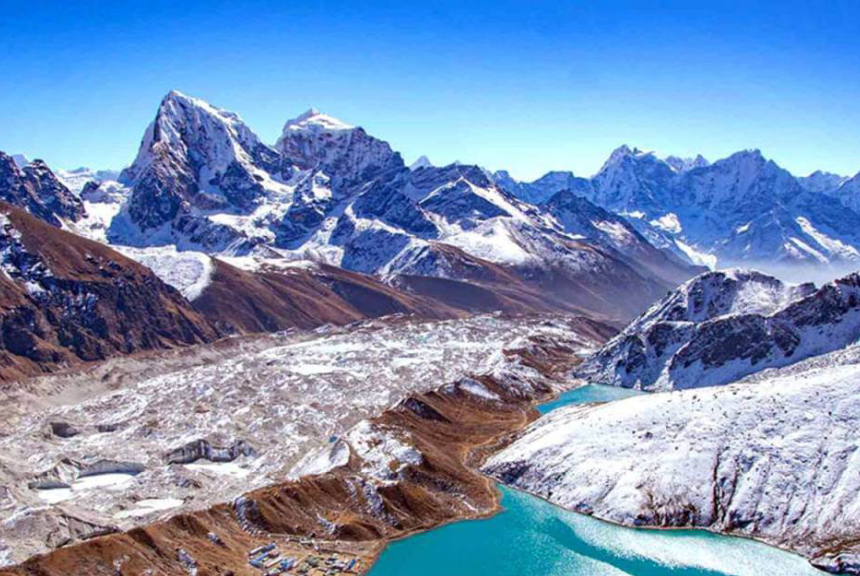
The EBC Cho La Pass Trek is one of the most adventurous and scenic trekking routes in the Everest region, offering a perfect blend of high mountain passes, glacial lakes, and world-renowned destinations like Everest Base Camp and Gokyo Valley. This 18-day trek takes you deep into the heart of the Khumbu region, where you’ll witness dramatic landscapes, towering Himalayan peaks, and traditional Sherpa villages nestled amidst pristine alpine surroundings. It’s a journey that not only challenges you physically but also rewards you with breathtaking views of Mount Everest, Lhotse, Makalu, and Cho Oyu.

What sets this trek apart is the opportunity to cross the high-altitude Cho La Pass (5,420m), linking two of the most iconic routes in the Everest region—the Everest Base Camp trail and the Gokyo Lake circuit. Along the way, you’ll acclimatize in scenic villages like Namche Bazaar and Machhermo, climb to viewpoints such as Gokyo Ri and Kala Patthar, and experience the spiritual and natural essence of the Himalayas. Whether you’re an experienced trekker or an adventurer seeking a challenging and scenic route, the EBC Cho La Pass Trek delivers a once-in-a-lifetime Himalayan experience.

Highlights of the EBC Cho La Pass Trek

  • Scenic mountain flight to Lukla, the gateway to the Everest region
  • Acclimatization and exploration in Namche Bazaar, the Sherpa capital
  • Hike to the stunning viewpoint of Hotel Everest View and Syangboche
  • Breathtaking views of Mount Everest, Lhotse, Nuptse, Ama Dablam, and Cho Oyu
  • Visit to the sacred and pristine Gokyo Lakes and hike up to Gokyo Ri (5,350m) for panoramic vistas
  • Cross the challenging and icy Cho La Pass (5,420m), a thrilling high-altitude adventure
  • Trek to the legendary Everest Base Camp (5,364m) and witness the mighty Khumbu Glacier
  • Early morning hike to Kala Patthar (5,545m) for a spectacular sunrise over Everest
  • Discover remote Sherpa villages, monasteries, and unique Himalayan culture
  • Full board trek with experienced English-speaking guides, porters, and safety support throughout
  • Enjoy Kathmandu Valley sightseeing and a farewell cultural dinner before departure

Route Overview

The EBC Cho La Pass Trek begins with an exciting mountain flight from Kathmandu to Lukla, followed by a scenic trek through the lush Dudh Koshi Valley to Phakding and Namche Bazaar, the vibrant trading hub of the Khumbu region. After proper acclimatization and exploration around Namche, the trail diverts toward the remote and peaceful Gokyo Valley. Trekkers pass through Dhole and Machhermo, gradually gaining altitude before reaching the stunning Gokyo Lakes. A climb to Gokyo Ri (5,350m) offers jaw-dropping views of four 8,000-meter peaks: Everest, Lhotse, Makalu, and Cho Oyu.

The adventure intensifies as you cross the icy Cho La Pass (5,420m) to connect with the classic Everest Base Camp trail at Dzongla. From here, the route continues to Lobuche and Gorakshep, the final outpost before reaching Everest Base Camp (5,364m). After exploring the base of the world’s tallest peak, a sunrise hike to Kala Patthar (5,545m) provides the best close-up view of Everest. The descent follows a more direct route through Pheriche and Namche, ultimately returning to Lukla for a flight back to Kathmandu. This circuit-style trek offers a complete Everest experience with diverse landscapes, cultural richness, and high-altitude adventure.

Alternative Trekking Options in the Everest Region

If you’re seeking different ways to explore the majestic Everest region, here are some rewarding alternatives to the EBC Cho La Pass Trek:

  • Everest Base Camp Trek with Helicopter Return: Ideal for those short on time or preferring a luxurious exit, this trek follows the classic Everest Base Camp trail and ends with a thrilling helicopter flight back to Kathmandu, offering aerial views of the Himalayas.
  • Everest View Trek: A shorter and easier trek designed for those who want a taste of Everest without going to extreme altitudes. Enjoy stunning views of Everest, Ama Dablam, and Sherpa villages like Namche Bazaar and Khumjung.
  • Everest Base Camp Trek: The most popular and iconic trek to the base of Mount Everest, this route takes you through the heart of Sagarmatha National Park, with highlights including Tengboche Monastery, Everest Base Camp, and Kala Patthar.
  • Everest Three Passes Trek: A challenging and comprehensive adventure that includes Kongma La Pass, Cho La Pass, and Renjo La Pass, along with Everest Base Camp and Gokyo Lakes—perfect for experienced trekkers seeking high-altitude adventure and scenic variety.

Each trek offers a unique perspective of the Everest region, catering to different fitness levels, interests, and timeframes.

Important Notes on the EBC Cho La Pass Trek

  • Altitude Acclimatization is Crucial: The trek reaches elevations above 5,000 meters, including Cho La Pass (5,420m), Gokyo Ri (5,350m), and Kala Patthar (5,545m). Proper acclimatization days in Namche Bazaar and Machhermo are essential to avoid altitude sickness.
  • Cho La Pass is Physically Demanding: Crossing the Cho La Pass involves steep ascents, icy terrain, and possible snow conditions. Good physical fitness, previous trekking experience, and proper gear (crampons may be required in winter/spring) are recommended.
  • Flight Delays are Common: Weather in Lukla can be unpredictable, and flights between Kathmandu and Lukla are often delayed or canceled. It’s wise to have a buffer day at the end of your trek in Kathmandu.
  • Trekking Seasons Matter: The best times for this trek are spring (March to May) and autumn (September to November). Trails are clearer, weather is stable, and mountain views are at their best.
  • Packing the Right Gear is Essential: Due to the high altitude and cold conditions, warm layers, waterproof clothing, gloves, and sunglasses are essential. Trekking poles and sturdy boots are also highly recommended.
  • Travel Insurance is Mandatory: Make sure your travel insurance covers high-altitude trekking and emergency helicopter evacuation, as these may be necessary in case of severe altitude sickness or injury.
  • Permits are Required: Trekkers must obtain the Sagarmatha National Park Permit and Pasang Lhamu Rural Municipality Entrance Permit, both of which are included in the trek package.
  • Stay Hydrated & Trek Gradually: Drink plenty of fluids and ascend slowly to minimize the risk of altitude-related issues. Avoid alcohol during the trek.

These notes ensure a safe, enjoyable, and well-prepared experience while undertaking the EBC Cho La Pass Trek.

If you need any further information, please feel free to contact us via email at [email protected] or by phone/WhatsApp at +977-9851013072.


EBC Cho La Pass Trek FAQs

Q: How difficult is the EBC Cho La Pass Trek?

A: The EBC Cho La Pass Trek is considered moderate to challenging. The terrain involves high-altitude trekking, glacier crossings, and steep climbs—especially over Cho La Pass (5,420m). Prior trekking experience and good physical fitness are recommended.

Q: What is the best time to do the EBC Cho La Pass Trek?

A: The best seasons are spring (March to May) and autumn (September to November), when the weather is clear, temperatures are moderate, and mountain views are at their best. Avoid monsoon season and winter unless you’re highly experienced and well-equipped.

Q: Is prior trekking experience necessary?

A: While not mandatory, previous high-altitude trekking experience is highly beneficial due to the demanding nature of the Cho La Pass crossing and elevations above 5,000 meters.

Q: Do I need travel insurance for this trek?

A: Yes, comprehensive travel insurance that covers high-altitude trekking (above 5,000m) and emergency helicopter evacuation is mandatory for this trek.

Q: Are acclimatization days included in the itinerary?

A: Yes, the trek includes essential acclimatization days in Namche Bazaar and Machhermo to help prevent altitude sickness.

Q: What kind of accommodation is available during the trek?

A: You will stay in tea houses or local lodges during the trek. They offer basic but comfortable rooms, typically on a twin-sharing basis. In Kathmandu, you’ll stay in a 3-star hotel with breakfast included.

Q: What permits are required for the trek?

A: You’ll need a Sagarmatha National Park Entry Permit and Pasang Lhamu Rural Municipality Permit. These are included in most organized trekking packages.

Q: What kind of food is available during the trek?

A: Meals provided during the trek are on a full board basis, including breakfast, lunch, and dinner. The menus usually offer Nepali dishes, pasta, rice, soups, eggs, and Tibetan bread. Vegetarian options are available.

Q: How are the guides and porters arranged?

A: An experienced English-speaking guide and one porter for every two trekkers will accompany you. Both guide and porter expenses, including insurance, are included in the package.

Q: Is there internet or charging available on the trail?

A: Yes, Wi-Fi and charging are available in most tea houses for an extra fee. However, connectivity may be limited or slow in high-altitude areas like Gokyo, Dzongla, and Gorakshep.


Essentail Information


Nepal Visa Information

All foreign nationals (except Indian citizens) require a visa to enter Nepal. Tourist visas can be obtained on arrival at Tribhuvan International Airport (TIA) in Kathmandu or at land border crossings. To get a visa on arrival, travelers must carry a valid passport with at least six months of validity and one passport-sized photo. The cost for a 15-day visa is USD 30, 30-day visa is USD 50, and 90-day visa is USD 125 (subject to change). You can also apply in advance through a Nepalese embassy or consulate or via the online visa application system. Ensure you carry cash (preferably USD) for visa fees and fill out the arrival form in advance to avoid delays.

Travel Insurance

Comprehensive travel insurance is mandatory for the EBC Cho La Pass Trek. Your insurance must cover high-altitude trekking (above 5,500 meters) and emergency evacuation by helicopter, which may be necessary in case of acute altitude sickness, injuries, or sudden illness. The policy should also include coverage for trip cancellations, delays, loss of baggage, and medical expenses. Make sure to carry a copy of your insurance documents and emergency contact numbers with you during the trek.

Health and Physical Fitness

The EBC Cho La Pass Trek is a demanding high-altitude trek requiring good physical fitness. Trekkers should be prepared for daily hikes of 5–8 hours, steep ascents, glacier crossings, and long descents. Cardiovascular endurance, leg strength, and stamina are crucial. While no technical climbing skills are needed, regular training such as hiking, cycling, or gym workouts at least 6–8 weeks before the trek is highly recommended. Those with pre-existing medical conditions should consult a doctor before undertaking the trek.

Weather Conditions

Weather in the Everest region is highly variable, especially at high altitudes. Spring (March to May) and autumn (September to November) are the best trekking seasons, offering stable weather, clear skies, and moderate temperatures. Winter (December to February) brings cold conditions and possible snow, especially at Cho La Pass, making the trail more challenging. Summer/monsoon (June to August) sees heavy rainfall and reduced visibility, increasing the risk of flight delays and leech encounters at lower altitudes. Always pack layers and waterproof gear to adapt to sudden changes in weather.

Altitude Considerations

Altitude is one of the most critical aspects of the EBC Cho La Pass Trek, with several days spent above 4,000 meters and key points like Gokyo Ri (5,350m), Cho La Pass (5,420m), and Kala Patthar (5,545m). Acute Mountain Sickness (AMS) can affect anyone, regardless of fitness level. To mitigate risks, the itinerary includes acclimatization days in Namche Bazaar and Machhermo. Trekkers are advised to ascend slowly, stay hydrated, avoid alcohol, and inform guides immediately if symptoms like headache, dizziness, nausea, or shortness of breath occur. Diamox (a preventative altitude sickness medication) can be used under a doctor’s recommendation.

Transportation

Transportation for the EBC Cho La Pass Trek typically includes private vehicle transfers in Kathmandu and domestic flights between Kathmandu and Lukla. The flight to Lukla is a highlight itself, offering spectacular mountain views. However, Lukla flights are highly dependent on weather conditions and may be delayed or rerouted to Ramechhap Airport during peak seasons. In Kathmandu, a private car or van is used for airport pickups, hotel transfers, and city sightseeing tours. All transportation arrangements are handled by Nepal Treks and Tour to ensure comfort and timely service.

Electricity and Charging

Electricity is available in most tea houses along the trekking route, usually powered by hydroelectricity or solar panels. Charging of devices like phones, cameras, and power banks is possible at an extra cost—typically NPR 200–500 per hour, especially at higher altitudes. Charging facilities are more reliable in lower villages like Namche Bazaar and Machhermo, but may be limited or unavailable in remote places like Dzongla or Gorakshep. It’s recommended to bring extra batteries or a solar charger for backup, and keep devices warm to preserve battery life in cold conditions.

Festivals and Public Holidays

Trekking during local festivals can add a cultural dimension to your journey. Major festivals include Dashain (Sept–Oct), Tihar (Oct–Nov), and Losar, the Sherpa and Tibetan New Year, which usually falls in February. These events feature celebrations, rituals, and vibrant decorations in villages along the trail. Note that some services may be limited during national holidays. It’s best to plan your trek in coordination with these dates if you want to witness local culture but avoid any logistical disruptions.

Food and Dining

Meals during the trek are served in tea houses and lodges along the route, with menus offering a variety of local and continental dishes. Common meals include Dal Bhat (rice, lentils, vegetables), noodles, fried rice, pasta, soups, pancakes, and eggs. Breakfast typically includes porridge, toast, and tea or coffee. Vegetarian options are widely available. Meat is best avoided at higher elevations due to poor storage. Drinking water must be purified or boiled, and bottled water is available for purchase, though using a water purification system is more eco-friendly and cost-effective.

Cancellations and Weather-Related Changes

Due to the mountain weather’s unpredictability, flights to and from Lukla are frequently delayed or canceled. Trekking itineraries may also be affected by heavy snow, especially when crossing Cho La Pass, which can sometimes become impassable. It’s important to maintain flexibility in your travel plans, include buffer days, and purchase travel insurance that covers trip interruptions. We will do our best to manage itinerary changes and offer alternatives where possible.

Language and Communication

The official language of Nepal is Nepali, but in the Everest region, many locals also speak Sherpa (Tibetan dialect). Your guide will speak English fluently, and basic English is widely understood in tourist areas and lodges. Communication becomes more limited in remote villages, so having a guide ensures smooth interactions. Mobile networks (like NTC and Ncell) work in some areas such as Namche Bazaar and Lobuche, but coverage is inconsistent. Wi-Fi is available in many tea houses for a small fee, though connection speeds may vary significantly at higher altitudes.

Packing List and Trekking Gear

A well-prepared gear list is essential for comfort and safety. Key items include:

  • Waterproof trekking boots, thermal layers, down jacket, windproof shell
  • Warm gloves, hat, and neck gaiter
  • Sleeping bag rated to -10°C (provided if needed)
  • Trekking poles, headlamp, sunglasses, sunscreen, lip balm
  • Reusable water bottles with purification tablets or filter
  • Quick-dry clothes, daypack, duffel bag (provided), rain cover
    Packing light yet smart is key. Most of your gear will be carried by porters, but essentials should stay in your daypack.

Acclimatization Tips

To prevent Acute Mountain Sickness (AMS), follow these steps:

  • Ascend gradually and follow the “climb high, sleep low” rule
  • Include rest/acclimatization days (already in your itinerary)
  • Drink 3–4 liters of water daily
  • Avoid alcohol and smoking
  • Consider taking Diamox as a preventative (consult your doctor first)
    Pay close attention to early symptoms like headaches, nausea, or fatigue.

Emergency Rescue and Support

In the event of serious altitude sickness or injury, helicopter evacuation is available from key points like Gokyo, Lobuche, and Gorakshep. Your trekking guide will assist with coordination, and your travel insurance must cover evacuation. Carry your insurance documents and emergency contact info at all times.

Responsible Trekking and Sustainability

Practice Leave No Trace principles. Do not litter, respect wildlife, and minimize your plastic use by carrying a refillable bottle. Support local teahouses and buy local products to contribute to the community’s economy. Nepal has banned single-use plastics in some trekking areas—be mindful and eco-conscious throughout the journey.


Details

PRICE INCLUDE
  • Airport pick up and drop off by a private vehicle
  • 3 Nights hotel in Kathmandu at 3-star category hotel with breakfast in twin sharing basis
  • Kathmandu Valley sightseeing (Private vehicle and a tour guide)
  • Flight (Kathmandu-Lukla and Lukla-Kathmandu)
  • Sagarmatha National Park fee and Pasang Lhamu Village entrance fees.
  • An experienced English-speaking guide and his all expenses including his insurance
  • Porter (1 porter for 2 trekkers) including their all expenses including their insurance
  • Full board basis during the trek B, L , D
  • Complimentary sleeping bags and duffle bags
  • Trekking route map
  • First aid kit
  • All the governmental taxes and service charges.
PRICE EXCLUDE
  • International airfare
  • Travel insurance
  • Nepal visa fees
  • Personal expenses (Wifi, bar bills, laundries, hot shower during the trekking, gadget charging fees- US$ 1- US$
  • 5 per gadget, mobile recharge etc)
  • Extra nights accommodation in Kathmandu in case of early arrival from the trek due to unforeseen circumstances
  • Extra luggage charges (Only 15 kgs- 10kgs+5kgs are included if more you need to pay US$ 2 per kilogram)
  • Emergency evacuation (our company will help to arrange the evacuation if needed)
  • Tipping
  • Anything does not mention in the inclusion list

A company representative will come and pick you up at the airport. You are transferred to your hotel of choice. If time allows, you can go explore and familiarize yourself with the atmosphere of the city and its markets. Overnight in Kathmandu.
ALTITUDE1300 MM
ACCOMMODATIONHotels
MEALS

D

DURATION2-3 Hours Hours
The flight to Lukla is a thrilling one to say the least. On your way, you will witness the mighty Himalayas breaking through the clouds parallel to your plane window. The flight lasts for about 45 minutes. After landing, collect your stuff and begin the trek to the settlement of Phakding. It is a beautiful village sitting adjacent to the Dudh Koshi River. Overnight in Phakding.
ALTITUDE2610 MM
ACCOMMODATIONTea Houses
MEALS

B, L, D

DURATION4-5 Hours
The road to Namche is filled with small settlements, which offers refreshment and rest opportunities along the way. Along the way, you’ll get peeks of Thamserku (6608m), Kongde Ri (6093m), and Nupla (5885m) as your first mountain views. As you trek further, you will pass by picturesque villages of Bengkar and Monjo after which you formally check into the Sagarmatha National Park. The final part of the trek involves crossing the Dudh Koshi River and arriving at Namche. Overnight in Namche Bazaar.
ALTITUDE3440 MM
ACCOMMODATIONTea Houses
MEALS

B, L, D

DURATION
The motive for the day is to acclimatize and explore the surroundings. At Namche, the various shops and street stalls sell everything from souvenirs to trekking gears. You climb up the town and complete a short 2-3 hours ascent up to Hotel Everest View. Here, you may have breakfast or lunch complemented by the majestic and unobstructed frontal views of the Mt. Everest (8848m), Lhotse (8414m), Ama Dablam (6856m), and Kongde ranges. If you have time to spare, you can take a short hike to the Sherpa villages of Khumbu and Khunde. Overnight in Namche.
ALTITUDE3440 MM
ACCOMMODATIONTea Houses
MEALS

B, L, D

DURATION1 Day Hours
Today our trail leads us into the Gokyo valley, through beautiful birch forests, numerous frozen waterfalls, Yak pastures and many Mani walls and chortens along the way. As you trek around the switchbacks you exchange glimpses of the Mt. Everest (8848m), Lhotse (8414m), Ama Dablam (6,856 m), and Kangtega (6,782 m). After you cross Phortse Tenga the tree-line thins and eventually disappears as you approach into the drier terrain of the upper hills. You approach Dhole village with towering Cholatse (6335m) and Taboche (6335m) mountains in the backdrop. Overnight in Dhole.
ALTITUDE4200 MM
ACCOMMODATIONTea Houses
MEALS

B, L, D

DURATION5-6 Hours
North of Dhole, is the last village before Gokyo, Machhermo. It is the major objective for today. It is a short and easy walk but take it slow as the effects of altitude may begin to take their toll. Like before, you will witness shrubby meadows and yak pastures with a couple of huts along the way. Machhermo is a minor settlement which is mostly inhabited by the Sherpas. Overnight in Machhermo.
ALTITUDE4470 MM
ACCOMMODATIONTea Houses
MEALS

B, L, D

DURATION5-6 Hours
Today, we rest at Machhermo. To spend the day, we shall head towards the Ngozumpa Glacier. It is often called as the biggest glacier in the Himalayas. We shall further interact with the locals residing here to learn more about their culture and traditions. The local Sherpas also provide heart-warming hospitality while you spend the day around the village. Overnight in Machhermo.
ALTITUDE4470 MM
ACCOMMODATIONTea Houses
MEALS

B, L, D

DURATION1 Day Hours
The path form Machhermo ascends gradually up the Dudh Koshi valley towards the Gokyo lakes. Vegetation is sparse but you may still stumble upon rare wildlife such as the Eurasian Shell ducks or Tibetan Snowcocks. We climb steeply up rocky paths with boulders positioned conveniently making a stepped pathway, a giant staircase of sorts. You will then enter the Gokyo lake area, to the views of clear streams. We shall rest at the Gokyo village which sits nearby the Gokyo Lake. Overnight in Gokyo.
ALTITUDE4790 MM
ACCOMMODATIONTea Houses
MEALS

B, L, D

DURATIONDay 9 Gokyo Lake Too Early In The Morning Climb Gokyo Ri (5,350m) Continue Trek To Dragnag (5,025m) Hours
We begin our hike early in the morning to Gokyo Ri, the peak of Gokyo overlooking the pristine Gokyo valley and its lakes. The strenuous and steep trail coupled with the altitude makes for a short but tough hike. From the top of Gokyo Ri, we witness the wonderful mountains that seems to welcome us from all directions we look at. Cholatse, Thamserku, Nuptse, Lhotse, and the Everest ranges are amongst the mountains we witness. Once we get down from Gokyo we continue our over to Dragnag, where we rest for the day. Overnight in Dragnag.
ALTITUDE5025 MM
ACCOMMODATIONTea Houses
MEALS

B, L, D

DURATION6-7 Hours
Today, we head east to Dzongla over the Cho La Pass (5420m), arguably the toughest day of the trip. The trek today can get a bit technical and lengthy; taking over 8-10 hours and involves steep and technical parts such as treading over the Ngozumpa Glacier. As we leave Phedi, we traverse along the banks of a frozen Lake arriving at the top of the Cho La Pass marked by prayer flags. We arrive at the small and traditional Tibetan settlement of Dzongla where we get a glimpse of Pheriche. Overnight in Dzongla.
ALTITUDE4830 MM
ACCOMMODATIONTea Houses
MEALS

B, L, D

DURATION5-6 Hours
Today, we join the mainstream route of the Everest Base Camp Trail. The path to Lobuche is simpler and we will not be faced by any technical obstacles but the views are still mesmerizing. We arrive at the slightly more populated village of Lobuche with houses made in traditional Sherpa style that blend in with the surroundings. There are great views of Pumo Ri (7,165m), Lingtren (6,749m), and Nuptse (7,861m). Overnight in Lobuche.
ALTITUDE4930 MM
ACCOMMODATIONTea Houses
MEALS

B, L, D

DURATION5-6 Hours
The trek to Gorakshep is through the moraine of the Khumbu Glacier. As we move ahead, the Mt. Everest (8848m) expresses itself again along with the neighboring mountains. As we enter Gorakshep, we are surrounded by the sheer rock faces of the adjacent mountains and wonderful views of the ones farther in the background. After refreshments, we make our way to the Everest Base Camp. Here, you may meet fellow travelers who have taken long journeys to get here, just like you. The views of the Khumbu Icefall and Glacier are also magnificent from the base camp. Overnight in Gorakshep.
ALTITUDE5140 MM
ACCOMMODATIONTea Houses
MEALS

B, L, D

DURATION5-6 Hours
We wake up early in the morning to catch the sunrise view of the surrounding mountains. Kalapatthar is a vantage point which provides a more level view of the Mt. Everest (8848m). From the top, there are views up close of famous mountains such as Nuptse (7861m) and Lhotse (8414m) besides the Mt. Everest (8848m) itself. After breakfast we head to Pheriche to spend the night. Pheriche is a small settlement mostly inhabited by the Sherpas. Overnight in Pheriche.
ALTITUDE4240 MM
ACCOMMODATIONTea Houses
MEALS

B, L, D

DURATION6-7 Hours
Today is a trek that is mostly downhill and we will be covering a lot of distance. We cross the Sherpa villages of Orsho and Shomare on our way to Pangboche. From here we trek along the banks of the Imja Khola and enter back into the tree-line, where coniferous trees begin to reappear. We also pass through Tengboche and its famous monastery. You are entitled to a long relaxing rest at a lodge in Namche today.
ALTITUDE3440 MM
ACCOMMODATIONTea Houses
MEALS

B, L, D

DURATION5-6 Hours
We can begin today by doing any last minute shopping at Namche if you need to. The trail is mostly leveled and downhill until the last part of the trek where we climb up to Lukla. The descent from Namche takes a quick stop at Phakding. Later, as you walk along the banks of the Dudh Koshi River, you arrive at Lukla. Overnight in Lukla.
ALTITUDE2840 MM
ACCOMMODATIONTea Houses
MEALS

B, L, D

DURATION5-6 Hours
We catch the early flight back to Kathmandu. You come full circle as you finally understand the Himalayas in depth more than you first saw it on your previous flight to Lukla. The timing of the flight depends on the weather conditions. Upon arrival in Kathmandu, you will head back to your hotel. Take a quick stroll around the city. Overnight in Kathmandu.
ALTITUDE1300 MM
ACCOMMODATIONTea Houses
MEALS

B, L, D

DURATION2-3 Hours
You can complete last minute shopping or fulfill any sightseeing desires around the city. Kathmandu is an interesting city with many UNESCO World heritage sites scattered around the valley each one exciting to explore. In the evening we have organized a farewell dinner for you, where we can catch up on the trek with each other. Overnight in Kathmandu.
ALTITUDE1300 MM
ACCOMMODATIONHotels
MEALS

B

DURATION6-7 Hours
A company representative will accompany you to the airport a few hours ahead of your flight back, with just enough time for you to complete the formalities. We wish you the safe journey ahead.
ALTITUDE1300 MM
ACCOMMODATIONNot Included
MEALS

B

DURATION2-3 Hours

Customer Review

9.40( Out of 10 )

(2 Reviews)
GIVE A RATING
  • Unforgettable EBC Cho La Pass Trek -
    Apr 30, 2025Review by-RUPAS ROCK

    I recently completed the EBC Cho La Pass Trek with Nepal Treks and Tour, and I can confidently say it was one of the most rewarding and exhilarating experiences of my life! From the moment I booked the trek, the team at Nepal Treks and Tour was incredibly professional, responsive, and helpful in organizing all the logistics, from permits to gear recommendations. The trek itself is not for the faint of heart, but the sense of accomplishment when you cross Cho La Pass and reach Everest Base Camp is unmatched. The views throughout the trek were absolutely stunning – we were treated to panoramic vistas of Everest, Lhotse, Makalu, and many other peaks. The landscape is surreal, with glaciers, high-altitude meadows, and Sherpa villages along the way. The guides and porters were exceptional. Our guide, in particular, was very knowledgeable and kept us informed about the surroundings, culture, and history of the region. He also made sure everyone was trekking at a comfortable pace, managing the altitude well and ensuring we stayed hydrated and safe. You can tell that they have a deep respect for both the mountains and the people who live there. Accommodation along the route was as comfortable as you can expect in such remote areas, with the tea houses providing hot meals, warmth, and a sense of community. Even though it’s a challenging trek, Nepal Treks and Tour made the experience seamless by taking care of every detail. I highly recommend Nepal Treks and Tour if you’re considering this trek. Their professionalism, local knowledge, and attention to detail made this adventure smooth and unforgettable. Can’t wait to book my next trek with them!

    • Overall
    • Accommodation
    • Transport
    • Food
    • Destination
  • -
    May 30, 2024Review by-AZMERY RAHMAN KHAN

    EBC Chola Pass Gokyo Trek is the adventurous trek into the Everest/ Khumbu region which combines the Everest base camp with the Gokyo valley and the high Chola pass at the elevation of 5420m. This trekking trail offers stunning views of many Himalayan giants like Mt. Everest (8848m.), Lhotse, Makalu, Amadablam, Kanchenjunga, Nuptse, Mt. Pumori and many more. The natural beauty, rich and unique culture of the Sherpa inhabitants, lush forest, walking over the snow, crossing high pass provides the heavenly pleasure to the visitors which will be the lifetime memory.

    • Overall
    • Accommodation
    • Transport
    • Food
    • Destination

Book the Tour

Base Price $1535