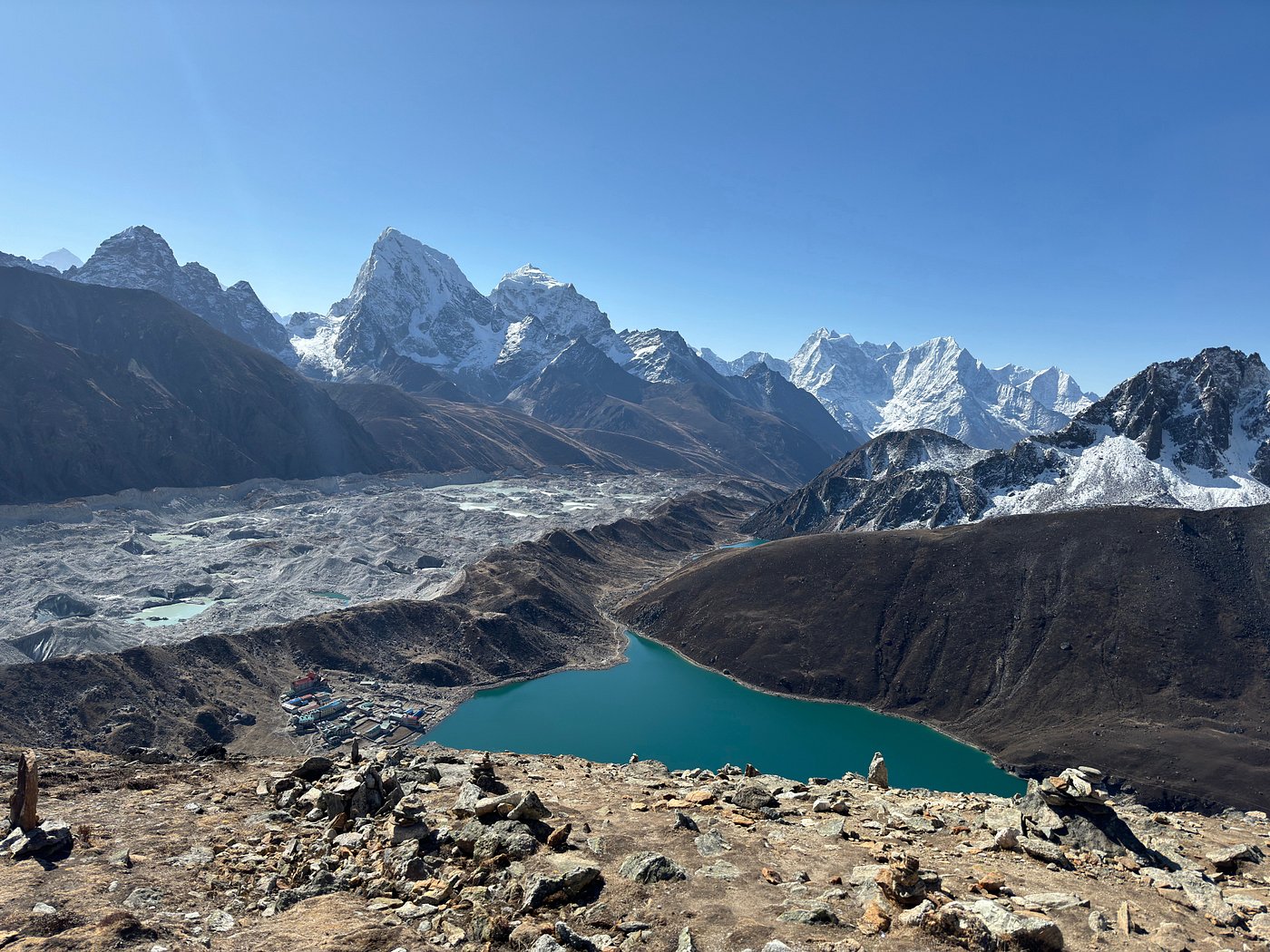
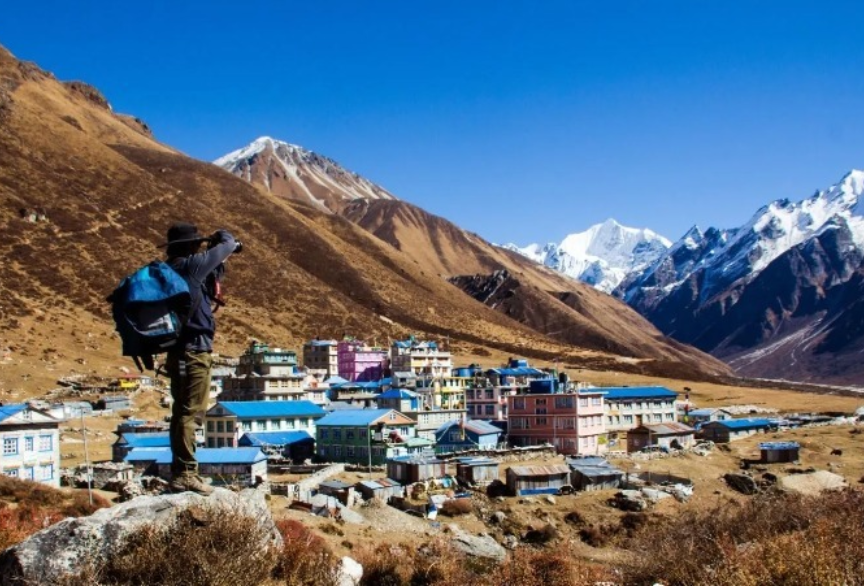


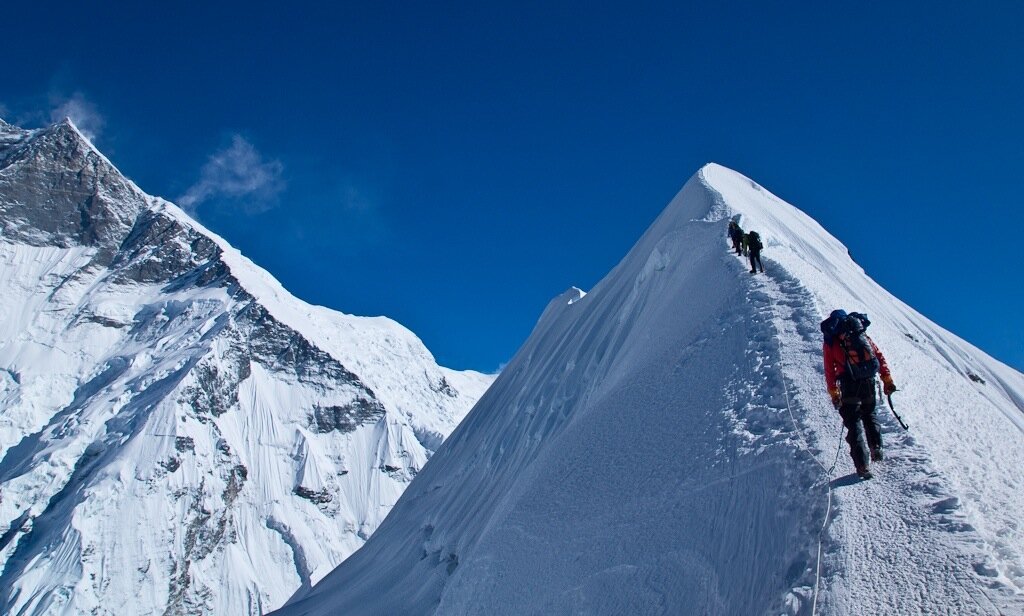
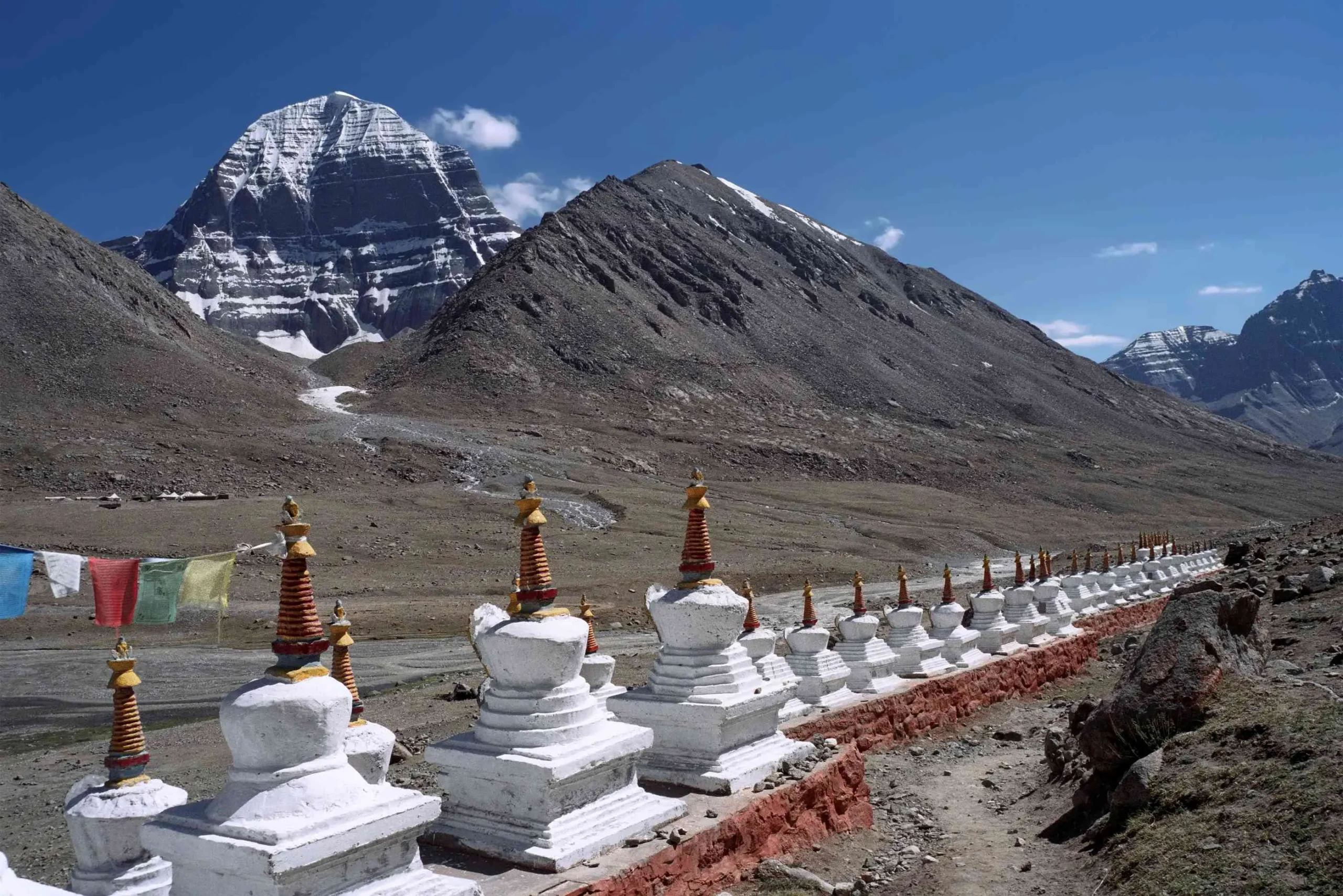


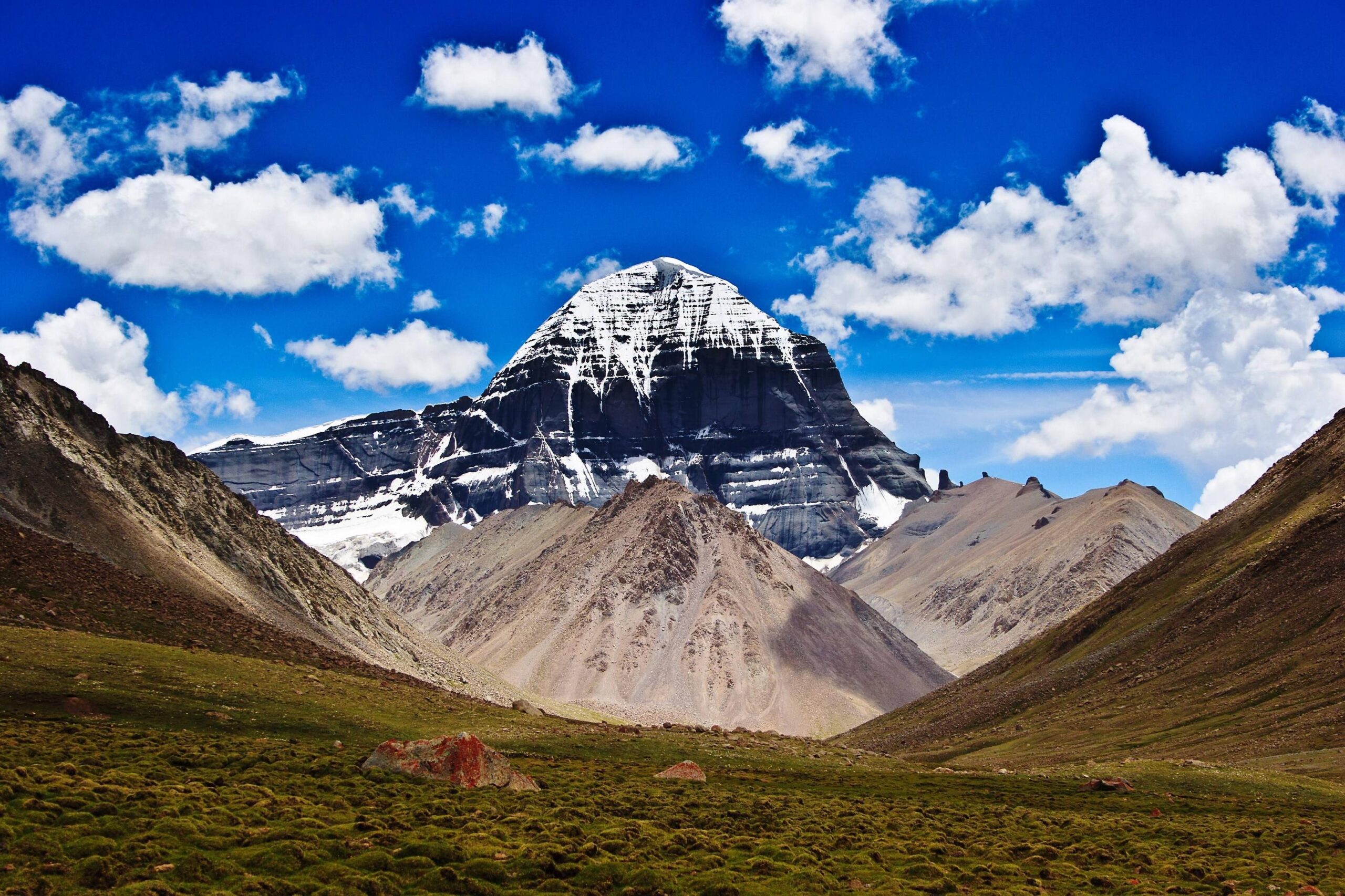
The Mount Kailash Tour from Nepal is one of the most profound spiritual and adventure journeys in the world, combining natural grandeur, sacred heritage, and cultural depth. This remarkable overland pilgrimage takes travelers from the vibrant city of Kathmandu across the high Himalayan landscapes into the remote Tibetan Plateau, home to the revered Mount Kailash (6,638 m) and the pristine Lake Mansarovar (4,590 m). Considered the spiritual center of the universe, Mount Kailash holds immense significance for Hindus, Buddhists, Jains, and Bon followers, each associating the sacred peak with divine power, enlightenment, and salvation. The journey not only offers an unparalleled spiritual awakening but also rewards travelers with breathtaking views of rugged mountain terrain, vast plateaus, and serene turquoise lakes. Traversing this ancient route is both a pilgrimage and an adventure, requiring endurance, devotion, and reverence for the sacred landscapes of Tibet. Whether you seek spiritual cleansing, cultural immersion, or the challenge of the high-altitude Kailash Kora, the Mount Kailash Tour from Nepal.
Why Choose the Mount Kailash Tour from Nepal?
- Scenic and Accessible Route: Traveling from Nepal via Kathmandu and Kerung offers gradual altitude gain, breathtaking Himalayan landscapes, and easier acclimatization.
- Seamless Logistics: We manage all permits, visas, and travel arrangements, ensuring a smooth journey into Tibet.
- Cultural Immersion: Experience a unique blend of Nepali and Tibetan spiritual cultures, including monasteries, prayer rituals, and local traditions.
- Flexible Route Options: Choose from Kerung (overland), Simikot-Hilsa, or Lhasa routes, depending on your comfort, adventure level, and time availability.
- Safety and Support: Experienced Nepali and Tibetan guides provide assistance with altitude, health, and navigation throughout the pilgrimage.
- Spiritual Significance: Undertake the Kailash Kora and visit Lake Mansarovar, one of the most revered spiritual journeys in the world.
Mount Kailash Tour Highlights
- Sacred Lake Mansarovar: Witness the crystal-clear waters of this holy lake, revered by Hindus, Buddhists, Jains, and Bon followers. Pilgrims often perform ritual baths here.
- Kailash Kora (Circumambulation): Complete the 52 km trek around Mount Kailash, a spiritually transformative journey for pilgrims.
- Dolma La Pass (5,630 m): Cross the highest point of the Kora trek, offering panoramic views of the mountain and surrounding Tibetan Plateau.
- Darchen Village: The base camp for the Kora trek, surrounded by Himalayan landscapes and traditional Tibetan settlements.
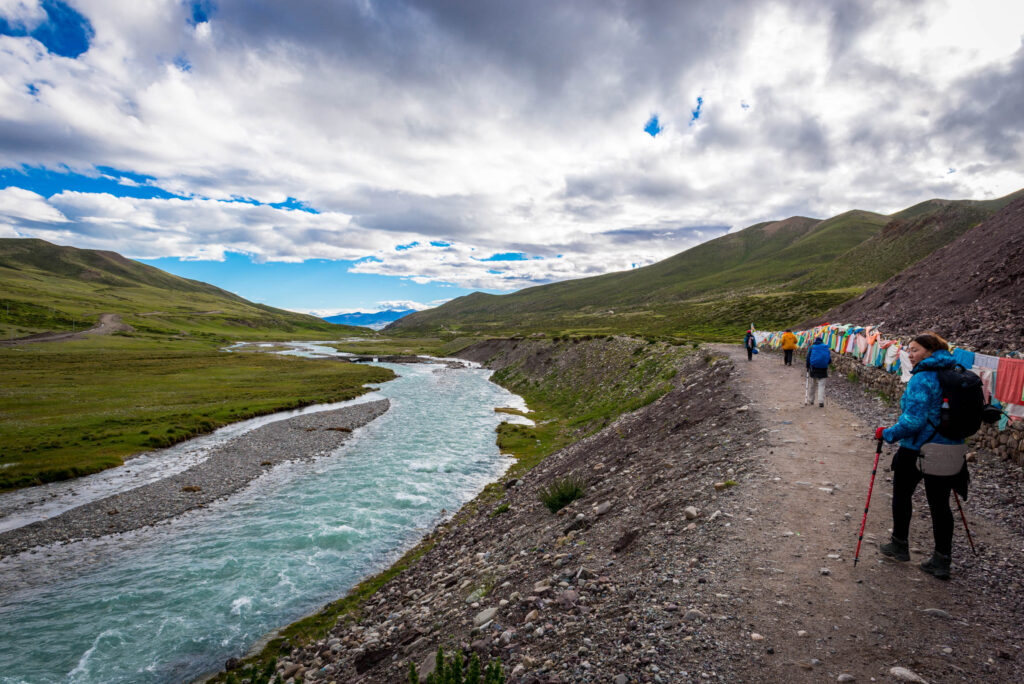
- Ancient Monasteries and Temples: Explore centuries-old Tibetan monasteries, prayer flags, and sacred shrines along the pilgrimage route.
- Yak Caravans and Tibetan Culture: Experience local nomadic life, traditional customs, and unique Himalayan flora and fauna.
- Panoramic Himalayan Landscapes: Enjoy breathtaking vistas of snow-capped peaks, glaciers, and high-altitude deserts.
- Spiritual Significance: Engage in rituals, prayers, and meditation at sacred sites, connecting deeply with the spiritual essence of Mount Kailash.
Required Permits and Travel Documents
Traveling to Mount Kailash from Nepal involves crossing into Tibet, a restricted region. All foreign visitors must obtain permits arranged through a licensed tour operator like Nepal Treks and Tour.
Key Permits Required:
- Chinese Group Visa: Issued by the Chinese Embassy in Kathmandu for group travel to Tibet.
- Tibet Travel Permit (TTP): Mandatory for entry into Tibet, provided by us.
- Alien’s Travel Permit: Required for restricted regions like Saga, Darchen, and Mount Kailash.
- Military and Foreign Affairs Permit: Special authorization for the Kailash Mansarovar region.
Important Notes:
- Independent travel is not allowed; all travelers must join an organized tour.
- Apply for permits at least 4–6 weeks in advance to ensure smooth processing.
- Always carry photocopies of your passport, visa, and permits during the journey.
- Nepal Treks and Tour handles all permit processing, ensuring hassle-free travel.
Best Time for Mount Kailash Tour from Nepal
Planning the Mount Kailash Tour from Nepal requires careful consideration of weather, road conditions, and altitude. The timing of your journey significantly impacts the safety, comfort, and spiritual experience of the pilgrimage.

Ideal Months to Visit
The best period to undertake the Mount Kailash pilgrimage is from May to September:
May to June (Spring Season):
- Weather: Clear skies, moderate temperatures, and minimal snow.
- Conditions: Roads and high passes like Dolma La Pass are accessible.
- Highlights: Blooming rhododendrons and lush green valleys along the route.
- Advantage: Perfect for photography and spiritual activities.
July to August (Monsoon Season):
- Weather: Mild temperatures but occasional rain showers, especially in the lower routes.
- Conditions: Some roads may be muddy, but the scenery is vibrant and fresh.
- Consideration: Avoid this period if you prefer dry roads and minimal travel disruptions.
September to Mid-October (Post-Monsoon / Autumn Season):
- Weather: Crystal-clear skies, low humidity, and pleasant temperatures.
- Conditions: Ideal for trekking the Kailash Kora and crossing Dolma La Pass.
- Advantage: Post-monsoon clarity provides stunning panoramic views of Mount Kailash and surrounding peaks.
Months to Avoid
Winter (November to April):
- Weather: Extremely cold temperatures at high altitudes (often below -20°C).
- Conditions: Snow can block roads, Dolma La Pass may be inaccessible, and accommodation options are limited.
- Risk: High chances of altitude sickness and travel disruptions.
Temperature and Climate Overview
| Season | Daytime Temp (°C) | Night Temp (°C) | Conditions |
|---|---|---|---|
| Spring (May–June) | 10–18°C | 0–5°C | Clear, sunny, mild weather, occasional rain in lower regions |
| Monsoon (July–August) | 12–20°C | 2–6°C | Rain showers, lush landscapes, muddy roads |
| Autumn (Sept–Oct) | 10–16°C | -2–4°C | Clear skies, excellent visibility, ideal trekking conditions |
| Winter (Nov–Apr) | -5–5°C | -15–-25°C | Harsh cold, snow-covered passes, high travel risk |
Travel Tips Based on Seasons
- Spring (May–June): Ideal for spiritual activities and photography. Carry light jackets with thermal layers for chilly mornings and evenings.
- Monsoon (July–August): Bring waterproof gear, trekking boots, and rain protection for luggage. Roads can be slippery.
- Autumn (September–October): Most recommended period for Mount Kailash Kora; minimal rainfall and clear skies.
- Winter (November–April): Only recommended for highly experienced travelers with specialized high-altitude gear; not suitable for standard pilgrims.
Acclimatization Considerations
The season also affects altitude acclimatization:
- Spring and autumn offer gradual temperature changes, making acclimatization easier.
- Monsoon may bring humidity, which can affect breathing at higher altitudes.
- Winter requires extra rest days due to extreme cold and thin oxygen at higher elevations.
For a balance of weather, road accessibility, spiritual experience, and photography, the best time for the Mount Kailash Tour from Nepal is September to early October. This period ensures clear skies, moderate temperatures, and a safe journey for both pilgrims and adventure travelers.
Sample 14-Day Mount Kailash Tour Itinerary from Nepal
Embark on a spiritual journey from Kathmandu to Mount Kailash and Lake Mansarovar with this expertly curated 14-day itinerary. This plan balances acclimatization, sightseeing, and pilgrimage, ensuring a safe and fulfilling experience.
| Day | Route & Activities | Highlights & Notes |
|---|---|---|
| Day 01: | Arrival in Kathmandu (1,400 m) | Airport pickup, pre-trip briefing, explore Pashupatinath Temple. Overnight in Kathmandu. |
| Day 02: | Kathmandu Sightseeing | Visit Boudhanath Stupa, Swayambhunath, and local markets. Prepare documents for Tibet permits. |
| Day 03: | Kathmandu to Syabrubesi (1,500–1,700 m) | Scenic drive through the Himalayan foothills. Overnight stay at local lodge. |
| Day 04: | Syabrubesi to Kerung (Tibet) | Cross Rasuwagadhi border, drive to Kerung/Gyirong. Acclimatization at moderate altitude. |
| Day 05: | Kerung to Saga (4,600 m) | Drive across the Tibetan Plateau. Witness high-altitude deserts and mountain ranges. Overnight at Saga. |
| Day 06: | Saga Rest Day | Acclimatization, light exploration of local villages, rest before reaching Darchen. |
| Day 07: | Saga to Lake Mansarovar (4,590 m) | Visit sacred Lake Mansarovar; pilgrims may perform ritual baths. Overnight near the lake. |
| Day 08: | Lake Mansarovar to Darchen (4,575 m) | Drive to the base of Mount Kailash. Prepare for the Kailash Kora. |
| Day 09: | Darchen to Dirapuk (13 km) | Begin the Kora trek. Trek to Dirapuk Monastery, view the North Face of Mount Kailash. Overnight at Dirapuk guesthouse. |
| Day 10: | Dirapuk to Zutulpuk via Dolma La Pass (5,630 m) | Cross the highest point of the Kora trek. Experience breathtaking views and spiritual energy. Overnight at Zutulpuk. |
| Day 11: | Zutulpuk to Darchen (16 km) | Complete the 52 km Kailash Kora. Return to Darchen for rest and reflection. |
| Day 12: | Darchen to Saga | Begin the return journey across the Tibetan Plateau. Overnight at Saga. |
| Day 13: | Saga to Kerung | Drive back toward the Nepal border. Overnight in Kerung/Gyirong. |
| Day 14: | Kerung to Kathmandu | Cross back into Nepal, drive to Kathmandu. Farewell dinner and cultural program. Departure preparations. |
Altitude and Acclimatization Tips
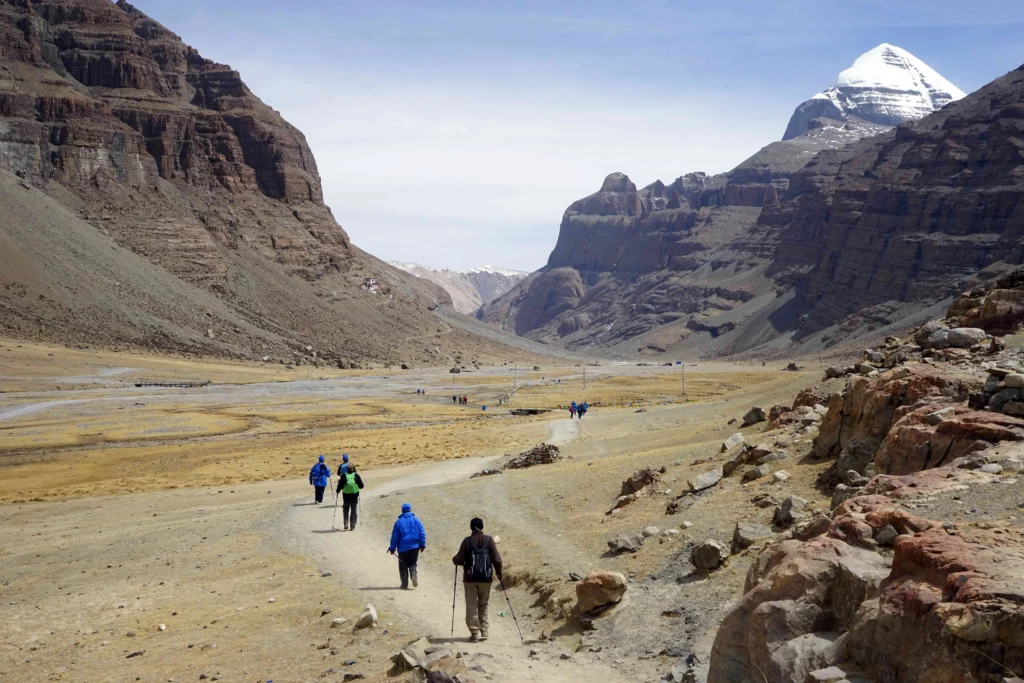
The Mount Kailash region lies at extremely high altitudes, ranging from 4,500 meters at Darchen to 5,630 meters at Dolma La Pass. Proper acclimatization is essential for a safe and enjoyable pilgrimage. High-altitude illness can affect anyone, regardless of physical fitness, so preparation and precautions are critical.
Understanding Altitude Challenges
- Altitude Sickness (Acute Mountain Sickness – AMS): Can occur above 2,500 meters and includes symptoms like headache, nausea, fatigue, and dizziness.
- High-Altitude Risks: Severe cases can lead to High Altitude Pulmonary Edema (HAPE) or High Altitude Cerebral Edema (HACE), which are life-threatening.
- Key Risk Factors: Rapid ascent, dehydration, strenuous activity, and inadequate acclimatization.
Recommended Acclimatization Strategy
- Gradual Ascent: Follow a structured itinerary like the 14-day plan that includes rest days at Saga (4,600 m) and Kerung (Tibet border).
- Climb High, Sleep Low: If possible, take short hikes to slightly higher altitudes during the day and return to lower altitudes to sleep.
- Monitor Symptoms: Pay attention to headaches, shortness of breath, or nausea. Inform your guide immediately if symptoms worsen.
Daily Acclimatization Tips
- Hydration: Drink at least 3–4 liters of water daily; avoid alcohol and excessive caffeine.
- Nutrition: Eat high-carbohydrate meals for energy; light, easily digestible food helps the body adjust.
- Rest: Avoid overexertion, especially during the first 48 hours at high altitude.
- Pacing: Maintain a slow and steady walking pace during the Kora and other treks.
Health & Safety Preparations
- Medication: Consult a doctor about acetazolamide (Diamox) for AMS prevention.
- Oxygen Support: Carry portable oxygen for emergencies, especially on Dolma La Pass.
- Warm Clothing: Temperatures can drop below -10°C at night; thermal layers are essential.
- Travel Insurance: Ensure your policy covers high-altitude trekking and emergency evacuation.
By following these acclimatization strategies and safety tips, pilgrims can enjoy the spiritual and scenic wonders of Mount Kailash without compromising health. Proper preparation ensures a safe, rewarding, and transformative journey.
Fitness and Difficulty Level
The Mount Kailash Tour from Nepal is a physically and mentally demanding pilgrimage due to high altitude, long travel distances, and rugged terrain. Understanding the fitness requirements and difficulty levels is essential for a safe and fulfilling journey.
Overall Difficulty Level
- Tour Type: Moderate to challenging
- Terrain: Combination of high-altitude plains, rugged paths, and steep mountain passes
- Highest Altitude: Dolma La Pass (5,630 m) during the Kailash Kora trek
- Duration of Walking: 10–16 km per day during the Kora; long driving days at moderate altitude
Expert Tip: The journey is more physically challenging than technically difficult. No advanced mountaineering skills are required, but endurance and preparation are essential.
Fitness Requirements
- Cardiovascular Endurance: Ability to walk 4–6 hours daily at moderate to high altitude
- Leg Strength: Required for ascending and descending passes, especially the Dolma La Pass
- Core Stability: Helps maintain balance on uneven trails
- Mental Preparedness: Patience and resilience are crucial for long travel days, altitude adjustment, and harsh weather
Recommended Fitness Preparation
- Cardio Exercises: Hiking, jogging, cycling, or treadmill workouts 3–5 times per week for 8–12 weeks before the tour.
- Strength Training: Focus on legs, glutes, and core using squats, lunges, and planks.
- Stair or Hill Training: Practice ascending and descending stairs or nearby hills with a backpack to simulate trekking conditions.
- Flexibility & Balance: Yoga or stretching exercises to prevent injuries and improve stamina.
- Endurance Practice: Go for multi-hour hikes at gradually increasing altitudes, if possible.
Tour Segments by Difficulty
| Segment | Difficulty | Notes |
|---|---|---|
| Kathmandu to Kerung | Easy | Mostly driving with scenic stops |
| Saga to Lake Mansarovar | Moderate | High-altitude driving with short walks |
| Darchen to Dirapuk (Kora Day 1) | Moderate | 13 km trek, gradual ascent |
| Dirapuk to Zutulpuk via Dolma La Pass | Challenging | 12–14 km trek at 5,630 m, requires endurance |
| Zutulpuk to Darchen | Moderate | Descending trek, less strenuous |
| Return to Kathmandu | Easy | Long drive, mostly at lower altitudes |
The Mount Kailash Tour from Nepal is suitable for travelers with moderate fitness, a spirit of adventure, and mental resilience. With proper preparation, anyone with good health can safely complete the pilgrimage and enjoy a life-changing spiritual experience.
Accommodation and Meals
Traveling to the Mount Kailash region requires careful planning for comfortable accommodation and nutritious meals, as options are limited due to high-altitude and remote locations. Nepal Treks and Tour ensures that travelers have safe, clean, and culturally authentic stays throughout the journey.
Accommodation Overview
Kathmandu:
- 3-star or 4-star hotels with comfortable beds, hot showers, and Wi-Fi.
- Examples: Thamel area hotels or similar centrally located accommodations.
Tibet (Kerung, Saga, Darchen, Dirapuk, Zutulpuk):
- Basic guesthouses and lodges with shared or private rooms.
- Facilities may include heaters, blankets, and western-style or squat toilets.
- The priority is safety, cleanliness, and warmth, rather than luxury.
Lake Mansarovar:
- Simple lodges or guesthouses near the lake.
- Spectacular views of the lake and surrounding mountains; limited modern facilities.
Meals and Dining
Kathmandu:
- Wide variety of Nepali, Tibetan, and continental meals available.
- Options for vegetarian and non-vegetarian diets.
Tibet (Kerung to Darchen):
- Meals typically include Tibetan staples: noodles, rice, tsampa (roasted barley), vegetables, soups, and momo (dumplings).
- Breakfast: Porridge, eggs, bread, or Tibetan butter tea.
- Lunch & Dinner: Steamed or fried rice, vegetables, lentils, and local meat dishes.
Hydration:
- Drink plenty of water to prevent dehydration at high altitudes.
- Carry electrolyte tablets to replenish minerals lost through sweating.
Dietary Considerations
- Vegetarian and vegan options are available but should be informed in advance.
- Carry energy bars, dry fruits, and snacks for long trekking days, especially during the Kailash Kora.
- Avoid raw salads or street food in high-altitude regions to prevent stomach issues.
While accommodations in the Mount Kailash region are basic, they are safe, clean, and functional. Combined with nutritious meals and proper hydration, they ensure a comfortable journey that allows pilgrims to focus on the spiritual and scenic wonders of the region.
Essential Packing List
Packing wisely is crucial for a comfortable and successful Mount Kailash Tour from Nepal. The region’s high altitude, unpredictable weather, and remote conditions demand the right combination of clothing, trekking gear, personal essentials, and travel documents.
Nepal Treks and Tour recommends the following comprehensive list to ensure you are fully prepared.
Clothing Essentials
Layering is the key to staying warm and adaptable during the journey. Temperatures can vary from 30°C in the valleys to below freezing at high passes.
Base Layers:
- 2–3 pairs of thermal tops and bottoms
- Lightweight, moisture-wicking shirts
Mid Layers:
- 2 fleece jackets or wool sweaters
- Insulated jacket for warmth during evenings
Outer Layers:
- Waterproof and windproof jacket
- Trekking pants (convertible preferred)
- Down jacket (for sub-zero temperatures at Dolma La Pass)
Accessories:
- Warm hat, sun hat, and scarf
- Woolen gloves and liner gloves
- Woolen socks (4–5 pairs)
- Comfortable trekking shoes (well broken-in)
- Camp shoes or sandals for relaxation
Trekking and Travel Gear
- Durable day backpack (30–40L) for daily essentials
- Duffel bag (provided by Nepal Treks and Tour for main luggage transport)
- Trekking poles for balance and reduced knee strain
- Sleeping bag rated to -10°C or lower
- Headlamp or flashlight with extra batteries
- Water bottles or hydration bladder (2–3 liters capacity)
- Sunglasses with UV protection
- Quick-dry towel
- Lightweight blanket or sleeping liner (optional but useful in guesthouses)
Personal Care and Health Items
- Sunscreen (SPF 50+) and lip balm with SPF
- Wet wipes and biodegradable soap
- Hand sanitizer and personal hygiene items
- First-aid kit (bandages, antiseptic, painkillers)
- Altitude medication (e.g., Diamox – consult your doctor)
- Water purification tablets or filter bottle
- Moisturizing cream for dry skin at altitude
Food and Hydration
- Energy bars, nuts, trail mix, and chocolates
- Instant noodles or soup sachets for high-altitude snacking
- Rehydration salts and electrolyte tablets
- Thermos flask for warm drinks
Important Travel Documents
- Valid passport (with at least 6 months validity)
- Chinese Group Visa and Tibet Travel Permit (arranged by Nepal Treks and Tour)
- Mount Kailash Trekking Permit
- Travel and medical insurance covering high-altitude evacuation
- 2–3 passport-size photos for permits and documents
- Copies of all important documents (keep one digital copy as backup)
Electronics and Accessories
- Mobile phone and power bank (10,000–20,000 mAh minimum)
- Universal travel adapter
- Extra memory cards and camera batteries
- Small solar charger (useful in remote areas)
Optional but Useful Items
- Lightweight book or e-reader
- Prayer flags or offerings for spiritual ceremonies
- Small binoculars for wildlife and scenic views
- Reusable shopping bag for waste management
A well-organized packing list ensures you are comfortable, safe, and self-sufficient during the high-altitude journey to Mount Kailash. By bringing the right gear and essentials, you’ll be fully prepared to enjoy the spiritual serenity and majestic beauty of this sacred pilgrimage.
Cultural and Spiritual Etiquette
The Mount Kailash Tour is not just a physical journey—it’s a deeply spiritual pilgrimage that holds immense religious significance for Hindus, Buddhists, Jains, and Bon practitioners. Respecting local customs, beliefs, and sacred traditions is essential for maintaining harmony and making your experience more meaningful.
Nepal Treks and Tour encourages all travelers to approach the journey with cultural sensitivity and spiritual reverence.
Understanding the Spiritual Significance
- For Hindus: Mount Kailash is believed to be the abode of Lord Shiva, representing ultimate liberation (Moksha).
- For Buddhists: It symbolizes Mount Meru, the cosmic center of the universe.
- For Jains: It’s the site where Tirthankara Rishabhadeva attained enlightenment.
- For Bon followers: The mountain represents the spiritual heart of ancient Zhang Zhung civilization.
Note: The mountain itself is considered so sacred that climbing it is strictly forbidden. Circumambulation (known as the Kora) is the ultimate act of devotion.
Respectful Behavior During the Journey
- No Climbing Mount Kailash: Respect the belief that the peak is a divine space; only circumambulation is permitted.
- Walk Clockwise (Hindus & Buddhists): Always move in a clockwise direction around sacred sites, stupas, and monasteries. Bon followers walk counter-clockwise.
- No Loud Talking or Music: Maintain silence or speak softly around monasteries, prayer flags, or meditation areas.
- Photography: Ask permission before photographing monks, pilgrims, or prayer ceremonies. Avoid taking pictures of sacred shrines unless permitted.
Dress Code and Modesty
- Wear modest, respectful clothing—shoulders and knees should be covered at all times.
- Avoid revealing attire or bright flashy colors during religious visits.
- Remove hats and sunglasses inside temples or monasteries.
Temple and Monastery Etiquette
- Always circumambulate clockwise around stupas or shrines.
- Never point your feet towards a Buddha statue or prayer altar.
- Do not touch religious objects, statues, or scriptures unless invited to do so.
- Offer a small donation or butter lamp as a gesture of respect when visiting monasteries.
Interaction with Locals and Pilgrims
- Greet with respect: A smile or a slight bow with folded hands (saying “Tashi Delek” or “Namaste”) is appreciated.
- Avoid public displays of affection in sacred areas.
- Be patient and polite during border crossings and local checks—cultural diplomacy goes a long way.
- Show compassion towards Tibetan nomads and local traders; buying local products supports their livelihood.
Environmental and Ethical Responsibility
- Leave no trace: Do not litter or leave offerings made of plastic or synthetic materials.
- Avoid using soap or detergents near sacred lakes, especially Lake Mansarovar.
- Carry reusable bottles and minimize plastic use to preserve the pristine ecosystem.
The Mount Kailash Tour from Nepal is a sacred experience that transcends physical travel. By following local cultural and spiritual etiquette, you not only show respect to centuries-old traditions but also enhance your own spiritual connection and inner peace throughout this transformative journey.
Safety and Travel Insurance
Safety is the highest priority during the Mount Kailash Tour from Nepal, as this journey involves remote high-altitude terrain, long driving distances, and extreme weather conditions. Ensuring proper travel insurance coverage and following safety protocols is essential for a secure and worry-free pilgrimage.
At Nepal Treks and Tour, we prioritize the well-being of every traveler through expert planning, safety monitoring, and professional support throughout the trip.
General Safety Overview
The Mount Kailash route, while spiritually rewarding, presents several natural and logistical challenges:
- High altitude: The tour reaches up to 5,630 meters at Dolma La Pass, where oxygen levels are significantly lower.
- Remote location: Medical facilities are limited in Tibet, especially between Saga, Mansarovar, and Darchen.
- Weather conditions: Temperatures can drop below freezing at night and sudden snowstorms may occur even in summer.
- Long driving hours: Rough terrain and mountain roads require experienced Tibetan drivers and well-maintained vehicles.
Expert Note: Nepal Treks and Tour operates with highly experienced guides, trained support staff, and emergency protocols to ensure travelers’ safety in all conditions.
Health and Safety Precautions
- Acclimatization: Follow the planned itinerary that includes gradual altitude gain and rest days to reduce AMS risk.
- Hydration & Diet: Drink 3–4 liters of water daily and consume high-energy foods.
- Medical Check-up: Undergo a full health assessment before departure, especially for heart or lung conditions.
- Emergency Oxygen: Oxygen cylinders and first-aid kits are provided by Nepal Treks and Tour during the journey.
- Communication: Satellite or mobile communication devices are available for emergency contact.
Essential Travel Insurance Requirements
- Every participant must have a comprehensive travel insurance policy that covers the unique conditions of the Mount Kailash region. Your insurance should include:
- High-altitude coverage (above 5,000 meters)
- Emergency evacuation and helicopter rescue (from Tibet or Nepal side)
- Medical treatment and hospitalization
- Trip cancellation or interruption
- Loss or damage of luggage or personal effects
- Repatriation coverage in case of medical emergencies
Not all insurance companies offer coverage for Tibet or high-altitude trekking. Always verify your policy details and provide a copy to Nepal Treks and Tour before the trip.
Choosing the Right Insurance Provider
- When selecting travel insurance, ensure the company:
- Has experience covering trekking and expeditions in Nepal and Tibet.
- Offers global emergency assistance services with 24/7 support.
- Recommended insurers (for reference only):
- World Nomads
- Allianz Travel Insurance
- AXA Assistance
- InsureMyTrip
- (Note: Always read the policy terms carefully to confirm it covers Tibet and high-altitude trekking.)
Safety Commitment by Nepal Treks and Tour
- Experienced Nepali and Tibetan guides trained in first aid and altitude management.
- Regular monitoring of traveler health and oxygen levels.
- Use of modern, well-equipped vehicles for mountain terrain.
- Strong coordination with local authorities and medical facilities for any emergency support.
- 24/7 emergency contact assistance from our Kathmandu office.
The Mount Kailash Tour from Nepal is a rewarding yet challenging journey. With the right travel insurance coverage, proper preparation, and safety guidance from Nepal Treks and Tour, travelers can embark on this sacred pilgrimage with complete peace of mind, knowing they are well-protected in all circumstances.
The Mount Kailash Tour from Nepal is far more than a journey—it’s a sacred odyssey that unites spirituality, adventure, and self-discovery. As travelers traverse the breathtaking landscapes from Kathmandu to the Tibetan Plateau, they not only witness the majestic beauty of the Himalayas but also experience the deep spiritual resonance of one of the world’s most revered destinations. The Kailash Kora and the serene Lake Mansarovar serve as powerful symbols of purification, devotion, and renewal, attracting pilgrims and explorers alike from around the globe. While the high-altitude environment presents physical challenges, the journey’s rewards—spiritual peace, cultural enrichment, and awe-inspiring natural beauty—are immeasurable. With expert guidance from Nepal Treks and Tour, travelers can embark on this once-in-a-lifetime pilgrimage with safety, comfort, and cultural insight. Ultimately, the Mount Kailash Tour from Nepal is not just about reaching a destination—it’s about awakening the soul amidst the timeless serenity of the Himalayas.
Mount Kailash Tour from Nepal – Frequently Asked Questions (FAQs)
Q: What is the Mount Kailash Tour from Nepal?
A: The Mount Kailash Tour from Nepal is a spiritual overland journey that takes pilgrims and travelers from Kathmandu to Mount Kailash and Lake Mansarovar in Tibet. The journey involves crossing the Nepal–Tibet border at Rasuwa Gadhi, then continuing across the Tibetan Plateau to reach the sacred sites of Mansarovar Lake (4,590m) and Mount Kailash (6,638m). It is a pilgrimage revered by Hindus, Buddhists, Jains, and Bon followers.
Q: Why is Mount Kailash considered sacred?
A: Mount Kailash is believed to be the abode of Lord Shiva and Goddess Parvati in Hinduism. For Buddhists, it represents Mount Meru, the center of the universe. Jains believe it to be the site where Rishabhadeva, their first Tirthankara, attained liberation, while Bon followers regard it as the spiritual seat of power. Circumambulating the mountain (Kora or Parikrama) is believed to wash away one’s sins and bring spiritual enlightenment.
Q: What is the best time to visit Mount Kailash from Nepal?
A: The best time for the Mount Kailash Tour is from May to September, when the weather is relatively stable, the roads are open, and the skies are clear. During this period, temperatures are moderate and suitable for high-altitude travel. The Saga Dawa Festival (usually in May or June) is a particularly auspicious time to visit.
Q: Do I need special permits to visit Mount Kailash?
A: Yes. Traveling to Tibet requires several permits, including:
- Chinese Group Visa (obtained in Kathmandu)
- Tibet Travel Permit
- Alien Travel Permit (for restricted regions like Ngari)
- Military Permit (for border zones)
These permits are arranged by Nepal Treks and Tour, as independent travel in Tibet is not permitted.
Q: How difficult is the Mount Kailash Kora (Parikrama)?
A: The Mount Kailash Kora is moderately challenging, covering 52 km over three days at high altitudes (up to 5,630m at Dolma La Pass). While it does not require technical climbing, it demands good physical fitness, mental endurance, and proper acclimatization.
Q: What type of accommodation is available during the tour?
A: Accommodation during the Mount Kailash Tour varies by location:
- Kathmandu: Comfortable 3–5 star hotels
- Tibet (Kerung, Saga, Darchen, etc.): Basic guesthouses or lodges
- During Kora (Dirapuk & Zutulpuk): Simple monastery guesthouses or dormitories
Facilities are basic but clean and adequate for pilgrims, with limited heating and shared toilets.
Q: What kind of meals are provided during the journey?
A: Meals include simple vegetarian and non-vegetarian dishes such as rice, soup, noodles, vegetables, bread, and tea. In remote areas, meals may be prepared by the support crew. Carrying some ready-to-eat foods, snacks, or energy bars is highly recommended.
Q: What are the altitude and acclimatization concerns?
A: The tour reaches altitudes above 4,500 meters, and the Dolma La Pass stands at 5,630 meters. Gradual ascent, adequate rest, and proper hydration help with acclimatization. Travelers are advised to consult a doctor before the trip and may carry Diamox (Acetazolamide) for altitude sickness prevention.
Q: Do I need travel insurance for the Mount Kailash Tour?
A: Yes, comprehensive travel insurance covering high-altitude trekking, emergency evacuation, and medical expenses is mandatory. The remote nature of the region makes evacuation costly, so ensure your insurance includes air evacuation up to 6,000 meters.
Q: What should I pack for the Mount Kailash Tour?
A: Essential items include:
- Warm layered clothing (thermal wear, fleece, down jacket)
- Comfortable trekking shoes
- Sunglasses, gloves, hat, and sunscreen
- Reusable water bottle, trekking poles
- Sleeping bag (rated for –10°C)
- Basic medicines and a first-aid kit
- Portable oxygen canisters (optional)
Q: Can I perform a dip in Lake Mansarovar?
A: Yes, pilgrims can take a holy dip in Lake Mansarovar, which is considered purifying and spiritually significant. However, caution is advised as the water is extremely cold, and bathing should be brief to avoid hypothermia.
Q: What is the duration of the Mount Kailash Overland Tour?
A: The standard Mount Kailash Overland Tour from Nepal lasts 13 to 15 days, including acclimatization days in Kathmandu and Tibet, the journey to Mansarovar, and the 3-day Kora around Mount Kailash.
Q: Is the tour suitable for elderly or unfit travelers?
A: Elderly pilgrims can join the tour if they are in good health and physically prepared. For those unable to complete the Kora on foot, horse and porter services are available for an additional cost. However, a medical consultation before the trip is highly recommended.
Q: Is photography allowed at Mount Kailash?
A: Photography is allowed in most areas, including Lake Mansarovar. However, taking photos of military zones, border areas, and certain religious sites is strictly prohibited. Always follow your guide’s advice regarding photography rules.
Q: Why choose the Mount Kailash Tour from Nepal?
Starting the journey from Nepal offers multiple advantages:
- Easier access to Tibet via the Rasuwagadhi border
- Better acclimatization due to gradual ascent
- Opportunity to explore Kathmandu’s spiritual landmarks
- Well-organized logistics and an experienced Nepali–Tibetan support crew
If you need any further information, please feel free to contact us via email at [email protected] or by phone/WhatsApp at +977-9851013072.