
The Makalu Base Camp Trek is a remote Himalayan trekking adventure in eastern Nepal that leads to the base camp of Mount Makalu, the world’s fifth-highest mountain. The trek offers dramatic mountain scenery, untouched wilderness, rich biodiversity, and authentic off-the-beaten-path trekking experiences.

Makalu Base Camp Trek 2026 Complete Guide
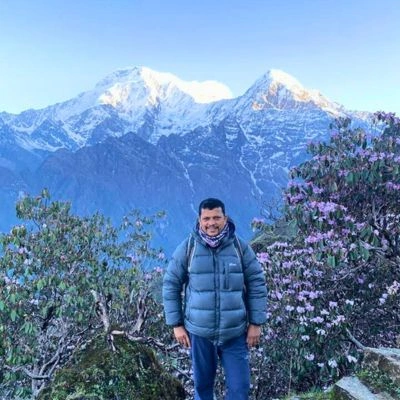
Far away from the crowded Everest trails and busy Annapurna tea houses lies one of Nepal’s most untouched trekking experiences the Makalu Base Camp Trek. This incredible Himalayan journey takes you deep into the remote Makalu Barun Valley, where massive cliffs, ancient forests, glacial rivers, and towering snow peaks create one of the most dramatic landscapes in the Himalayas.
Unlike commercial trekking routes, Makalu feels wild and raw. Some days you may walk for hours without seeing another trekking group. Small villages, hanging bridges, yak pastures, and silent valleys make this trek feel like stepping into a forgotten Himalayan world.
If you are searching for a true off-the-beaten-path adventure in Nepal, the Makalu Base Camp Trek is one of the most rewarding journeys you can experience.
Why Choose the Makalu Base Camp Trek?
Makalu Base Camp Trek is perfect for trekkers who want something remote, peaceful, and genuinely adventurous. The trail passes through the beautiful Makalu Barun National Park, one of Nepal’s richest biodiversity regions with rare wildlife, rhododendron forests, waterfalls, and dramatic alpine scenery.
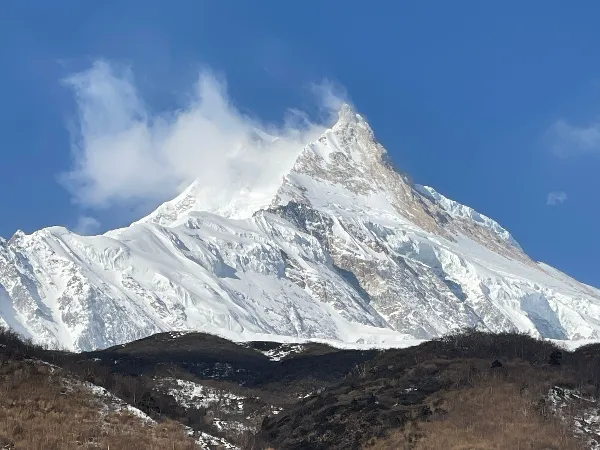
The biggest highlight is the incredible mountain panorama. During the trek, you can see Mount Makalu (8,485m), the fifth-highest mountain in the world, along with Everest, Lhotse, Chamlang, and Baruntse.
Unlike Everest Base Camp, this trail still feels untouched by mass tourism. The experience is quieter, more authentic, and deeply connected to nature.
Where Is Makalu Base Camp?
Makalu Base Camp lies in eastern Nepal inside the Makalu Barun National Park near the border of Tibet. The region is extremely remote and less developed compared to other trekking areas in Nepal.
Most trekkers first travel to Tumlingtar before driving to Num, which is the starting point of the trek. From there, the trail climbs through forests, valleys, and high mountain landscapes toward Makalu Base Camp at 4,870 meters.
Makalu Base Camp Trek Overview
| Trek Feature | Details |
|---|---|
| Trek Duration | 17–18 Days |
| Maximum Altitude | 4,870m |
| Trek Difficulty | Challenging |
| Region | Eastern Nepal |
| Best Seasons | Spring & Autumn |
| Accommodation | Basic Tea Houses |
| Permits Required | Makalu National Park Permit & TIMS |
| Transportation | Flight + Jeep or Long Drive |
| Suitable For | Experienced & Fit Trekkers |
Detailed Makalu Base Camp Trek Itinerary
Day 1 | Kathmandu → Tumlingtar → Num
Your journey to the Makalu region begins with either a flight or a long drive to Tumlingtar, a gateway town in eastern Nepal. The flight option is much faster and more comfortable, while the drive takes around 14–16 hours through hills and river valleys. From Tumlingtar, you continue by jeep to Num, a hillside village that marks the real start of the trek. You’ll notice the landscape changing quickly as you move from lowland towns into remote mountain terrain.
Day 2 | Num → Seduwa
The trekking begins properly with a descent followed by a steady climb toward Seduwa. The trail passes through terraced farmland, small settlements, and dense greenery. You also enter the Makalu Barun National Park area here, so permits are checked. It’s a moderate day of about 5 hours, giving you your first real taste of rural eastern Nepal trekking life.
Day 3 | Seduwa → Tashigaon
Today’s trail continues through quiet villages, forest paths, and gradually rising terrain. Tashigaon is an important Sherpa village and the last major settlement before the high passes. The climb becomes steeper toward the end, and the environment feels more remote. It’s another 5-hour trekking day focused on steady altitude gain.
Day 4 | Tashigaon → Khongma Danda
This is one of the more challenging early days as you climb sharply into alpine terrain. The trail is steep and physically demanding, but the scenery improves dramatically with rhododendron forests and ridge views. Khongma Danda sits at a higher altitude, so this day also helps with acclimatization before crossing higher passes.
Day 5 | Khongma Danda → Dobato
You move along scenic ridges and high trails with wide Himalayan views on clear days. This section includes ups and downs across rocky paths, making it moderately difficult. Dobato is a quiet stop surrounded by wilderness, offering a peaceful overnight stay in a remote alpine setting.
Day 6 | Dobato → Yangle Kharka
Today you descend into the Barun Valley, and the landscape changes significantly. Forests become denser and river sounds grow stronger as you approach Yangle Kharka. The trail is long, around 7 hours, but less technical compared to previous days. Yangle Kharka is a beautiful meadow area surrounded by mountains.
Day 7 | Acclimatization Day (Yangle Kharka)
This rest day is important for adjusting to higher altitude. You can take short walks around the valley, explore nearby trails, or simply rest. Proper hydration and slow movement are key to preparing for higher elevations ahead.
Day 8 | Yangle Kharka → Shiva Dhara → Yangle Kharka
A side excursion takes you toward Shiva Dhara, a sacred waterfall area believed to have spiritual significance. The trail is adventurous and includes rocky sections. After exploring the site, you return to Yangle Kharka for the night. This helps your body stay acclimatized while still gaining experience of the region.
Day 9 | Yangle Kharka → Langmale Kharka
The trail gradually climbs deeper into the upper Barun Valley. Vegetation becomes thinner, and mountain scenery becomes more dramatic. It’s a steady 6–7 hour walk with increasing altitude, bringing you closer to the high Himalayas.
Day 10 | Langmale Kharka → Makalu Base Camp
This is one of the most anticipated days of the trek. The trail leads you to Makalu Base Camp, surrounded by glaciers and towering peaks. The environment becomes completely alpine, with cold winds and dramatic landscapes. Reaching base camp is a major highlight of the entire journey.
Day 11 | Explore Makalu Base Camp
You spend the day exploring the base camp area, enjoying panoramic views of Makalu and surrounding peaks. Short hikes around the glacier zones offer incredible photography opportunities and a real sense of isolation in the Himalayas.
Day 12 | Makalu Base Camp → Yangle Kharka
You begin the return journey, retracing your steps back down the valley. Although it is mostly downhill, it is still a long trekking day of around 7 hours. You return to Yangle Kharka for rest.
Day 13 | Yangle Kharka → Dobato
The descent continues through familiar terrain. As you move lower, oxygen levels improve and walking becomes easier. The forests and ridges feel different now as you pass them on the return journey.
Day 14 | Dobato → Khongma Danda
You climb and descend along ridge paths again, heading back toward Khongma Danda. The terrain remains remote, but physically you may feel stronger due to better acclimatization.
Day 15 | Khongma Danda → Seduwa
A long descent takes you back into lower forests and villages. The air becomes warmer and more humid as you leave the high mountains behind.
Day 16 | Seduwa → Tumlingtar
This is the final trekking day, passing through rural settlements and farmland before reaching Tumlingtar. It marks the end of the trekking portion of your adventure.
Day 17 | Tumlingtar → Kathmandu
You either take a flight or begin the long drive back to Kathmandu, returning from the remote Makalu region to the capital city and concluding your trek.
How Difficult Is the Makalu Base Camp Trek?
Makalu Base Camp Trek is considered a challenging trek. The route includes steep ascents, long walking days, remote mountain terrain, and high altitude conditions.
Trekkers should be physically fit and comfortable walking 6–8 hours daily. Previous trekking experience is highly recommended because the trail is more isolated than Everest or Annapurna.
Altitude can also become difficult above 4,000 meters. Proper acclimatization and slow pacing are extremely important during this trek.
Best Time for Makalu Base Camp Trek
Spring and autumn are the best seasons for Makalu trekking.
From March to May, rhododendron forests bloom beautifully while mountain visibility remains excellent. Temperatures are moderate and the valleys look vibrant and green.
From September to November, skies are usually clear with stable weather and excellent Himalayan views. This is the most popular trekking season in Nepal.
Winter trekking is possible but temperatures become extremely cold at higher elevations. Monsoon season brings heavy rainfall, landslides, and slippery trails.
Food, Accommodation & Internet on the Trek
Accommodation on the Makalu trek is basic compared to Everest and Annapurna. Tea houses provide simple twin-sharing rooms with blankets and shared toilets.
Food options usually include dal bhat, noodles, soup, potatoes, fried rice, tea, coffee, and basic snacks. Higher up the trail, menu choices become more limited because supplies are carried by porters or mules.
Electricity and charging facilities are available in some villages but not everywhere. Internet and mobile network coverage are extremely limited in remote sections.
This trek is ideal for travelers wanting a genuine wilderness experience rather than luxury comfort.
Permits Required for Makalu Base Camp Trek
Trekkers need several permits for the Makalu region.
You will require the Makalu Barun National Park Entry Permit and a TIMS card. Trekking with a registered guide is highly recommended because of the remote terrain and limited rescue access.
Permit regulations can sometimes change, so checking updated rules before trekking is important.
Altitude and Acclimatization Tips
Altitude sickness is a serious concern during the Makalu Base Camp Trek because the route climbs close to 5,000 meters.
Walking slowly, staying hydrated, eating properly, and allowing enough acclimatization time are extremely important. Many trekkers underestimate how physically demanding this region can feel due to its remoteness and steep terrain.
If symptoms like headache, nausea, or dizziness become severe, descending immediately is the safest option.
Transportation to Makalu Region
Most trekkers fly from Kathmandu to Tumlingtar before continuing by jeep to Num. Flights are short but weather delays can happen, especially during bad conditions.
Driving from Kathmandu is also possible, but the journey is very long and tiring. Road conditions in eastern Nepal can be rough in some sections.
Because transportation is less developed here, flexibility is important when planning your itinerary.
Packing List for Makalu Base Camp Trek
Warm layered clothing is essential because temperatures change dramatically between lower valleys and high mountain areas.
A quality sleeping bag, waterproof jacket, trekking boots, trekking poles, headlamp, gloves, sunglasses, and water purification system are highly recommended.
Since tea house facilities are basic, carrying extra batteries, power banks, snacks, and personal medicine is very useful.
Cost of Makalu Base Camp Trek
Makalu Base Camp Trek usually costs more than standard tea house treks because of transportation logistics and remoteness.
For guided packages, prices typically range between USD 1,700 and USD 2,800 depending on group size, transportation type, accommodation standards, and services included.
Independent trekking is possible but less common due to difficult logistics and limited infrastructure.
Why Makalu Is Different From Everest & Annapurna
Makalu offers a very different trekking experience compared to Nepal’s popular routes. Everest and Annapurna provide easier logistics, better infrastructure, and more comfort facilities.
Makalu, however, offers something increasingly rare in modern trekking — true wilderness. The silence, isolation, untouched landscapes, and raw Himalayan beauty create a deeper sense of adventure.
For many experienced trekkers, Makalu feels like the Nepal trekking experience that Everest once was decades ago.
Conclusion
The Makalu Base Camp Trek is one of Nepal’s most extraordinary Himalayan adventures. It combines remote mountain wilderness, rich biodiversity, dramatic scenery, and authentic trekking experiences far away from crowded tourist trails.
This trek is not the easiest route in Nepal, but for adventurous travelers searching for solitude and raw Himalayan beauty, Makalu delivers an unforgettable journey.
If you want to experience Nepal beyond Everest and Annapurna, the Makalu region may become your favorite trek in the Himalayas.
FAQs
How difficult is the Makalu Base Camp Trek?
Makalu Base Camp Trek is considered challenging because of its remote terrain, steep ascents, long trekking days, and high altitude conditions.
How long is the Makalu Base Camp Trek?
Most itineraries take around 17–18 days including transportation and acclimatization days.
What is the altitude of Makalu Base Camp?
Makalu Base Camp sits at approximately 4,870 meters above sea level.
Is Makalu Base Camp Trek crowded?
No. Makalu is one of Nepal’s least crowded trekking routes and offers a peaceful wilderness experience.
What permits are needed for Makalu Trek?
Trekkers need the Makalu Barun National Park Permit and TIMS card.
What is the best season for Makalu Base Camp Trek?
Spring (March to May) and autumn (September to November) are the best seasons for stable weather and clear mountain views.
Is internet available during the trek?
Internet and mobile connectivity are very limited in the Makalu region, especially at higher elevations.
Need Help? Call Us

Need Help? Call Us+9779851013072