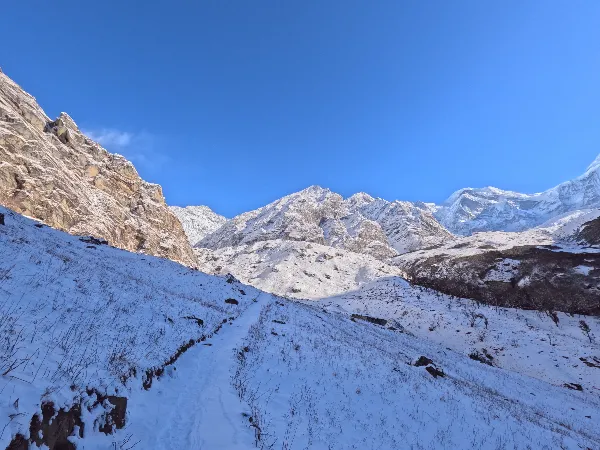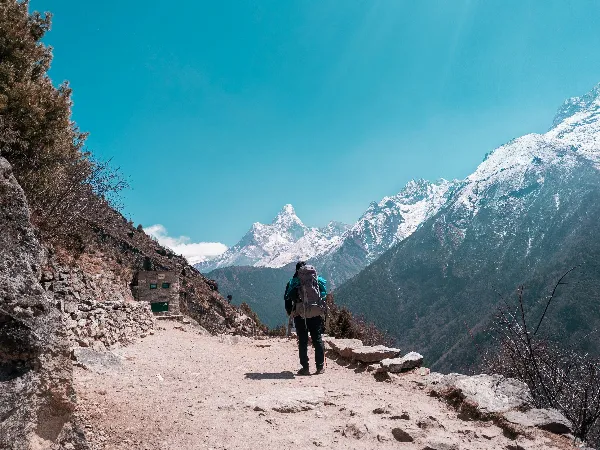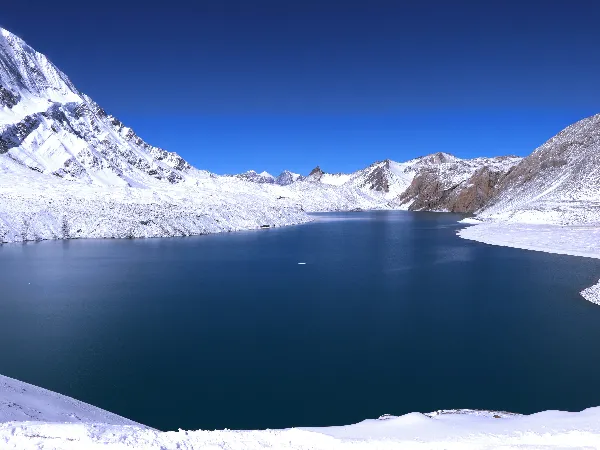
Many trekkers visiting Nepal struggle to choose between the remote beauty of the Manaslu Circuit Trek and the legendary mountain landscapes of the Annapurna Circuit Trek. What many travelers do not realize is that these two iconic Himalayan routes can actually be combined into one unforgettable long-distance trekking adventure.
Connected naturally through Dharapani, the combined Manaslu and Annapurna Circuit Trek offers ancient Tibetan culture, dramatic high mountain passes, remote villages, and some of the best trekking experiences in Nepal in a single journey crossing both Larkya La (5,160 m) and Thorong La (5,416 m) in roughly 20 25 days.
This guide breaks down exactly how the route connects, what each day actually feels like on the trail, what it costs, which permits you need, and the realities (good and hard) that most trek blogs leave out.
Why Trekkers Are Combining These Two Himalayan Giants
Most people choose one trek: Manaslu or Annapurna. Increasingly, experienced trekkers are doing both back-to-back, and for good reason.
- Everest Base Camp trails are crowded. Manaslu still feels wild and uncrowded by comparison.
- Annapurna alone can feel too "developed" for trekkers chasing remoteness — Manaslu adds that back.
- One long trek beats two separate trips — fewer flights, fewer logistics, more continuous acclimatization.
- The cultural range is unmatched — Tibetan-influenced Manaslu villages, then the desert landscapes of Upper Mustang.
If you're still deciding between the two routes individually, our Manaslu Circuit Trek and Annapurna Circuit Trek guides break down each route on its own before you commit to combining them. Travelers combine these treks for variety. Manaslu offers remoteness and Tibetan culture, while Annapurna offers infrastructure, bakeries, and dramatic mountain views. Together, they form one of the most complete trekking experiences in Nepal.
How the Manaslu Circuit Connects to the Annapurna Circuit
The two trails are not separate adventures stitched together artificially — they actually meet on the ground.
The connection point: Dharapani.
After crossing Larkya La and descending to Bimthang, the Manaslu trail continues down through Tilije and joins the main Annapurna Circuit trail right at Dharapani. From there, you simply keep walking north on the same trail system that leads to Chame, Manang, and eventually Thorong La.
There's no need to fly back to Kathmandu, take a long bus detour, or re-enter through a different trailhead. It's a continuous walk — which is exactly what makes this combination special.
Manaslu Circuit Trek + Annapurna Circuit Trek Combined Trek Itinerary
| Day | Route | Notes |
|---|---|---|
| 1 | Drive Kathmandu → Machha Khola | Long, bumpy road day |
| 2 | Machha Khola → Jagat | Entering Manaslu Conservation Area |
| 3 | Jagat → Deng | Trail narrows, fewer villages |
| 4 | Deng → Namrung | Restricted area checkpoint |
| 5 | Namrung → Lho | First clear Manaslu views |
| 6 | Lho → Samagaon (via Pung Gyen Gompa) | Tibetan-style village |
| 7 | Acclimatization day in Samagaon | Optional Manaslu Base Camp hike |
| 8 | Samagaon → Samdo | Trail thins out noticeably |
| 9 | Acclimatization — Tibet border excursion | Mobile signal disappears here |
| 10 | Samdo → Larke Phedi (Dharamsala) | Short but high-altitude day |
| 11 | Cross Larkya La (5,160 m) → Bimthang | The big day — long and cold |
| 12 | Bimthang → Tilije/Dharapani | Joins the Annapurna Circuit trail |
| 13 | Dharapani → Chame | Back into busier ACT infrastructure |
| 14 | Chame → Upper Pisang | Choice of upper or lower trail |
| 15 | Upper Pisang → Manang (high route) | Best mountain views on the ACT side |
| 16 | Acclimatization in Manang — Ice Lake hike | Optional, highly recommended |
| 17 | Manang → Yak Kharka | Altitude climbing steadily |
| 18 | Yak Kharka → Thorong Phedi/High Camp | Final push before the pass |
| 19 | Cross Thorong La (5,416 m) → Muktinath | Longest, hardest day of the trip |
| 20 | Muktinath → Jomsom | Into Mustang's desert landscape |
| 21 | Drive Jomsom → Pokhara | Scenic flight option available |
| 22 | Drive/fly Pokhara → Kathmandu | Trip ends |
Add 2–4 extra days for weather delays, fatigue, or additional acclimatization — most experienced operators recommend budgeting for this rather than treating 20–22 days as fixed.
What the Trail Actually Feels Like, Day by Day
This is the part most guides skip.
- Manaslu (Days 1–12) feels remote and quiet. Villages are small, tea houses are simple, and you'll see far fewer trekkers than on Everest or Annapurna trails.
- Dharapani onward feels like a different trek entirely. More tea houses, better food, wifi that actually works, and noticeably more trekkers on the trail.
- The shift is almost jarring. Many trekkers describe going from total solitude near Samdo to a relatively "busy" trail atmosphere within a day or two of reaching Chame.
- Thorong La often feels harder mentally than physically — not because the pass itself is worse than Larkya La, but because your body has already absorbed 12+ days of cumulative fatigue.
Manaslu Circuit vs Annapurna Circuit: Real Differences
| Factor | Manaslu Circuit | Annapurna Circuit |
|---|---|---|
| Crowds | Low | Moderate to high |
| Culture | Strong Tibetan influence | Mixed Gurung/Thakali, more commercialized |
| Trail difficulty | Remote, rugged | Well-established, easier logistics |
| Scenery | Narrow gorges, Manaslu close-up views | Open valleys, Annapurna range, Mustang desert |
| Food quality | Basic | Better — bakeries, more variety |
| Wifi/charging | Unreliable past Samagaon | Generally available |
| Guide requirement | Mandatory (licensed guide + min. 2 trekkers) | Not legally required, but recommended |
For a deeper breakdown of each trail, see the Complete Guide to Manaslu Circuit Trek and the Complete Guide to Annapurna Circuit Trek.
Is This Harder Than Everest Base Camp?
The combined Manaslu–Annapurna route is longer and involves two high passes, while EBC reaches a higher single point but over a shorter, more supported trail.
- EBC tops out around 5,364 m (Kala Patthar) with strong infrastructure throughout.
- The combined trek crosses two passes above 5,000 m and covers significantly more total distance and days.
- For total physical demand, the combined trek is generally harder due to duration and cumulative fatigue, not because any single day is more extreme than EBC.
- For authenticity and crowd-avoidance, Manaslu beats both EBC and Annapurna individually.
EBC vs ACT: Which Trek Is Actually "Best"?
This is one of the most-searched comparisons in Nepal trekking, and the honest answer is: it depends what you're optimizing for.
| Factor | Everest Base Camp (EBC) | Annapurna Circuit (ACT) |
|---|---|---|
| Highest point | ~5,364 m (Kala Patthar) | 5,416 m (Thorong La) |
| Trail style | Out-and-back, same trail both ways | Loop — constantly new scenery |
| Crowds | Very high, especially Oct–Nov | Moderate, spread across a longer trail |
| Infrastructure | Strong, frequent lodges, more flights | Strong, with road access shortening parts of the trek |
| Scenery variety | Everest, Lhotse, Nuptse close-up | Greater diversity — forests, high desert, Mustang |
| Mountain "wow factor" | Unmatched for seeing Everest itself | Broader range of mountains, fewer single iconic peaks |
| Best for | Trekkers who specifically want Everest views | Trekkers who want scenic variety and a loop route |
Real insight: Trekkers who've done both routes often say EBC wins on bragging rights ("I saw Everest"), while ACT wins on day-to-day trekking enjoyment because the scenery keeps changing instead of retracing the same trail. Neither is objectively "better" — they reward different priorities.
For a full side-by-side breakdown including cost and timing, see our Everest Base Camp Trek Complete Guide.
Altitude Sickness: What Most Tour Companies Don't Tell You
This is the single biggest safety factor on this route, and it deserves more than a generic warning.
- Above 3,500 m, your risk of Acute Mountain Sickness (AMS) rises meaningfully — this is roughly where Samagaon and Chame sit.
- Common symptoms trekkers ignore: mild headache, poor sleep, and loss of appetite are often brushed off as "just tiredness." These are early AMS signs, not normal fatigue.
- Acclimatization days are not optional extras — the built-in rest days at Samagaon and Manang exist specifically to let your body adjust before the passes. Skipping them to save time is one of the most common mistakes trekkers make.
- Evacuation is genuinely difficult in the Manaslu section. Unlike the Everest region, there are far fewer helicopter options and far higher costs if something goes wrong between Namrung and Samdo. This is a real reason to take symptoms seriously rather than push through.
If you ever experience worsening symptoms — confusion, loss of coordination, or breathlessness at rest — descending immediately is the only safe response, regardless of itinerary pressure.
Altitude Risk: Manaslu Section vs Annapurna Section
| Manaslu side | Annapurna side | |
|---|---|---|
| Highest sleeping altitude | Samdo (~3,875 m) | High Camp (~4,925 m) |
| Pass altitude | Larkya La (5,160 m) | Thorong La (5,416 m) |
| Rescue access | Limited, slower helicopter response | Better road and rescue access |
| Real insight | Symptoms here are easy to dismiss as "just the cold and tiredness" since there are fewer trekkers around to compare notes with | Higher trekker density means symptoms are usually noticed and reported faster by guides and fellow trekkers |
This is also why the Manaslu side legally requires a guide — beyond permits, it's a genuine safety buffer in a section where self-rescue options are limited.
For a full breakdown of symptoms, prevention, and emergency protocols across all Nepal treks, see Altitude Sickness in Nepal Treks.
Best Time to Combine the Manaslu and Annapurna Circuits
| Season | Conditions |
|---|---|
| Autumn (Sept–Nov) | Most popular — stable weather, clear mountain views |
| Spring (Mar–May) | Good visibility, rhododendrons in bloom, slightly warmer |
| Winter (Dec–Feb) | Larkya La and Thorong La can close due to snow; very cold |
| Monsoon (Jun–Aug) | Not recommended — landslide risk, poor visibility, leeches on lower trails |
October is the single most popular month for this combined route because both passes are typically snow-free and skies are clearest for mountain views.
Since the two treks sit in slightly different microclimates, it's worth checking each route's seasonal details separately: Best Time for Annapurna Circuit Trek and Best Time for Manaslu Circuit Trek.
Permits Required for the Combined Trek
- Manaslu Restricted Area Permit (RAP) — required for the Manaslu section, priced by season and only issued through a registered trekking agency.
- Manaslu Conservation Area Project (MCAP) permit — covers the conservation area fee.
- Annapurna Conservation Area Project (ACAP) permit — required once you reach the Annapurna side.
- TIMS card — required for the Annapurna Circuit portion.
- Guide requirement — Manaslu legally requires a licensed guide and a minimum of two trekkers per group; solo trekking on this section isn't permitted.
Permit rules and fees change periodically, so confirm current pricing with a registered agency before booking rather than relying on older blog posts.
Manaslu Permits vs Annapurna Permits: Real Differences
| Manaslu | Annapurna | |
|---|---|---|
| Restricted area status | Yes, government-restricted, agency-issued only | No, open trekking area |
| Solo trekking allowed | No, guide + min. 2 trekkers required by law | Yes, though a guide is strongly recommended |
| Permit cost structure | Seasonal pricing, generally higher in peak autumn | Flat ACAP + TIMS fee, lower overall |
| Where it's checked | Checkpoints at Jagat and Philim | Checkpoints at the ACAP entry gate |
| Real insight | Because permits are bundled with the guide requirement, most trekkers end up booking Manaslu through an agency by default there's little benefit to trying to arrange it independently | Independent trekkers can technically self-arrange permits, but most still hire a guide given the altitude and pass crossing |
For full, currently updated permit costs and processes, see Nepal Trekking Permits Explained, or the trek-specific breakdowns in our Complete Guide to Manaslu Circuit Trek and Complete Guide to Annapurna Circuit Trek.
What Travelers Don't Realize Before Starting
- Mental fatigue becomes harder than physical difficulty. By day 15–18, it's the monotony and accumulated tiredness — not any single tough day — that tests trekkers most.
- Hot showers cost more the higher you go, sometimes $3–5 per shower above 3,000 m.
- Charging devices gets harder and pricier past Samagaon, where solar power is the main source.
- Wifi becomes unreliable beyond Samagaon and essentially disappears around Samdo before picking back up on the Annapurna side.
- Food prices climb steadily with altitude since everything is carried in by porters or mules.
Hidden Costs Most Trekkers Forget to Budget
- Device charging fees (often $2–4 per charge at higher elevations)
- Hot showers ($2–5 depending on altitude)
- Wifi cards on the Annapurna side
- Extra days added for acclimatization or weather delays
- Transport delays from landslides or road conditions on the Kathmandu–Machha Khola drive
Budgeting an extra $150–250 beyond your base package cost for these extras is a realistic buffer for a trek this long.
Responsible Trekking in Remote Himalayan Regions
- Support local tea houses by eating meals where you sleep rather than carrying outside food.
- Avoid plastic waste — carry a reusable bottle and use water purification tablets or a filter instead of buying bottled water.
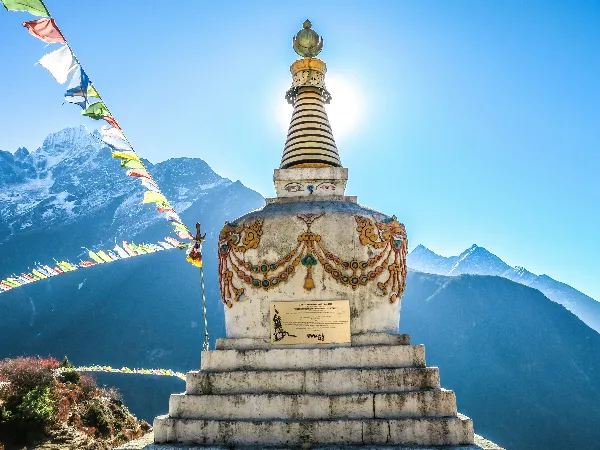
- Respect Buddhist culture in Manaslu's Tibetan-influenced villages — walk clockwise around mani walls and stupas, and ask before photographing locals or monasteries.
- Hire local guides and porters — this isn't just a permit requirement on Manaslu, it directly supports the local economy and improves your safety margin on a remote route.
Who Should Combine These Two Treks?
Best for: experienced trekkers who have completed at least one high-altitude trek before and want a longer, more immersive Himalayan experience without Everest-level crowds.
Possible for fit beginners who train seriously beforehand, hire a guide, build in extra acclimatization days, and aren't rushing on a tight schedule.
Probably not the right choice if: you have limited trekking experience, fewer than 18–20 days available, or a history of altitude-related health issues.
For trekkers who can commit the time, this route is consistently described as one of the most rewarding tea-house treks in Nepal combining the remoteness of Manaslu with the dramatic high-altitude scenery of the Annapurna Circuit in a single, continuous journey.
If you want a relaxed and enjoyable Himalayan experience, doing only one circuit is better. But if you want a once-in-a-lifetime expedition-style journey across two different Himalayan worlds, combining both treks is unmatched.
Think of it like this: One trek = travel experience and Two treks combined = expedition story of a lifetime
FAQs
1. Can you really combine the Manaslu Circuit Trek and Annapurna Circuit Trek?
Yes, both treks can be connected through the Dharapani and Bimthang route. It creates one continuous trekking journey across two major Himalayan regions.
2. How many days do I need for the combined trek?
You need around 21 to 25 days, depending on your walking pace and acclimatization. Faster itineraries are possible but not recommended due to altitude risk.
3. Is this trek suitable for beginners?
No, this trek is not ideal for first-time trekkers because it includes long walking days and two high passes above 5,000 meters. Beginners should start with either Annapurna Circuit or Everest Base Camp first.
4. Which is harder, Manaslu or Annapurna Circuit?
Manaslu is harder in terms of remoteness and logistics, while Annapurna is physically long with high-altitude crossing. Together, they create a very demanding endurance challenge.
5. Do I need a guide for this combined trek?
Yes, a licensed guide is mandatory for the Manaslu region as it is a restricted area. Even for Annapurna, having a guide improves safety and navigation.
6. What is the highest point of the trek?
The highest point is Thorong La Pass at 5,416 meters in the Annapurna section. The Manaslu side crosses Larke La Pass at 5,106 meters.
7. How high is the altitude sickness risk on this trek?
Altitude risk is high because you cross two major passes above 5,000 meters in one trip. Proper acclimatization days in Samagaon and Manang are extremely important.
8. Can I do this trek solo?
Solo trekking is not allowed in the Manaslu region due to permit regulations. You must be at least two trekkers with a guide for safety and legal compliance.
9. What permits are required for this trek?
You need Manaslu Restricted Area Permit, MCAP, ACAP, and possibly TIMS depending on current rules. These permits are checked at multiple entry points along the route.
10. What is the best season for this combined trek?
Autumn (September–November) and spring (March–May) are the best seasons for stable weather. These months provide clear mountain views and safer trail conditions.
11. How expensive is the combined trek?
It is more expensive than a normal trek because of permits, guide fees, and long duration. On average, it costs significantly more than doing only Annapurna Circuit.
12. Is the trail crowded?
Manaslu is quiet and remote, but Annapurna becomes busier near Manang and Muktinath. Overall, you experience both solitude and moderate trekking crowds.
13. What kind of accommodation is available?
Tea houses are basic in Manaslu with limited facilities, while Annapurna offers more comfortable lodges. Expect simple rooms, shared bathrooms, and limited heating.
14. What is the biggest challenge of this trek?
The biggest challenge is accumulated fatigue from long trekking days before crossing Thorong La Pass. Mental endurance becomes just as important as physical strength.
15. Is this trek worth doing instead of Everest Base Camp?
Yes, if you want a more diverse and less commercial trekking experience compared to Everest Base Camp. It offers both remote wilderness and cultural variety in one journey.