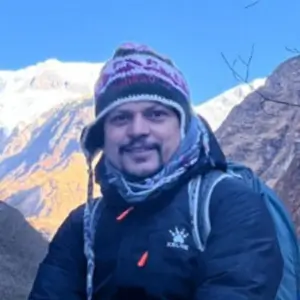
The future of trekking in Nepal is shifting toward sustainable tourism, remote Himalayan adventures, luxury trekking experiences, eco-friendly travel practices, and culturally immersive journeys. Travelers increasingly prefer quieter trekking routes, responsible tourism, and meaningful local experiences over crowded traditional trails.

The Future of Trekking in Nepal: Trends & Sustainability
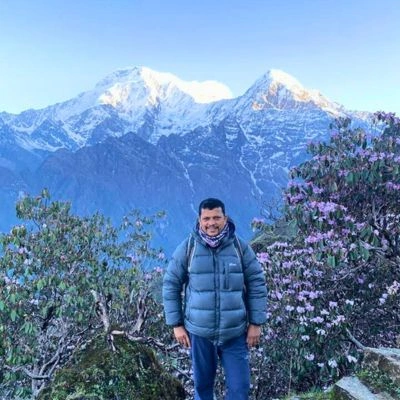
Ten years ago, trekking in Nepal meant handwritten permits, paper maps, cold tea houses, and long days without communication. Most trekkers followed the same famous routes through Everest and Annapurna while remote regions stayed untouched and unknown.
Today, the trekking world in Nepal is changing faster than ever. Travelers now search for quieter trails, authentic village experiences, eco-friendly journeys, better comfort, and safer trekking technology. The Himalayas still feel timeless, but the way people experience them is entering a completely new era.
From luxury mountain lodges to digital trekking tools and sustainable travel practices, the future of trekking in Nepal is becoming more responsible, more diverse, and more experience-focused than before.
So what will trekking in Nepal really look like in the coming years?
Why Trekking in Nepal Is Changing So Fast
The trekking industry in Nepal has changed dramatically after COVID-19. Travelers no longer want rushed itineraries or overcrowded experiences. Many people now prefer meaningful journeys where they can spend more time with local communities and less time following large trekking groups.
Social media has also transformed trekking culture. Beautiful drone footage, hidden valleys, and authentic village stories now inspire travelers more than traditional tourist advertisements. Younger trekkers especially want unique experiences instead of simply checking Everest Base Camp off a bucket list.
Digital technology has made remote travel easier too. GPS tracking, weather forecasting apps, satellite communication, and online trekking research now help travelers plan safer and smarter Himalayan adventures.
The Biggest Trekking Trends Shaping Nepal’s Future
Slow Travel and Cultural Immersion Treks
One of the biggest changes happening in Nepal trekking is the rise of slow travel. Trekkers are no longer rushing from one village to another just to finish a route quickly. Many travelers now stay longer in local villages to experience mountain culture more deeply.
Homestay trekking experiences are growing rapidly in places like the Tamang Heritage Trail and lower Annapurna villages. Travelers enjoy eating local food, learning village traditions, helping on farms, and understanding Himalayan life beyond the trekking trail.
This style of trekking creates stronger cultural connections while also supporting local families directly.
Remote and Less Crowded Trekking Routes Are Rising
Popular routes like Everest and Annapurna still attract thousands of trekkers every season. However, more experienced travelers are now choosing quieter regions with fewer crowds and raw mountain beauty.
The Manaslu Circuit Trek has become one of Nepal’s fastest-growing trekking routes because it offers remote Himalayan scenery with a more peaceful experience. Regions like Upper Dolpo, Kanchenjunga, Nar Phu Valley, and Makalu are also attracting trekkers searching for wilderness and authenticity.
These remote trails often feel closer to the old Nepal many travelers dream about.
Luxury Trekking in Nepal Is Growing Rapidly
Luxury trekking is no longer limited to a few high-end Everest lodges. Today, travelers can enjoy comfortable beds, private bathrooms, quality coffee, heated dining rooms, and even wellness services in mountain regions.
Luxury Everest trekking packages now include helicopter returns, boutique mountain lodges, and customized itineraries. Older travelers and couples especially prefer comfort-focused trekking experiences that combine adventure with relaxation.
Wellness trekking is also becoming popular. Yoga retreats, meditation trekking, and mountain wellness programs are slowly reshaping Himalayan tourism.
Eco-Friendly Trekking Is Becoming the New Standard
Sustainable tourism is no longer just a marketing trend in Nepal. Many trekking companies now actively reduce plastic waste, support local conservation, and encourage responsible travel practices.
Trekkers increasingly carry reusable water bottles and use water filtration systems instead of buying plastic bottles. Solar-powered tea houses are becoming more common in remote areas, especially in the Everest and Annapurna regions.
Many operators also support tree plantation programs and local environmental projects. Travelers today want their journeys to positively impact mountain communities instead of harming them.
Technology Is Transforming Himalayan Adventures
Technology is quietly changing the trekking experience across Nepal. GPS trekking apps now help trekkers navigate remote trails more safely. Smartwatches monitor altitude and heart rate, helping travelers understand how their bodies react at high elevations.
Satellite communication systems are improving rescue coordination during emergencies. Even in remote trekking regions, WiFi and mobile internet continue expanding every year.
Artificial intelligence may soon help trekkers with route planning, weather prediction, altitude monitoring, and travel preparation.
How Climate Change Is Affecting Trekking in Nepal
Climate change is already visible across the Himalayas. Local guides who have worked in the mountains for decades often talk about how glaciers have rapidly retreated over recent years.
In some trekking regions, snowfall patterns have become unpredictable. Winter storms can arrive suddenly while some traditional trekking seasons now experience unusual rainfall. Landslides and trail erosion are becoming more common during monsoon periods.
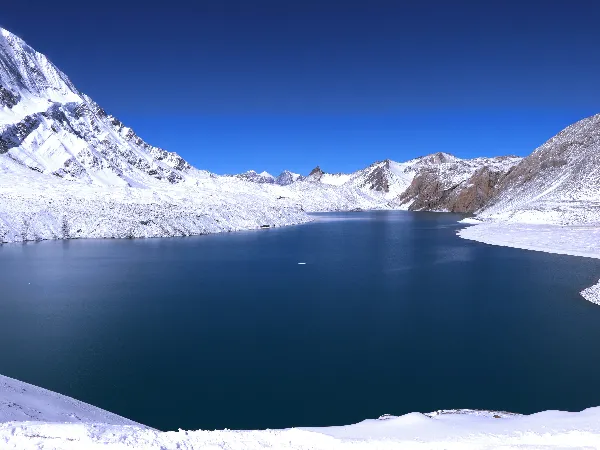
Glacial lake floods are another growing concern in high mountain areas. Villages near glacier-fed rivers face increasing environmental risks as temperatures rise.
Many trekkers also notice water shortages in certain villages during dry seasons. Streams that once flowed year-round are now becoming seasonal in some areas.
The future of trekking in Nepal depends heavily on protecting fragile Himalayan ecosystems.
Are Popular Trekking Routes Becoming Overcrowded?
Everest Base Camp and Annapurna remain among the world’s most famous trekking destinations. During peak trekking seasons in October and November, some trails can become extremely busy.
Crowding creates several challenges. Tea houses become fully booked, waste management becomes more difficult, and the peaceful mountain atmosphere can sometimes disappear. Some trekkers feel disappointed when famous viewpoints feel overcrowded rather than remote.
This is one major reason why many travelers are now choosing quieter trekking regions like Manaslu, Upper Mustang, and Kanchenjunga.
Nepal may eventually introduce stricter tourism management systems to protect sensitive trekking environments while improving visitor experiences.
The Rise of Sustainable Trekking in Nepal
Sustainable trekking is becoming one of the most important topics in Nepal tourism. Travelers increasingly understand that their choices directly affect mountain communities and fragile environments.
Choosing local trekking companies helps more money stay within Nepal instead of leaving the country through international agencies. Staying in family-run tea houses also supports village economies directly.
Responsible trekking includes respecting local culture, reducing waste, using refillable water bottles, and treating guides and porters fairly. Ethical porter treatment has become an especially important conversation in Nepal tourism.
Eco-friendly trekking is not only better for the mountains. It also creates more meaningful experiences for travelers themselves.
New Trekking Experiences Travelers Want Today
Modern trekkers are searching for experiences that go beyond traditional hiking. Yoga trekking retreats are becoming increasingly popular in the Annapurna and Everest regions. Many travelers want trekking journeys that combine physical adventure with mental wellness.
Digital detox trekking is another growing trend. Some travelers intentionally disconnect from phones and social media while spending time in remote Himalayan villages.
Women-led trekking groups are also rising across Nepal. More female guides are entering the trekking industry and creating supportive trekking experiences for solo women travelers.
Photography treks, wildlife trekking experiences, and volunteer-based trekking programs are attracting a completely new generation of visitors to Nepal.
The Future of Everest Base Camp Trek
Everest Base Camp Trek will likely remain Nepal’s most iconic trekking route for many years. However, the experience itself is changing quickly.
Luxury Everest trekking is expanding every season. Helicopter return packages now allow trekkers to avoid long descents while enjoying aerial Himalayan views. Internet connectivity is also improving rapidly throughout the Khumbu region.
At the same time, local authorities face increasing pressure to manage overcrowding and environmental protection. Waste cleanup campaigns and sustainable tourism initiatives are becoming more important every year.
The future of Everest trekking may focus more on quality experiences instead of simply increasing tourist numbers.
Will Roads Destroy Classic Trekking Routes?
Road construction has changed several trekking regions in Nepal, especially around the Annapurna Circuit. Some trekkers worry that roads reduce the traditional feeling of long-distance trekking.
However, roads also improve local life dramatically. Villagers gain easier access to hospitals, schools, food supplies, and transportation. For many mountain communities, roads bring economic opportunities and better living conditions.
Interestingly, trekking routes continue adapting. New walking trails are constantly being developed away from roads to preserve the trekking experience.
The future of trekking in Nepal will likely involve balancing accessibility with authenticity.
Hidden Regions That Could Become Nepal’s Next Big Trekking Destinations
Several remote regions may become major trekking destinations over the next decade. Lower Dolpo offers incredible Himalayan wilderness with ancient Tibetan culture and dramatic landscapes.
Tsum Valley is attracting trekkers searching for spiritual and cultural experiences away from busy trails. Ruby Valley and Panch Pokhari are also slowly gaining attention for their untouched scenery and peaceful villages.
Far West Nepal remains one of the least explored trekking regions in the country. As travelers increasingly seek remote experiences, these hidden areas may become Nepal’s next trekking hotspots.
How Nepal Can Protect the Future of Trekking
Protecting Nepal’s trekking future requires cooperation between travelers, trekking companies, local communities, and government authorities.
Waste management must improve across major trekking regions. Eco-friendly tourism policies and trail conservation programs are becoming increasingly important. Controlled tourism systems may also help reduce environmental pressure on sensitive areas.
Education is equally important. Travelers need better awareness about responsible trekking practices, local culture, and environmental protection.
Community-based tourism may become one of the strongest long-term solutions because it directly benefits local people while encouraging sustainable development.
What the Future Trekker Will Look Like
The next generation of trekkers is already changing Nepal tourism. Modern travelers care more about experiences than luxury alone. Many want authentic cultural connections and environmentally responsible adventures.
Remote workers are starting to combine trekking with long-term travel lifestyles. Wellness travelers seek mental peace and digital detox experiences in the mountains.
Solo female trekking continues growing every year as Nepal becomes safer and more accessible for independent travelers. Older adventurers are also joining luxury trekking experiences with comfortable itineraries and better facilities.
The future trekker is more conscious, more informed, and more experience-focused than ever before.
Conclusion
Trekking in Nepal is entering a fascinating new chapter. The Himalayas are still breathtaking, powerful, and deeply spiritual, but the trekking experience itself is evolving rapidly.
Sustainability, cultural connection, technology, comfort, and environmental awareness are shaping the future of Himalayan travel. While challenges like climate change and overtourism remain serious concerns, Nepal also has incredible opportunities to build a more responsible and meaningful trekking industry.
For travelers, this means more choices, deeper experiences, and better adventures than ever before.
The future of trekking in Nepal is not only about reaching mountain viewpoints. It is about protecting the Himalayas while experiencing them in a more thoughtful and authentic way.
FAQs
What is the future of trekking in Nepal?
The future of trekking in Nepal is moving toward sustainable tourism, eco-friendly travel, remote trekking experiences, luxury lodge trekking, and deeper cultural immersion. Travelers increasingly want quieter routes and responsible travel experiences.
Is trekking in Nepal becoming more sustainable?
Yes. Many trekking companies now encourage plastic-free trekking, reusable water bottles, local tea house stays, and community-based tourism to reduce environmental impact.
Which trekking regions are becoming popular in Nepal?
Manaslu, Upper Dolpo, Kanchenjunga, Nar Phu Valley, Tsum Valley, and Makalu are becoming increasingly popular among trekkers searching for remote Himalayan experiences.
Will climate change affect trekking in Nepal?
Climate change is already affecting Nepal trekking through glacier melting, changing weather patterns, landslides, and water shortages in some mountain regions.
Is Everest Base Camp overcrowded?
During peak seasons, Everest Base Camp Trek can become crowded, especially in October and November. Many trekkers now prefer quieter alternative routes.
Are luxury treks growing in Nepal?
Yes. Luxury trekking in Nepal is expanding rapidly with premium lodges, helicopter return options, wellness trekking, and boutique mountain accommodations.
How is technology improving trekking safety?
GPS apps, satellite communication, weather forecasting tools, altitude tracking smartwatches, and rescue coordination systems are improving trekking safety across Nepal.
Will roads destroy trekking routes in Nepal?
Roads change trekking experiences, but they also improve local life. Many regions are developing alternative walking trails to preserve traditional trekking experiences.
Need Help? Call Us
Need Help? Call Us+9779851013072