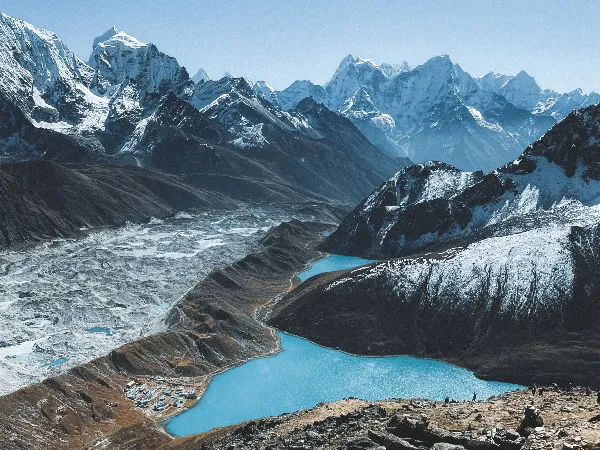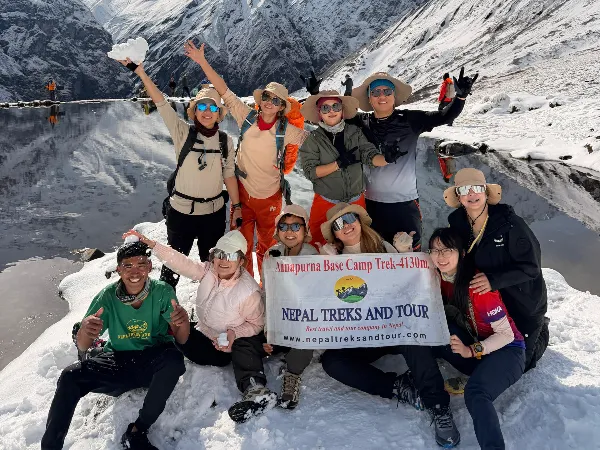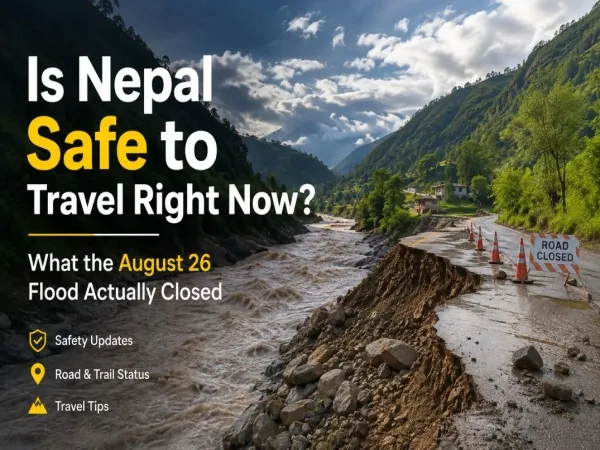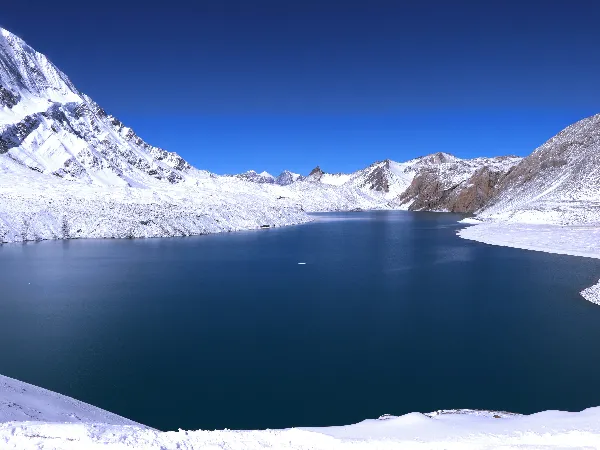
Yes, trekking in Nepal with kids is safe and rewarding when you choose the right trekking route, travel during the best season, and plan at a comfortable pace. Nepal offers several family-friendly treks with well-maintained trails, welcoming tea houses, experienced local guides, and breathtaking Himalayan scenery. Easy routes such as the Australian Camp Trek and the Ghorepani Poon Hill Trek with children are ideal for first-time families, while older children and teenagers can enjoy longer adventures like the Langtang Valley Trek or the Annapurna Base Camp Trek.
Trekking in Nepal with Kids: Is It a Good Idea?
Many parents wonder whether trekking in Nepal is suitable for children. The answer is yes. With the right preparation, trekking in Nepal can become one of the most memorable experiences your family will ever share.
Nepal is not only home to the world's highest mountains but also to peaceful villages, beautiful forests, friendly local communities, and well-established trekking trails. Families can walk through rhododendron forests, cross exciting suspension bridges, watch snow-capped peaks appear above the clouds, and experience a way of life that is very different from home.
Unlike many mountain destinations, Nepal offers hundreds of tea houses along popular trekking routes. This means families can enjoy comfortable accommodation, freshly prepared meals, and a warm place to rest each evening without carrying camping equipment. These facilities make family trekking in Nepal much easier than many people expect.
The key to a successful family trek is choosing an itinerary that matches your child's age, fitness level, and interests. Rather than focusing on reaching the highest altitude or covering long distances, the goal should be to enjoy the journey together. Walking slowly, taking regular breaks, and allowing time to explore local villages often creates a much more enjoyable experience for both children and parents.
Whether you are planning your first Himalayan adventure or looking for trekking in Nepal for beginners, there are several routes that provide incredible mountain scenery without requiring advanced trekking experience.
Why Nepal Is One of the Best Destinations for Family Trekking
Nepal is one of the few countries where families can enjoy world-famous mountain scenery while staying in locally owned tea houses throughout the journey. The combination of natural beauty, rich culture, and welcoming hospitality makes it an excellent destination for travelers of all ages.
Every day on the trail offers something new for children to discover. One day they may walk through forests filled with birds and colorful rhododendron flowers. The next day they might meet friendly yaks, watch farmers working in mountain villages, or enjoy breathtaking sunrise views over the Himalayas. These simple experiences often become the highlights of the trip.
Family trekking also provides children with valuable life lessons. They learn patience, teamwork, confidence, and respect for nature while spending quality time away from mobile phones and busy daily routines. Instead of watching mountains on a screen, they experience them firsthand.
Another reason families choose Nepal is the variety of trekking routes available. Some trails take only two or three days, while others can last more than a week. This flexibility allows families to choose an adventure that suits their holiday schedule and their children's abilities.
The friendly nature of Nepali people also adds to the experience. Children are often welcomed with warm smiles, and many local families enjoy sharing stories about village life and Himalayan traditions. These genuine cultural interactions make trekking in Nepal much more than simply walking from one destination to another.
How Old Should Children Be for Trekking in Nepal?
There is no official minimum age for trekking in Nepal. Every child is different, and the right age depends more on fitness, confidence, and enthusiasm than on the number of birthdays they have celebrated.
Young children can enjoy short village hikes and gentle walking trails, while children aged six or seven who enjoy outdoor activities may comfortably complete easy multi-day treks with careful planning. Older children and teenagers generally adapt well to longer trekking routes and can often complete more challenging adventures if they maintain a steady pace.
Parents should never compare their children's abilities with others. Some children happily walk for several hours, while others may need more frequent breaks. Choosing a flexible itinerary allows everyone to enjoy the experience without unnecessary pressure.
The most successful family treks are usually those that include shorter walking days, comfortable accommodation, and enough time to relax, explore villages, and appreciate the mountain scenery.
Best Treks in Nepal for Families
Nepal offers many trekking routes that are suitable for families, but choosing the right one depends on your children's age, fitness level, and previous hiking experience.
The Australian Camp Trek is one of the easiest introductions to Himalayan trekking. Lasting only two days, it offers beautiful mountain views, comfortable tea houses, and gentle trails that are ideal for younger children and first-time trekkers.
The Ghorepani Poon Hill Trek with children is one of the most popular family adventures in Nepal. The four to five-day itinerary combines manageable walking days with beautiful forests, traditional Gurung and Magar villages, and one of the country's most famous sunrise viewpoints overlooking the Annapurna and Dhaulagiri mountain ranges. For many families, this trek provides the perfect balance between adventure and comfort.
Families looking for a slightly longer adventure may enjoy the Langtang Valley Trek. The trail passes through peaceful mountain villages, forests, rivers, and alpine landscapes while offering excellent opportunities to experience Tamang culture and stunning Himalayan scenery.
Teenagers with good fitness may also enjoy the Mardi Himal Trek or the Annapurna Base Camp Trek. These routes involve longer walking days and higher elevations, but they reward trekkers with spectacular mountain views and unforgettable experiences deep in the Annapurna region.
The Everest Base Camp Trek is generally better suited to experienced teenagers who have already completed shorter treks. Because of its higher altitude and longer duration, families should allow sufficient time for acclimatization and choose a carefully planned itinerary.
Choosing the Right Trek for Your Family
The best family trek is not always the longest or the most famous. It is the one that allows everyone to enjoy the journey safely and comfortably.
Families visiting Nepal for the first time often find that shorter treks provide a better overall experience than ambitious high-altitude expeditions. A well-paced itinerary leaves plenty of time for photographs, village visits, wildlife spotting, and enjoying the mountain scenery without feeling rushed.
If your children are new to hiking, starting with shorter and lower-altitude routes helps build confidence while creating positive memories. As their experience grows, they can gradually explore longer Himalayan adventures in future trips.
Remember that every family travels differently. Some children enjoy challenging walks, while others prefer slower days filled with exploration and cultural experiences. Choosing a trek that matches your family's interests is the best way to ensure everyone returns home with unforgettable memories and a greater appreciation for Nepal's incredible mountain landscapes.
Is Trekking in Nepal Safe for Children?
Safety is one of the biggest concerns for parents planning a trekking holiday in Nepal. The good news is that family trekking in Nepal is generally safe when you choose the right trail, travel at a comfortable pace, and plan your trip with experienced local guides.
Popular trekking routes such as the Ghorepani Poon Hill Trek, Australian Camp Trek, and Langtang Valley Trek have well-established trails and tea houses that welcome families throughout the trekking season. These routes are used by thousands of trekkers every year and are considered excellent choices for beginners and families.
The biggest challenge is usually the altitude rather than the trail itself. As you climb higher, the air becomes thinner, and both adults and children need time to adjust. Every family should follow a gradual itinerary, drink plenty of water, eat regular meals, and avoid rushing to higher elevations.
Parents should watch for signs of altitude sickness, including headache, nausea, unusual tiredness, loss of appetite, dizziness, or difficulty sleeping. If symptoms become worse instead of improving with rest, the safest decision is to descend to a lower altitude and seek medical advice if necessary.
Weather can also change quickly in the Himalayas. Carrying warm clothing and waterproof layers helps families stay comfortable even if conditions change during the day. Checking the weather forecast before starting your trek is always recommended, especially during the shoulder seasons.
One of the easiest ways to improve safety is by hiring an experienced local guide. A professional guide knows the trails, understands mountain weather, monitors the group's pace, and can quickly respond if any unexpected situation arises. Families can relax and enjoy the journey knowing that someone with local knowledge is there to help.
Best Time for Trekking in Nepal with Kids
Choosing the right season makes a big difference when trekking with children. Pleasant temperatures, clear mountain views, and dry trails help make the experience more enjoyable for the whole family.
For most families, the best time to trek in Nepal is during spring (March to May) and autumn (late September to November). These seasons offer the most reliable weather, comfortable daytime temperatures, and excellent visibility across the Himalayan mountain ranges.
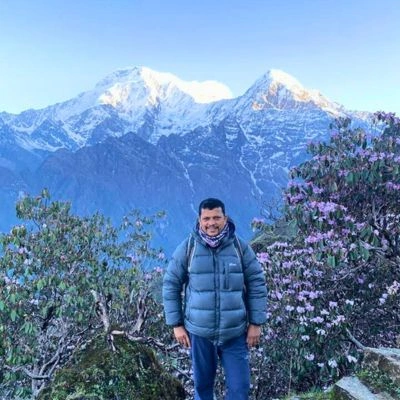
Spring is especially beautiful because forests come alive with blooming rhododendrons, Nepal's national flower. Hillsides are covered with vibrant colors, rivers flow with fresh snowmelt, and wildlife becomes more active. Families who enjoy nature and photography often find spring to be one of the most rewarding times to visit.
Autumn is the busiest trekking season because the skies are usually crystal clear after the summer monsoon. Mountain views are at their best, the air feels fresh, and temperatures remain comfortable for walking. This season is ideal for families planning the Ghorepani Poon Hill Trek with children, the Annapurna Base Camp Trek, or the Langtang Valley Trek.
Winter, from December to February, can also be a good option for shorter and lower-altitude treks. The trails are much quieter, and families who do not mind colder mornings and evenings can enjoy peaceful mountain landscapes with fewer visitors.
The summer monsoon season, from June to August, is generally less suitable for family trekking because rain can make trails slippery and reduce mountain visibility. However, rain-shadow regions such as Upper Mustang and parts of Dolpo remain excellent trekking destinations during these months.
What Should Families Pack?
Packing smart makes trekking easier and more comfortable for both parents and children. The weather in the Himalayas can change several times in one day, so wearing layers is much more practical than carrying heavy clothing.
Every family member should have comfortable trekking shoes that have already been worn before the trip. A waterproof jacket, warm fleece, insulated jacket, sun hat, sunglasses, gloves, and comfortable walking trousers are all essential for changing mountain conditions.
Children should carry only light items such as a water bottle, snacks, a camera, or a favorite toy. Parents or porters can carry heavier equipment, allowing children to enjoy the trek without becoming tired from overloaded backpacks.
Do not forget sunscreen, lip balm, personal medications, reusable water bottles, wet wipes, and a small first-aid kit. Healthy snacks such as dried fruit, nuts, biscuits, or energy bars are useful during longer walking days and help keep children's energy levels up between meals.
A small notebook or travel journal can also make the journey more memorable. Many children enjoy writing about the villages they visit, drawing mountains, or collecting stories from local people they meet along the way.
Food and Accommodation During the Trek
One of the biggest surprises for many families is how comfortable trekking in Nepal can be. Along popular routes, tea houses provide simple yet welcoming accommodation with freshly prepared meals every day.
Most family-friendly trekking routes offer private rooms, comfortable beds, shared dining areas, and warm hospitality. Facilities become more basic at higher elevations, but tea houses remain clean, friendly, and well suited to family travel.
Meals are cooked fresh after you order, which means food is usually warm and filling. Children can choose from familiar dishes such as fried rice, noodles, pasta, pancakes, eggs, soups, potatoes, and vegetable curries. Nepal's traditional meal, dal bhat, is also an excellent option because it provides a healthy balance of rice, lentils, vegetables, and seasonal side dishes that help maintain energy during the trek.
Safe drinking water is important throughout the journey. Families should drink boiled or properly purified water instead of untreated tap water. Many tea houses provide boiled drinking water for a small additional cost.
Do Families Need Trekking Permits?
Yes. Most trekking regions in Nepal require permits before entering protected areas or national parks. The permits depend on the trekking destination you choose.
For example, families visiting the Annapurna region usually need the Annapurna Conservation Area Permit (ACAP), while those trekking in Langtang require the Langtang National Park Entry Permit. Some restricted areas, such as Upper Mustang or Manaslu, require additional special permits and must be visited with a licensed trekking agency.
Your trekking company will normally arrange all permits before your trek begins, allowing families to focus on enjoying their holiday without worrying about paperwork.
Why Hiring a Guide and Porter Is Worth It
Although some trekking routes are relatively easy to follow, hiring a licensed local guide makes family trekking safer, smoother, and much more enjoyable.
A guide helps manage the daily itinerary, books tea house accommodation, explains local culture and traditions, monitors weather conditions, and ensures everyone walks at a comfortable pace. Their local knowledge allows families to discover hidden viewpoints, cultural landmarks, and stories that many independent travelers miss.
Hiring a porter is equally valuable, especially when traveling with children. Instead of carrying heavy luggage, parents can focus on spending quality time with their family while enjoying the spectacular Himalayan scenery.
Beyond convenience, hiring local guides and porters also supports mountain communities by creating employment and contributing directly to Nepal's tourism economy. It is a simple way to make your family adventure more meaningful while supporting the people who help preserve these beautiful trekking regions.
Expert Tips for a Successful Family Trek in Nepal
A successful family trek is not about walking the longest distance or reaching the highest mountain. It is about creating an enjoyable experience that every family member will remember for years to come.
Choose a trekking route that matches your children's fitness level instead of selecting the most famous destination. A shorter trek completed with smiles is always better than a difficult trek that feels exhausting. Many families find that the Ghorepani Poon Hill Trek with children offers the perfect balance of adventure, comfort, and breathtaking mountain scenery.
Plan shorter walking days whenever possible. Children enjoy trekking much more when they have enough time to explore villages, play in open spaces, take photographs, and enjoy regular snack breaks. Walking slowly also helps everyone adjust naturally to higher elevations.
Allow flexibility in your itinerary. Mountain weather can change quickly, and children may need extra rest on some days. Having an additional day in your schedule gives your family time to relax without feeling rushed.
Encourage children to become part of the adventure. They can learn a few simple Nepali greetings, identify different mountain peaks, keep a travel journal, or take photographs throughout the journey. These activities make trekking both educational and exciting.
Most importantly, enjoy the journey together. The conversations, village visits, mountain sunrises, and shared experiences often become the memories families treasure long after the trek has ended.
Final Thoughts
Trekking in Nepal with kids is about much more than reaching a destination. It is an opportunity to explore the Himalayas together, discover different cultures, and create memories that your family will cherish for a lifetime.
Whether you choose the Australian Camp Trek, the Ghorepani Poon Hill Trek with children, or a longer journey through the Annapurna or Langtang regions, Nepal offers adventures suitable for every family. By choosing the right season, planning a comfortable itinerary, and travelling with experienced local guides, your family can enjoy a safe, enjoyable, and unforgettable trekking experience.
If you are unsure which trek is best for your family, speaking with a local trekking expert can help you choose the right itinerary based on your children's age, your travel dates, fitness level, and the type of experience you want. Careful planning before your trip often makes the difference between a good holiday and an unforgettable Himalayan adventure.
FAQs
Is trekking in Nepal with kids suitable for first-time visitors?
Yes. Nepal has several beginner-friendly trekking routes that are ideal for families visiting the Himalayas for the first time. Choosing a shorter trek, walking at a relaxed pace, and hiring an experienced local guide helps create a safe and enjoyable experience for everyone.
What is the best family-friendly trek in Nepal?
The Ghorepani Poon Hill Trek is one of the best family-friendly treks in Nepal. It combines comfortable tea houses, moderate walking distances, beautiful forests, and spectacular Himalayan sunrise views without reaching extreme altitude.
What is the easiest trek in Nepal for beginners?
Families looking for trekking in Nepal for beginners often choose the Australian Camp Trek, Dhampus Trek, or Ghorepani Poon Hill Trek. These routes offer excellent mountain scenery while remaining suitable for first-time trekkers.
What is the best age for children to trek in Nepal?
There is no fixed minimum age. Active children around six years old can often enjoy shorter treks, while older children and teenagers are generally ready for longer Himalayan adventures. Every child is different, so parents should choose a trek based on fitness, confidence, and previous outdoor experience.
Can children get altitude sickness?
Yes. Children can experience altitude sickness just like adults. Climbing slowly, drinking plenty of water, eating well, and allowing proper acclimatization greatly reduce the risk. If symptoms become severe, descending to a lower altitude is always the safest option.
When is the best time for family trekking in Nepal?
Spring (March to May) and autumn (late September to November) offer the most comfortable weather, clear mountain views, and excellent trail conditions. These seasons are ideal for most family trekking holidays.
Do families need trekking permits?
Yes. Most trekking regions require permits before entering national parks or conservation areas. The permits depend on your trekking destination, and licensed trekking companies usually arrange them before your trip begins.
Are tea houses suitable for families?
Yes. Tea houses on popular trekking routes provide simple but comfortable accommodation, freshly cooked meals, and friendly hospitality. Most families find them to be a memorable part of the trekking experience.
Should families hire a trekking guide?
Hiring a licensed guide is highly recommended. Guides improve safety, arrange accommodation, explain local culture, and help families enjoy a smoother and more relaxing trekking holiday.
What should children pack for trekking?
Children should carry lightweight clothing, comfortable trekking shoes, a waterproof jacket, a warm fleece, sunglasses, sunscreen, a reusable water bottle, healthy snacks, and personal essentials. Heavy equipment is best carried by parents or a porter.
Is Nepal a good destination for a family adventure holiday?
Absolutely. Nepal offers much more than mountain trekking. Families can combine trekking with wildlife safaris, cultural sightseeing, mountain flights, boating in Pokhara, and visits to ancient temples, creating a memorable holiday for all ages.