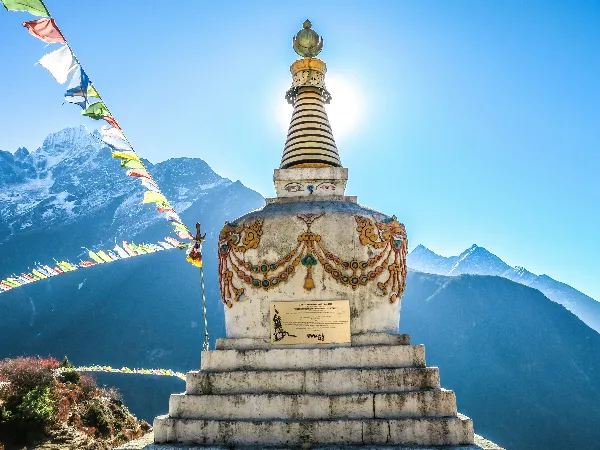
The Gokyo Lake Trek is considered a moderate to challenging trek. Most healthy people with a good fitness level can complete it successfully with proper preparation and acclimatization. The main challenge is not the trail itself but the high altitude, especially above 4,000 meters.
With a gradual itinerary, experienced local guides, and enough rest days, the Gokyo Lake Trek is an achievable and rewarding adventure for both beginners and experienced trekkers.
If you are planning your first Himalayan adventure, this guide explains exactly what makes the Gokyo Lake Trek challenging, who it is suitable for, and how you can prepare for an unforgettable experience.
Gokyo Lake Trek Difficulty: Is It Really Hard?
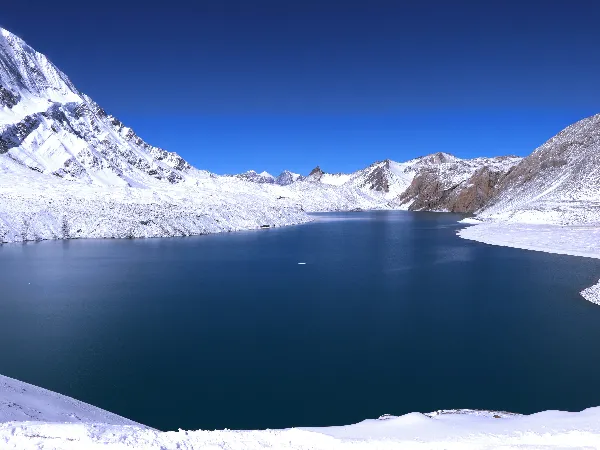
The Gokyo Lake Trek is one of Nepal's most beautiful Himalayan adventures. It takes you through the peaceful Khumbu Valley, traditional Sherpa villages, alpine forests, and the stunning turquoise Gokyo Lakes before reaching the famous Gokyo Ri viewpoint. Many trekkers wonder if this journey is difficult, especially when compared with the Everest Base Camp Trek.
The good news is that the Gokyo Lake Trek is not a technical climb and does not require mountaineering experience. However, it is a high-altitude trek, and that makes it physically demanding. The combination of long walking days, thin mountain air, and gradual altitude gain requires good preparation and a sensible pace.
For most trekkers, the biggest challenge is adjusting to the altitude rather than the walking itself. Those who take enough acclimatization days, stay hydrated, and walk slowly usually enjoy a safe and successful trek.
How Difficult Is the Gokyo Lake Trek?
Overall, the Gokyo Lake Trek is best described as moderately challenging. It is more demanding than short trekking routes around Pokhara but less physically exhausting than some of Nepal's highest mountain pass treks.
Most trekking days involve walking between five and seven hours through varied landscapes. Some days are easier, while others include longer uphill climbs and rocky mountain trails. The higher you climb, the thinner the air becomes, making every step feel more demanding.
Unlike climbing a mountain, the trail does not require ropes, technical equipment, or previous mountaineering skills. Instead, success depends on patience, steady walking, and giving your body enough time to adapt to the altitude.
Many first-time trekkers successfully complete the Gokyo Lake Trek every year by following a well-planned itinerary and listening to their guide. The journey rewards every effort with breathtaking views of Everest, Cho Oyu, Makalu, Lhotse, and the beautiful chain of glacial lakes that make this trek unique.
If you are comparing different Himalayan adventures, our guide on Trekking in Nepal for Beginners can help you decide whether the Gokyo Lake Trek matches your experience and fitness level.
What Makes the Gokyo Lake Trek Challenging?
Several factors contribute to the trek's difficulty. Understanding these challenges before you travel will help you prepare both physically and mentally.
The most important challenge is altitude. The trail climbs well above 4,000 meters, where the oxygen level is significantly lower than at sea level. Even strong hikers may feel tired, breathe more heavily, or walk at a slower pace. This is completely normal and highlights the importance of gradual acclimatization.
Daily walking distances also add to the challenge. While the trails are generally well maintained, several days involve continuous uphill climbing and uneven rocky paths. Trekking at high altitude naturally requires more energy than walking at lower elevations.
Weather is another factor. October and November usually offer stable conditions, but mornings and evenings can still be cold. Higher elevations often experience temperatures below freezing at night, so proper clothing is essential.
The final challenge is endurance. Unlike a one-day hike, the Gokyo Lake Trek requires consistent effort over many consecutive days. Walking at a comfortable pace, eating nutritious meals, and getting enough rest each evening all contribute to a successful trek.
Fortunately, these challenges are manageable with proper preparation, making the trek achievable for many healthy travelers rather than only experienced mountaineers.
Is the Gokyo Lake Trek Suitable for Beginners?
Yes, the Gokyo Lake Trek can be suitable for beginners who are reasonably fit and prepared for high-altitude trekking.
Many people believe they need years of hiking experience before trekking in the Himalayas. In reality, first-time trekkers complete the Gokyo route every year with the support of experienced local guides and a carefully planned itinerary.
The key is to prepare before arriving in Nepal. Regular walking, hiking, cycling, or other cardio exercises several weeks before your trip will improve your stamina. You do not need to be an athlete, but you should feel comfortable walking for several hours each day.
Choosing a gradual itinerary with proper acclimatization is even more important than physical strength. Walking slowly and allowing your body to adjust naturally reduces the risk of altitude sickness and makes the experience much more enjoyable.
If this is your first trek in Nepal, you may also find our Best Time for Trekking in Nepal guide helpful for choosing the season with the most comfortable weather and trail conditions.
How Fit Do You Need to Be?
The Gokyo Lake Trek does not require exceptional fitness, but good overall health and endurance will make the journey much more enjoyable.
You should feel comfortable walking for six to seven hours on consecutive days while carrying a light daypack. Regular exercise before your trip, including walking, hiking, stair climbing, or cycling, is usually enough preparation for most travelers.
Building leg strength and improving cardiovascular fitness several weeks before departure can make steep sections feel much easier. Flexibility exercises and stretching also help reduce muscle fatigue during long trekking days.
Mental preparation is equally important. Trekking in the Himalayas is not a race. Walking slowly, taking regular breaks, and enjoying the scenery often leads to a more successful and memorable experience than trying to walk too fast.
Is the Gokyo Lake Trek Harder Than the Everest Base Camp Trek?
One of the most common questions trekkers ask is whether the Gokyo Lake Trek is harder than the Everest Base Camp Trek. The answer depends on what you find most challenging.
Both treks reach high altitudes and require good physical fitness, but they offer different experiences. The Everest Base Camp Trek is more popular and follows a well-traveled route with busy tea houses and a steady flow of trekkers throughout the main seasons. The Gokyo Lake Trek is quieter and more peaceful, making it a favorite for travelers looking to escape the crowds.
In terms of difficulty, both treks are similar. They involve long walking days, steep climbs, and high-altitude conditions. However, many trekkers find the climb to Gokyo Ri (5,357 m) more demanding than reaching Everest Base Camp because of its steep ascent. On the other hand, the Gokyo route generally has fewer people on the trail, creating a more relaxed trekking experience.
If your itinerary includes Cho La Pass or Renjo La Pass, the trek becomes significantly more challenging. These high mountain passes require extra stamina, careful footing, and good acclimatization. If you only visit the Gokyo Lakes and Gokyo Ri, the overall difficulty remains similar to the standard Everest Base Camp Trek.
If you are comparing both adventures, our EBC Trek Facts guide explains the key differences in altitude, walking distance, acclimatization, and overall trekking experience.
When Is the Best Time to Trek to Gokyo Lakes?
Choosing the right season can make your trek safer, more comfortable, and more enjoyable.
The best time to visit Gokyo Lakes is during spring (March to May) and autumn (late September to November). These seasons offer the most stable weather, clear mountain views, and comfortable daytime temperatures.
During spring, the hills below Namche Bazaar become colorful with blooming rhododendron forests, while the higher mountains remain covered in snow. The weather is generally mild, making it an excellent season for trekking.
Autumn is the most popular trekking season in Nepal. After the monsoon ends, the skies become exceptionally clear, providing spectacular views of Everest, Cho Oyu, Makalu, and the surrounding Himalayan peaks. Dry trails and stable weather make this season ideal for high-altitude trekking.
Winter is possible for experienced trekkers, but temperatures drop well below freezing, and heavy snowfall can make some sections difficult. The summer monsoon season brings frequent rain, slippery trails, and reduced mountain visibility, making it less suitable for most visitors.
If you are unsure which season suits your travel plans, our Best Time for Trekking in Nepal and Nepal Trekking Weather Update guides provide detailed month-by-month advice.
How to Prepare for the Gokyo Lake Trek
Good preparation is one of the most important factors for completing the Gokyo Lake Trek successfully.
Start training at least six to eight weeks before your trip. Regular walking, hiking, jogging, cycling, or swimming helps improve your endurance and cardiovascular fitness. If possible, practice hiking on hills or climbing stairs while carrying a light backpack to prepare your legs for uphill walking.
Strength exercises for your legs, core, and back will also make long trekking days more comfortable. You do not need expensive gym equipment. Simple bodyweight exercises such as squats, lunges, step-ups, and planks are highly effective.
Mental preparation is just as important. Trekking in the Himalayas is about steady progress, not speed. Walking slowly, taking regular breaks, and enjoying the scenery will help conserve energy and reduce the risk of altitude-related problems.
Packing wisely also contributes to a successful trek. Wear comfortable trekking boots that are already broken in, dress in layers, and carry only the essentials in your daypack. A lighter backpack makes every uphill climb easier.
Expert Tips for Completing the Gokyo Lake Trek
Experienced local guides understand the mountains better than anyone. Following a few simple tips can make a significant difference during your trek.
Walk at your own pace instead of trying to keep up with faster trekkers. Moving slowly allows your body to adjust naturally to the altitude and helps prevent unnecessary fatigue.
Drink plenty of water throughout the day, even if you do not feel thirsty. Staying hydrated supports acclimatization and helps reduce the risk of altitude sickness.
Eat regular meals, even if your appetite decreases at higher elevations. Your body needs energy to cope with the physical demands of trekking in the mountains.
Start walking early each morning. The weather is usually calmer, and mountain views are often clearest before clouds begin forming later in the day.
Listen to your guide if they recommend slowing down or taking an extra acclimatization day. A flexible itinerary is always safer than rushing toward your destination.
Most importantly, enjoy the journey. The Gokyo Lake Trek is not simply about reaching a viewpoint. It is about experiencing Sherpa culture, peaceful valleys, glacial lakes, and some of the most beautiful mountain scenery in the Himalayas.
Common Mistakes First-Time Trekkers Make
Many trekking challenges can be avoided with good planning.
One of the biggest mistakes is walking too quickly during the first few days. The excitement of the trek often encourages people to move faster than their bodies can comfortably handle. A steady pace is far more effective at high altitude.
Another common mistake is ignoring early symptoms of altitude sickness. Mild headaches, loss of appetite, dizziness, or unusual tiredness should never be ignored. Inform your guide immediately so they can assess the situation and recommend the safest course of action.
Packing too much is another frequent problem. Heavy backpacks increase fatigue and place unnecessary strain on your knees and back. Pack only what you truly need and let a porter carry your main duffel bag if possible.
Some trekkers also underestimate the strength of the mountain sun. Even when temperatures are cool, ultraviolet rays are much stronger at higher elevations. Wearing sunscreen, sunglasses, and a hat helps protect your skin and eyes throughout the trek.
Finally, avoid booking flights, permits, and accommodation at the last minute during the peak trekking seasons. Planning ahead allows you to secure better availability and enjoy a smoother travel experience.
Is the Gokyo Lake Trek Safe?
Yes, the Gokyo Lake Trek is generally considered a safe trekking route when you prepare properly and follow responsible trekking practices.
The trail is well established, tea houses operate throughout the main trekking seasons, and experienced local guides know the route extremely well. Most trekkers complete the journey without any major problems.
The greatest safety concern is altitude sickness rather than the trail itself. Because the trek reaches elevations above 5,000 meters, gradual acclimatization is essential. Spending enough time adjusting to the altitude greatly improves your chances of completing the trek safely.
Weather conditions can also change quickly in the Himalayas. Carrying suitable clothing, checking weather forecasts, and remaining flexible with your itinerary will help you deal with changing mountain conditions.
Hiring a licensed local guide provides additional safety, valuable cultural insights, and peace of mind throughout your adventure. Guides can monitor your health, arrange accommodation, and respond quickly if unexpected situations arise.
With sensible preparation, realistic expectations, and respect for the mountains, the Gokyo Lake Trek is a safe and unforgettable experience for most healthy travelers.
Final Thoughts
The Gokyo Lake Trek is not the easiest trek in Nepal, but it is far from impossible. For most travelers, the real challenge is adapting to the altitude rather than dealing with difficult trails. With good physical preparation, a sensible itinerary, and enough acclimatization, the trek is achievable for beginners, experienced hikers, and many active older travelers.
One of the biggest rewards of the Gokyo Lake Trek is its peaceful atmosphere. While the Everest Base Camp route can become busy during the main trekking seasons, Gokyo offers quieter trails, beautiful Sherpa villages, and breathtaking views of the Himalayas. Standing on Gokyo Ri at sunrise and looking across Everest, Cho Oyu, Makalu, and the shimmering Gokyo Lakes is an experience that many trekkers remember for a lifetime.
If you are looking for a trek that combines spectacular scenery, rich mountain culture, and a rewarding physical challenge, the Gokyo Lake Trek is an excellent choice. The key to success is simple: prepare well, walk at a comfortable pace, respect the altitude, and enjoy every step of the journey.
Whether this is your first trek in Nepal or another Himalayan adventure, careful planning will help you make the most of your experience. Choosing the right season, following a realistic itinerary, and trekking with experienced local guides can turn a challenging journey into one of the most rewarding adventures you will ever have.
FAQs
Is the Gokyo Lake Trek difficult?
The Gokyo Lake Trek is a moderately challenging trek suitable for healthy beginners and experienced hikers. The biggest challenge is the high altitude rather than the trail itself. With proper acclimatization, physical preparation, and a well-planned itinerary, most trekkers can complete the journey safely while enjoying some of Nepal's most spectacular mountain scenery.
Can beginners do the Gokyo Lake Trek?
Yes. Beginners can complete the Gokyo Lake Trek if they prepare well before the trip and choose an itinerary with proper acclimatization days. Regular walking, hiking, or cardio training before arriving in Nepal will make the trek much more comfortable. Hiring an experienced local guide is also highly recommended for first-time trekkers.
Is the Gokyo Lake Trek harder than Everest Base Camp?
Both treks have a similar overall difficulty because they reach high elevations and require several days of walking. The Gokyo Lake Trek is usually quieter and offers a more peaceful experience, while the Everest Base Camp Trek attracts larger crowds. If your itinerary includes Cho La Pass or Renjo La Pass, the Gokyo route becomes more challenging than the standard Everest Base Camp Trek.
How many hours do you walk each day?
Most trekking days involve between five and seven hours of walking, depending on the itinerary and trail conditions. Some days are shorter to support acclimatization, while others require longer climbs to higher elevations.
What is the highest point of the Gokyo Lake Trek?
The highest point on the standard trek is Gokyo Ri, which stands at 5,357 meters (17,575 feet). It offers one of the best panoramic views in the Everest region, including Mount Everest, Cho Oyu, Makalu, and Lhotse.
Is altitude sickness common on the Gokyo Lake Trek?
Altitude sickness can affect anyone, regardless of age or fitness level. The best way to reduce the risk is to ascend gradually, stay well hydrated, eat properly, and include acclimatization days in your itinerary. If symptoms become severe, descending to a lower altitude is the safest option.
What is the best time to trek to Gokyo Lakes?
Spring (March to May) and autumn (late September to November) are the best seasons. These months offer stable weather, clear mountain views, and comfortable trekking conditions. If you want to compare seasons in more detail, see our guide on the Best Time for Trekking in Nepal.
Do I need a guide for the Gokyo Lake Trek?
Although regulations may vary, trekking with a licensed local guide is strongly recommended. A guide improves safety, helps with navigation, provides cultural insights, monitors your health at altitude, and handles logistics such as accommodation and itinerary adjustments.
What permits are required?
The Gokyo Lake Trek requires the Sagarmatha National Park Permit and the Khumbu Pasang Lhamu Rural Municipality Permit. Before you travel, check our Nepal Permits Guide for the latest permit information and requirements.
Is the Gokyo Lake Trek worth the effort?
Absolutely. Many trekkers consider the Gokyo Lake Trek one of the most beautiful journeys in Nepal. The combination of turquoise glacial lakes, peaceful trails, traditional Sherpa villages, and panoramic Himalayan views makes it an unforgettable alternative to the more crowded Everest Base Camp route.