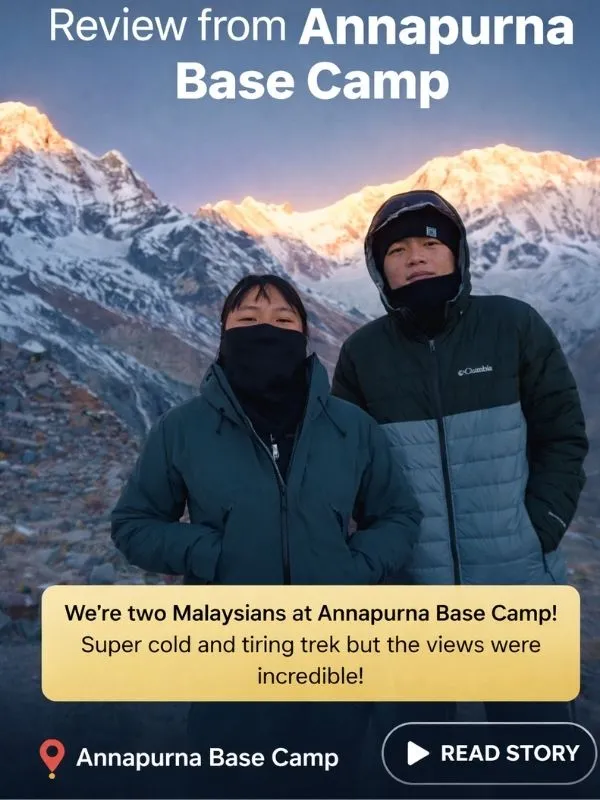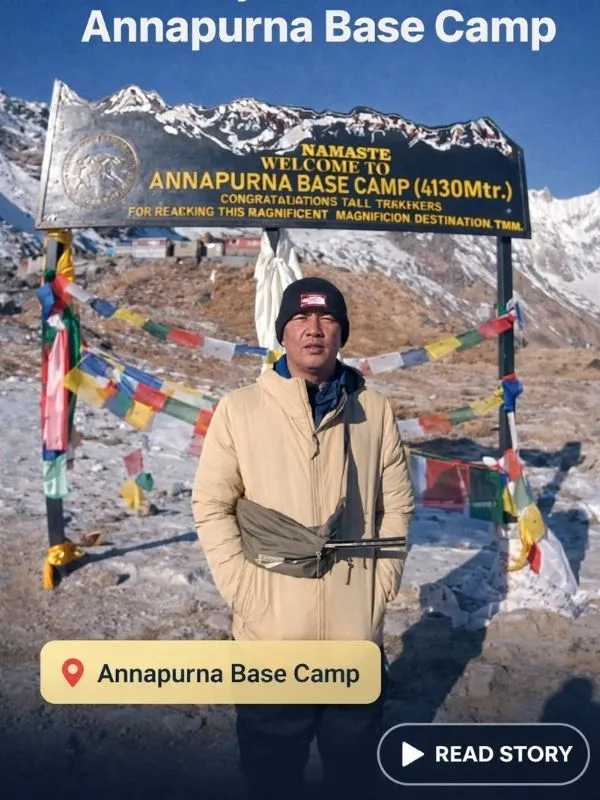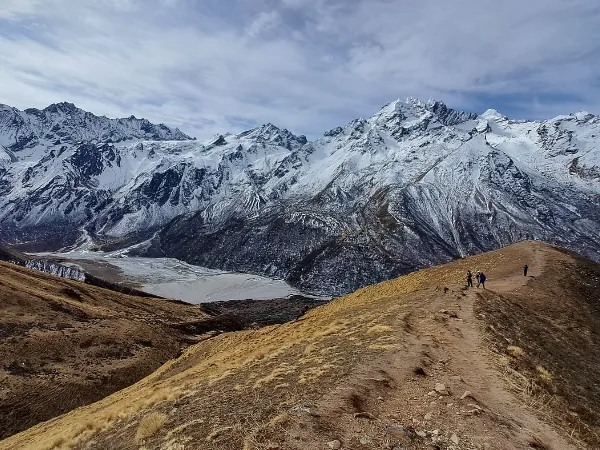
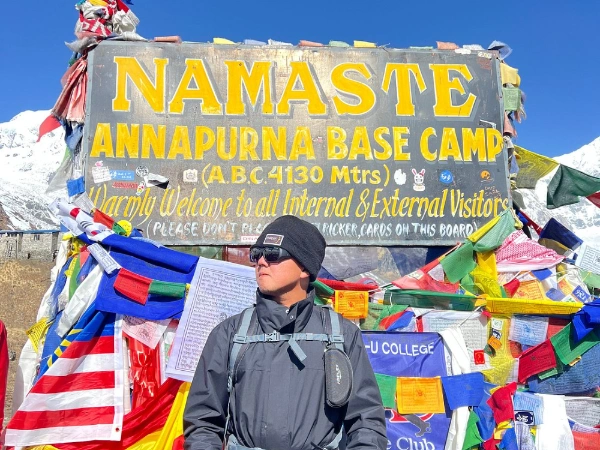
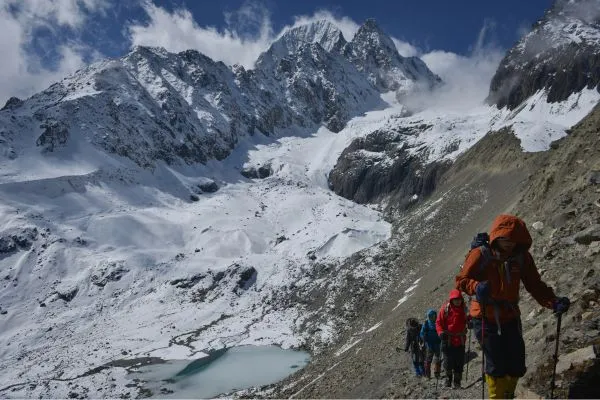
The Short Annapurna Base Camp Trek is an incredible opportunity to experience the majestic beauty of the Annapurna region in a shorter time frame. Perfect for trekkers with limited days, this adventure takes you deep into the heart of the Himalayas, offering stunning views of iconic peaks like Annapurna I, Machhapuchhre, and Hiunchuli. The trek leads you through lush forests, charming Gurung villages, and high alpine landscapes before reaching the breathtaking Annapurna Base Camp at 4,130 meters. It’s a compact yet highly rewarding journey that captures the best of Nepal’s natural beauty and rich culture.
This 8-day itinerary is designed to provide a seamless and comfortable trekking experience, including flights between Kathmandu and Pokhara, private vehicle transfers, experienced guides, and full-board meals during the trek. With carefully planned acclimatization and moderate trekking hours each day, the Short Annapurna Base Camp Trek ensures a safe and enjoyable Himalayan adventure for beginners and experienced trekkers alike. Join Nepal Treks and Tour and create memories that will last a lifetime in the spectacular Annapurna Sanctuary.
The Short Annapurna Base Camp Trek begins with your arrival in Kathmandu, followed by a short scenic flight to Pokhara. From Pokhara, a private vehicle transfer takes you to Matkyu, where the trekking adventure starts. The trail leads you through beautiful forested paths, crossing suspension bridges and passing small settlements to reach Sinuwa. Continuing the ascent, you trek through bamboo and rhododendron forests toward Himalaya and then climb to the stunning Annapurna Base Camp (ABC), the highest point of the trek at 4,130 meters.
After soaking in the breathtaking panoramic views of the Annapurna and Machhapuchhre ranges, the journey retraces through Sinuwa and descends to Kyumi. From Kyumi, a private jeep brings you back to Pokhara, where you can relax by the serene lakeside. The trek concludes with a flight or comfortable bus ride back to Kathmandu, marking the end of an unforgettable Himalayan adventure.
If you’re interested in exploring more trekking adventures in the Annapurna region, here are some excellent alternatives to the Short Annapurna Base Camp Trek:
If you need any further information, please feel free to contact us via email at [email protected] or by phone/WhatsApp at +977-9851013072.
Q: How difficult is the Short Annapurna Base Camp Trek?
A: The Short Annapurna Base Camp Trek is considered moderately challenging. While it covers significant altitude in a shorter time, the well-paced itinerary with experienced guides makes it suitable for physically fit beginners and experienced trekkers alike.
Q: What is the highest altitude reached during this trek?
A: The highest point of the trek is Annapurna Base Camp, which sits at an altitude of 4,130 meters (13,550 ft). It offers panoramic views of the Annapurna massif, including Machhapuchhre and Hiunchuli.
Q: What is the best time to do this trek?
A: The best seasons are spring (March to May) and autumn (September to November). These months offer clear skies, stable weather, and the best mountain views. Winter and monsoon seasons are less recommended due to snowfall or rain.
Q: Do I need prior trekking experience?
A: No prior trekking experience is required, but good physical fitness and preparation will enhance your experience. The trek involves 5–7 hours of hiking per day on mixed terrain.
Q: What kind of accommodation is provided?
A: You’ll stay in 3-star hotels in Kathmandu and Pokhara with breakfast included. During the trek, you’ll stay in local teahouses, which offer basic but clean rooms, local meals, and a cozy atmosphere.
Q: Are flights included in the package?
A: Yes, the package includes round-trip flights between Kathmandu and Pokhara to save travel time and maximize trekking days.
Q: Will there be a guide and porter?
A: Yes, an experienced, English-speaking guide will accompany you throughout the trek. One porter is provided for every two trekkers, carrying up to 15–20 kg of total weight.
Q: Is travel insurance required?
A: Yes, travel insurance covering emergency evacuation and high-altitude trekking is mandatory for this trip. It ensures your safety and support in case of emergencies.
Q: What meals are included?
A: During the trek, you’ll receive three full meals daily (breakfast, lunch, dinner). In Kathmandu and Pokhara, breakfast is included, and you can explore local restaurants for other meals.
Q: Can I rent trekking gear?
A: Yes, we provide complimentary of a sleeping bag, which must be returned after the trek. You can also purchase or rent other trekking gear in Kathmandu or Pokhara.
All foreign travelers (except Indian nationals) must obtain a Nepal Tourist Visa to enter the country. Visas can be acquired on arrival at Tribhuvan International Airport in Kathmandu or in advance from a Nepalese embassy or consulate. Tourists can choose from 15, 30, or 90-day visas, with multiple-entry options available. As of the latest update, a 15-day visa costs USD 30, a 30-day visa costs USD 50, and a 90-day visa is USD 125. Be sure to carry passport-sized photos and valid travel documents, and check the official Immigration Department website of Nepal for current updates.
Travel insurance is mandatory for the Short Annapurna Base Camp Trek and must cover high-altitude trekking (up to 4,500 meters), emergency helicopter evacuation, medical expenses, and trip cancellations or interruptions. It is advisable to choose a plan from a reputable international insurance provider that explicitly states coverage for trekking in Nepal. Having valid insurance ensures peace of mind and access to immediate care in case of altitude sickness or accidents during the trek.
While the Short Annapurna Base Camp Trek is not extremely technical, it still requires a moderate level of physical fitness. Trekkers should be able to walk for 5–7 hours a day on hilly and occasionally steep terrain. Prior hiking experience is not mandatory, but cardiovascular fitness, leg strength, and stamina are beneficial. We recommend a few weeks of preparation involving hiking, jogging, or swimming before the trek. It’s also essential to stay hydrated, maintain a steady pace, and follow your guide’s instructions for a safe and enjoyable experience.
Weather in the Annapurna region can vary significantly based on the season. The best time to trek is during spring (March to May) and autumn (September to November), when the weather is stable, the skies are clear, and mountain views are at their best. During winter (December to February), temperatures can drop below freezing, especially at higher altitudes, while the monsoon season (June to August) brings heavy rain, leeches, and slippery trails. Always pack appropriate clothing and gear suitable for unpredictable mountain weather.
The highest point on the Short Annapurna Base Camp Trek is 4,130 meters at Annapurna Base Camp. While this altitude is generally manageable for most trekkers, it’s still important to be aware of Altitude Mountain Sickness (AMS) symptoms such as headache, nausea, and fatigue. Our itinerary includes gradual ascent and overnight stays at intermediate altitudes to allow for proper acclimatization. Staying hydrated, eating well, and avoiding alcohol are simple yet effective ways to reduce the risk. Our guides are trained to identify AMS symptoms and take necessary precautions for your safety.
Nepal is a country rich in culture, traditions, and religious diversity, with Hinduism and Buddhism playing major roles in daily life. While trekking through villages along the Short Annapurna Base Camp route, you’ll encounter Gurung communities known for their warm hospitality. It is important to dress modestly, especially in rural areas, and to always ask permission before taking photographs of people or religious sites. Showing respect to local customs—such as walking clockwise around stupas or removing shoes before entering temples or homes—is appreciated. A little effort to learn and use basic Nepali greetings like “Namaste” can go a long way in creating friendly interactions with locals.
Tipping is not mandatory in Nepal, but it is customary and highly appreciated, especially in the tourism and trekking industries. For the Short Annapurna Base Camp Trek, a general guideline is to tip the guide around USD 5–10 per day and the porter USD 3–6 per day, per trekker. If you’re part of a group, you can pool tips and present them collectively. For drivers or hotel staff, small tips of USD 1–2 or the local equivalent are welcomed. Tipping is a great way to show gratitude for the dedication, effort, and hard work of your trekking team.
Nepal is considered a safe and welcoming destination for trekkers, including solo travelers and first-timers. Our company ensures your safety with licensed guides, reliable porters, and 24/7 support during the trek. However, basic precautions are still recommended—keep your valuables secure, avoid isolated trails at night, and always stay with your group or guide. We also provide a first aid kit and ensure all staff are trained in emergency response and altitude sickness recognition. Your well-being is our top priority, and we are fully committed to delivering a secure and enjoyable trekking experience.
The official currency in Nepal is the Nepalese Rupee (NPR). While major cities like Kathmandu and Pokhara accept credit cards and have ATMs, rural trekking areas do not. It’s essential to carry sufficient Nepali cash for personal expenses such as snacks, hot showers, charging devices, or tips during the trek. Exchange services are available at the airport and in major tourist hubs, but make sure to exchange before the trek, as remote villages do not offer money exchange facilities. Always keep smaller denominations for easier transactions in teahouses and local shops.
The Short Annapurna Base Camp Trek includes a combination of domestic flights and private vehicles for a smoother and more efficient experience. You’ll take a scenic flight between Kathmandu and Pokhara, significantly reducing travel time. From Pokhara, a private vehicle will transfer you to Matkyu to start the trek and pick you up at Kyumi after completing the trek. All airport transfers in Kathmandu and Pokhara are arranged via private vehicle to ensure comfort, safety, and timely service throughout your journey.
Electricity is available throughout the trekking route, especially in lower-altitude teahouses, but access may become limited or require a small fee as you ascend. Most lodges offer charging facilities for devices like phones and cameras, typically powered by solar or limited hydroelectric sources. It is recommended to bring extra power banks, spare batteries, or a small solar charger to ensure you can keep your devices charged throughout the trek. Voltage in Nepal is 220V and plugs are usually the European two-pin type.
Nepal celebrates a wide range of colorful festivals and national holidays that reflect its rich Hindu and Buddhist heritage. Notable festivals include Dashain (September–October) and Tihar (October–November), which often coincide with the autumn trekking season. These festivals can enhance your cultural experience during the trek but may also impact service availability in cities. It’s wise to check festival dates in advance when booking your trip, especially for arranging flights or accommodations.
During the trek, you will be provided with three hearty meals daily—breakfast, lunch, and dinner—served at local teahouses. Meals are nutritious and commonly include Nepali staples like dal bhat (rice, lentils, and vegetables), noodles, pasta, soup, potatoes, pancakes, and fried rice. Hot drinks such as tea and coffee are also widely available. In Kathmandu and Pokhara, your hotel stay includes breakfast, and you’ll have the freedom to explore a wide variety of restaurants offering Nepali, Indian, Asian, and international cuisine.
While Nepal generally offers great trekking weather during spring and autumn, weather in the mountains can be unpredictable, especially affecting flights to or from Pokhara. Flight delays or cancellations may occur due to fog, rain, or wind. In such cases, our team will assist you with the best possible alternatives, including road transport if needed. We recommend building in a buffer day at the end of your trip and having travel insurance that covers delays or cancellations for added peace of mind.
Nepali is the national language, and basic English is widely spoken in tourist areas and along trekking routes. Your trekking guide will be fluent in English and can assist with communication throughout the journey. In cities like Kathmandu and Pokhara, English signage and menus are common. Mobile phone reception is available in many trekking areas, although it may be limited or weak at higher elevations. Wi-Fi is offered in most teahouses for a small fee, but the connection may be slow or unreliable in remote sections of the trail.
Providing a detailed packing list helps trekkers prepare well. Essential items include layered clothing, thermal wear, trekking poles, gloves, sunhat, sunglasses, headlamp, reusable water bottles, and personal toiletries. Though sleeping bags and down jackets are provided, customers should be informed to bring proper hiking boots, warm socks, and a daypack.
Reassure trekkers that Nepal Treks and Tour provides 24/7 emergency support, and that your guides are trained in first aid and altitude sickness response. Include emergency contact numbers and outline the protocol for helicopter evacuation if needed.
Encourage travelers to follow Leave No Trace principles and practice eco-friendly trekking. Suggest carrying refillable water bottles, avoiding single-use plastics, and respecting local wildlife and nature.

PRICE INCLUDE |
|
|---|---|
PRICE EXCLUDE |
|
Annapurna adventure -
Jul 7, 2025Review by-Mark HughesI’ve done several treks, but this one felt special. The ABC trail is stunning, and the arrangements were flawless. Saran coordinated every detail. Hats off to guide Nilan and porter Dipak. Will come back again.
Short Annapurna Base Camp Trek an Unforgettable Adventure -
Apr 29, 2025Review by-SantiThe Short Annapurna Base Camp Trek with Nepal Treks and Tour was an unforgettable adventure. From the start, the team was professional, friendly, and well-organized, making the entire experience smooth and enjoyable. The trek itself was perfectly paced, offering breathtaking mountain views, charming villages, and lush forests. Reaching the base camp was incredibly rewarding, and the panoramic views of Annapurna and Machapuchare were absolutely stunning. Our guide was knowledgeable and always attentive to our needs, enhancing both safety and enjoyment. Accommodations and meals along the way were comfortable and well-managed. This shorter version of the ABC trek is ideal for those with limited time but still seeking a true Himalayan experience. Highly recommend Nepal Treks and Tour for a well-organized and memorable journey!
facility of Nepal treks and tour -
Jan 20, 2025Review by-JohanA group of 7 people just did a short ABC trek which we enjoyed in the winter with their service, and we will return for another adventure with Nepal treks And tour—highly recommended for everyone.