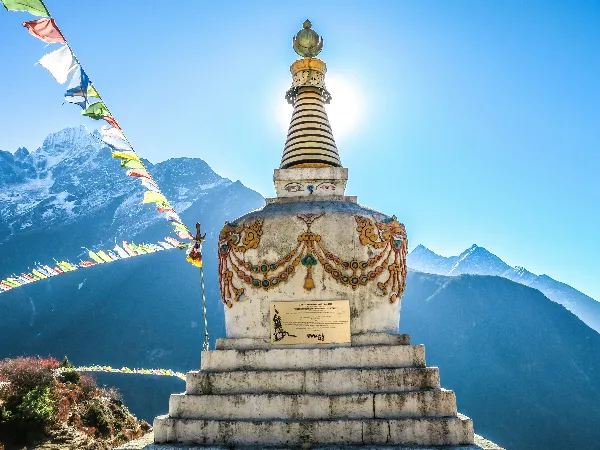
Nepal restricted area treks are special trekking routes located in remote Himalayan regions where travelers need government permits and must follow specific regulations. These areas were historically controlled to protect borders, local cultures, and fragile environments. Today, restricted trekking routes such as Upper Mustang, Manaslu, Nar Phu Valley, and Tsum Valley offer some of Nepal’s most unique wilderness experiences with fewer crowds and authentic mountain landscapes. These areas are known as restricted trekking regions of Nepal.
Unlike regular trekking destinations, restricted areas require special permits, licensed guides, and additional planning. These regulations help protect sensitive border regions, preserve local traditions, and manage tourism responsibly.
For travelers seeking quieter trails, authentic Himalayan culture, and less-developed mountain environments, Nepal restricted area treks provide some of the most rewarding experiences in the country.
What Are Restricted Area Treks in Nepal?
Restricted area treks in Nepal are special trekking routes where access is controlled by the Government of Nepal through specific permits and regulations. These areas are managed differently from popular trekking destinations because many of them are located near international borders, contain environmentally sensitive landscapes, or have significant cultural and historical importance.
Unlike regular trekking routes where independent travel may be possible in some areas, restricted trekking regions require additional planning and documentation. Travelers usually need a special restricted area permit, must trek through a registered trekking agency, and are required to be accompanied by a licensed guide. These regulations help protect fragile environments, preserve local cultures, and ensure safer travel experiences in remote Himalayan regions.
Why Choose Restricted Area Trekking in Nepal?
Restricted area trekking offers a completely different experience from Nepal's more crowded trekking routes. These remote Himalayan trails allow travelers to explore untouched landscapes, traditional mountain villages, and ancient cultures that have remained preserved for generations.
One of the biggest attractions of restricted trekking is the opportunity to experience Nepal's remote wilderness. Travelers can walk through high mountain passes, explore hidden valleys, visit ancient settlements, and observe traditional lifestyles that are rarely seen on more developed trekking routes.
These regions are also ideal for travelers who want a deeper cultural experience. Many restricted areas are home to communities with strong Tibetan influences, ancient Buddhist monasteries, traditional festivals, and unique mountain customs that reflect Nepal's diverse heritage.
Another advantage of restricted area trekking is the peaceful atmosphere. Compared with popular routes such as Everest Base Camp and Annapurna Base Camp, these trails receive fewer visitors, making them perfect for trekkers looking for quieter paths and more authentic Himalayan experiences.
Best Restricted Area Treks in Nepal
Upper Mustang Trek: Exploring Nepal's Hidden Kingdom
The Upper Mustang Trek is one of the most unique restricted area trekking experiences in Nepal. Located in the rain-shadow region of the Himalayas, Upper Mustang is famous for its dramatic landscapes, ancient Tibetan culture, and historic settlements.
Difficulty: Moderate
Duration: Approximately 12–18 days
Best Seasons: Spring and Autumn
Often known as the "Last Forbidden Kingdom," Upper Mustang offers travelers the chance to explore a remote region that remained isolated for centuries. The trek features desert-like Himalayan landscapes, ancient monasteries, traditional villages, and the historic walled city of Lo Manthang.
The journey provides a rare opportunity to experience a unique combination of natural beauty, history, and Tibetan-influenced culture.
Manaslu Circuit Trek: A Remote Himalayan Adventure
The Manaslu Circuit Trek is one of Nepal's most spectacular restricted trekking routes and is considered a quieter alternative to the popular Annapurna Circuit.
Difficulty: Moderate to Challenging
Duration: Approximately 14–18 days
Best Seasons: Spring and Autumn
The trek takes travelers around Mount Manaslu, the world's eighth-highest mountain, while passing through remote villages, Buddhist communities, and diverse mountain landscapes.
Major highlights include the impressive views of Mount Manaslu, crossing the challenging Larkya La Pass, exploring traditional settlements, and experiencing the unique culture of the Himalayan region.
This trek is ideal for travelers who want a challenging adventure combined with natural beauty and cultural discovery.
Nar Phu Valley Trek: Hidden Villages Beyond the Annapurna Region
The Nar Phu Valley Trek is a remote and less-developed trekking route located near the Annapurna region. It offers an authentic Himalayan experience away from the busier trails.
Difficulty: Challenging
Duration: Approximately 12–16 days
The trek takes visitors through ancient Tibetan-style villages, untouched valleys, high mountain landscapes, and traditional communities that have maintained their unique way of life.
Nar Phu Valley is especially suitable for travelers looking for an off-the-beaten-path adventure with fewer crowds and a deeper connection with local Himalayan culture.
Tsum Valley Trek: The Sacred Himalayan Valley
The Tsum Valley Trek is known for its spiritual atmosphere, ancient Buddhist traditions, and peaceful mountain environment.
Difficulty: Moderate
Duration: Approximately 14–18 days
Located in the Manaslu region, Tsum Valley is often considered one of Nepal's hidden cultural treasures. The trek offers opportunities to visit ancient Buddhist monasteries, explore remote villages, and experience traditional communities surrounded by spectacular Himalayan scenery.
The valley's unique culture and peaceful environment make it a special destination for travelers interested in both nature and spirituality.
Kanchenjunga Trek: Eastern Nepal Wilderness Experience
The Kanchenjunga Trek is one of Nepal's most remote and challenging trekking adventures. Located in eastern Nepal near Mount Kanchenjunga, the world's third-highest mountain, this region offers a true wilderness experience.
Difficulty: Challenging
Duration: Approximately 20–25 days
The trek provides incredible mountain views, diverse ecosystems, remote landscapes, and opportunities to experience authentic rural life. Due to its distance from major tourist centers, Kanchenjunga remains one of Nepal's least crowded trekking destinations.
This trek is best suited for experienced trekkers looking for a longer Himalayan adventure.
Nepal Restricted Area Trek Permit Requirements
Restricted area trekking in Nepal requires additional permits compared with standard trekking routes. These permits help the government manage tourism, protect sensitive regions, and support responsible travel practices.
The exact requirements depend on the trekking destination, but travelers may need:
- Restricted Area Permit
- Conservation Area Permit where applicable
- TIMS card where required
- Support from a registered trekking agency
- A licensed trekking guide
Permit fees and requirements vary depending on the region and trekking duration. Travelers should always check the latest regulations before planning their trek.
Do You Need a Guide for Restricted Area Treks in Nepal?
Yes, most restricted area treks in Nepal require travelers to trek with a licensed guide through a registered trekking agency.
A guide is not only required for legal reasons but also provides valuable support in remote mountain environments. Many restricted trekking areas have limited infrastructure, challenging weather conditions, difficult navigation, and limited access to emergency services.
An experienced local guide helps travelers manage altitude challenges, communicate with local communities, understand cultural traditions, and enjoy a safer trekking experience.
Cost of Restricted Area Trekking in Nepal
The cost of restricted area trekking depends on several factors, including the trekking route, duration, permit fees, guide and porter services, accommodation, transportation, food, and travel season.
Restricted treks are generally more expensive than regular trekking routes because they require additional permits, professional guide support, remote logistics, and more planning due to limited facilities.
Although the cost may be higher, many travelers consider restricted trekking a valuable investment because it provides access to some of Nepal's most unique and less-explored Himalayan regions.
Best Time for Restricted Area Treks in Nepal
Spring Season (March to May)
Spring is one of the best seasons for restricted area trekking in Nepal. During this period, travelers can enjoy clearer mountain views, comfortable weather conditions, and beautiful landscapes with blooming flowers in many regions.
The stable conditions make spring suitable for longer Himalayan journeys.
Autumn Season (September to November)
Autumn is considered the most popular trekking season in Nepal. After the monsoon season, the skies usually become clearer, offering excellent visibility and ideal conditions for mountain trekking.
Benefits of autumn trekking include stable weather, comfortable temperatures, and some of the best Himalayan views of the year.
Winter and Monsoon Considerations
Winter and monsoon seasons require additional preparation. Some restricted regions may become difficult due to heavy snowfall, rainfall, muddy trails, or challenging weather conditions.
Travelers planning these seasons should carefully check trail conditions and prepare suitable equipment.
Restricted Area Trekking Safety Tips
Proper preparation is essential for a successful restricted area trek in Nepal. Before starting your journey, consider the following:
Choose an experienced trekking company that understands remote Himalayan routes and permit requirements. Prepare suitable trekking equipment, allow enough time for altitude acclimatization, and check weather conditions before departure.
Travelers should also carry necessary documents, respect local traditions, and follow responsible trekking practices to protect Nepal's natural and cultural heritage.
Conclusion
Restricted area trekking in Nepal offers a unique opportunity to explore remote Himalayan landscapes, ancient cultures, and less crowded mountain trails. These journeys require proper permits, careful planning, and awareness of local conditions to ensure a safe and rewarding experience.
With responsible preparation, respect for local communities, and the right guidance, travelers can discover some of Nepal’s most authentic and unforgettable trekking adventures.
FAQs
What are restricted area treks in Nepal?
Restricted area treks in Nepal are remote Himalayan trekking routes where travelers need special government permits and must follow specific regulations. These areas are protected to preserve local cultures, sensitive environments, and border regions.
Which are the best restricted area treks in Nepal?
The best restricted area treks in Nepal include Upper Mustang, Manaslu Circuit, Nar Phu Valley, Tsum Valley, and Kanchenjunga Trek. Each route offers unique mountain landscapes, traditional villages, and authentic Himalayan experiences.
Do I need a special permit for restricted area trekking in Nepal?
Yes, restricted area trekking requires special permits issued by the Government of Nepal. Permit requirements depend on the trekking region, and most travelers arrange them through a registered trekking agency.
Can I trek restricted areas in Nepal without a guide?
No, most restricted trekking areas require travelers to trek with a licensed guide and registered trekking agency. A guide also provides important support with navigation, safety, local communication, and cultural understanding.
What is the best time for restricted area trekking in Nepal?
The best time for restricted area trekking in Nepal is generally spring (March–May) and autumn (September–November). These seasons offer stable weather, clear mountain views, and better trekking conditions.
How much does a restricted area trek in Nepal cost?
The cost of a restricted area trek depends on the route, duration, permits, guide services, transportation, and accommodation. These treks usually cost more than regular routes because of special permits and remote mountain logistics.
Which restricted trek in Nepal is suitable for beginners?
Upper Mustang and some sections of the Manaslu Circuit can be suitable for beginners with good fitness and preparation. However, travelers should consider altitude, duration, and difficulty before choosing a restricted trek.
Why are trekking areas restricted in Nepal?
Some trekking areas are restricted because they are near international borders, environmentally sensitive zones, or culturally significant regions. The restrictions help protect local heritage, manage tourism, and improve visitor safety.
What should I pack for a restricted area trek in Nepal?
Travelers should pack suitable trekking clothing, hiking boots, warm layers, personal medication, travel documents, and essential mountain gear. Packing requirements depend on the trekking route, season, and altitude.
Do I need travel insurance for trekking in Nepal?
Yes, travel insurance is highly recommended for trekking in Nepal, especially for high-altitude and remote routes. A suitable policy should cover trekking activities, medical treatment, emergency evacuation, and unexpected situations such as weather delays or trip interruptions.